

Chinese Film Festival 2026 : Paris Celebrates the Richness and Evolution of Chinese Cinema Contemporary
Sunday 10 May, 2:55 PM PT Paris, Pathé Palace 2026-05-10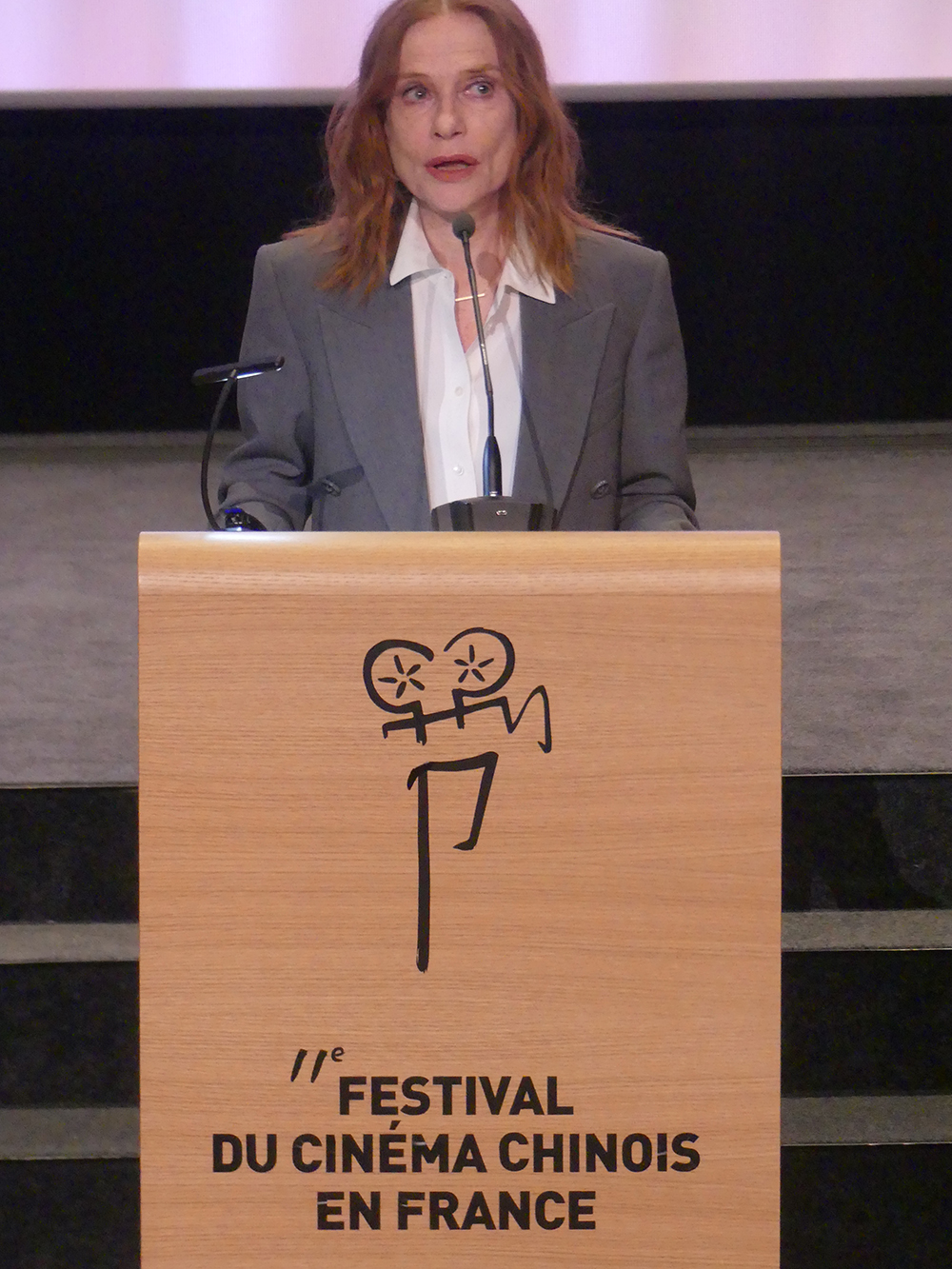
On May 10, 2026, Paris once again confirmed its status as the world capital of cinema by hosting the opening of the 11th edition of the Chinese Film Festival in France, an event that has become, over the years, one of the most important international gatherings dedicated to Chinese cinema outside of China. Held in the prestigious setting of the new Pathé Palace—a venue designed by architect Renzo Piano just steps from the Opéra Garnier—this opening day took on the air of a major diplomatic and artistic gathering, bringing together figures from French cinema, institutional representatives, and leading names in contemporary Chinese cinema united by a shared goal: to strengthen cultural ties between France and China through the art of cinema.
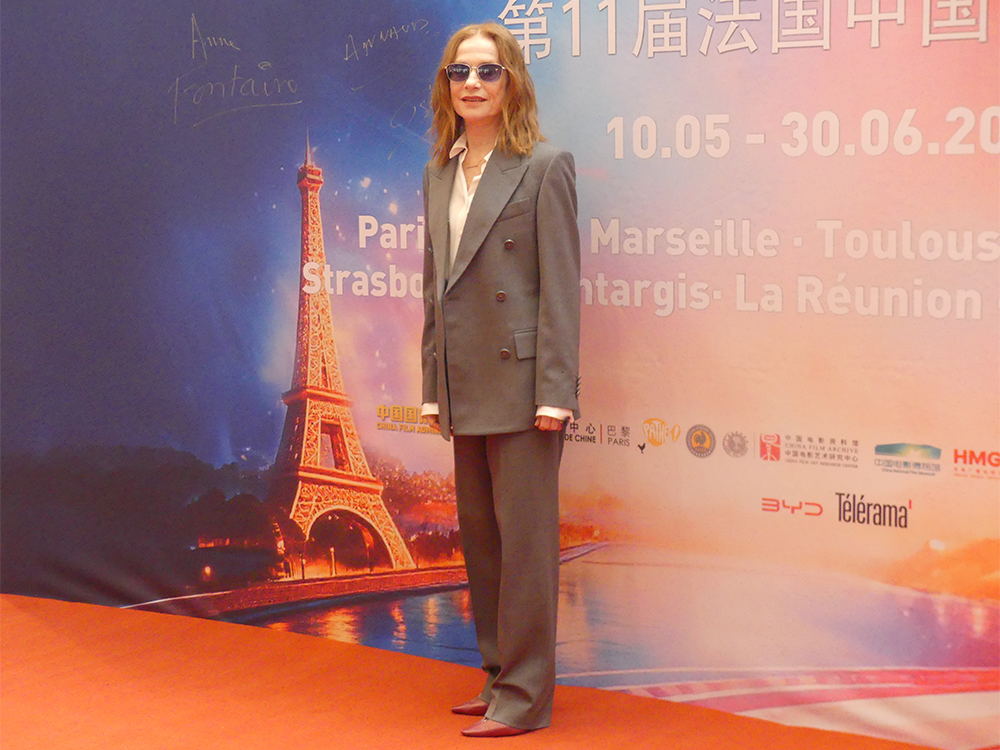
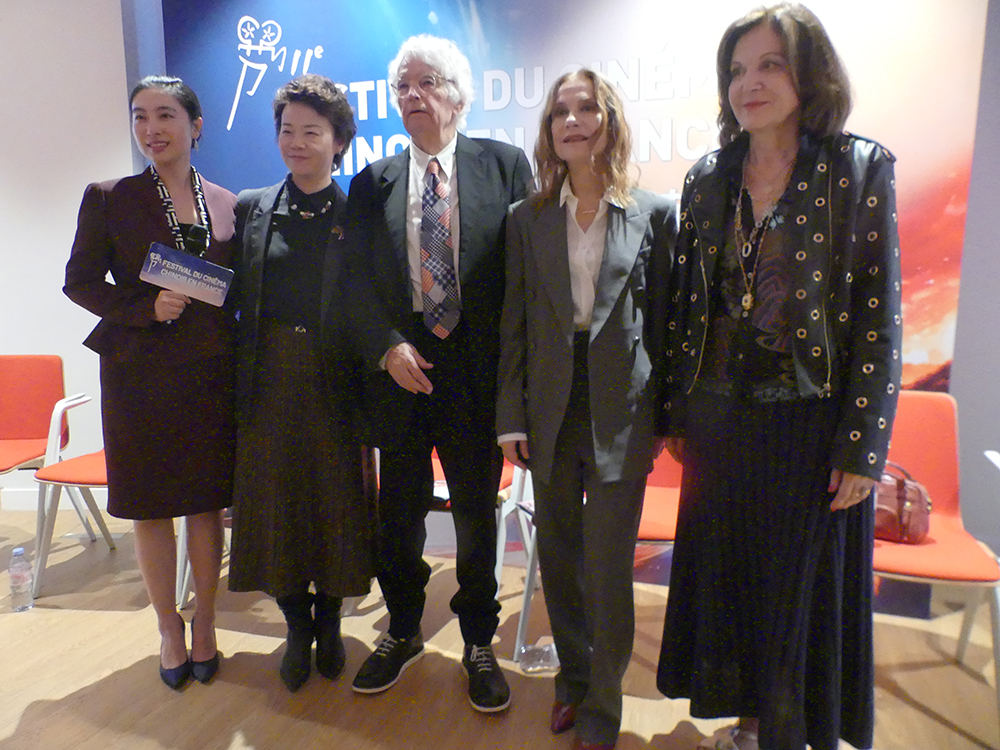
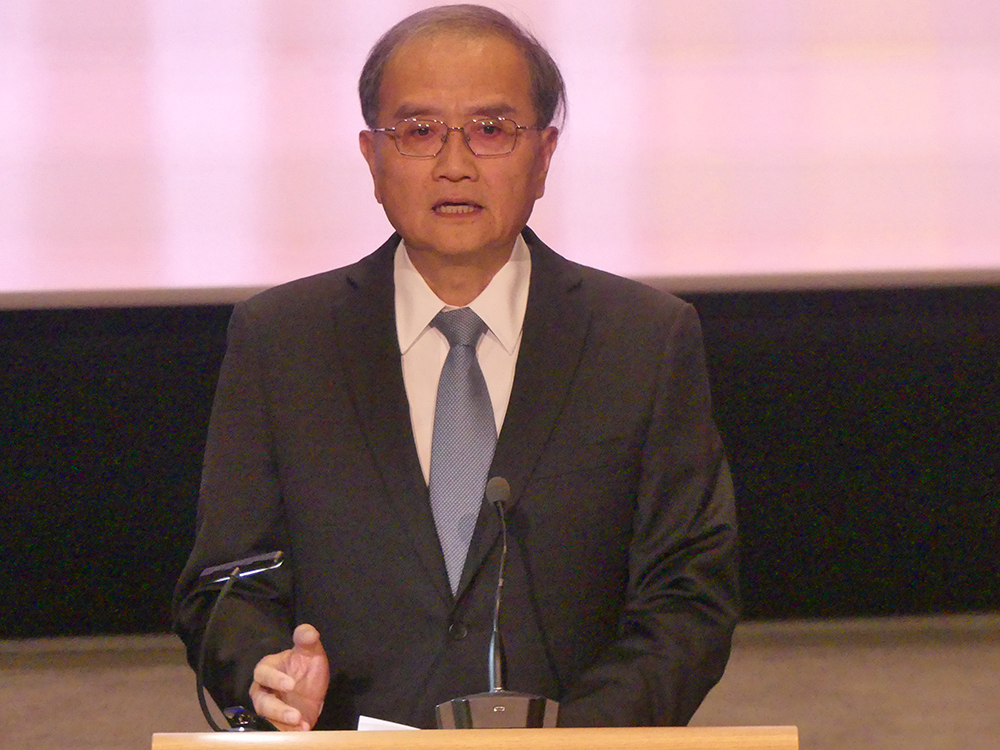
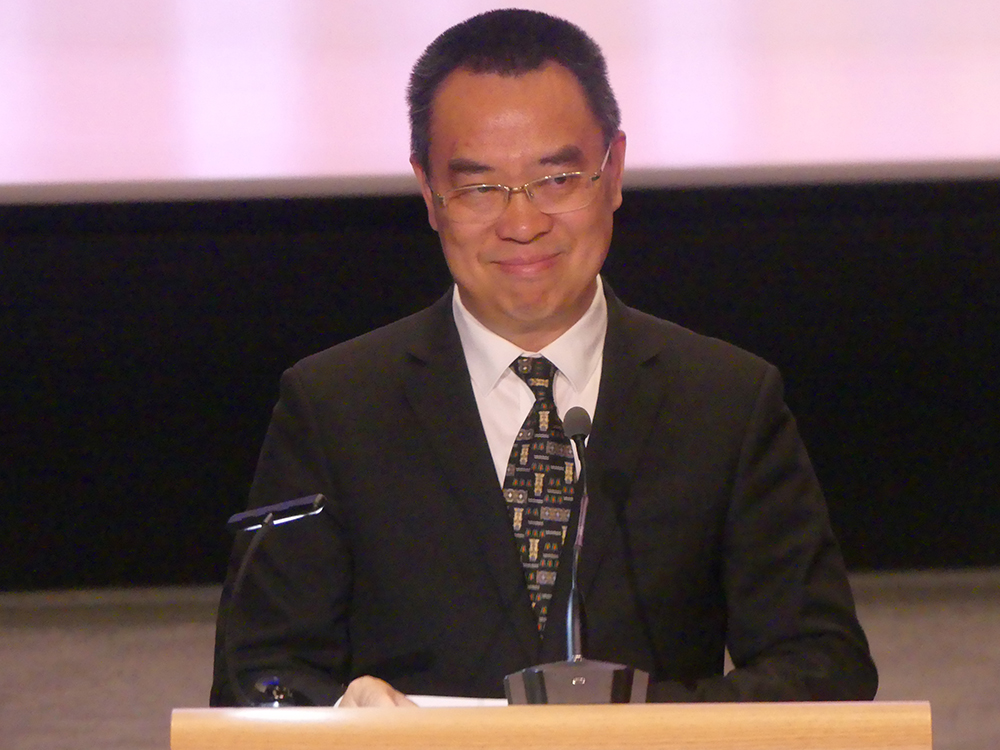
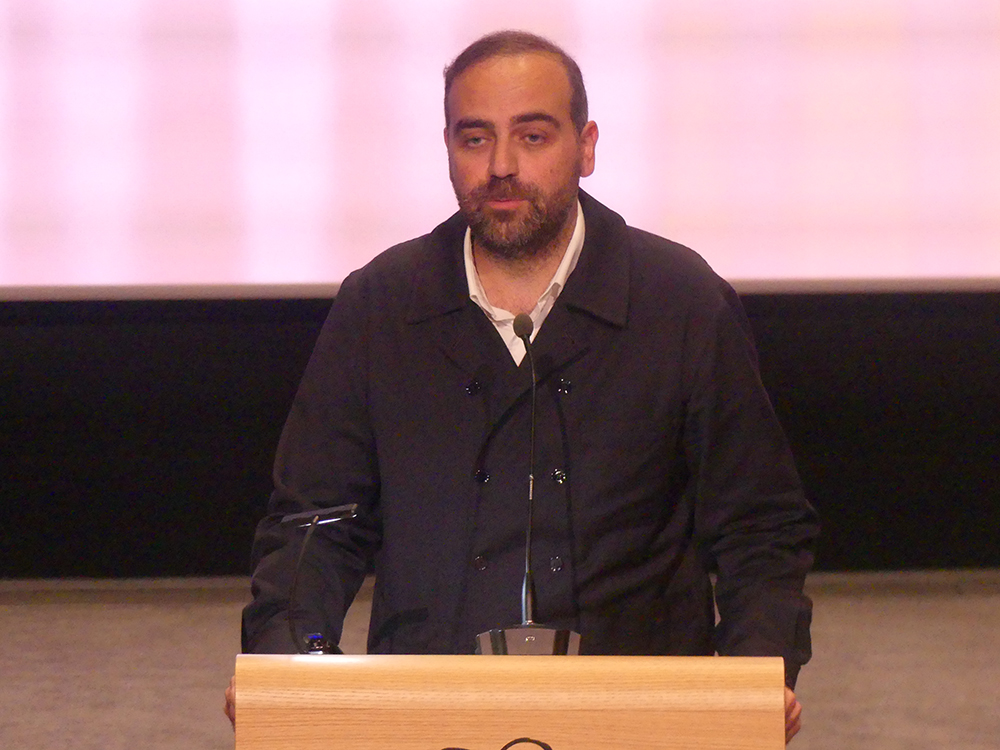
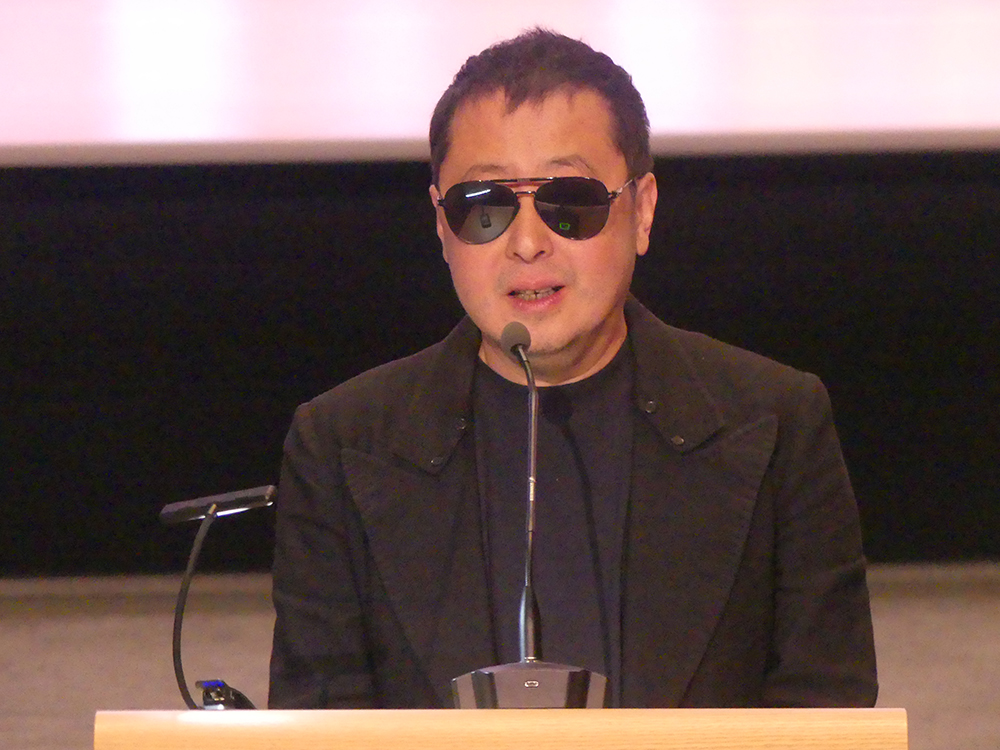
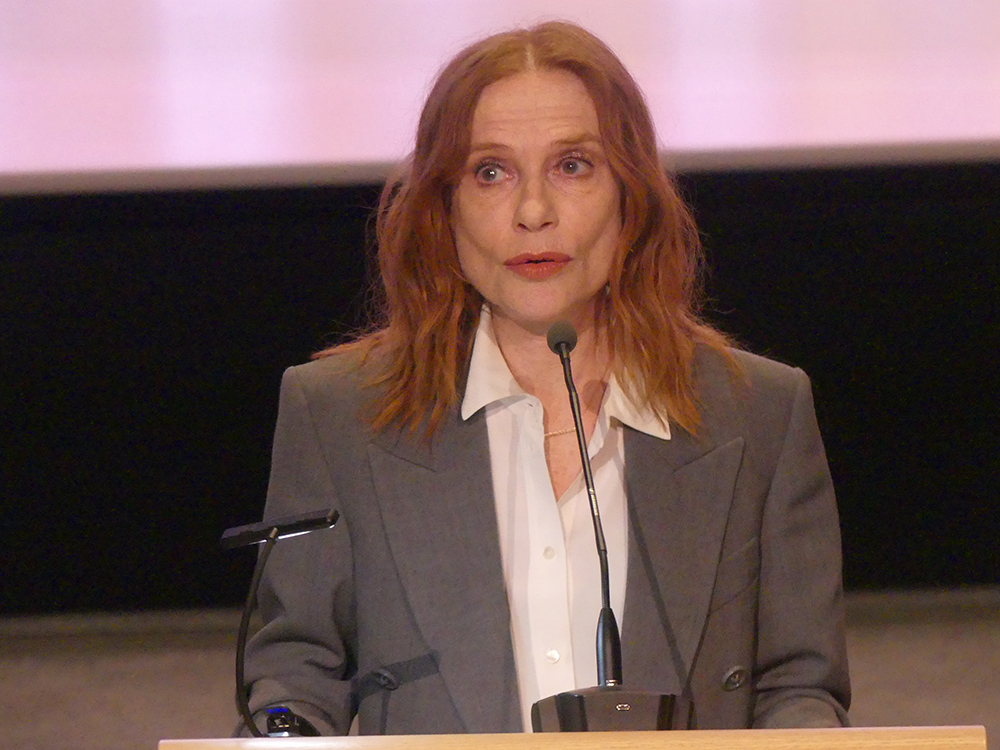
Our media outlet was thus able to cover the red carpet, the press conference, and the official opening ceremony, in an atmosphere blending Parisian elegance, a passion for cinema, and fascination with the spectacular evolution of modern Chinese cinema. Among the personalities in attendance were directors Anne Fontaine and Jean-Jacques Annaud, both ambassadors for this edition, as well as actress Isabelle Huppert, the festival’s guest of honor, whose international career perfectly symbolizes this artistic exchange between cultures. The opening ceremony also featured Ardavan Safaee, president of Pathé Films and co-president of the Chinese Film Festival in France, accompanied by Deng Li, Chinese ambassador to France, Qin Zhengui, Deputy Director General of the State Administration of Press, Publication, Radio, Film and Television of China and Director of the China Film Archive, Olivier Henrard, Acting President of the CNC, Daniela Elstner, Executive Director of Unifrance, as well as director, screenwriter, and producer Jia Zhangke, a leading figure in contemporary Chinese auteur cinema. This prestigious opening concluded with a preview screening of Zhang Yimou’s film Scare Out, a futuristic spy thriller shot in Shenzhen starring Jackson Yee and Zhu Yilong, which is already establishing itself as one of the Asian cinematic events of the year.
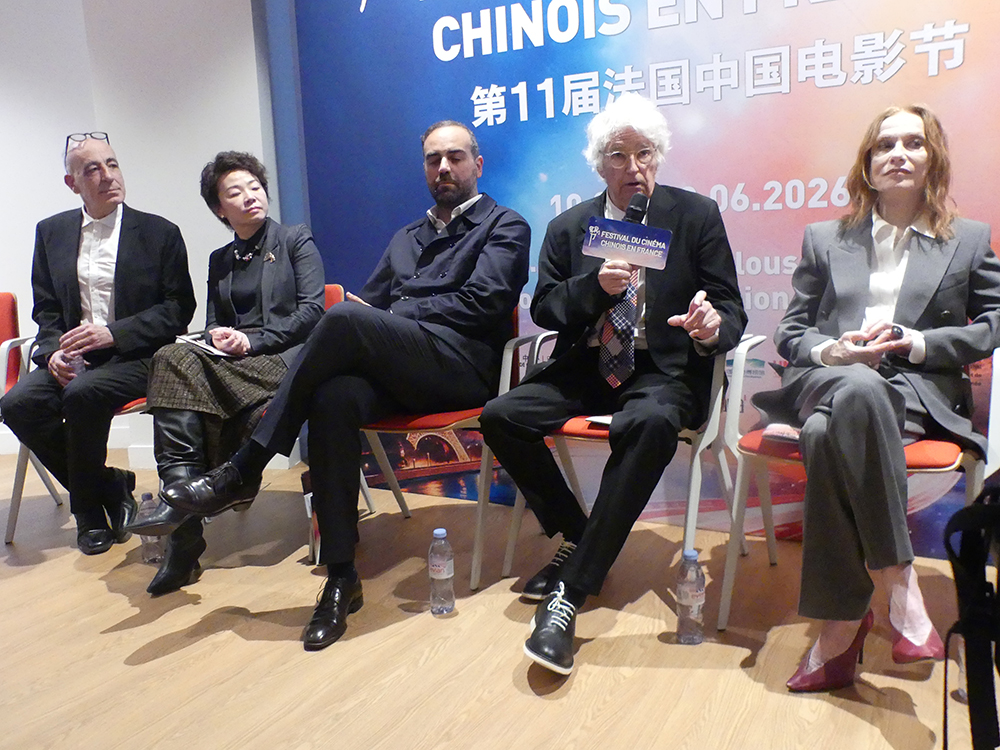
Founded in 2011, the Chinese Film Festival in France has gradually established itself as a major cultural platform designed to bring the French and Chinese film industries closer together, while also introducing the European public to the diversity of a cinema still too often reduced to a few iconic works. This 11th edition, taking place from May 10 to June 30, 2026, in a dozen cities across France and its overseas territories, perfectly illustrates this ambition for openness and cultural exchange. Paris remains, of course, the symbolic heart of the festival, with screenings organized at the Pathé Palace, the Pathé Les Fauvettes, the Jérôme Seydoux-Pathé Foundation, and the Christine Cinéma Club; however, the event also travels to Strasbourg, Lyon, Brest, Toulouse, Marseille, Cannes, and Montargis, not to mention, for the first time, New Caledonia and Réunion. This nationwide expansion reflects a clear goal: to bring Chinese cinema out of specialized circles and reach a much wider audience, ranging from Asian cinema enthusiasts to those simply curious about various genres such as thrillers, animation, documentaries, science fiction, and historical dramas.

The festival is co-organized by the Chinese Cultural Center in Paris, the Chinese Film Administration, and the Pathé Group, with support from the Chinese Film Archive, the National Film Museum of China, and the Jérôme Seydoux-Pathé Foundation, under the auspices of the Chinese Embassy in France, the French Ministry of Culture, the CNC, and Unifrance. This Franco-Chinese institutional collaboration illustrates the growing importance of cinema as a diplomatic and cultural tool in relations between the two countries. The 2026 program impresses with its eclecticism and its clear commitment to showcasing all facets of contemporary Chinese cinema. The “New Releases” section is naturally the main attraction, featuring several films making their French debut. In addition to Zhang Yimou’s *Scare Out*, which blends high-tech espionage and neon aesthetics in an ultra-modern Shenzhen that at times evokes certain international cyberpunk productions, audiences will also be able to discover *The Lychee Road*, a historical comedy set during the Tang Dynasty centered on an absurd mission to deliver fresh lychees to the imperial court in less than three days—a concept that almost seems to foreshadow a logistical satire ahead of its time.
The drama Like a Rolling Stone, inspired by the true story of Su Min—a woman who became famous on Chinese social media after leaving her husband at age 56 to travel across China alone by car—represents another major trend in recent Chinese cinema: more intimate narratives centered on individual empowerment and contemporary social upheavals. Viva la Vida, for its part, explores the human bonds between two young patients, while Shenzhou 13, the first documentary filmed in 8K from space, attests to the growing technological ambition of Chinese productions. Animation is also in the spotlight with Curious Tales of a Temple, a visual anthology from Light Chaser Animation studios featuring six directors and six distinct graphic styles—further proof that Chinese animation now seeks to compete artistically with major international studios. Regular festival-goers still remember the critical success of Chang’an at the previous edition, which further heightens anticipation for this ambitious new offering.
One of the major new features of this edition, however, is the spotlight on China’s cinematic heritage through a dedicated section devoted to restored classics. Seeing the 1934 film The Divine screened in its 4K restoration is a historic event for French film buffs, as the film starring the legendary Ruan Lingyu remains an essential work of world silent cinema. The festival is also screening the 1935 film *Children of Troubled Times*, a work less known to Western audiences but fundamental to Chinese cultural history, as its theme song would later become the Chinese national anthem. This work of restoration and heritage preservation demonstrates the extent to which Chinese cinema today seeks to celebrate its roots while asserting its modernity.
In the same vein, the documentary section explores powerful artistic figures and themes, notably with a trilogy dedicated to the Franco-Chinese painter Zao Wou-Ki, a documentary on the composer Chen Qigang, and *The Forgotten City of the Ming Dynasty* directed by the French filmmaker Stéphane Bégoin. This program perfectly illustrates how the festival seeks to build cultural bridges between France and China. Beyond the screenings, the festival also features a major exhibition titled “A Century of Memories from the Big Screen, Two Decades of New Cinematic Chapters—A Journey Through 120 Years of Light and Shadow in Chinese Cinema,” held at the Chinese Cultural Center in Paris from May 19 to July 19, 2026. Through rare posters, historical archives, and photographs, this exhibition aims to trace the evolution of Chinese cinema from its beginnings to its contemporary boom.
This retrospective perspective seems particularly relevant at a time when Chinese cinema is undergoing a spectacular transformation, both economically and artistically. Long perceived primarily through the works of iconic filmmakers such as Zhang Yimou, Jia Zhangke, and Wong Kar-wai, contemporary Chinese cinema has now diversified in an impressive way, capable of producing everything from futuristic blockbusters to intimate works and ambitious visual experiments. This diversity is precisely what the festival seeks to convey to the French public, with a focus on cultural exchange rather than mere promotional display. With a wide range of genres—from thrillers to space documentaries, from social dramas to experimental animation—this 2026 edition confirms that modern Chinese cinema can no longer be reduced to a single artistic identity.
The opening of this 11th edition also underscored the growing importance of ties between the French and Chinese film industries. The presence of figures such as Jean-Jacques Annaud, whose career has long maintained close ties with China thanks in particular to *Seven Years in Tibet* or *The Last Wolf*, as well as that of Anne Fontaine, underscores French filmmakers’ continued interest in this artistic dialogue. As for Isabelle Huppert, her status as guest of honor serves as a reminder of just how much the French actress remains a respected figure at major international festivals and among Asian audiences. Her presence at the Pathé Palace was particularly notable on the red carpet, drawing numerous photographers and film enthusiasts who had come to attend this prestigious opening night.

In a global context where cultural industries are constantly seeking new bridges and new markets, the Chinese Film Festival in France appears more than ever as a strategic space for artistic, diplomatic, and economic encounters. And judging by the enthusiasm of the audience at the Pathé Palace for this particularly elegant and ambitious opening night, this 11th edition could well be one of the most significant in the festival’s history.
You can discover our photos in our Flickr page : red carpet , press conference, opening ceremony
Photos and 4K video: Boris Colletier / Mulderville