

SDCC 2026: Beyond the Major Booths
SDCC 2026: Beyond the Major Booths, Comic-Con’s Creative Heart Still Thrives
Wednesday 22 July, 11:00 PM PT San Diego Convention Center, 111 W. Harbor Drive 2026-07-22 → 2026-07-26
The biggest installations supplied many of San Diego Comic-Con 2026’s most shareable images, but the Exhibit Hall told a wider story. Beyond the major studios and dominant toy brands, independent publishers, artists, specialist retailers, collectors, craftspeople and fan organizations turned the San Diego Convention Center into a dense map of popular culture. The spectacle mattered; so did the quieter pleasure of finding a comic, print or object that had not already been promoted across every screen.
Held from July 23 to 26 after Preview Night on July 22, the 57th Comic-Con again demonstrated that the floor is not a single attraction but an ecosystem. A visitor could leave an elaborate corporate display and, within a few steps, reach a creator working from half an eight-foot table in Artists’ Alley or an independent publisher occupying a six-foot Small Press table. That abrupt change of scale is not a flaw in the experience. It is one of the convention’s defining rhythms.
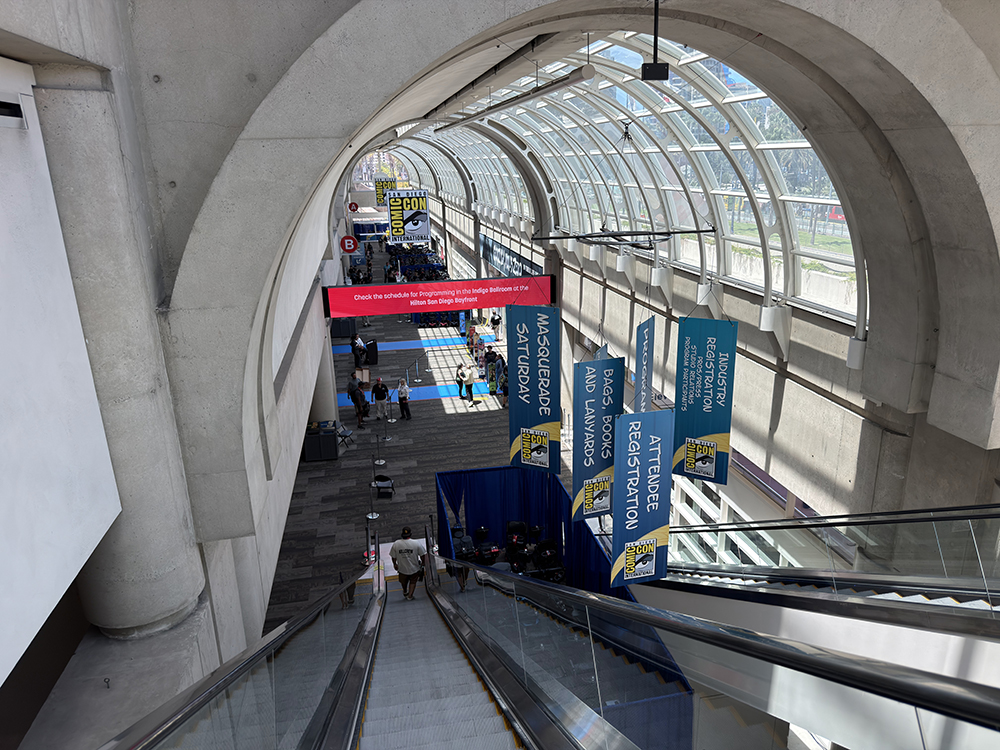
A 615,701-Square-Foot Landscape Built for Discovery
The San Diego Convention Center lists 615,701 square feet of total exhibit-hall space, with halls positioned on the ground level and meeting rooms above. During Comic-Con, that footprint becomes a tightly organized landscape of booths, dealers’ tables, signing points and retail counters. The broad central aisles absorb the heaviest traffic, while side routes reward slower exploration with publishers, galleries, independent creators and highly specialized vendors.
Comic-Con’s own exhibitor specifications reveal how the floor’s visual contrasts are produced. A standard booth begins as a 10-by-10-foot unit and can be combined into a larger installation; a dealers’ or fan-club table is eight feet long; Small Press receives a six-foot table; and an Artists’ Alley participant works from half of an eight-foot table. The smallest footprints can therefore create the most direct encounters: no stage, giant screen or timed activation, just books or artwork and the person responsible for them.

Independent Publishers Keep Comics at the Center
Away from the most recognizable entertainment brands, publishers used the hall to place books directly in readers’ hands. Horror, science fiction, fantasy, crime, memoir, translated work and experimental graphic storytelling could sit within the same browsing journey. Collected editions and new issues offered an editorial counterpoint to the convention’s larger promotional machinery, while signings and informal recommendations made discovery feel personal rather than algorithmic.
Small Press Turns a Table into a Launchpad
Comic-Con reserves its Small Press area for independent artists and publishers, with places awarded through a juried selection process. That curatorial structure helps explain the section’s variety. First issues could appear beside long-developed series, handmade editions, illustrated books, magazines and projects whose unusual dimensions or tiny print runs would be difficult to position in a conventional shop.
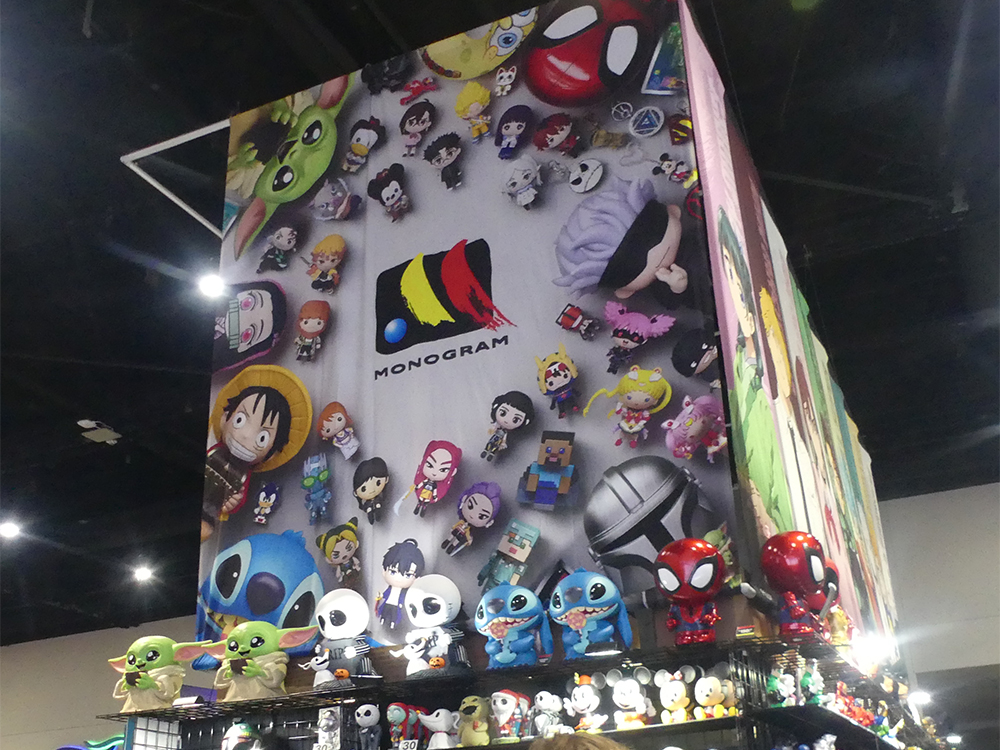
Artists’ Alley Makes Creative Labor Visible
Artists’ Alley brought established professionals together with independent illustrators, concept artists and emerging talent. Original pages, prints, commissions, sketchbooks and signed pieces turned each table into a compact statement of style. Traditional superhero drawing shared the area with manga influences, animation, fantasy, horror, caricature and personal experimentation, giving visitors a cross-section of contemporary visual storytelling.
Its deeper appeal was the visibility of the work. Attendees could see an artist drawing, discuss materials and influences, or request a personalized commission. That direct contact restored intimacy inside a building filled with enormous crowds. Original art also offered collectors an alternative to mass-produced merchandise, while aspiring professionals could observe that a career in comics or illustration has many routes—and often begins with the discipline required to make a very small space communicate clearly.
Collectibles Without the Mega-Booth Queue
Specialist dealers and smaller collectible companies extended the hunt well beyond the convention’s headline manufacturers. Art toys, resin pieces, enamel pins, plush creations and limited figures appeared alongside vintage toys, imported merchandise, animation memorabilia, back issues and trading cards. Some displays functioned like miniature archives, assembling decades of popular culture within a few shelves or glass cases.
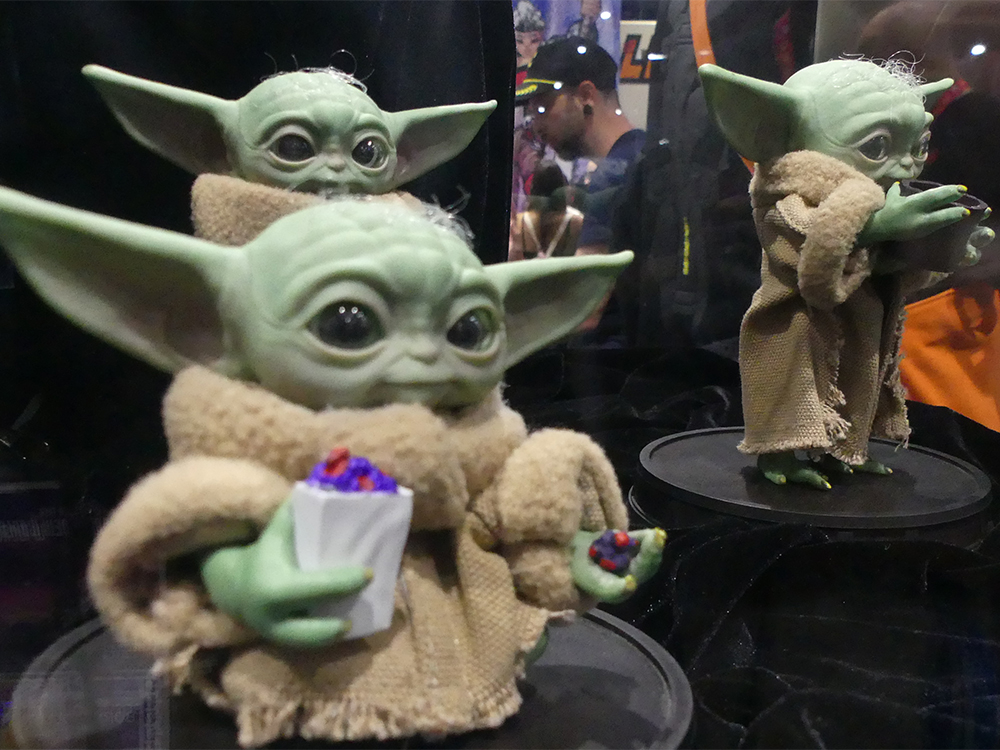
Fan Tables Show That Fandom Is Participatory
Fan tables offered a deliberate change of pace from retail. Clubs, historical groups, cultural organizations and nonprofits used these spaces to organize meetings, preserve franchise histories, promote community work and introduce attendees to activities continuing throughout the year. Their scale was modest, but their contribution to the atmosphere was substantial.
Navigating the San Diego Convention Center
The venue stands at 111 W. Harbor Drive between San Diego Bay and the Gaslamp Quarter, with Petco Park nearby. The building has ground, mezzanine and upper levels; the glass-covered Sails Pavilion is among its most recognizable interior spaces. Public Exhibit Hall hours in 2026 were 6:00 p.m.–9:00 p.m. Wednesday, 9:30 a.m.–7:00 p.m. Thursday through Saturday, and 9:30 a.m.–5:00 p.m. Sunday. Preview Night required the corresponding badge option.
Accessibility features documented by the venue include braille signage, automatic entrance doors, accessible drinking fountains and elevators connecting the principal levels. Comic-Con’s Deaf and Disabled Services operated from Lobby A, with specific elevators identified for upper-level access. Attendees needing assistance were advised to consult the event’s current procedures rather than assume that every accommodation followed the same route or queue.
Transport planning remained essential. The MTS Green Line serves both Convention Center and Gaslamp Quarter stations directly beside the venue. Comic-Con also operated free 2026 shuttle routes connecting downtown, Mission Valley and hotels near the airport, beginning on Preview Night and continuing through Sunday. Parking demand around the event made trolley, bus, rail connections, walking and the official shuttle network more practical than driving for many visitors.
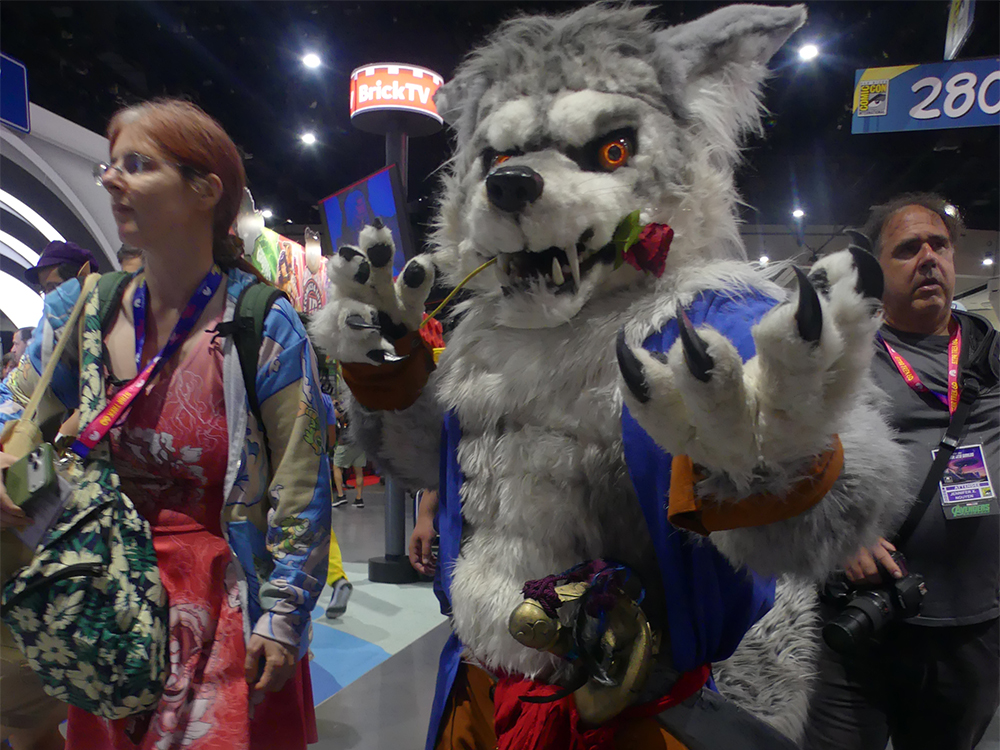
Why the Smaller Booths Still Matter
The largest booths generated the loudest attention, but they represented only one layer of SDCC 2026. Independent publishers introduced unfamiliar stories; artists sold directly to the public; specialist dealers protected the material history of fandom; and clubs converted enthusiasm into year-round communities. Together, they made almost every aisle capable of producing an unexpected encounter.
That wider ecosystem remains essential to understanding Comic-Con. It is a global entertainment showcase, but it is also a meeting place for creators, readers, collectors and fans. The floor’s most enduring lesson is that scale and impact are not the same thing: a carefully arranged six-foot table, or half of an eight-foot one, can sometimes leave a stronger memory than the convention’s most expensive construction.
You can found our photos in our Flickr page
Photos : Boris Colletier / Mulderville