

Belmondo, the Magnificent: A French Cinema Icon in Paris
Belmondo le magnifique Exhibition : Inside the Life and Legend of Jean-Paul Belmondo
Monday 5 October, 9:00 AM PT Paris, Cinémathèque française, 51 rue de Bercy 2026-10-05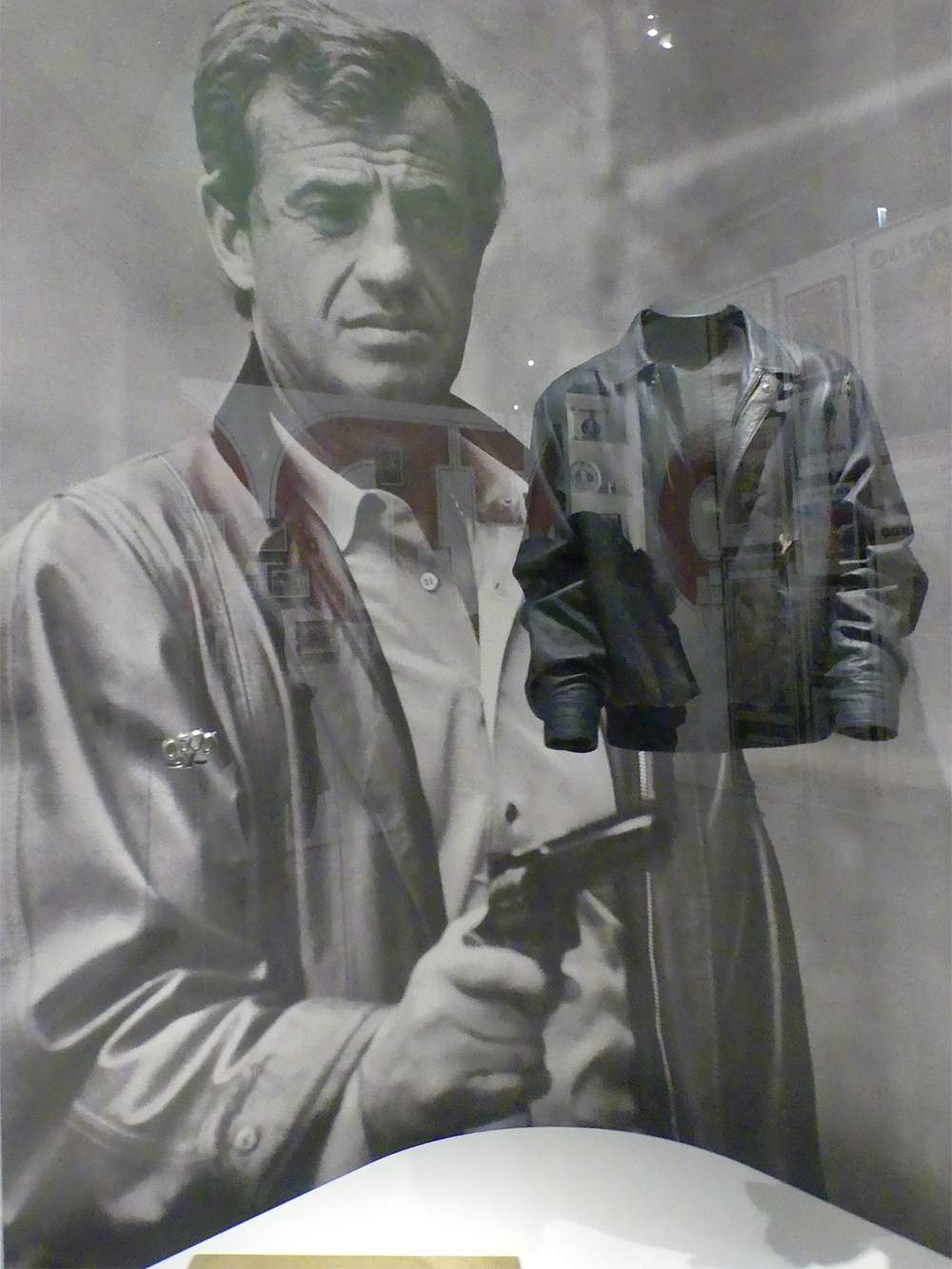
The Cinémathèque française is making Jean-Paul Belmondo one of the centrepieces of its 2026-2027 season with Belmondo, le Magnifique, a major exhibition running from October 7, 2026 to January 31, 2027. Produced by the Cinémathèque and curated by Clémentine Deroudille, the show presents the actor not simply as a beloved celebrity but as a performer whose freedom, physicality and instinct helped reshape the image of the modern French screen hero. The institution describes a career of around 90 films in which comedy, drama and action continually overlapped, carried by the same mixture of audacity, charm, athletic energy and unmistakable pleasure in acting.
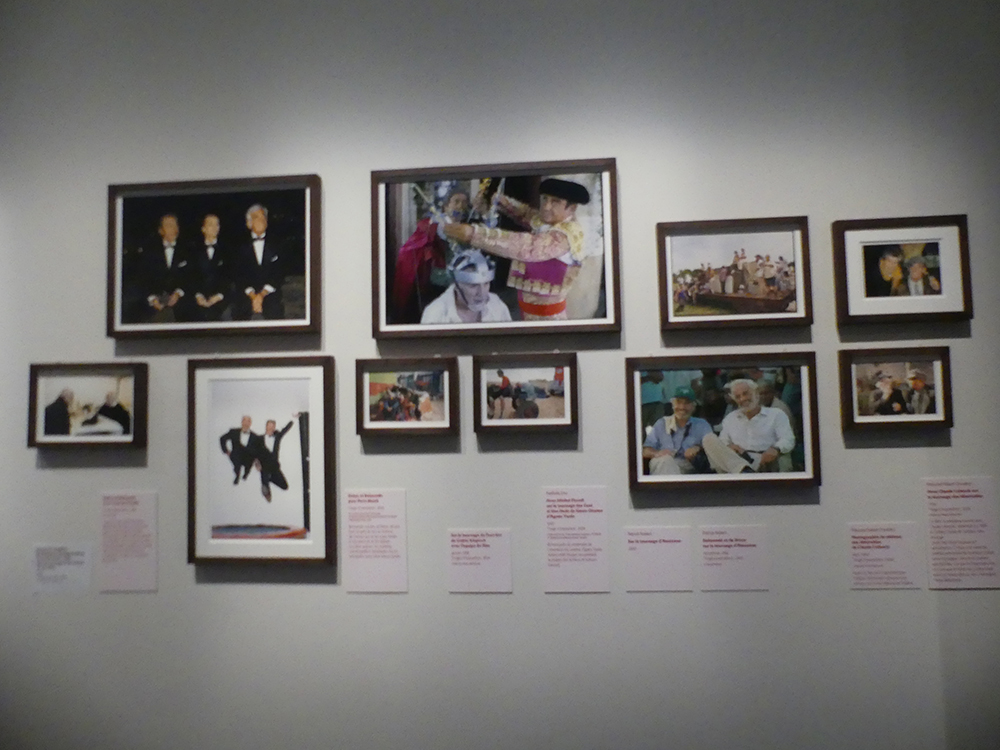
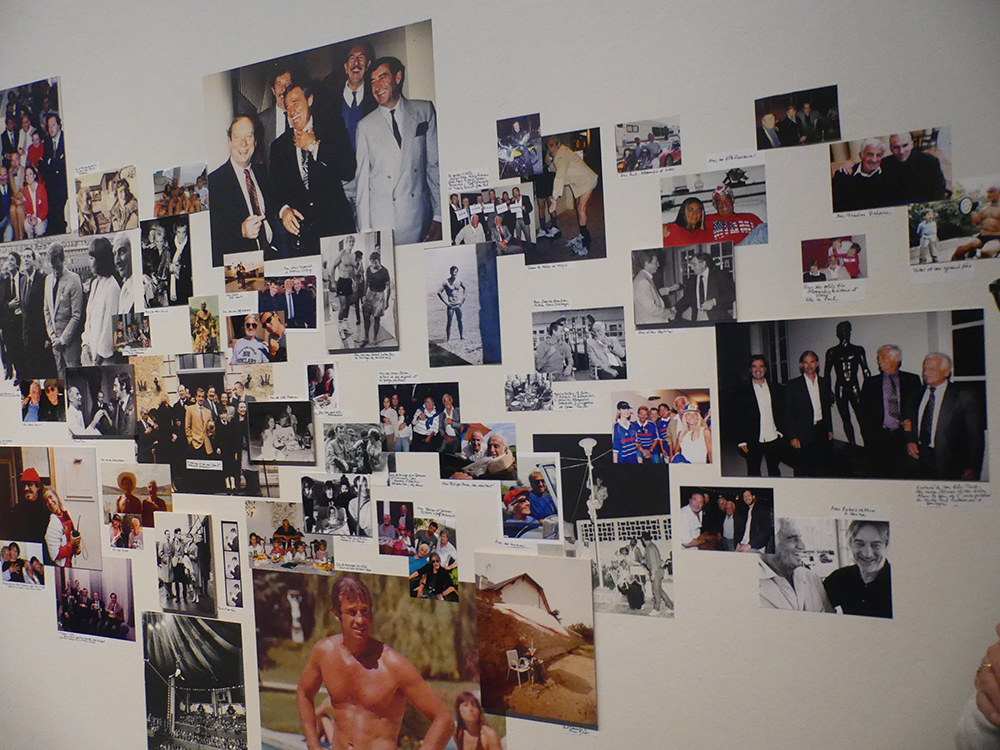
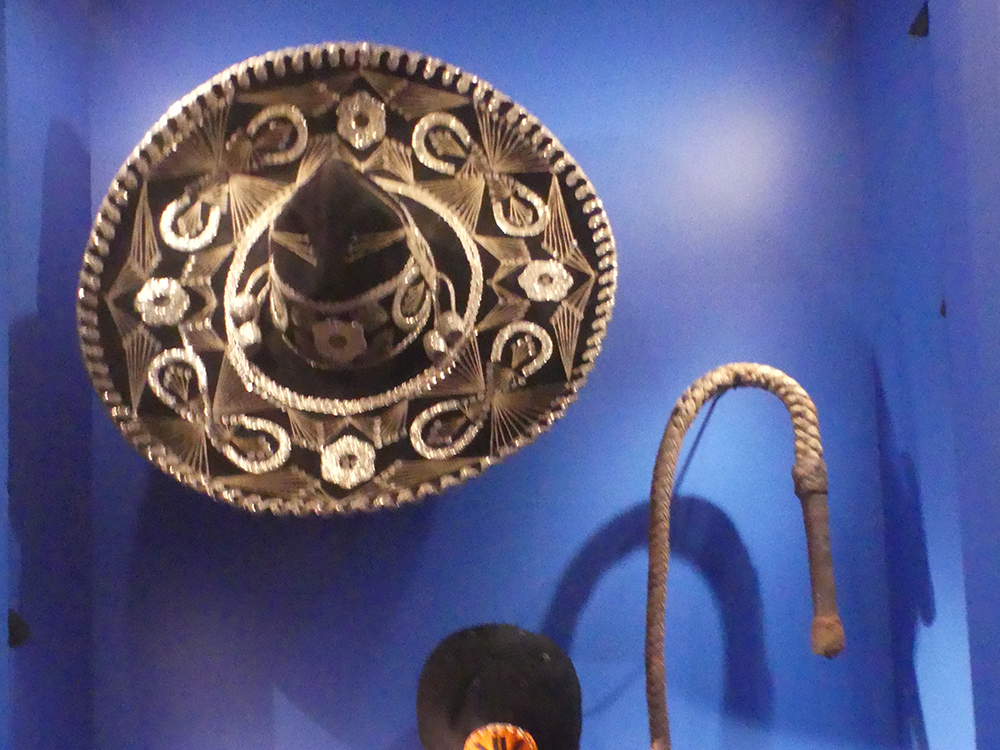
The exhibition draws on personal archives, posters, costumes, previously unseen photographs and numerous film excerpts. Its most intimate dimension comes from the Belmondo family itself. For the first time since his father’s death in 2021, Paul Belmondo has opened family archives containing photo albums, correspondence and production images. The official exhibition catalogue, published by Albin Michel with the Cinémathèque française under the direction of Clémentine Deroudille, extends that approach across 272 pages and includes 200 rare or previously unpublished photographs and documents. Testimonies by Stella Belmondo, Paul Belmondo and Victor Belmondo help shift the focus from the public icon towards the man behind the mythology.
From an unruly student and boxer to the face of the French New Wave
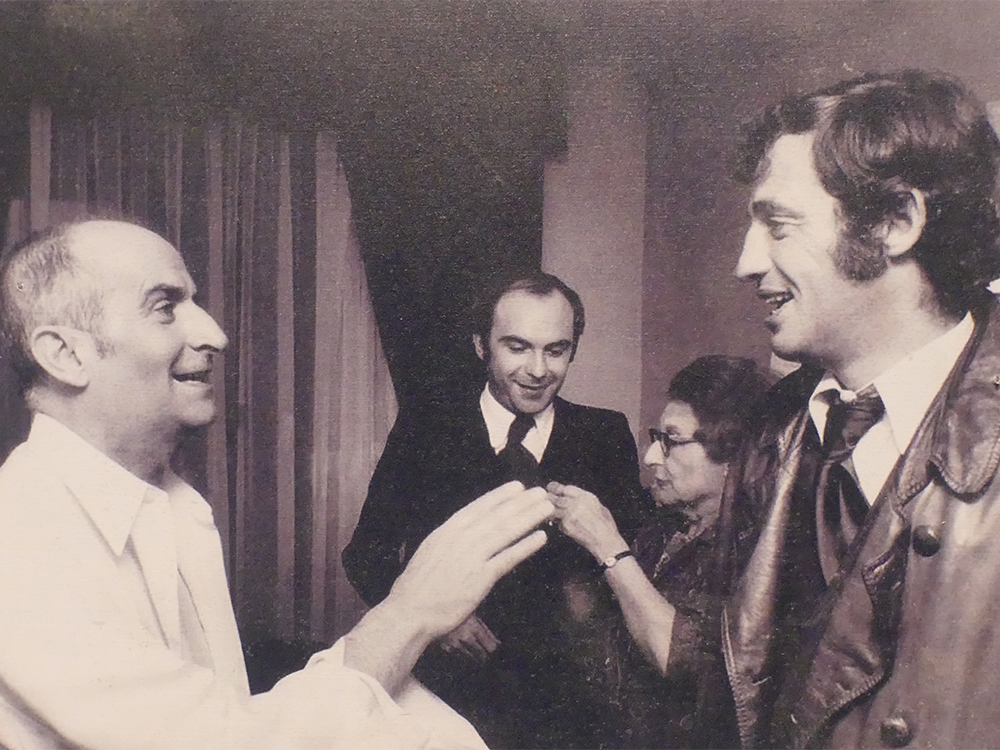
Born in Neuilly-sur-Seine on April 9, 1933, Jean-Paul Belmondo grew up in an artistic household: his father Paul Belmondo was a sculptor and his mother Madeleine Rainaud-Richard a painter. Before acting took over, sport was fundamental. He played football and boxed, experiences that would later become inseparable from his relaxed but intensely physical screen presence. His route into acting was hardly the story of an obvious establishment favourite. At the Conservatoire national supérieur d’art dramatique, he became part of a remarkable generation and formed lasting friendships with Jean Rochefort, Jean-Pierre Marielle, Bruno Cremer and Pierre Vernier, even as some teachers remained sceptical about his prospects as a conventional leading man.
Cinema turned that supposed disadvantage into a revolution. After early screen work, Jean-Luc Godard placed Jean-Paul Belmondo opposite Jean Seberg in À bout de souffle (1960). Michel Poiccard’s insolence, humour and looseness instantly made Belmondo one of the defining faces of the French New Wave and brought him international recognition. Yet what followed is essential to understanding the exhibition: he never allowed that breakthrough to become a cage. He worked with filmmakers as different as Claude Sautet, Jean-Pierre Melville, Vittorio De Sica, Henri Verneuil, François Truffaut, Claude Chabrol, Alain Resnais and Claude Lelouch, moving from gangsters and romantic leads to adventurers, comic anti-heroes and wounded dramatic figures.
Philippe de Broca and the invention of the Belmondo adventure
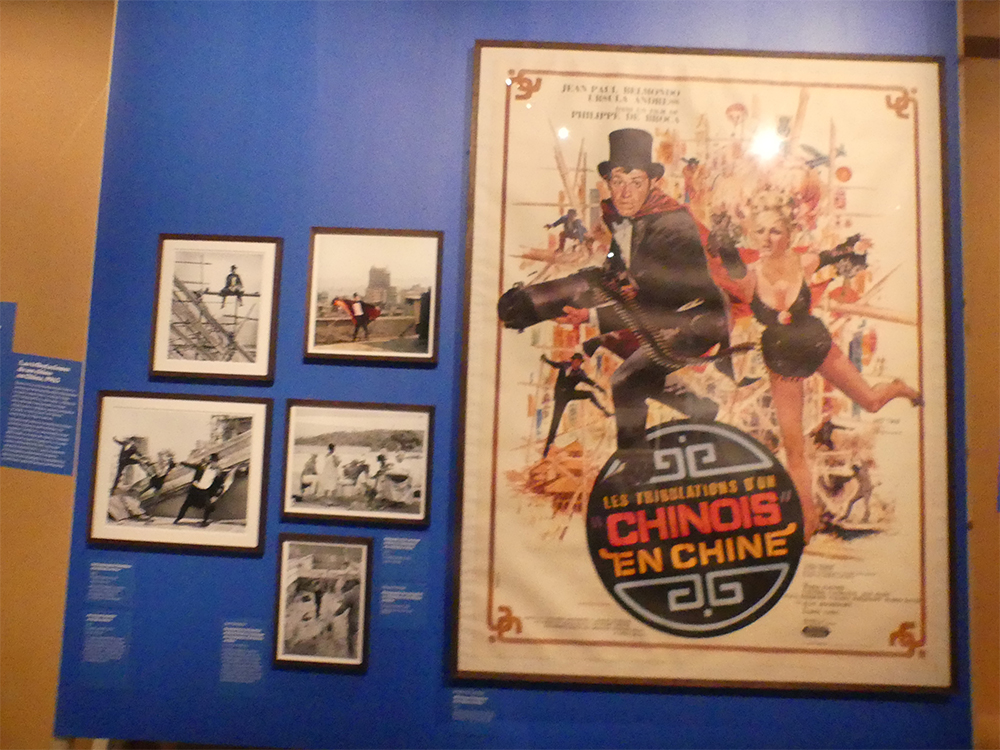
Among his most important creative partnerships was the one with Philippe de Broca. Cartouche (1962), L’Homme de Rio (1964), Les Tribulations d’un Chinois en Chine (1965), Le Magnifique (1973) and L’Incorrigible (1975) exploited an unusually complete performer: Belmondo could make a stunt funny, turn comedy into action and move from irony to sincerity without slowing the film down. L’Homme de Rio became one of the clearest demonstrations of this combination, using his athleticism within a breathless adventure structure while preserving the improvisational energy associated with his earlier work.
Le Magnifique pushed the relationship between actor and persona even further. Jean-Paul Belmondo plays François Merlin, a struggling Parisian novelist, and Bob Saint-Clar, the ridiculously indestructible secret agent created in Merlin’s imagination. The double role allowed Belmondo to parody the invincible action hero at precisely the moment when his own popular image was becoming larger than life. That makes the film an especially intelligent choice to open the Cinémathèque retrospective: it is simultaneously a comedy, an adventure, a satire of genre cinema and a playful commentary on Belmondo himself.

The athletic actor who made danger part of his performance
Belmondo, le Magnifique pays particular attention to the physicality that distinguished Jean-Paul Belmondo from most stars of his generation. His willingness to perform demanding stunts was not merely a publicity hook; it became part of his acting language. In L’Homme de Rio, his body is constantly placed in motion. In Peur sur la ville (1975), directed by Henri Verneuil, the spectacle becomes still more vertiginous, with Belmondo performing dangerous sequences that reinforced his reputation as an actor willing to place himself physically inside the action rather than simply pose as an action star.
Paris itself now contains a permanent reminder of that mythology. In 2023, the Jean-Paul-Belmondo promenade was inaugurated on the Pont de Bir-Hakeim, a location associated with the celebrated Peur sur la ville sequence involving the elevated Métro. The exhibition translates this taste for risk into visitor experience as well as archive. Its playful interactive devices include telephones through which visitors can hear memorable dialogue, a musical quiz and a green-screen installation inviting them to imitate the stunt-performing Belmondo. These elements make the show more than a chronological display: they recreate something of the actor’s humour and physical exuberance.
From New Wave rebel to France’s great popular star
The exhibition’s broader value lies in showing that there were never simply two Belmondos — the prestigious New Wave actor and the commercial superstar — but a performer who carried the same irreverence between different kinds of cinema. During the 1970s and early 1980s, Jean-Paul Belmondo became one of the most dependable box-office names in France. Borsalino, Peur sur la ville, Flic ou Voyou, Le Guignolo, Le Professionnel, L’As des as and Le Marginal helped establish a form of star-driven popular cinema in which his name, face, humour and physical daring were themselves part of the promise to audiences.
He also increasingly controlled that image from behind the scenes. In 1971, Jean-Paul Belmondo founded Cerito Films and became more directly involved in producing his work. The shift helps explain why the exhibition’s posters and production material matter: they chart the transformation of an actor into a cinematic brand while also revealing the craft, collaborators and decisions behind that apparently effortless persona. His popularity did not erase his appetite for risk; rather, the risk moved between artistic registers, from the radical modernity of Jean-Luc Godard to large-scale entertainment and eventually back to theatre.
A return to the stage and another side of Belmondo
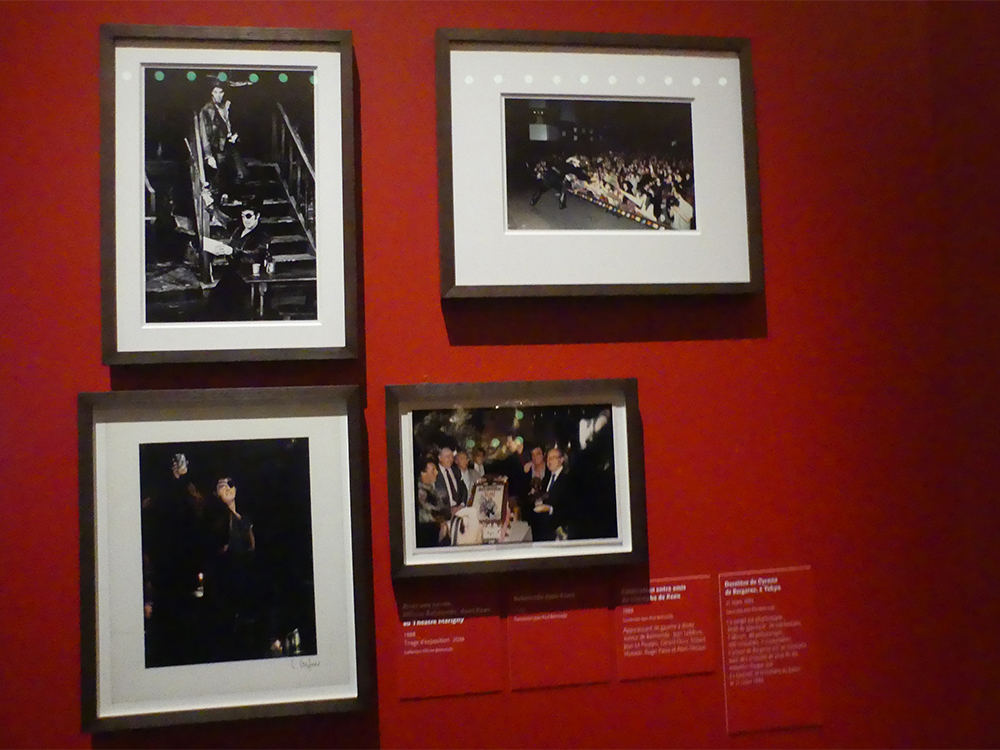
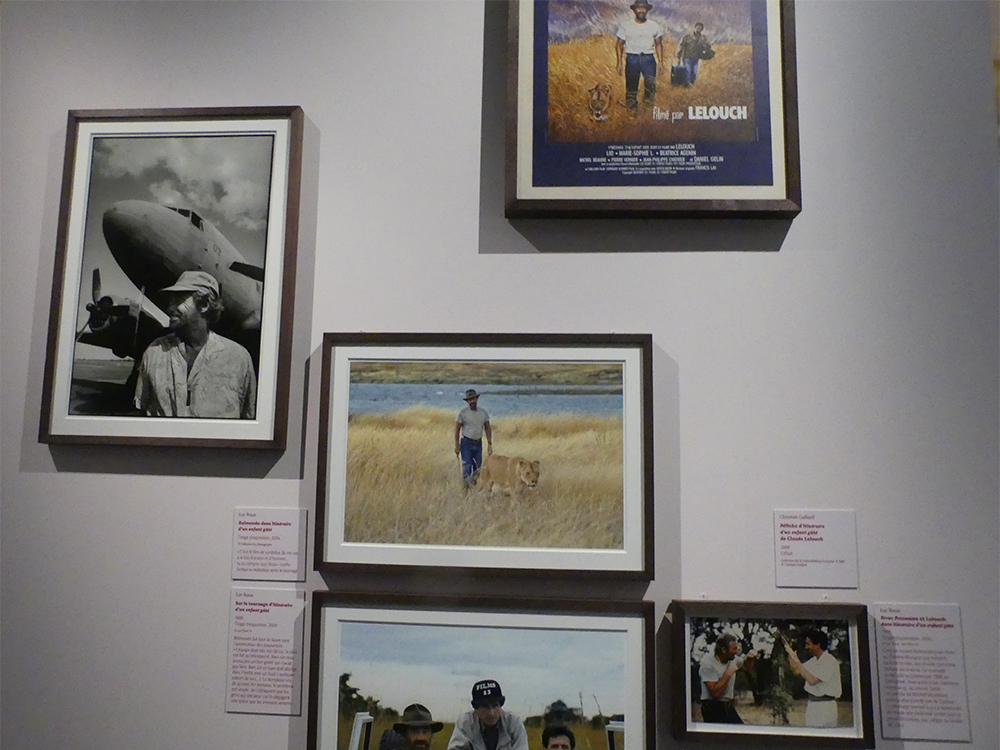
In 1987, after decades dominated by cinema, Jean-Paul Belmondo returned to the stage in Kean, directed by Robert Hossein. Theatre had been his first vocation, and the success reconnected him with a part of his identity sometimes obscured by the action-star mythology. He followed it with major stage work including Cyrano de Bergerac. In cinema, Claude Lelouch offered another decisive change of register with Itinéraire d’un enfant gâté (1988), whose central role gave Belmondo space for a more reflective performance. It earned him the César for Best Actor in 1989.
His later honours underline the extraordinary breadth of that career. Jean-Paul Belmondo received an honorary Palme d’Or at the Cannes Film Festival in 2011 and a Golden Lion for lifetime achievement at the Venice Film Festival in 2016. When he died in Paris on September 6, 2021, aged 88, France paid him a national tribute at Les Invalides. The ceremony’s use of Chi Mai, Ennio Morricone’s music forever associated in the public imagination with Le Professionnel, captured how deeply his films had entered French popular memory.
A retrospective that puts the films back at the centre
The exhibition is accompanied by a Jean-Paul Belmondo retrospective running from October 7, 2026 to January 31, 2027, allowing visitors to move directly from objects and archives to the films themselves. The opening screening takes place on October 7 at 8pm in the Salle Henri Langlois with Le Magnifique (1973), directed by Philippe de Broca, with Jacqueline Bisset and Vittorio Caprioli. The Cinémathèque lists the film in a 93-minute DCP presentation and describes its collision of espionage fantasy, pop comedy and everyday melancholy as one of the peaks of 1970s French popular cinema.
The programme also creates connections beyond individual screenings. On November 7, Le Magnifique returns alongside “Belmondo en musique, sans demi-mesure,” a conference by Stéphane Lerouge, offering another route into the actor’s screen identity through music. Meanwhile, the exhibition catalogue receives its own public event on November 15 from 5:30pm, when its authors are scheduled for a signing at the Cinémathèque française bookshop. Together, exhibition, screenings, talks and publication make the tribute considerably broader than a conventional museum retrospective.
Visiting Belmondo, le Magnifique at the Cinémathèque française
Belmondo, le Magnifique runs from October 7, 2026 through January 31, 2027 at the Cinémathèque française, 51 rue de Bercy, 75012 Paris. The exhibition is open Monday and Wednesday through Friday from 12pm to 7pm, and Saturday and Sunday from 11am to 8pm; it is closed on Tuesdays. During school holidays and public holidays, opening hours are 11am to 8pm, and the last admission is 45 minutes before closing. Standard admission is €14, admission for ages 18-25 is €11 and admission for visitors under 18 is €7. A reserved time slot is mandatory.
Guided visits take place on Saturdays and Sundays at 4:30pm and last 90 minutes; the Cinémathèque recommends them from age 15. The institution also offers a combined exhibition-and-film ticket, reinforcing the curatorial idea that the objects make most sense when they lead audiences back to Belmondo on screen. For younger adult audiences, the Cinémathèque’s Jeudis Jeunes programme also includes free evening access for eligible 18-25-year-olds and students with mandatory online registration.
Why Belmondo, le Magnifique matters
More than five years after his death, Jean-Paul Belmondo remains difficult to contain within a single definition. He could embody the formal rebellion of the New Wave and the pleasures of mainstream entertainment; he could be a gangster for Jean-Pierre Melville, a romantic figure for François Truffaut, an acrobat of adventure for Philippe de Broca, a hard-edged popular hero for Henri Verneuil, and later return to the stage with the authority of an actor rediscovering his beginnings. That range is precisely what gives the Cinémathèque exhibition its strongest argument.
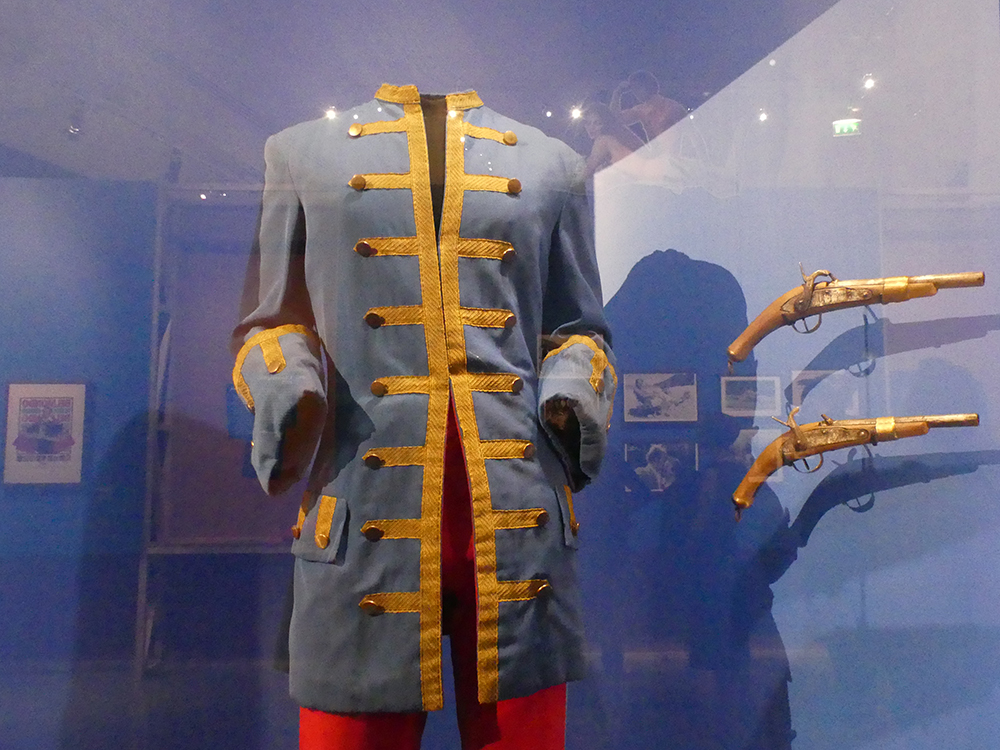
By placing family albums and correspondence beside costumes, posters, photographs and moving images, Belmondo, le Magnifique reconnects the manufactured star with the actor, athlete, son, father, collaborator and performer underneath. The result is designed not merely to generate nostalgia for “Bébel,” but to show how an unconventional young actor became one of the most recognisable figures in French cultural history — and why the freedom, humour and physical commitment of Jean-Paul Belmondo still feel unusually alive on a cinema screen.
Event recap
What : Belmondo, le Magnifique exhibition — family and personal archives, posters, costumes, rare and previously unseen photographs, documents and film excerpts devoted to Jean-Paul Belmondo.
Where : Cinémathèque française, 51 rue de Bercy, 75012 Paris, France.
When : October 7, 2026-January 31, 2027.
You can discover a selection of our photos in our Flickr page
Photos : Boris Colletier / Mulderville