

Les Misérables: Fred Cavayé unveils his epic new adaptation in Paris
Les Misérables: Fred Cavayé presents an ambitious new Victor Hugo adaptation in Paris
Tuesday 6 October, 2:30 PM PT Paris, Forum des Images, Salle 500 2026-10-06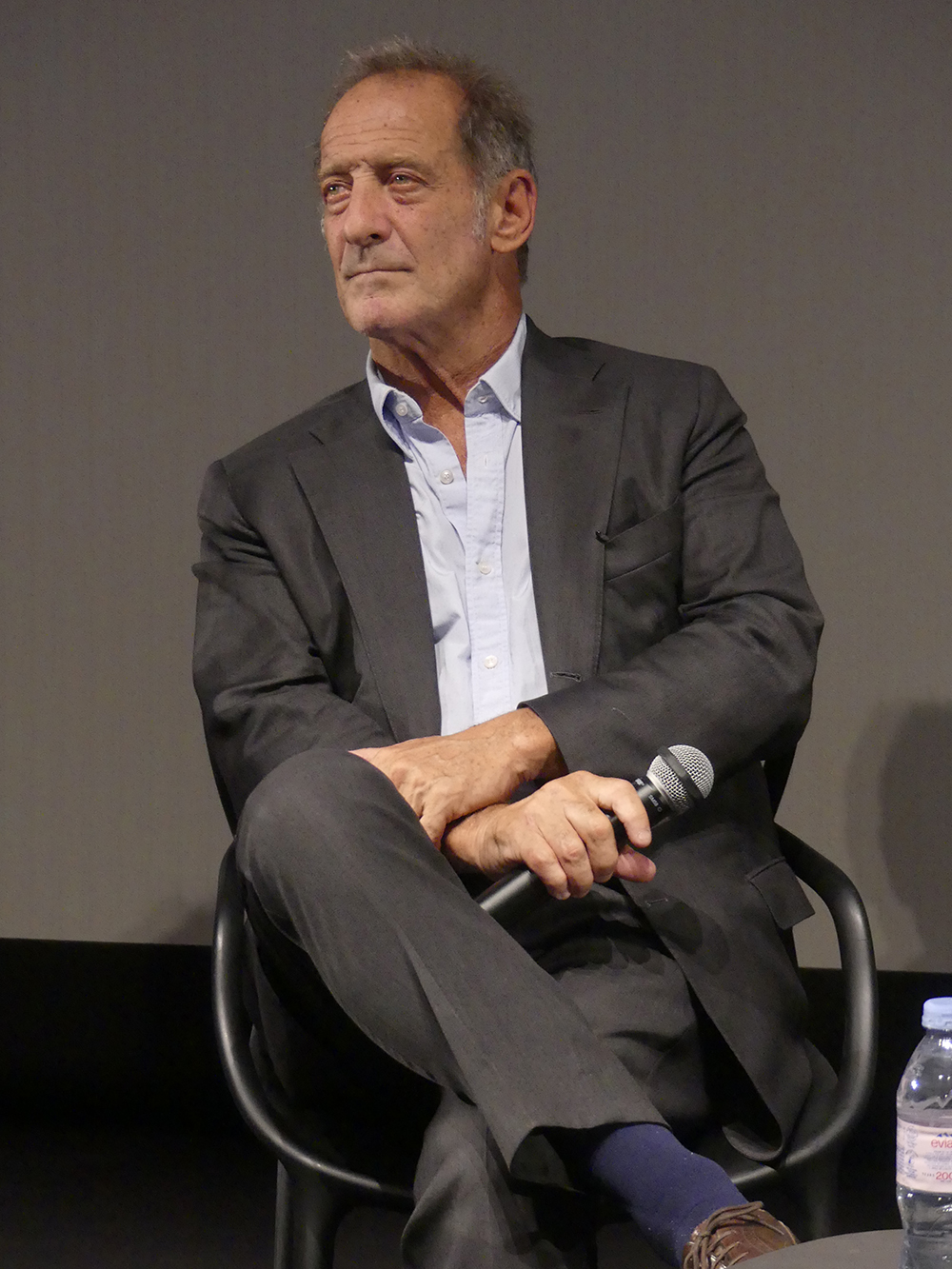
On October 6, our media outlet attended a private AlloCiné Club screening of Les Misérables at the Forum des Images, in Salle 500, Paris. The Club offers film enthusiasts the opportunity to discover upcoming releases, often followed by conversations with the filmmakers and cast. This session placed Fred Cavayé’s new adaptation of Victor Hugo’s monumental novel at the center of the evening, with the screening followed by an encounter featuring writer-director Fred Cavayé, Vincent Lindon and Camille Cottin. The timing was particularly significant: the event took place only eight days before the film’s French theatrical release on October 14, 2026.
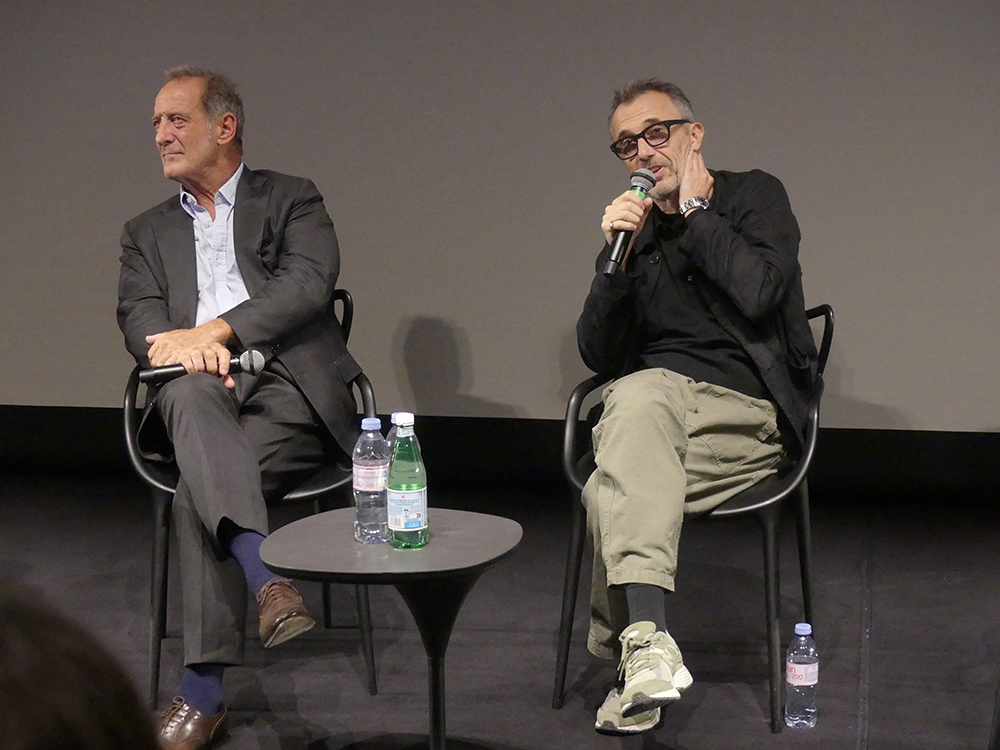
A 178-minute adaptation centered on Jean Valjean
Written and directed by Fred Cavayé, Les Misérables is a new French screen adaptation of Victor Hugo’s 1862 novel. Rather than treating the book simply as an untouchable monument of French literature, the film builds its dramatic momentum around Jean Valjean and the moral transformation that follows his release after 19 years of imprisonment for stealing bread. Vincent Lindon plays Valjean, while Tahar Rahim embodies Inspector Javert, the relentless representative of the law whose pursuit turns Valjean’s attempt at redemption into a lifelong struggle. The official San Sebastián Film Festival listing gives the film a running time of 178 minutes, underlining the scale of Cavayé’s approach.
The story follows Valjean as he reinvents himself under another identity and becomes a respected member of society. His path changes again when he encounters Fantine, played by Noémie Merlant, a dying factory worker whose daughter Cosette is being exploited by the Thénardier family. Valjean promises to protect the child and eventually raises her as his own, even as Javert continues to pursue him. Against a France marked by deep social unrest, the destinies of Valjean, Cosette, Marius and Javert converge in a Paris moving toward revolt. The result reconnects the intimate story of a man trying to become better with the broader political and social dimensions that have kept Hugo’s novel relevant for more than 160 years.
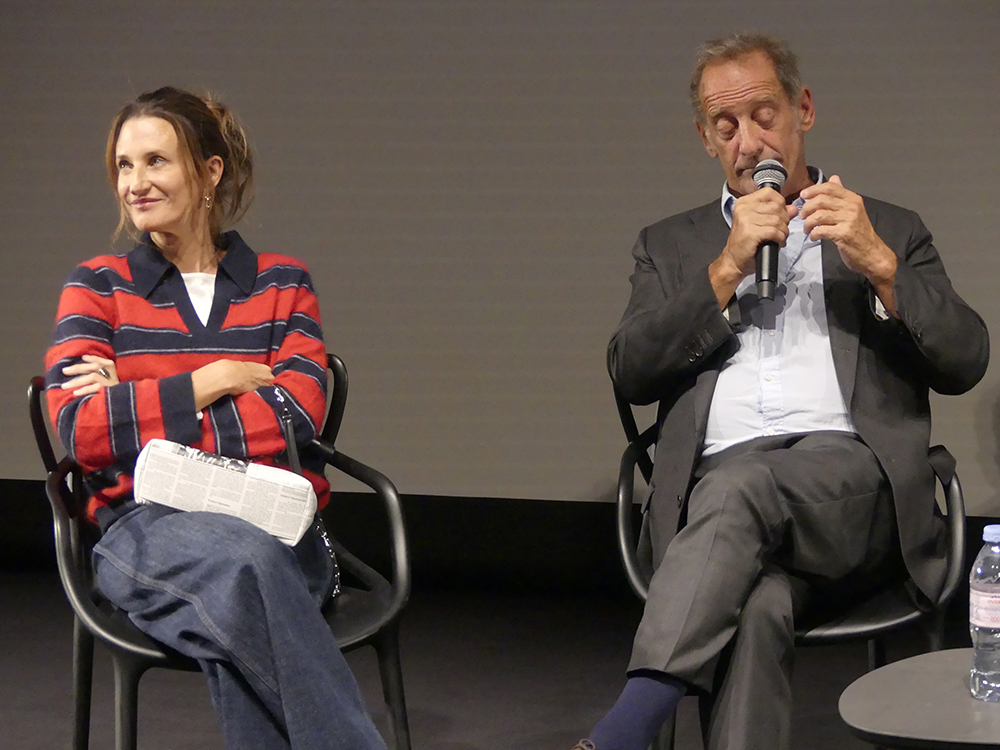
Vincent Lindon and Tahar Rahim lead a major French ensemble
The film brings together an unusually prominent French cast. Vincent Lindon stars as Jean Valjean opposite Tahar Rahim as Javert, with Noémie Merlant as Fantine. Camille Cottin and Benjamin Lavernhe play Madame and Monsieur Thénardier, while Megan Northam portrays Cosette and Vassili Schneider plays Marius. Marie Colomb also appears in the ensemble. The official San Sebastián credits additionally list Louis Peres. Behind the camera, Denis Rouden serves as director of photography, Mickael Dumontier handles editing and Christophe Julien composed the score. The production is led by Eskwad and Curiosa Films, with StudioCanal and TF1 Films Production among the co-production partners.
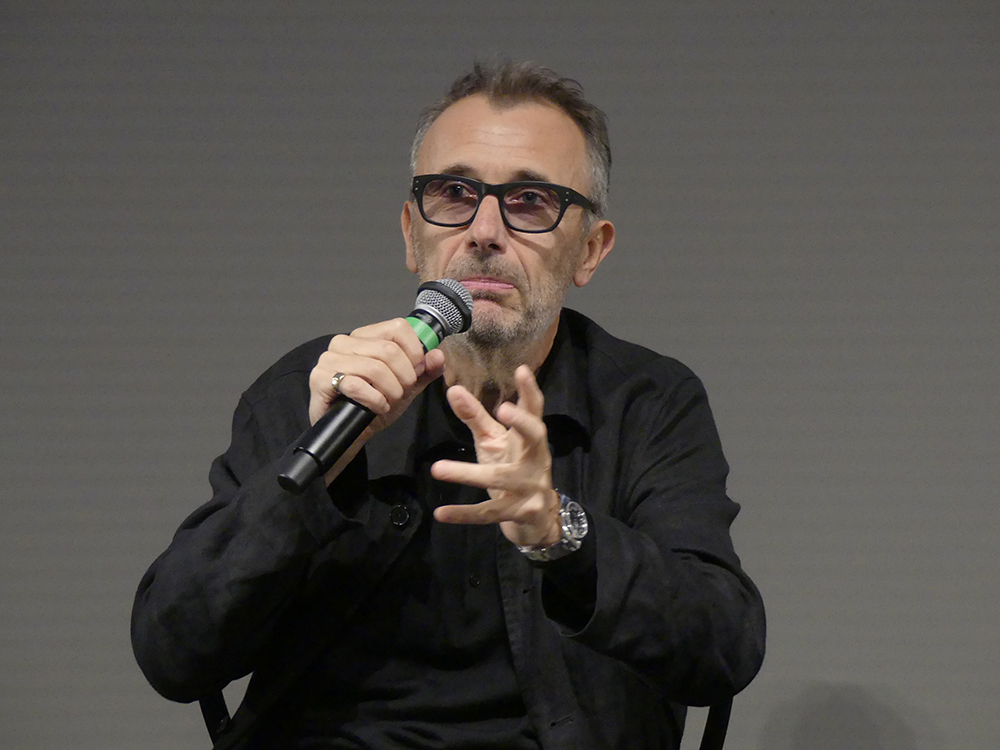
Fred Cavayé approaches Victor Hugo through spectacle and moral conflict
The project also fits a wider resurgence of large-scale French literary adaptations designed for the big screen. Fred Cavayé has described the production resources available to him in almost childlike terms, evoking the pleasure of working with extensive sets, extras and a high-profile cast. That sense of scale is visible in the film’s positioning as an epic historical drama, but its central engine remains the opposition between mercy and rigid justice. Jean Valjean is not simply escaping a policeman: he is attempting to prove, through his actions, that a human being cannot be permanently reduced to a past conviction. Javert, by contrast, is forced to confront the limits of a worldview in which law and morality are treated as identical.
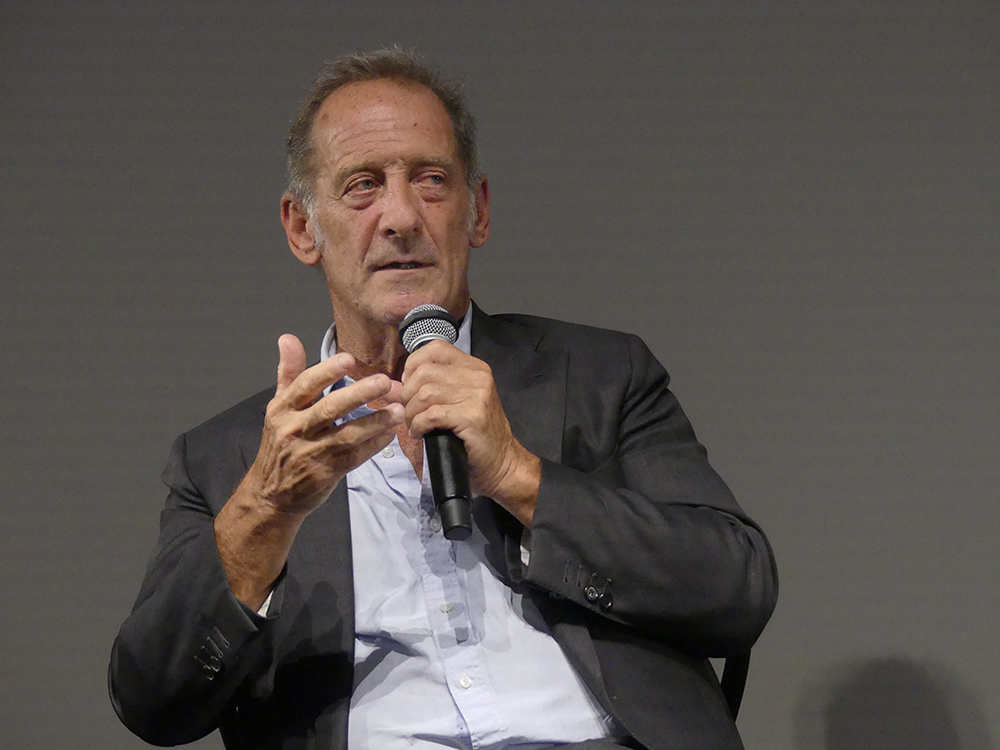
From Victor Hugo’s observations to a story that still speaks to the present
Victor Hugo drew Les Misérables from both history and observation. Among the real-life experiences associated with the novel was his witnessing of poverty, arrests and social inequality in nineteenth-century France. Jean Valjean was also partly informed by the extraordinary career of former convict Eugène François Vidocq, who later became a pioneering figure in French criminal investigation and private detective work. Hugo’s book moves far beyond a single protagonist, exploring poverty, punishment, childhood, faith, political unrest, family and social exclusion. Cavayé’s decision to foreground Valjean therefore gives the new film a clear emotional axis while retaining access to the much larger world surrounding him.
That balance matters because Les Misérables has been adapted repeatedly across cinema, television and the stage. The story has survived not because audiences need another illustration of a famous nineteenth-century plot, but because each generation can test itself against Hugo’s questions: what does society owe the poor, can punishment erase the possibility of change, and what happens when institutions value order more highly than compassion? Cavayé’s version arrives after a new wave of ambitious French historical productions and seeks to make those questions work within the scale and immediacy of contemporary event cinema.
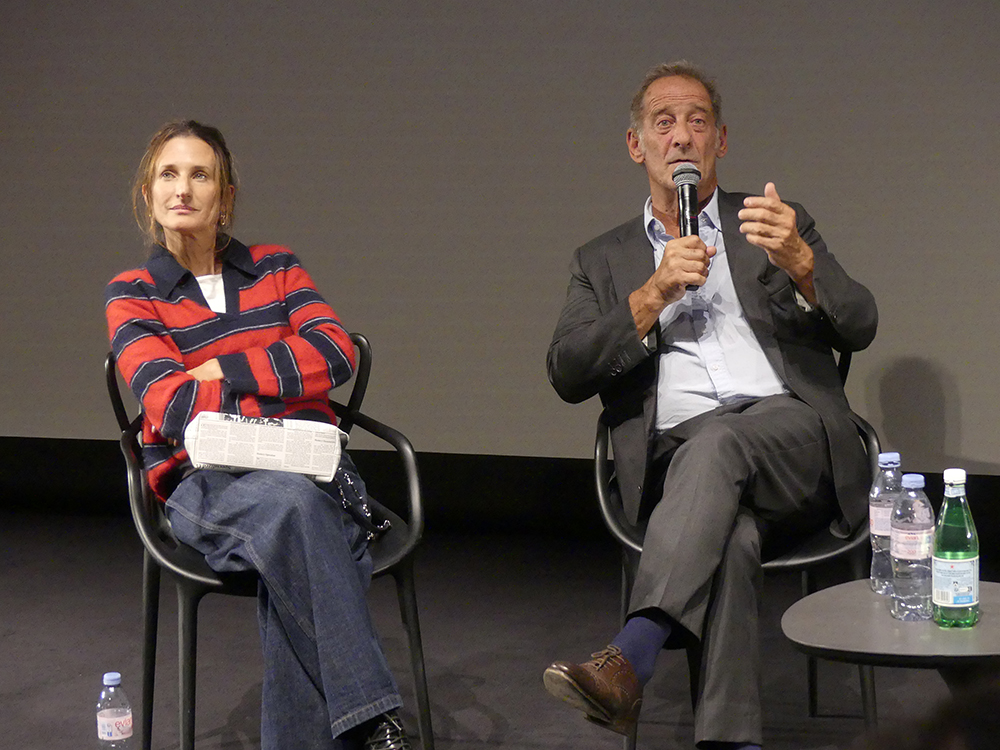
A festival journey before the October 14 release
Before reaching French cinemas, Les Misérables entered the international festival circuit. It was selected for the Official Selection competition at the 74th San Sebastián International Film Festival, where it was presented on September 18, 2026 and competed in the festival’s principal section. It subsequently appeared in the Gala Premieres program of the Zurich Film Festival. This festival exposure positioned the film internationally before StudioCanal’s French theatrical launch on October 14, 2026, while also emphasizing that Cavayé’s adaptation is being presented not merely as a familiar literary property, but as one of the season’s major French productions.
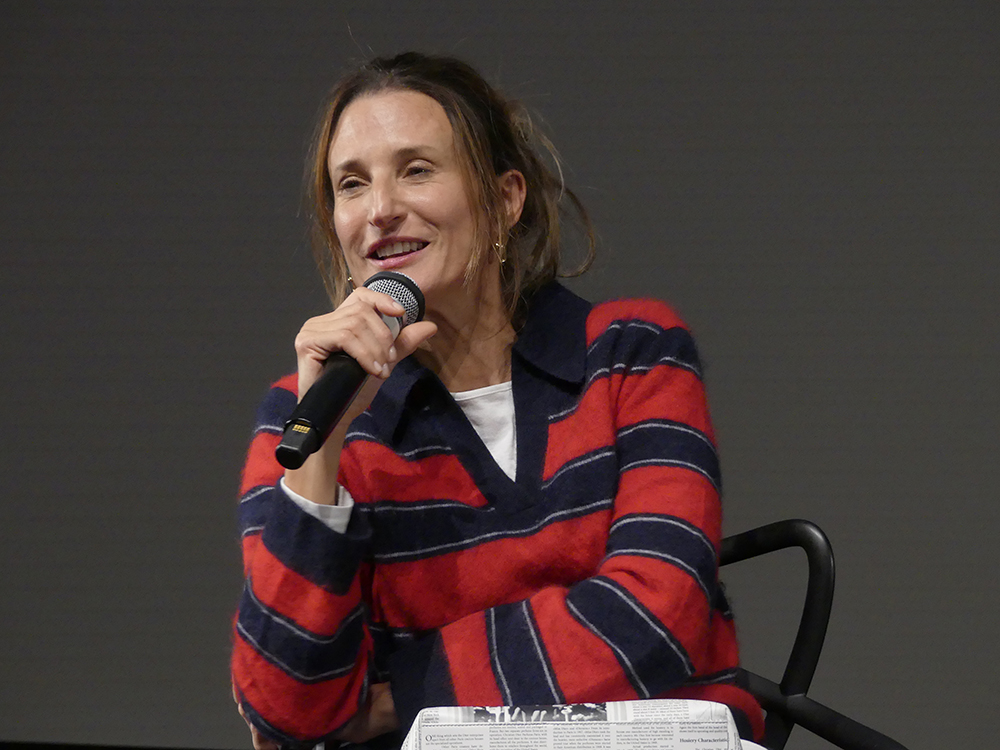
The Paris screening offered a final close-up before audiences discover the film
The October 6 AlloCiné Club screening at the Forum des Images therefore offered a particularly timely setting in which to discover the film: intimate enough for a post-screening exchange, but only days away from a nationwide release. The presence of Fred Cavayé, Vincent Lindon and Camille Cottin gave the evening an additional connection to the creative process behind this new incarnation of Hugo’s classic. For a story that has crossed more than a century and a half of publishing, theatre, cinema and television, Les Misérables once again returns to the screen with the same fundamental challenge: finding a contemporary cinematic language for a work whose central concerns remain stubbornly modern.
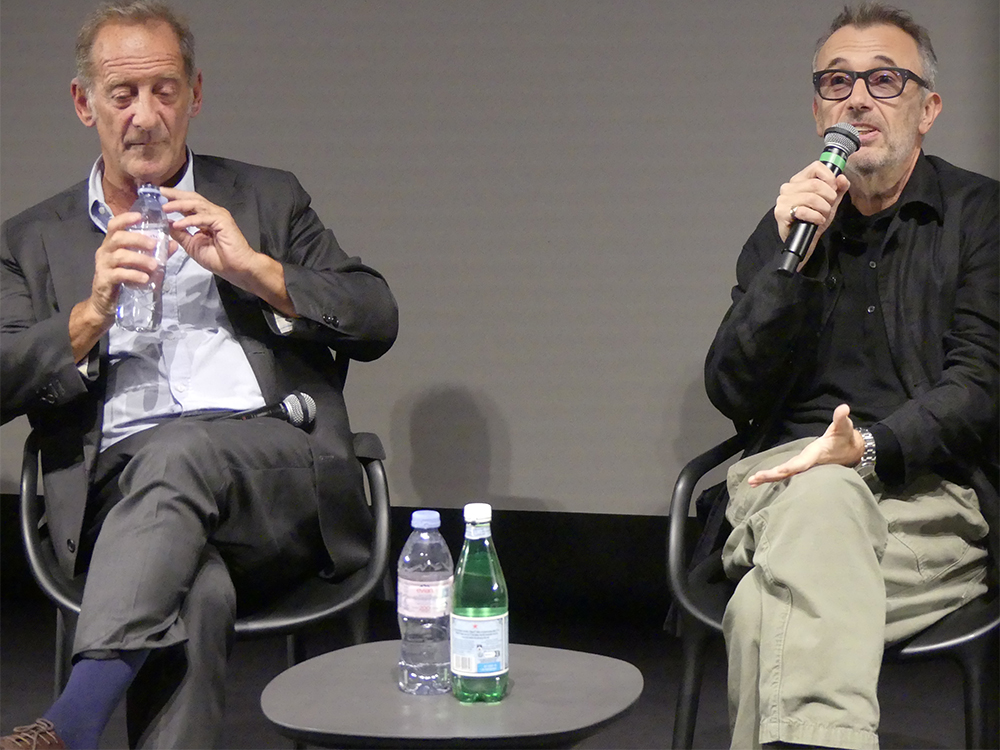
Event recap
Private AlloCiné Club screening of Les Misérables and post-screening discussion
Where: Forum des Images, Salle 500, Paris, France
When: October 6, 2026
What: A private screening of Fred Cavayé’s Les Misérables ahead of its French theatrical release, followed by an encounter with Fred Cavayé, Vincent Lindon and Camille Cottin. The film opens in France on October 14, 2026 through StudioCanal.
You can discover our photos in our Flickr page
Synopsis :
Released after 19 years in a penal colony for stealing a loaf of bread, Jean Valjean decides to turn over a new leaf and do good for those around him. Under a false identity, he eventually becomes a respected member of society. Coming to the aid of Fantine, a dying factory worker, he promises to save her daughter, Cosette, from the clutches of the cruel Thénardiers. But his past catches up with him: Inspector Javert, a relentless police officer with a troubled past of his own, relentlessly hunts him down to send him back to the penal colony. In a Paris in the throes of revolution, Valjean must fight to protect Cosette and complete his redemption, navigating sacrifices and a quest for justice.
Les Misérables
Written and directed by Fred Cavayé
Based on Les Misérables by Victor Hugo
Produced by Olivier Delbosc, Richard Grandpierre
Starring Vincent Lindon, Tahar Rahim, Noémie Merlant, Camille Cottin, Benjamin Lavernhe, Marie Colomb, Megan Northam, Giorgia Sinicorni, Philippe Arnaud, Frans Boyer, Vincent Colombe, Frédéric Pierrot, Vassili Schneider, Léonard Signoret, Giulia Sagnier, Ninon Veys, Lauren Luczak-Kahlert, Nicolas Maffre, Serge Beuchat, Léa Betremieux
Cinematography : Denis Rouden
Edited by Mickaël Dumontier
Music by Christophe Julien
Production companies : Curiosa Films, Eskwad, TF1 Films Production, StudioCanal
Distributed by StudioCanal
Release dates : 14 October 2026 (France)
Running time : 178 minutes
Photos and video 4K : Boris Colletier / Mulderville