

We must Burn mom : Inside the Paris Premiere
We must Burn mom : A Paris Premiere for a Tender Comedy About Grief
43 minutes ago Paris, Pathé Palace, Auditorium 1 2026-11-10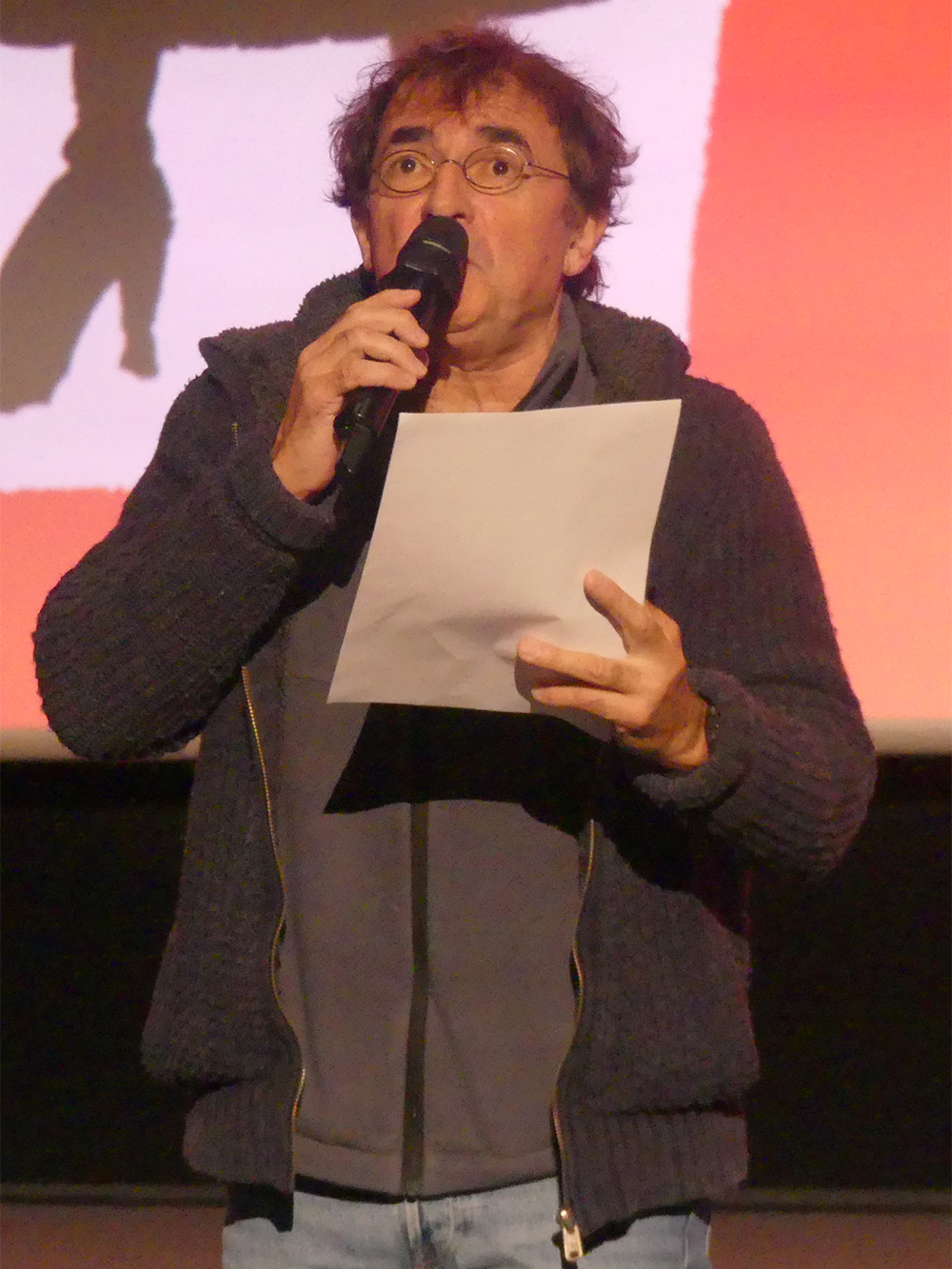
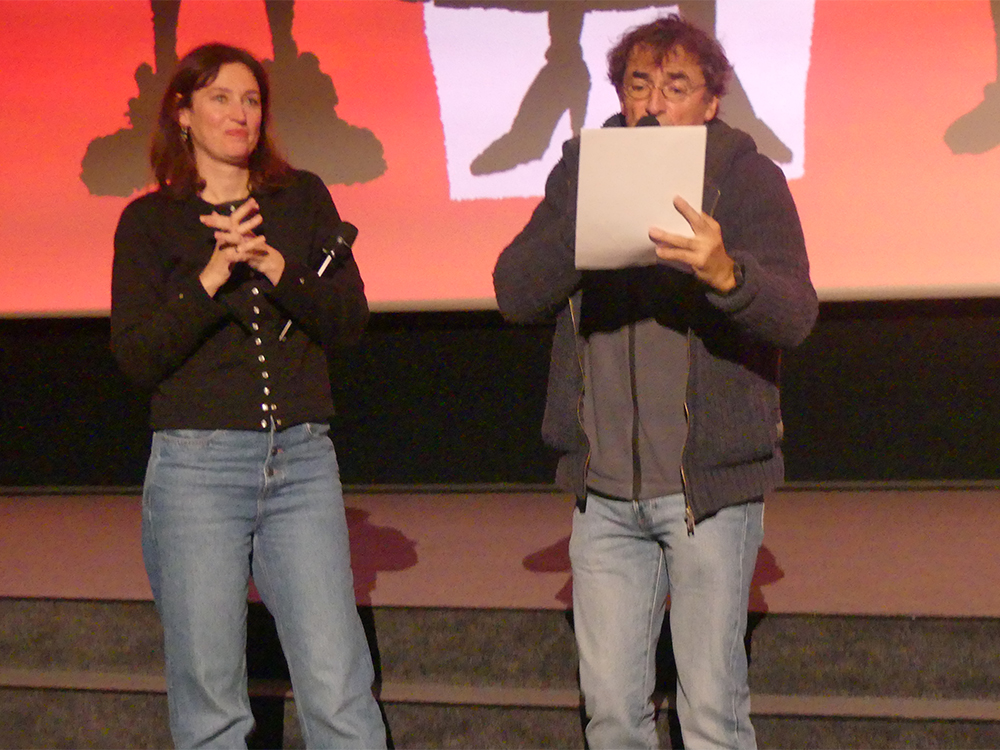
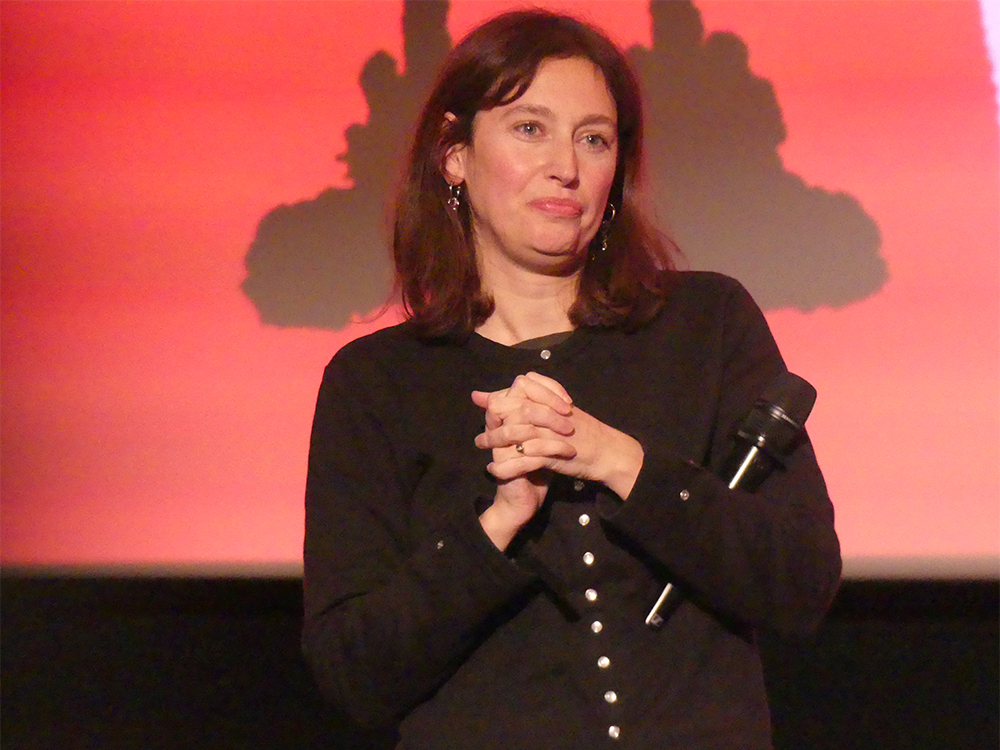
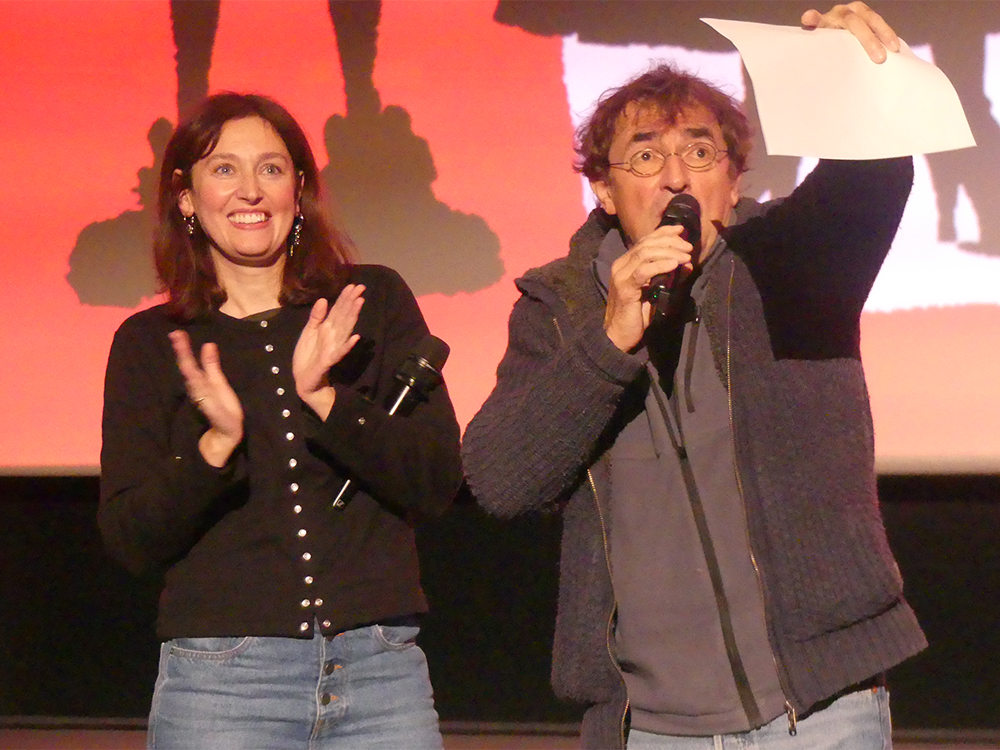
Our media attended the November 9 premiere of We Must Burn Mom, the new film written and directed by Albert Dupontel, in the beautiful Auditorium 1 of Pathé Palace. Known in France as We must Burn mom, the film arrives in French cinemas on November 11. The evening offered an opportunity to discover a family comedy built around an uncomfortable obligation: arranging a mother’s funeral when the people normally responsible for the practicalities are unavailable.
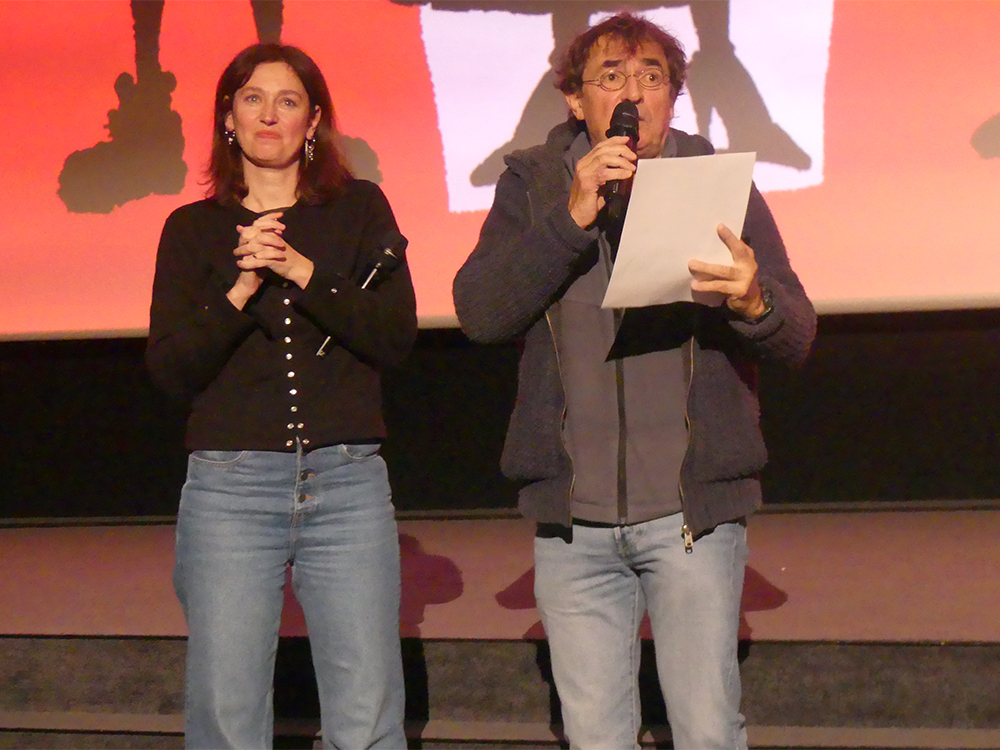
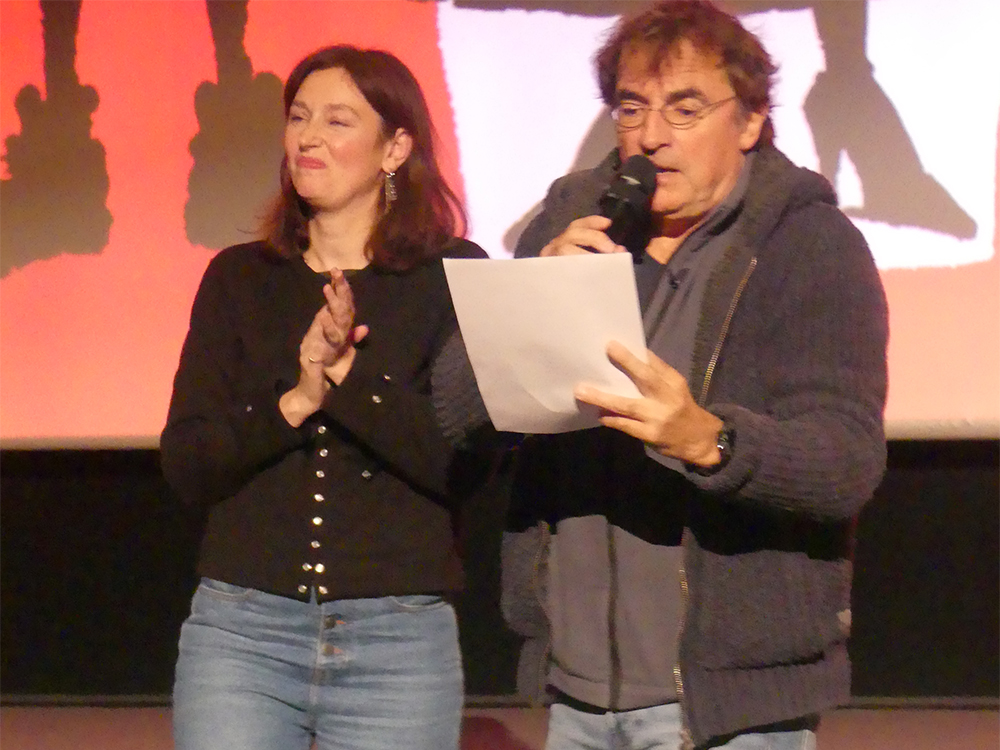
Our team found the film very well made, which made the end of the evening particularly frustrating. After the screening, Albert Dupontel briefly appeared to thank members of his crew, then left without an exchange with the audience or a discussion of the film. The disappointment was precisely that the work gave us so much to ask about. Hearing him explain his choices would have been a welcome extension of the screening, especially for a project whose apparently simple setting conceals considerable preparation.
We must Burn mom Turns a Funeral Into a Family Reckoning
The premise brings two sisters and their brother back together in a family of undertakers. Their mother has died, but a staff strike leaves them to carry out the funeral arrangements themselves. Agreeing on her cremation becomes inseparable from confronting one another. Louise Coldefy plays Émilie, Julia Piaton plays Judith and Albert Dupontel plays Fernand. Victor-Artus Solaro, professionally known as Artus, appears as Klimek / Patrick, completing the central quartet around which the action unfolds.
In the supplied press kit, Albert Dupontel explains that the subject grew partly from fear of death and from having a mother who was 93 at the time of the interview. His interest also lay in the formal rituals surrounding bereavement and the possibility that a death might finally release words left unspoken. He describes a film concerned with discovering other people beneath familiar family roles. Its funeral setting therefore carries a possibility of reconciliation, alongside the awkwardness and absurdity announced by the title.
How the Continuous Camera Movement Was Built
The film’s sustained visual flow required much more than leaving a camera running. Albert Dupontel explains in the press kit that the scenes were planned around specific opportunities for cuts, allowing the team to combine preferred moments from different takes. Cédric Fayolle supervised visual effects that helped preserve the illusion of continuity. It is therefore more accurate to describe a constructed continuous-shot effect than to suggest that the entire film was recorded in one uninterrupted take.
One of the press kit’s most revealing anecdotes concerns a major rethink during production. After three weeks of shooting, the team screened the first hour and found that it was not working as intended. Albert Dupontel says they adopted a more mobile camera approach, giving the performers greater freedom, and reshot the material from the beginning. The decision shows how closely the visual method was tied to the acting: technical planning alone could not guarantee that the encounter would feel alive.
Theatre Rehearsals and Unexpected Casting Stories
Preparation also extended beyond the film set. Albert Dupontel reports five rehearsal performances at Théâtre Lepic in Montmartre, used to test dialogue and characterisation. Julia Piaton recalls working in costume before an audience of around a hundred people, with smoke effects and occasional filming. That unusual intermediate stage gave the cast a chance to experience the material with spectators before committing it to the final screen version.
Louise Coldefy recounts an equally distinctive route into the production. According to her interview, a taxi driver recommended her to Albert Dupontel, prompting his interest. After her audition, she learned roughly two-thirds of the screenplay over a weekend before starting rehearsals; confirmation that she had the role followed after two days of work. The anecdote captures both the chance encounter behind an audition and the considerable preparation that followed it.
A Narrator Recorded on a Phone and Deliberately Imperfect Piano
The narration by Denis Podalydès emerged during editing. Albert Dupontel explains that the voice helped turn the farce into a tale, and that the actor initially recorded passages on his iPhone while on holiday, responding to text sent by the director. It is a wonderfully modest beginning for a device that helps shape the audience’s relationship with the story. The final form continued to develop after the tightly choreographed shoot had ended.
Music offers another revealing example of craft serving character. Christophe Julien, who has worked with Albert Dupontel since 2008, composed the original score and performed Fernand’s piano passages. The director wanted the playing to reflect the character’s uncertainty and growing confidence. According to his interview, the difficult part for the composer was playing imperfectly. Musical hesitation becomes part of the performance, expressing something that Fernand cannot readily put into words.
French Release Date and Production Credits
Pathé lists the French theatrical release for November 11, 2026, with an 81-minute running time. The film is produced by Catherine Bozorgan and coproduced by Ardavan Safaee. Alexis Kavyrchine handled cinematography, while the editing credits name both Christophe Pinel and Carlos Pinto. ADCB Films is listed as the production company, with Stadenn Prod., Manchester Films, Pathé and France 2 Cinéma credited as coproducers. The supporting ensemble includes Johann Dionnet, with participation from Clovis Cornillac, Grégoire Ludig and Philippe Duquesne.
You can discover our photos in our Flickr page
Event Recap: Paris Premiere
Where : Pathé Palace, Auditorium 1, Paris, France.
When : November 9, 2026.
What : Our media attended the premiere screening of We Must Burn Mom, followed by a brief appearance from Albert Dupontel to thank crew members. No audience discussion followed, according to our team’s firsthand account.
Synopsis :
In a family of undertakers, two sisters and a brother reunite for their mother’s funeral. Since the staff is on strike, they have to carry out the funeral rites on their own. How will they agree on how to cremate Mom?
We must Burn mom (Il faut brûler maman)
Written and directed by Albert Dupontel
Produced by Catherine Bozorgan, Ardavan Safaee
Starring Louise Coldefy, Julia Piaton, Artus, Albert Dupontel, Clovis Cornillac, Grégoire Ludig, Johann Dionnet, Frédéric Épaud, Denis Podalydès
Cinematography : Alexis Kavyrchine
Edited by Christophe Pinel
Music by Christophe Julien
Production companies : ADCB Films, Manchester Films
Distributed by Pathé (France)
Release dates : date (France) ,date (United States)
Running time : 81 minutes
Photos and video 4K : Boris Colletier / Mulderville