

Leviticus : The Sundance Horror Revelation Redefining Queer Genre Cinema
Thursday 11 June, 2:00 PM PT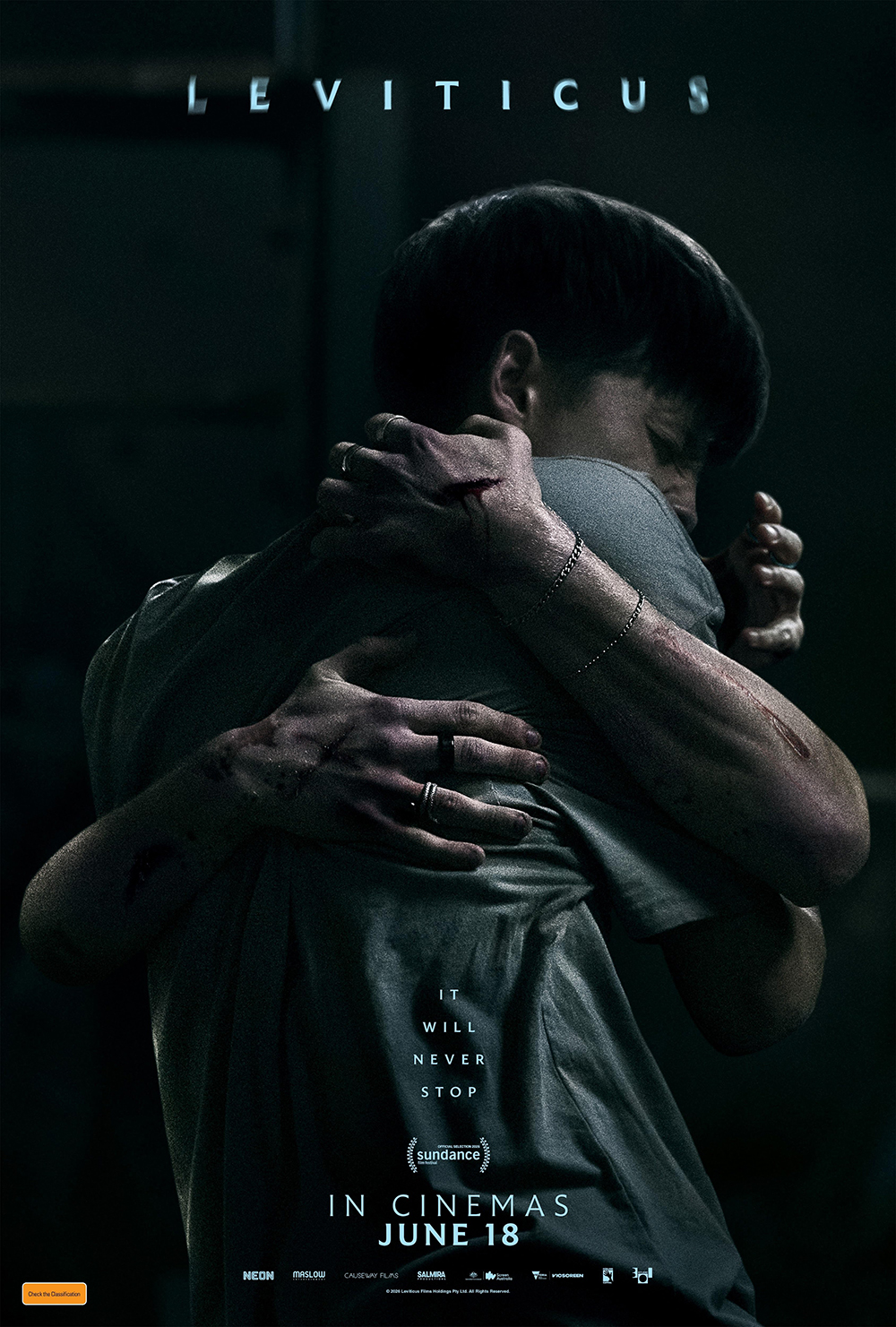
Few films arriving in 2026 have generated the kind of conversation that Leviticus has managed in such a short period of time. Written and directed by Adrian Chiarella, the Australian supernatural horror feature has rapidly transformed from an ambitious independent production into one of the most talked-about genre films of the year following its acclaimed premiere in the Midnight section of the Sundance Film Festival. Blending coming-of-age drama, romance, religious trauma, psychological horror, and supernatural terror into a compact 88-minute experience, Leviticus explores themes that are deeply personal yet universally resonant, creating a chilling meditation on desire, identity, shame, and the destructive consequences of intolerance. Produced by Samantha Jennings, Kristina Ceyton, and Hannah Ngo, and backed by acclaimed Australian genre powerhouse Causeway Films, the film arrives carrying the legacy of a production company already known internationally for supporting bold and uncompromising voices in contemporary cinema.
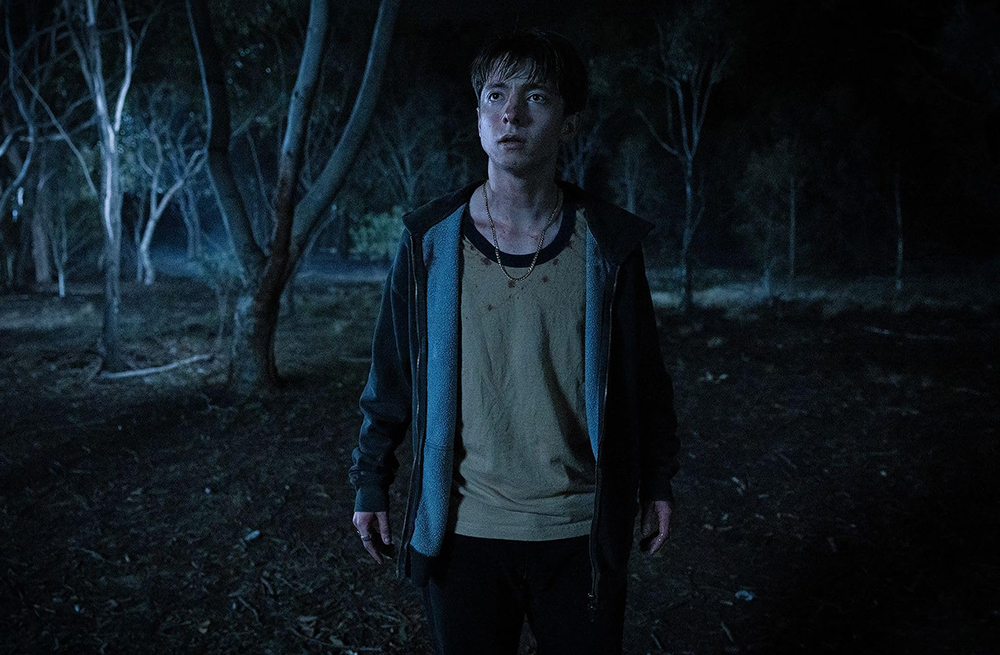
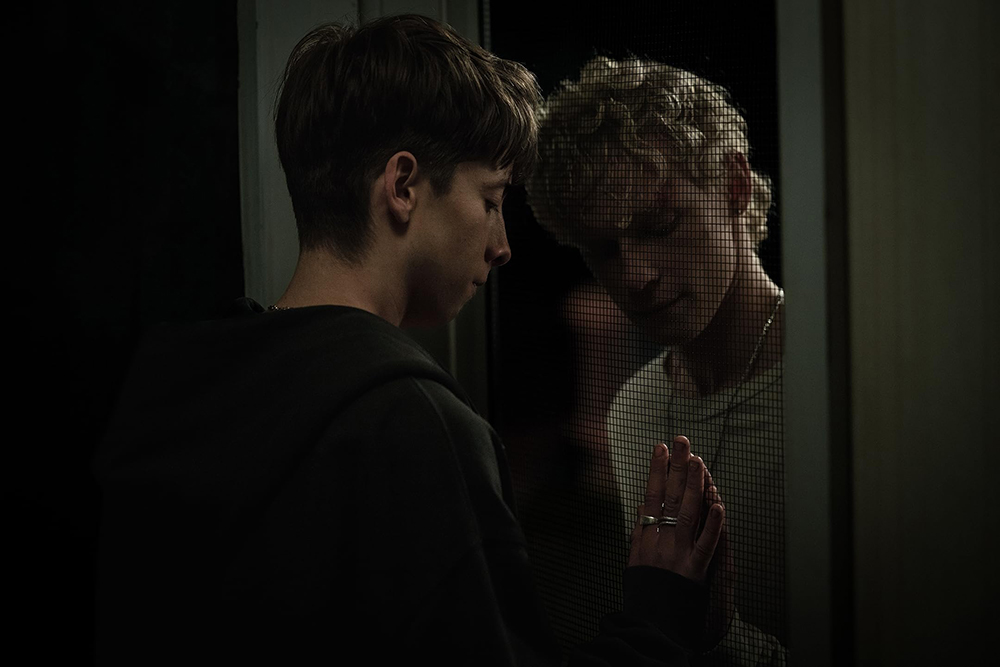
At the center of the story are two teenagers trapped within a deeply conservative religious environment whose hidden feelings become the catalyst for a terrifying supernatural nightmare. Played by Joe Bird and Stacy Clausen, the young protagonists find themselves hunted by a violent entity capable of taking the appearance of the person they desire most—each other. What could have easily become a conventional monster movie instead evolves into something far more unsettling and emotionally complex. The film’s premise cleverly weaponizes attraction, intimacy, and longing, transforming them into sources of terror while exposing the psychological damage inflicted by communities that seek to suppress identity in the name of doctrine. This approach has led many critics to describe the project as a “queer social horror,” a label embraced by Adrian Chiarella, who drew heavily from his own experiences while developing the screenplay.
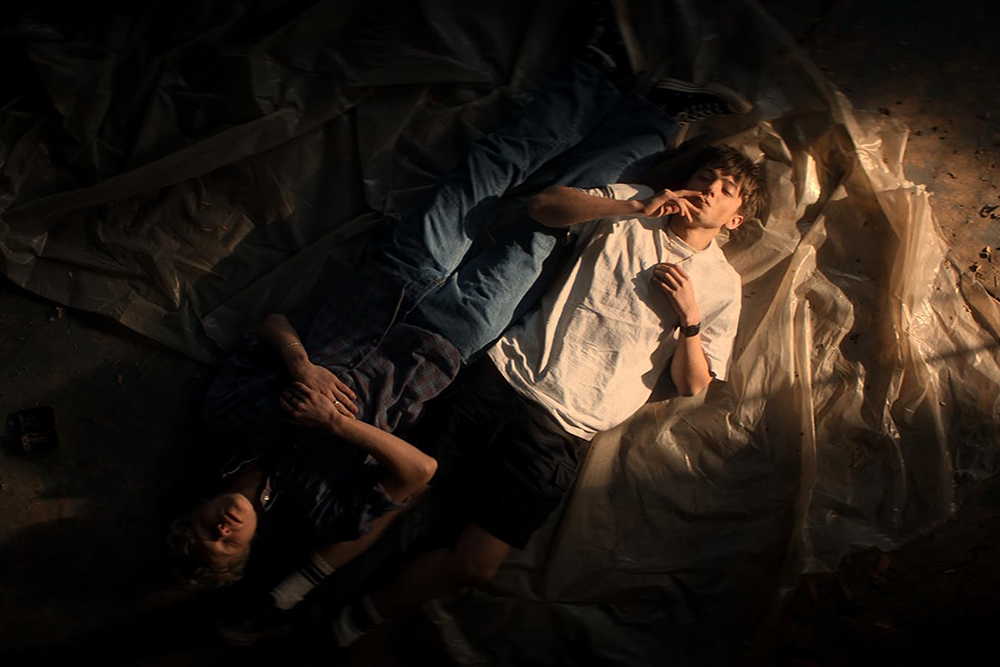
The title itself immediately signals the film’s thematic intentions. Referencing the biblical Book of Leviticus, a text frequently cited by religious conservatives when discussing homosexuality, the film confronts centuries of cultural and religious interpretations that have shaped attitudes toward LGBTQ+ communities. Rather than delivering a straightforward political statement, however, Leviticus embeds these ideas within a visceral horror framework, allowing fear, repression, and desire to manifest as a literal supernatural threat. The result is a film that speaks simultaneously to genre audiences seeking scares and to viewers interested in more layered explorations of identity and faith. This balancing act has become one of the project’s most praised qualities, elevating it beyond simple allegory and into the realm of emotionally charged psychological horror.
The origins of the film reveal a fascinating creative journey. Leviticus was developed through VicScreen’s Originate initiative under the mentorship of script developer Angeli Macfarlane, providing Adrian Chiarella with a platform to refine his vision. Drawing upon his background as a film editor, Adrian Chiarella approached storytelling with an emphasis on rhythm, tension, and visual language. He has cited influences ranging from Asian horror cinema to modern genre landmarks such as It Follows and The Witch, and traces of those inspirations can be felt throughout the film. Yet despite these influences, Leviticus never feels derivative. Instead, it channels familiar genre DNA into something distinctly Australian and deeply personal. The project received production funding from Screen Australia as part of its 2024–25 slate, while post-production support came from VicScreen and Kojo Studio, demonstrating the significant institutional confidence placed in the film long before its international breakthrough.
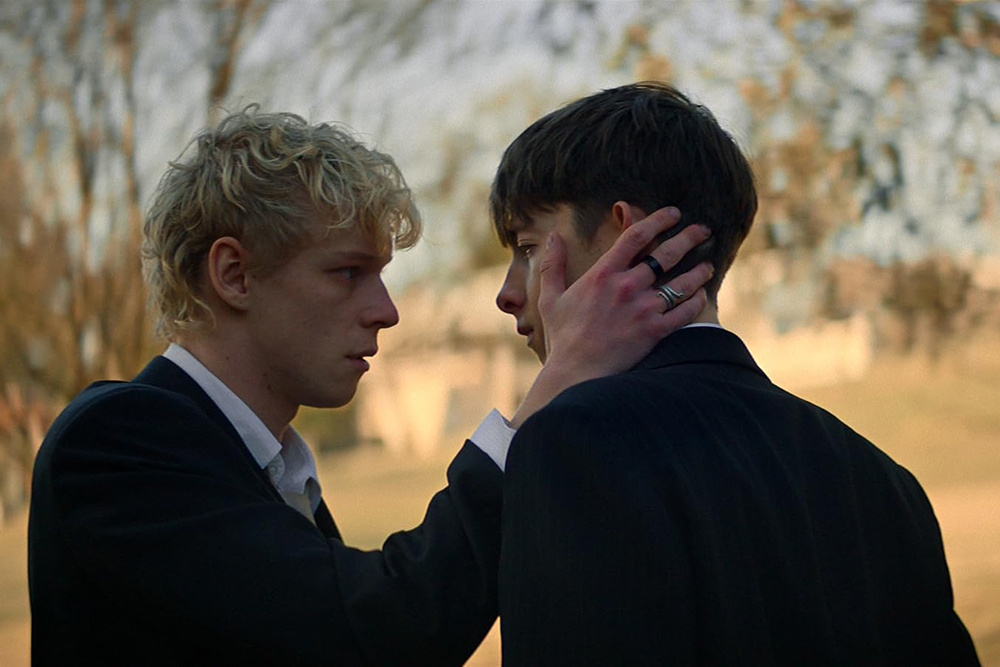
The cast further strengthens the film’s impact. Joe Bird, already known to audiences through previous Australian productions, delivers what many critics have described as a career-defining performance, balancing vulnerability and terror with remarkable authenticity. Alongside him, Stacy Clausen brings emotional depth to a role that requires navigating both romantic tenderness and escalating psychological distress. Supporting performances from Jeremy Blewitt and acclaimed actress Mia Wasikowska add additional weight to the narrative. Notably, Mia Wasikowska also serves as an executive producer, highlighting her confidence in the project and her continued commitment to supporting distinctive independent filmmaking. Her involvement immediately attracted attention within international film circles and helped position Leviticus as one of the most anticipated Australian genre releases of the year.
Visually, the film benefits enormously from the work of cinematographer Tyson Perkins, whose imagery combines naturalistic environments with increasingly surreal and nightmarish compositions. The cinematography captures both the beauty and isolation of the Australian landscape while amplifying the emotional claustrophobia experienced by the protagonists. Editor Nick Fenton maintains relentless momentum throughout the film’s concise running time, ensuring that emotional beats and horror sequences reinforce rather than compete with one another. Complementing the visuals is an atmospheric score by renowned composer Jed Kurzel, whose music enhances the film’s sense of dread while preserving its emotional core. Together, these creative contributions create an immersive cinematic experience that lingers long after the credits roll.
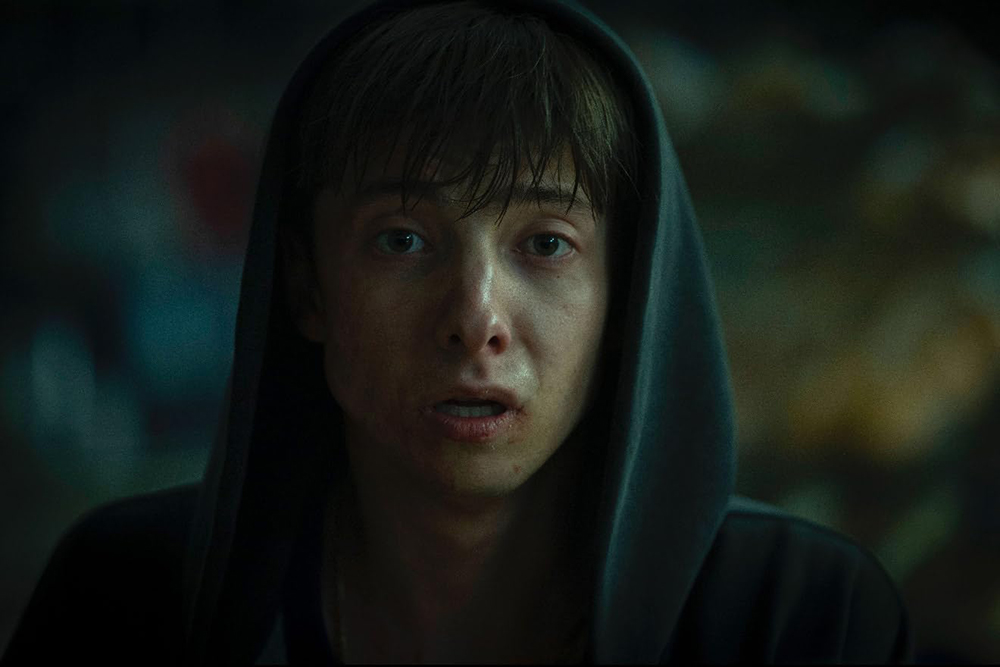
One of the most fascinating stories surrounding the production emerged during post-production, when the filmmakers secured the rights to Frank Ocean’s celebrated song “Self Control” for the end credits. According to reports surrounding the film, the artist personally approved the use through a letter shared with the production. The inclusion is particularly notable because it represents one of the rare occasions that Frank Ocean has licensed his music for a film in recent years. Beyond its prestige value, the song serves as a poignant emotional coda, reinforcing the themes of longing, vulnerability, and self-acceptance that define the narrative. For many viewers, the unexpected appearance of the track has become one of the film’s most memorable moments.
The industry response to Leviticus has been equally remarkable. Following its world premiere at the Sundance Film Festival on January 23, 2026, the film quickly attracted significant interest from distributors. Shortly thereafter, NEON acquired worldwide rights outside Australia and New Zealand in a deal reportedly valued at approximately five million dollars, a substantial figure that reflected growing confidence in the project’s commercial and critical potential. The acquisition further cemented NEON’s reputation for identifying daring genre titles capable of generating both awards-season discussion and cult followings. The film subsequently screened at the Sydney Film Festival, where it was selected for the Official Competition, strengthening its profile ahead of theatrical release.
Australian audiences finally had the opportunity to discover Leviticus in cinemas on June 18, 2026 through Maslow Entertainment, with a United States release following the next day through NEON. French audiences are scheduled to experience the film on October 7, 2026 through Originals Factory, giving European genre fans the chance to witness one of the year’s most distinctive horror offerings. As conversations surrounding representation in genre cinema continue to evolve, Leviticus arrives at a moment when audiences are increasingly embracing horror films that combine social commentary with genuine emotional and psychological depth.
Ultimately, Leviticus stands as a striking example of how contemporary horror continues to reinvent itself through deeply personal storytelling. By transforming forbidden desire into a terrifying supernatural force, Adrian Chiarella has crafted a film that is frightening not simply because of the monster at its center, but because of the emotional truths it exposes. Supported by outstanding performances from Joe Bird, Stacy Clausen, Jeremy Blewitt, and Mia Wasikowska, elevated by the haunting music of Jed Kurzel, and backed by the creative ambition of Causeway Films, Leviticus emerges as one of the most compelling genre discoveries of 2026 and a powerful reminder that the most effective horror often comes from confronting the fears that society itself creates.
Synopsis :
Two teenagers must escape a violent entity that takes on the appearance of the person they desire most: each other.
Leviticus
Written and directed by Adrian Chiarella
Produced by Samantha Jennings, Kristina Ceyton, Hannah Ngo
Starring Joe Bird, Stacy Clausen, Jeremy Blewitt, Mia Wasikowska
Cinematography : Tyson Perkins
Edited by Nick Fenton
Music by Jed Kurzel
Production company : Causeway Films
Distributed by NEON (United States), Originals Factory (France)
Release dates : 23 January 2026 (Sundance), 19 June 2026 (United States), October 7 ,2026 (France)
Running time : 88 minutes
Photos : Copyright Neon