

Cape Fear Review: A Dark, Modern Reimagining That Justifies Its Existence
Wednesday 3 June, 6:00 AM PT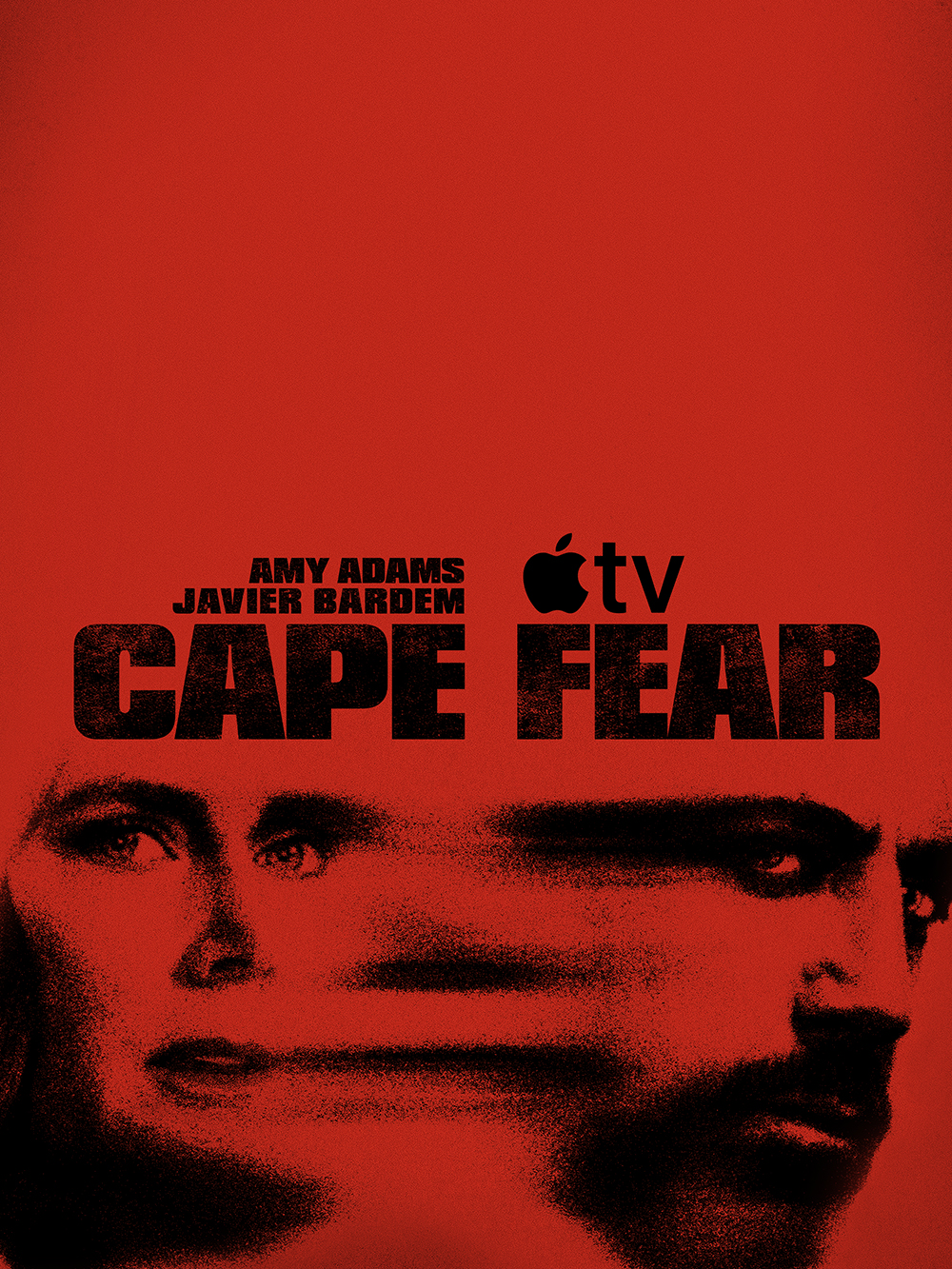
Few works carry the weight of Cape Fear. Based on John D. MacDonald’s novel The Executioners, first immortalized by Robert Mitchum and Gregory Peck in 1962, then transformed into an opera-worthy nightmare by Martin Scorsese, Robert De Niro, and Nick Nolte in 1991, it is a story that seems almost impossible to revisit without immediately drawing comparisons. Yet creator Nick Antosca tackles the subject with surprising confidence, not by seeking to surpass what has been done before, but by expanding the mythology into something vaster, more chaotic, and resolutely modern. The result is a ten-episode psychological thriller that often feels like a blend of Southern noir and an obsession with true crime, social media paranoia, and contemporary anxieties about truth itself. While the extended format sometimes stretches the narrative beyond its natural limits, it also allows the series to dig deeper into the emotional rot lurking beneath the surface of the Bowden family, creating a version of Cape Fear that is less about a monster invading a home and more about a family discovering that the monster may already be living among them.
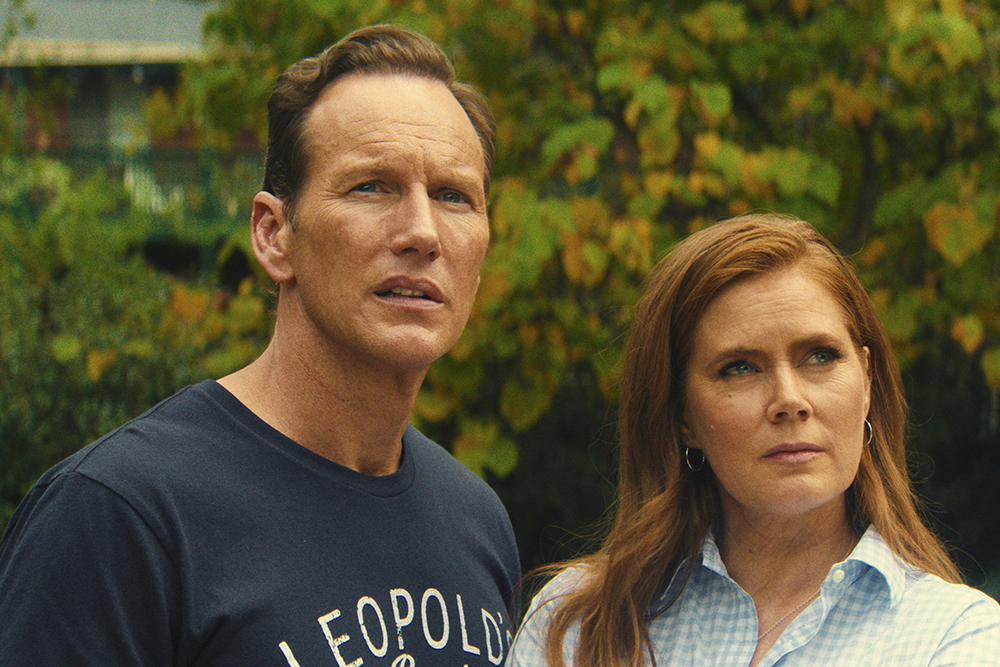
The most significant reinvention comes through the restructuring of the central conflict. Rather than focusing exclusively on a single lawyer who helped send Max Cady to prison, the series places Anna Bowden (Amy Adams) and Tom Bowden (Patrick Wilson) at the center of a moral labyrinth. She was Cady’s defense attorney, he was the prosecutor, and their subsequent marriage creates a troubling foundation upon which the entire story rests. From the moment Max Cady is released after seventeen years behind bars, exonerated by evidence of uncertain reliability, the series transforms into a psychological chess game where certainty becomes impossible. Every conversation seems laden with hidden meaning, every gesture of kindness conceals a possibility of manipulation, and every revelation raises new questions. The genius of the adaptation lies in how it uses ambiguity as a weapon. Previous versions portrayed Cady primarily as an unstoppable evil force. Here, viewers are constantly left wondering whether he is a victim, a predator, or something far more complex.
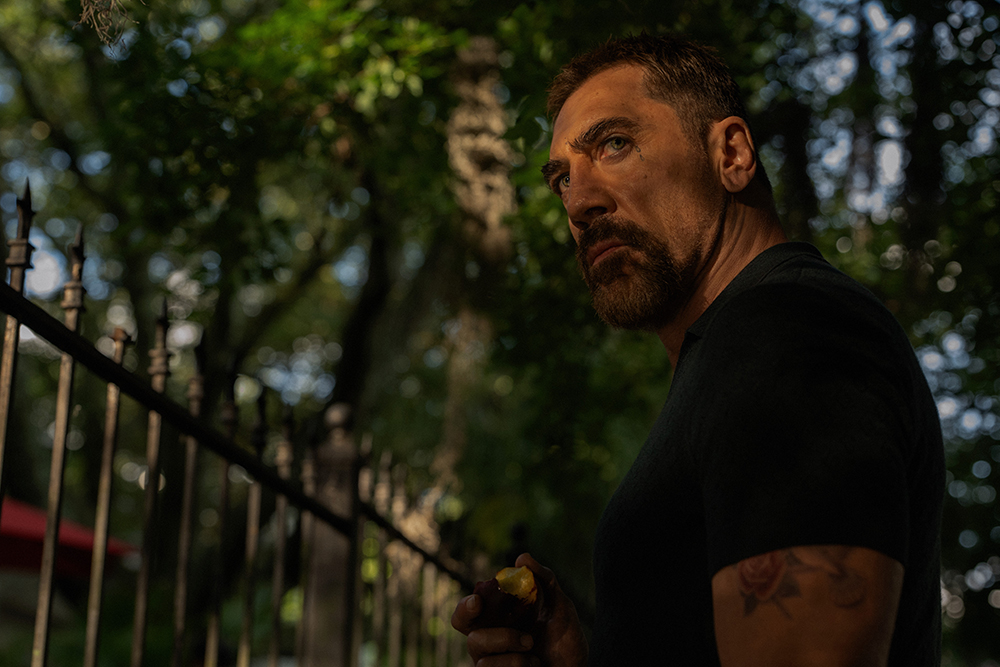
This complexity would fall apart without the right actor, and Javier Bardem delivers one of the best performances of his career. Rather than imitating Robert Mitchum or Robert De Niro, he creates an entirely new incarnation of Max Cady. This version is terrifying not because he is constantly violent, but because he can shift from charm to menace in a single sentence. One moment, he seems genuinely scarred by years of incarceration; the next, he exudes a danger that instinctively makes all the characters uncomfortable. There are echoes of Anton Chigurh here, but Bardem wisely avoids repeating himself. His Cady is at once theatrical, seductive, unpredictable, wounded, funny, and terrifying. The actor turns every appearance into an event, dominating scenes with little more than a smile or a glance. Just like the shark in Jaws, his presence is felt even when he’s not on screen, and this lingering anxiety becomes one of the series’ greatest strengths.
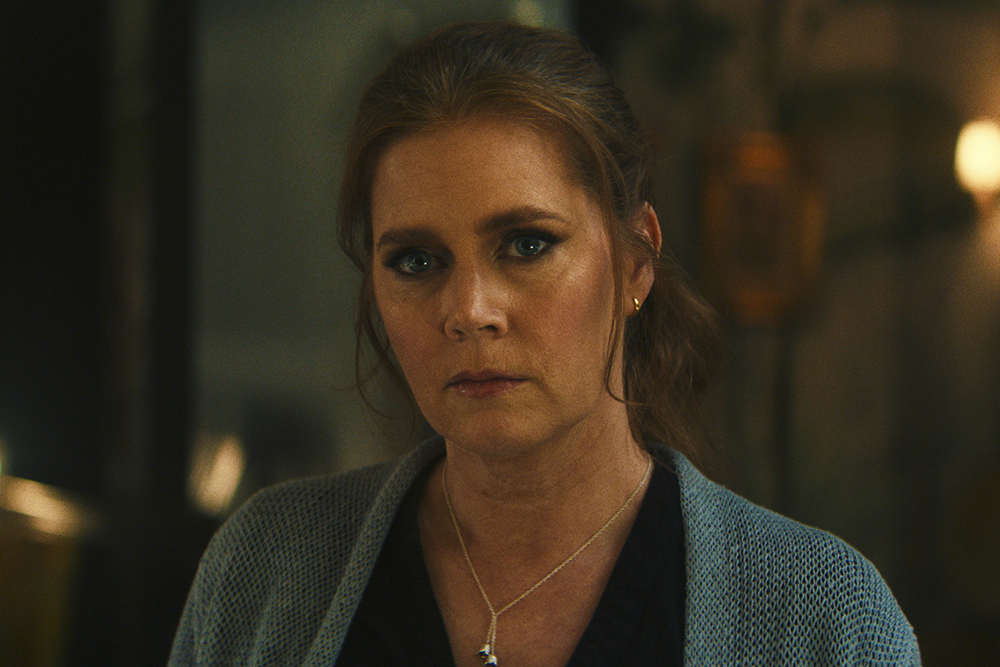
The supporting performances are just as impressive. Amy Adams imbues Anna Bowden with a fascinating blend of strength, guilt, fear, and determination. She spends much of the series trying to maintain control while quietly realizing that this control may have been nothing more than an illusion from the start. Patrick Wilson excels in the role of a man whose polished exterior slowly cracks under pressure, revealing insecurities and moral compromises that make him far more interesting than a traditional hero. The real surprise, however, comes from young actors Lily Collias and Joe Anders, whose portrayals of Natalie and Zack offer some of the series’ most moving moments. Their characters aren’t mere collateral damage caught in a conflict between adults; they become active participants in a story about identity, social pressure, shame, and the desperate desire to be understood. Watching the family fall apart is often more compelling than the mystery itself.
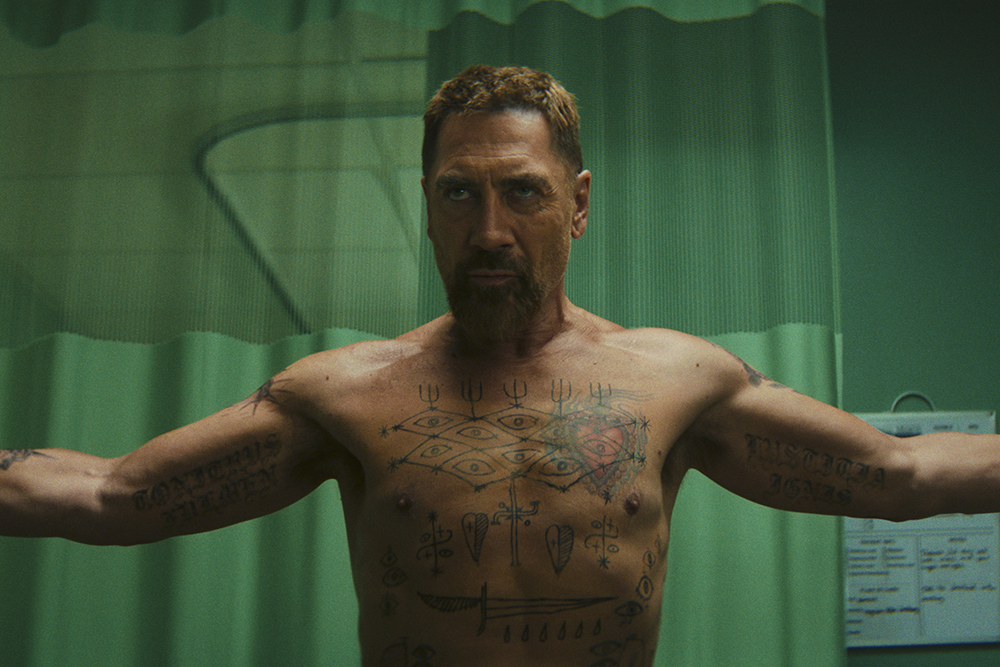
Visually, the series embraces excess in a way that will undoubtedly divide audiences.
The influence of Martin Scorsese’s film is omnipresent, from the aggressive camerawork and vivid color palettes to the unsettling use of negative imagery and dreamlike flashbacks. Some stylistic choices may feel a bit heavy-handed at times, but they also contribute to the feverish, nightmarish atmosphere that defines the series. Savannah and Georgia become characters in their own right, steeped in oppressive heat, Spanish moss, decaying beauty, and a sense of ever-present danger. Composer Jeff Russo skillfully weaves elements of Bernard Herrmann’s iconic score into the soundtrack, creating a bridge between the franchise’s past and present. Longtime fans will find countless visual and thematic nods, but newcomers will never feel left out by these references.
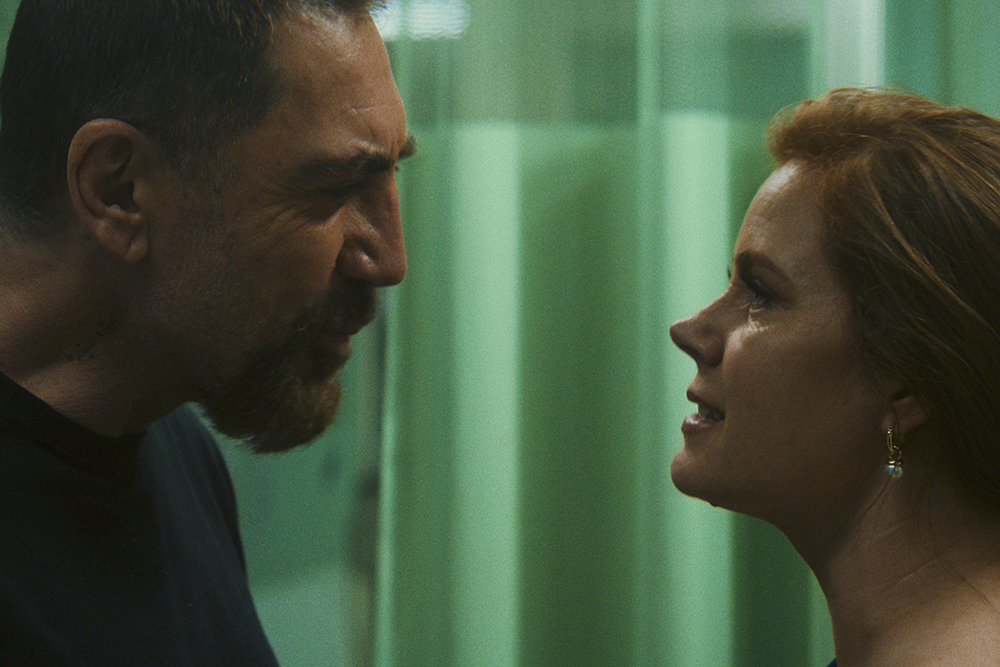
One of the most intriguing ideas in this adaptation is how it updates the concept of harassment and bullying for the digital age. Previous versions relied on physical proximity and psychological pressure. This new iteration extends the threat through the manipulation of social media, catfishing, viral outrage, true-crime celebrity culture, artificial intelligence, and online disinformation. The result is a story that feels remarkably contemporary. Max Cady no longer needs to stand outside your house to destroy your life; he can attack your reputation, your relationships, and your perception of reality from anywhere. Some of these themes could have been explored in greater depth, but they add a disturbing relevance that in itself justifies the reinterpretation of the work.
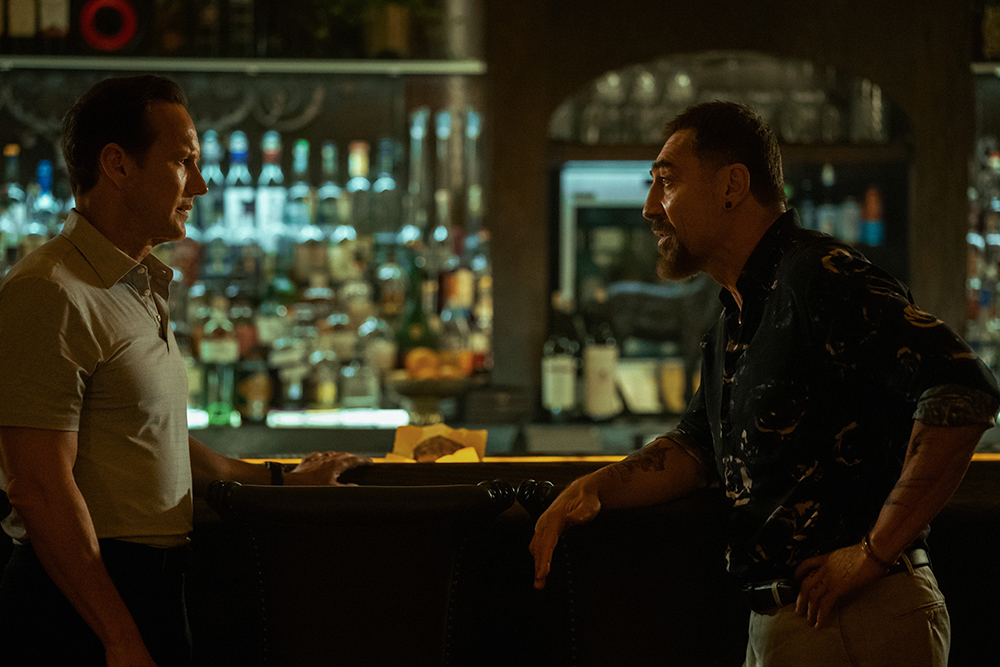
The series’ greatest weakness is undoubtedly its length. While the extended runtime allows for richer character development, it also introduces subplots that sometimes feel like detours rather than essential elements of the narrative. Some mysteries drag on longer than necessary, and a few narrative twists push credibility to its limits. There are moments when it becomes obvious that what once fueled a two-hour thriller is being stretched to fill ten episodes. Yet even during these slower passages, the quality of the performances and the sheer audacity of the storytelling keep the viewer captivated. The series often feels like a high-profile television production that unabashedly flirts with pulp fiction, and somehow, this unlikely combination mostly works.
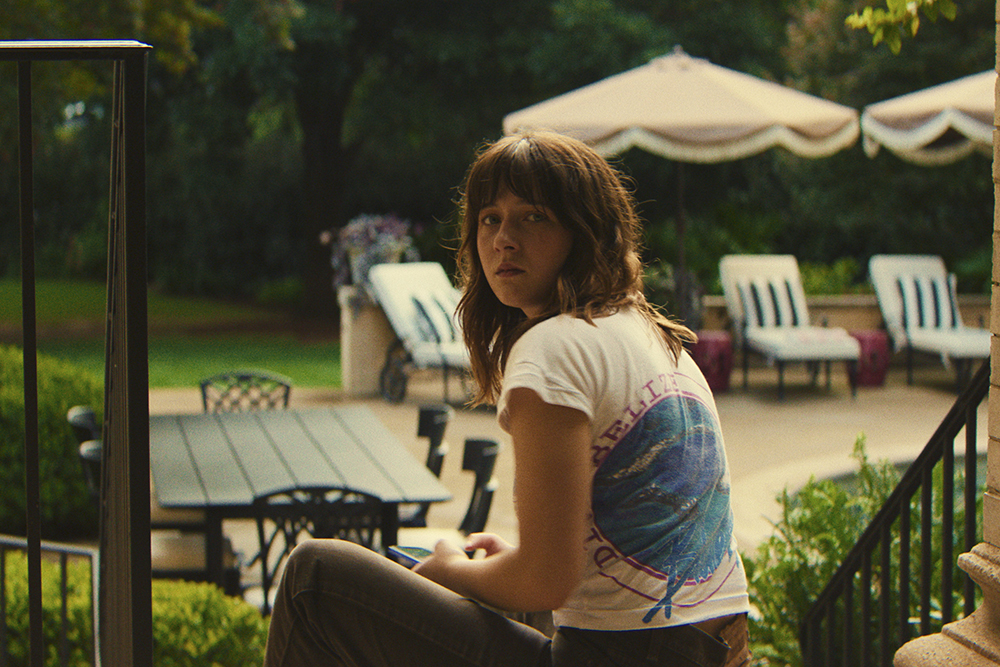
What ultimately makes Cape Fear a success is its willingness to challenge the audience’s preconceptions. The series does not seek to present clearly defined heroes and villains. On the contrary, it poses unsettling questions about justice, privilege, guilt, public perception, and redemption. As the story reaches its final, darker, and increasingly chaotic twists, the question is no longer simply whether Max Cady is guilty or innocent. The real question becomes whether anyone in this world can honestly claim moral superiority. Led by a mesmerizing Javier Bardem, supported by standout performances from Amy Adams, Patrick Wilson, Lily Collias, and Joe Anders, and enhanced by an elegantly unsettling atmosphere, Cape Fear proves that even a remake of a remake can still find new ways to grab you by the gut. It may drag on a bit too long at times, but when it’s in full swing, it’s a gripping and unsettling series that continues to haunt the mind long after the end credits roll.
Synopsis :
A storm is brewing for the lawyer couple Anna and Tom Bowden when Max Cady, the notorious killer they put behind bars, is released from prison. He’s out for revenge.
Cape Fear
Created by Nick Antosca
Based on The Executioners by John D. MacDonald, Cape Fear by Wesley Strick and Cape Fear by James R. Webb
Starring Javier Bardem, Amy Adams, Patrick Wilson, CCH Pounder
Music by Jeff Russo
Executive producers : Martin Scorsese, Steven Spielberg, Nick Antosca, Alex Hedlund, Darryl Frank, Justin Falvey, Morten Tyldum, Javier Bardem, Amy Adams
Cinematography : Eben Bolter, Celiana Cárdenas
Production companies : Universal Content Productions, Amblin Television, Sikelia Productions, Eat the Cat
Network : Apple TV
Photos : Copyright Copyright Apple TV