

Musée Grévin : Bad Bunny's wax figure captures the spirit of Puerto Rico
Thursday 2 July, 2:03 AM PT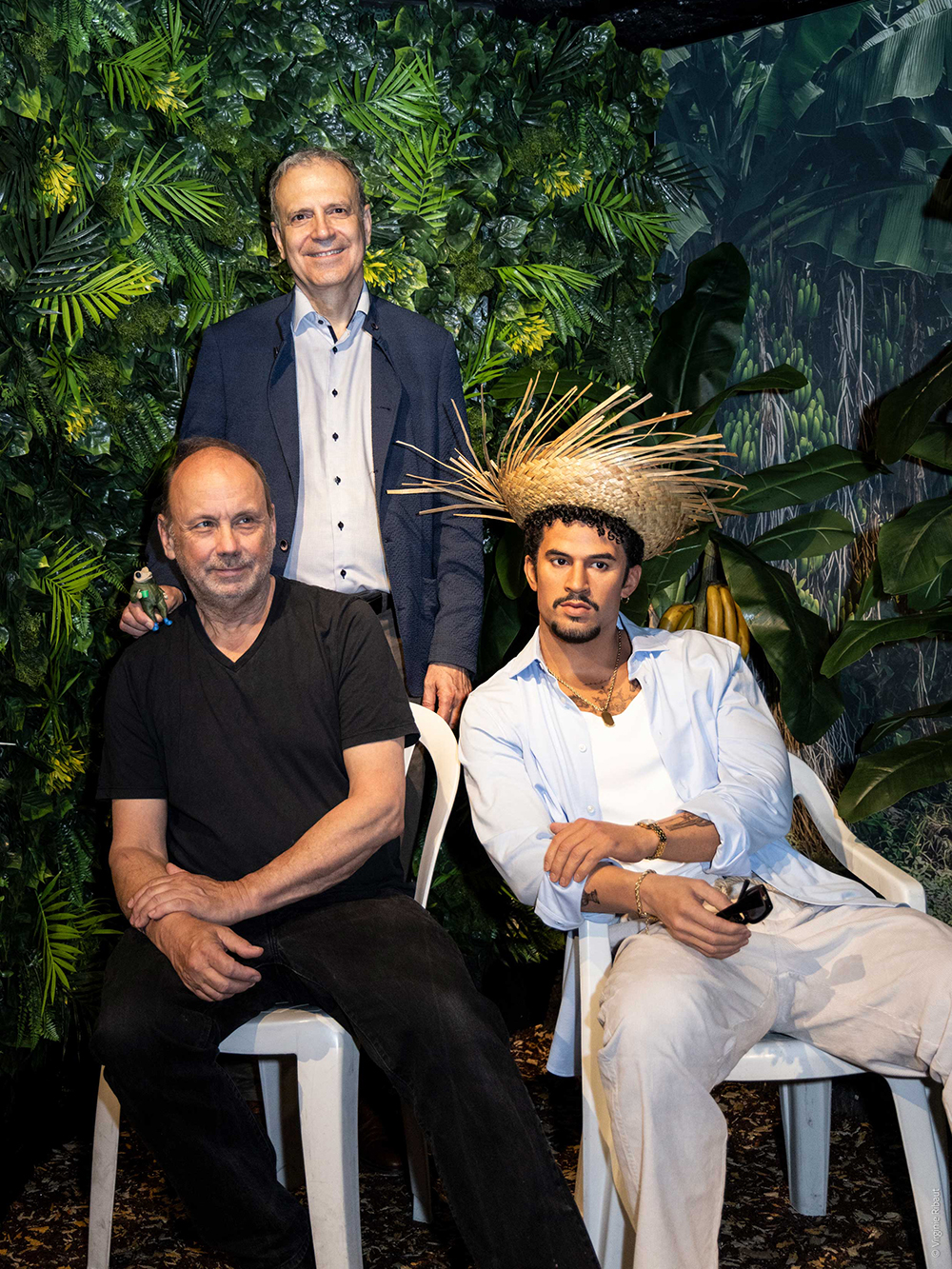
Just days before filling some of France's biggest venues, Bad Bunny has added another prestigious milestone to a career already defined by broken records and cultural firsts. On Wednesday, July 1, Paris' Musée Grévin officially welcomed the Puerto Rican superstar into its collection of wax personalities during a presentation led by the museum's general director Yves Delhommeau alongside sculptor Claus Velte, the artist responsible for bringing the singer to life in wax. Timed to coincide with the European leg of the Debí Tirar Más Fotos World Tour—which stopped in Marseille on July 1 before arriving at Paris La Défense Arena on July 4 and 5—the unveiling underlined the extraordinary global influence of an artist who has transformed Spanish-language music into a worldwide cultural force.
The arrival of Bad Bunny, born Benito Antonio Martínez Ocasio in Bayamón, Puerto Rico, is far more than the addition of another music star to the Grévin galleries. In less than ten years, the artist has redefined the commercial possibilities of Latin music while remaining deeply attached to his Puerto Rican identity. After emerging in 2016 with the breakthrough singles Diles and Soy Peor, he rapidly became one of the dominant figures of reggaeton and Latin trap through collaborations with artists including J Balvin, Ozuna, Karol G, Farruko and Drake. Albums such as YHLQMDLG, El Último Tour del Mundo, Un Verano Sin Ti, Nadie Sabe Lo Que Va a Pasar Mañana and, most recently, Debí Tirar Más Fotos have continually expanded his audience while challenging the long-held notion that global pop success required recording primarily in English. Un Verano Sin Ti remains the most-streamed album in Spotify history, while Debí Tirar Más Fotos has continued his remarkable run of critical and commercial acclaim.
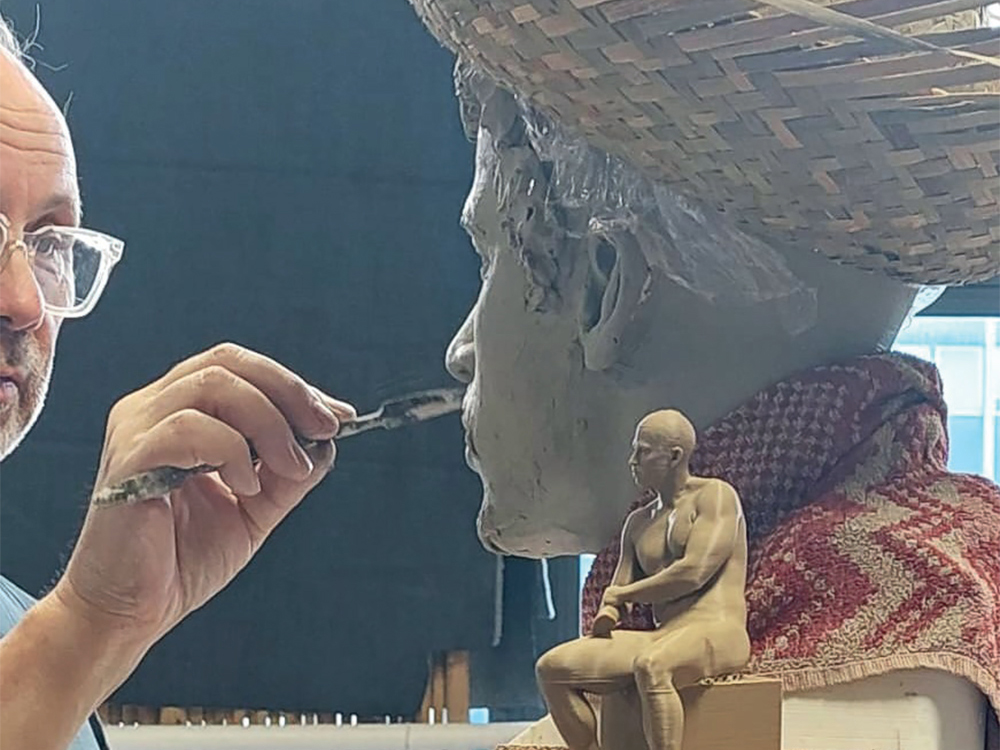
Creating the Grévin figure proved to be an artistic challenge worthy of the museum's workshops. Unlike many international celebrities who personally attend lengthy measurement sessions, Bad Bunny was recreated entirely from photographic references. Claus Velte and the Grévin artists meticulously reconstructed every facial proportion, hairstyle, complexion and expression without ever having the performer physically present. Such a process demands an exceptional understanding of anatomy and sculptural precision, demonstrating the expertise that has made the Paris institution internationally renowned since its creation in 1882 by journalist Arthur Meyer.
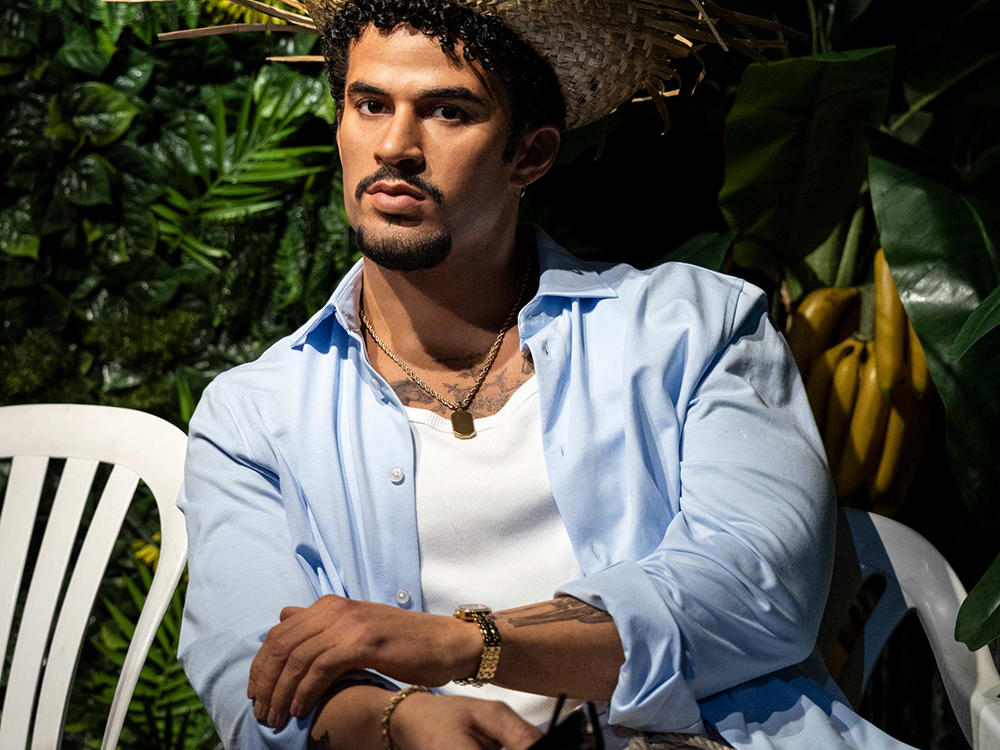
Rather than simply presenting a standing likeness, the museum has recreated an environment instantly recognizable to fans of Bad Bunny's latest artistic era. Seated on a distinctive white monobloc chair inspired by the visual identity of Debí Tirar Más Fotos, the singer wears an elegant straw hat while surrounded by lush tropical vegetation recalling his native Puerto Rico. A second empty chair has intentionally been placed beside him, encouraging visitors to become part of the installation by sitting next to the superstar for a souvenir photograph. The immersive staging transforms the wax figure into an interactive experience instead of a traditional museum display, faithfully reflecting the intimate atmosphere that has characterized the promotion of his latest album.
One particularly meaningful detail can easily escape visitors who are unfamiliar with Puerto Rican culture. Hidden within the scenery appears the small "coquí" tree frog, an animal that has become one of the strongest recurring symbols throughout Bad Bunny's recent artistic universe. Far from being a decorative flourish, the endangered amphibian represents the artist's commitment to raising awareness about biodiversity and environmental preservation on his home island. By incorporating this subtle reference, the Grévin display acknowledges that Bad Bunny's work increasingly blends entertainment with cultural identity and ecological consciousness, themes that resonate throughout Debí Tirar Más Fotos and many of his recent public appearances.
The unveiling also arrives during one of the most remarkable periods of Bad Bunny's career. Beyond dominating streaming platforms and concert ticket sales, the Puerto Rican star has established himself as an influential figure in fashion through collaborations with Adidas, Gucci and Calvin Klein, while simultaneously expanding into acting and even making memorable appearances in WWE. Earlier this year he further cemented his place in popular culture by headlining the Super Bowl LX halftime show, becoming the first artist to deliver a performance conducted almost entirely in Spanish on one of the world's biggest television stages, another milestone illustrating how Latin culture now occupies a central position within global entertainment.
For visitors discovering the statue over the coming weeks, the timing could hardly be more appropriate. Thousands of fans travelling to France for the sold-out concerts in Marseille and Paris have already transformed the performances into celebrations of Puerto Rican culture, many embracing the visual codes of the current tour, from straw hats to Caribbean-inspired outfits. The Grévin installation now extends that experience beyond the concert halls, offering an opportunity to appreciate the artistic universe surrounding Bad Bunny before or after witnessing one of the year's most anticipated live shows.
Discography
2018 – X 100pre
2020 – YHLQMDLG
2020 – El Último Tour del Mundo
2022 – Un Verano Sin Ti
2023 – Nadie Sabe Lo Que Va a Pasar Mañana
2025 – Debí Tirar Más Fotos
Photos: © Virginie Ribaut