

Cutty Sark: A Cinematic Legacy in Film and Television
Thursday 2 July, 1:30 AM PT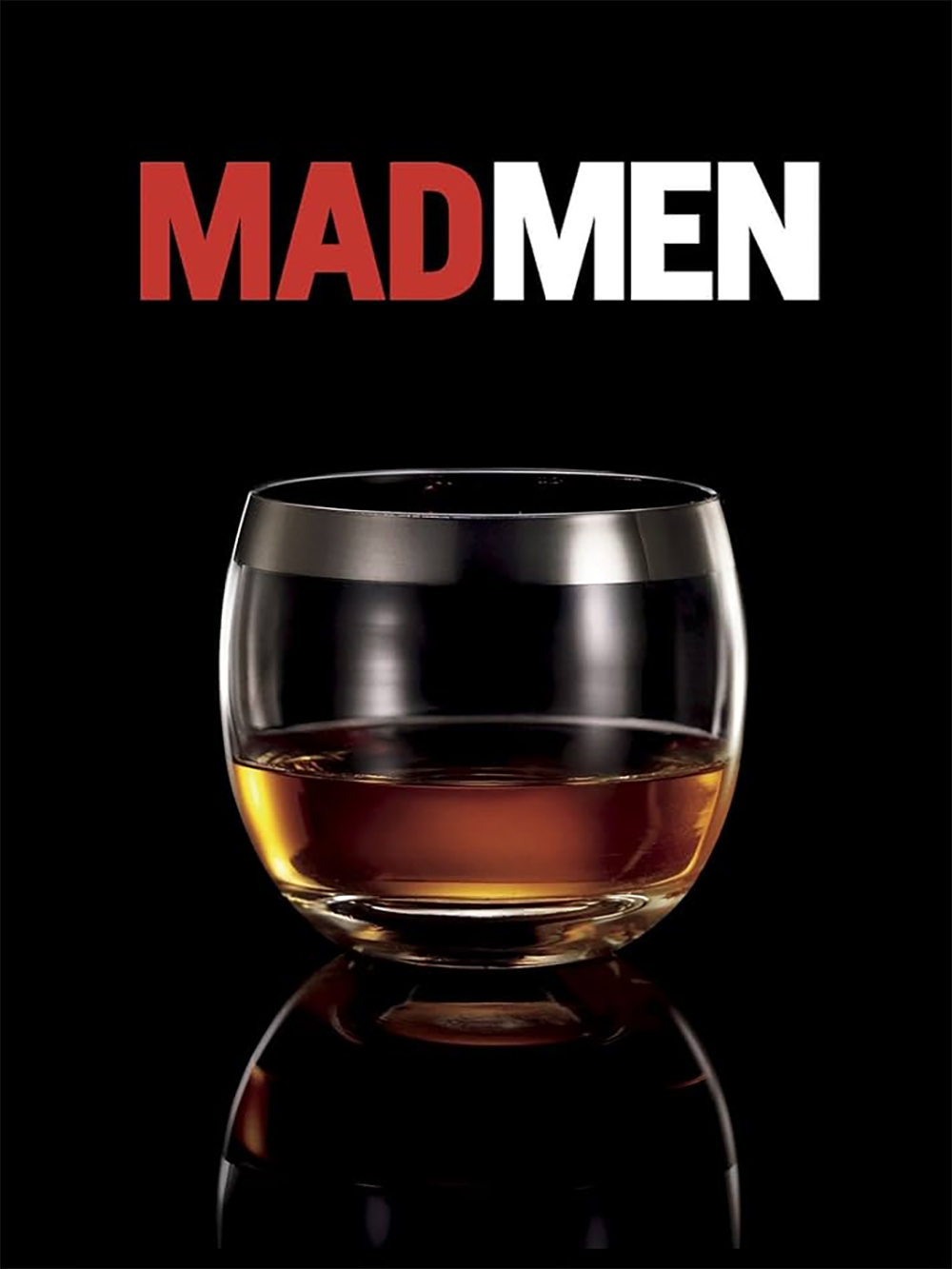
Few whisky brands have enjoyed a cinematic career as long and as understated as Cutty Sark. Unlike products whose appearances are built around obvious commercial placements, the famous blended Scotch has often slipped naturally into films and television series, becoming part of the scenery, the characters and, in some cases, the dialogue itself. For more than half a century, the unmistakable green bottle with its bright yellow label has quietly accompanied gangsters, advertising executives, secret agents and prizefighters, earning a unique place in popular culture.The relationship between Cutty Sark and the entertainment industry can be traced back to the 1960s, when the whisky had already established itself as one of America's best-selling Scotch brands. Its popularity among consumers made it an obvious choice for set decorators seeking authenticity. Rather than introducing an unfamiliar bottle, filmmakers frequently selected Cutty Sark because audiences already recognized it as a premium yet approachable Scotch. According to the brand's own historical archive, its presence on screen stretches across decades of film and television, reinforcing its image as a whisky enjoyed by everyone from businessmen to criminals.
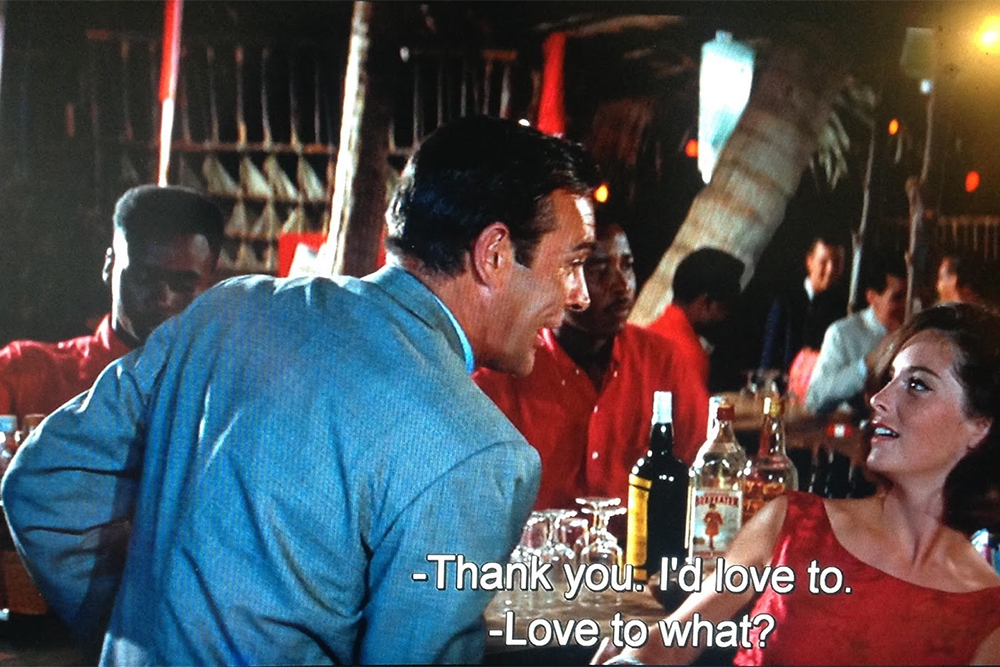
One of the earliest and most memorable appearances comes in Thunderball (1965), where Sean Connery's James Bond is seen enjoying Cutty Sark with soda. While Bond is forever associated with martinis, Ian Fleming's novels often portrayed the British spy as a whisky drinker, and the film adaptation reflected that side of the character. The appearance was subtle but significant, helping associate the brand with sophistication and international style. Later Bond adventures would continue to feature whisky, cementing the spirit's place within the franchise's glamorous world. Martin Scorsese would become one of the directors most closely linked with Cutty Sark. Throughout his career, the whisky repeatedly found its way into his films, often serving as a visual shorthand for the working-class bars and Italian-American social circles that populate his stories. In Taxi Driver (1976), the bottle appears among the liquor selection, reflecting the gritty realism of New York nightlife. Four years later, in Raging Bull (1980), Cutty Sark can be spotted in bar scenes surrounding Jake LaMotta's turbulent personal life. Although never the focus of the camera, its presence contributes to the authenticity that defines Scorsese's filmmaking.
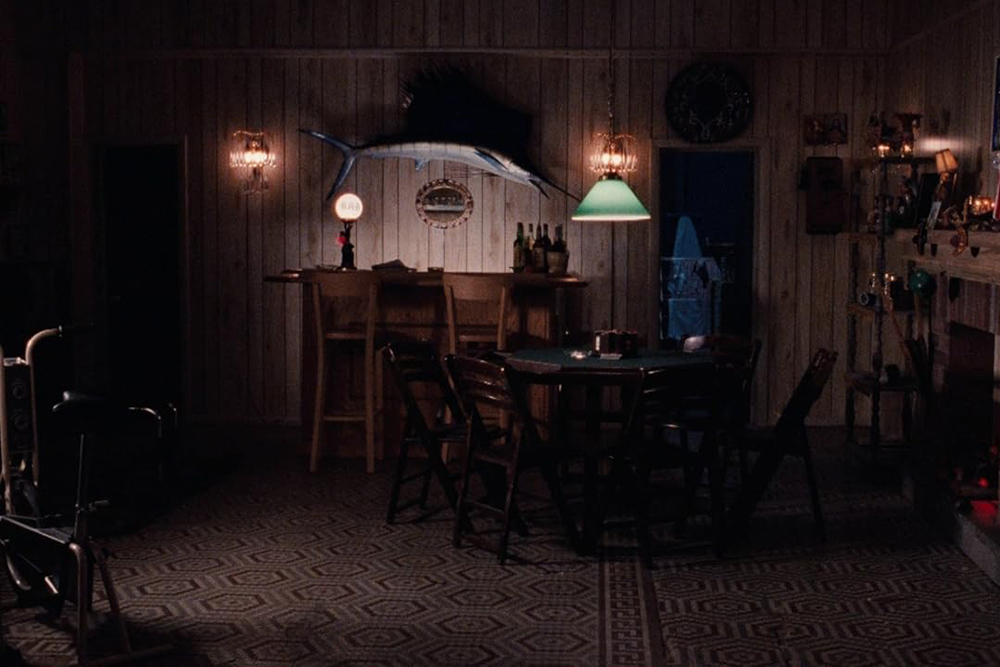
Perhaps no film is more closely associated with the brand than Goodfellas (1990). During one of the movie's most famous exchanges, characters casually order Cutty and water, making the whisky one of the rare Scotch brands to be explicitly named in dialogue within a major Hollywood production. The mention perfectly fits the world of neighborhood bars, mob hangouts and late-night conversations that define the film. Rather than feeling like product placement, Cutty Sark functions as a cultural reference, reflecting what many New Yorkers genuinely ordered during the period portrayed by the film. The repeated association with Scorsese's work has since become part of the brand's own marketing history. The 1990s brought additional visibility through The Associate (1996), starring Whoopi Goldberg. Here, the distinctive bottle is used as a recognizable background prop, continuing the brand's tradition of appearing naturally within office parties and social gatherings. By this point, Cutty Sark had become such a familiar visual cue that audiences rarely questioned its presence. It was simply another element of everyday American life represented on screen.
Cutty Sark's cinematic story extends beyond feature films into television, where it arguably became even more recognizable. HBO's The Sopranos frequently featured the whisky in scenes involving Tony Soprano and his associates, while Boardwalk Empire echoed the brand's real-life connection to the Prohibition era by placing it within stories inspired by organized crime and bootlegging. These appearances were particularly appropriate given Cutty Sark's genuine history of being smuggled into the United States during Prohibition by the legendary rum-runner Bill McCoy, an association that helped make the whisky famous decades before television audiences rediscovered it. Another landmark came with Mad Men, where Cutty Sark became one of several authentic spirits helping recreate the atmosphere of 1960s Madison Avenue. Don Draper and his colleagues inhabit a world where premium Scotch symbolizes ambition, confidence and success, making the brand a natural fit. Interestingly, advertising historians have noted that the show's fictional creative culture bears similarities to the era in which Cutty Sark itself became an advertising icon in the United States, giving the whisky an additional layer of historical relevance beyond its appearance on screen.
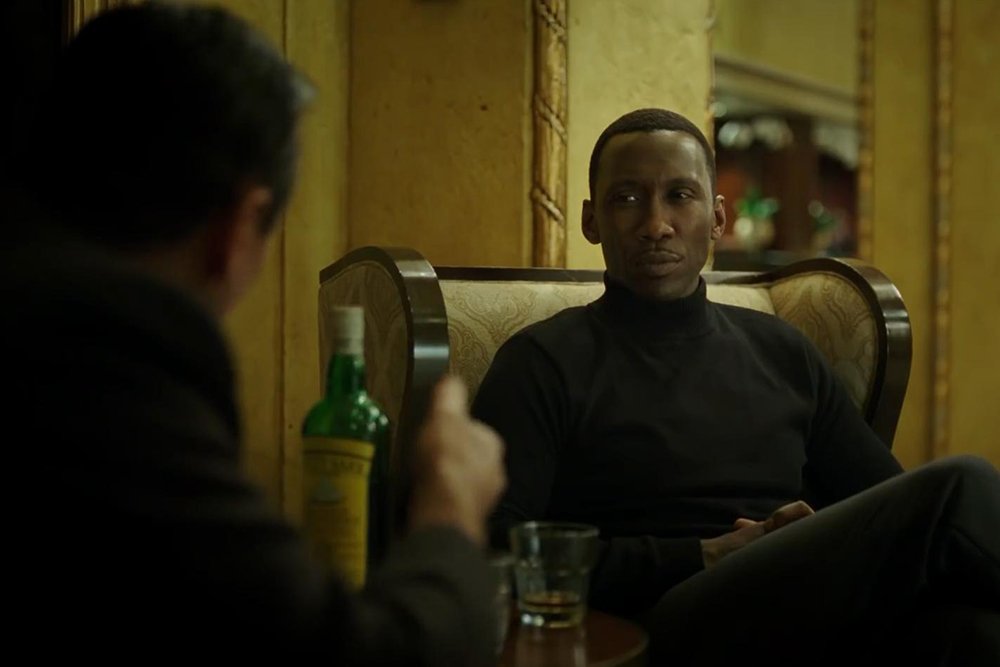
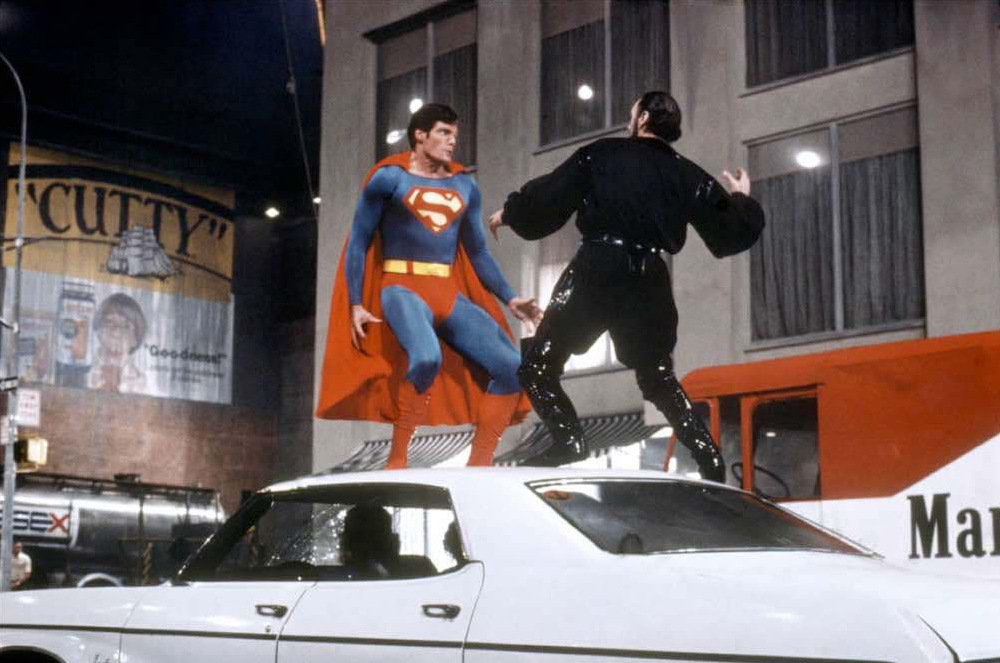
Not every appearance involved a bottle. One of the most unusual examples occurs in Superman II (1980), where a giant Cutty Sark billboard dominates part of the Metropolis skyline during the spectacular battle between Superman and the Kryptonian villains. For only a few moments, the bright yellow advertisement becomes part of one of cinema's most famous superhero sequences, demonstrating how deeply embedded the brand had become in the urban landscape of the late twentieth century. Rather than being held by a character, Cutty Sark appears as part of the city itself, a reminder of the era's advertising culture. Unlike many modern product placements, Cutty Sark's film appearances rarely interrupt the narrative. The whisky usually sits quietly on a back bar, rests on a dining table or appears in a casual drink order. This understated presence has arguably made its cinematic legacy more enduring. Instead of being remembered as an obvious marketing exercise, the brand has become woven into the visual language of crime dramas, character studies and period pieces.
Today, film enthusiasts continue searching for these appearances frame by frame, collecting screenshots and documenting every bottle, billboard and spoken reference. What began as an authentic choice by production designers has evolved into a fascinating chapter of cinema history. Whether glimpsed in a smoky boxing club, a Mafia social club, a Madison Avenue office or the skyline of Metropolis, Cutty Sark has earned a reputation as one of Hollywood's most quietly recurring whisky brands, a supporting player whose yellow label has appeared alongside some of the greatest films ever made.