

Nohée Book Prize 2026 :Three Finalists Chosen by Senior Readers as a Literary Prize Celebrating Memory, Transmission, and Human Connections
Wednesday 1 July, 2:17 AM PT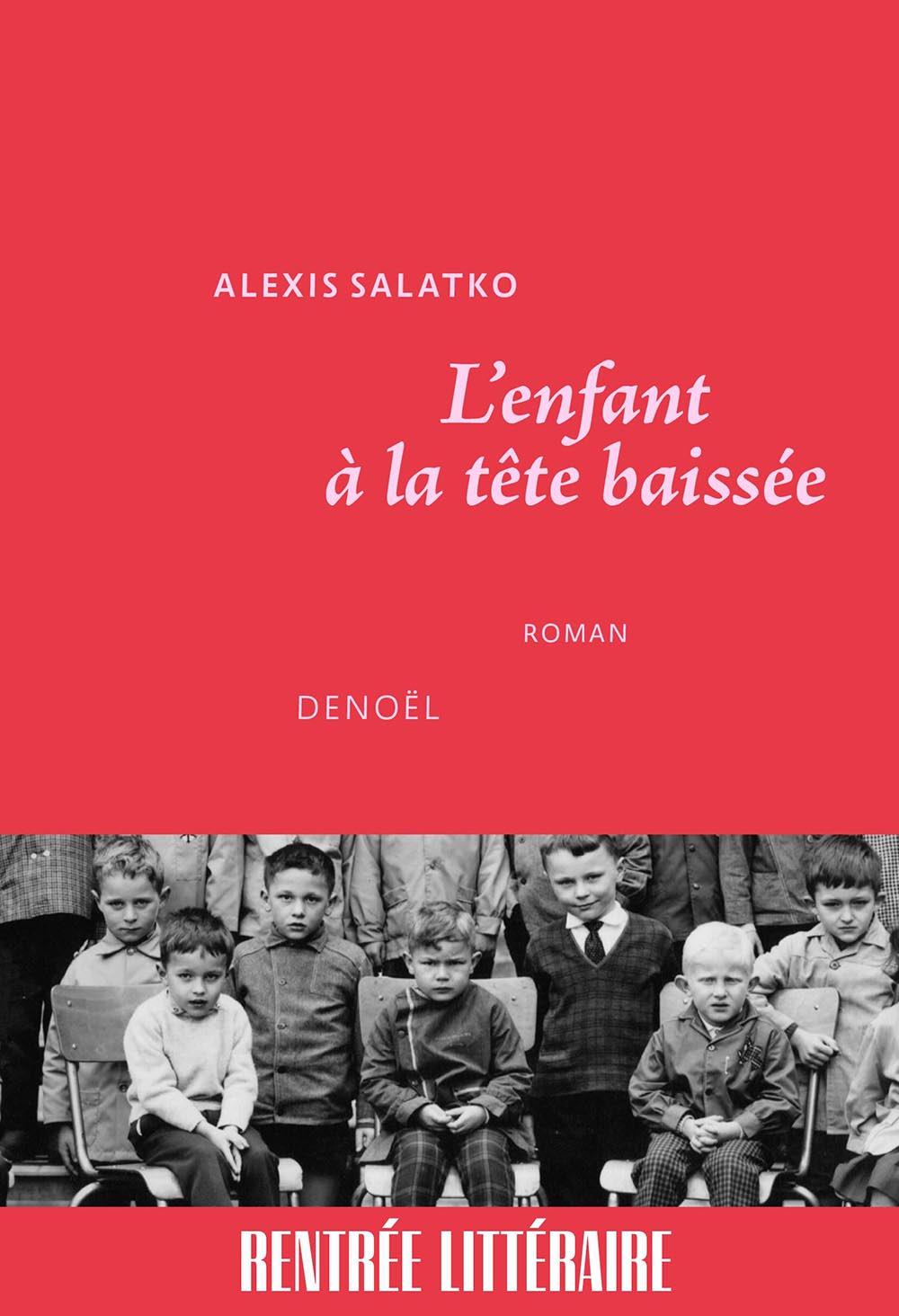
After six months of reading, discussion, and careful deliberation, the readers of the Nohée Reading Club have revealed the three finalists for the seventh edition of the Prix du Livre Nohée, a literary award that has quietly established itself as one of France's most distinctive prizes devoted to intergenerational storytelling. Announced on July 1, 2026, the shortlist reflects the values that have defined the award since its creation in 2020: celebrating novels that explore family heritage, memory, identity, and the invisible threads linking one generation to the next. Unlike many literary prizes driven primarily by critics or publishing professionals, the Prix du Livre Nohée places senior readers at the heart of the selection process. Residents from 39 Nohée senior residences across France spend months reading, debating, and evaluating the nominated books before forwarding their favorites to the final jury. Their choices for 2026 are Michaël Dichter's On l'appelait Bennie Diamond (Les Léonides), Louis Raymond's Loin du Mékong (Calmann-Lévy), and Alexis Salatko's L'enfant à la tête baissée (Denoël), three novels united by their exploration of personal history and emotional inheritance while offering remarkably different literary journeys.
The philosophy behind the Prix du Livre Nohée distinguishes it within the increasingly crowded landscape of French literary awards. Rather than rewarding literary experimentation alone, the €5,000 prize specifically honors works written in French that illuminate what binds individuals to those who came before them: family legacies, forgotten secrets, ancestral roots, intimate memories, and the often fragile process of transmission between generations. This thematic focus naturally resonates with the award's principal readers. For many participants in the Nohée Reading Club, literature is not simply entertainment but a means of revisiting lived experience, preserving memory, and sharing perspectives with fellow residents. Created in partnership with the renowned Librairie Mollat, France's oldest independent bookstore and one of the country's most influential literary institutions, the reading club distributes six thematic book collections every year, encouraging regular exchanges around contemporary literature while reinforcing reading as a social and intellectual activity. The initiative has become a cornerstone of Nohée's broader cultural mission, demonstrating that literary engagement remains vibrant well into later life.
The selection process itself reflects this democratic spirit. Every participating reader assigns an overall score to each title while evaluating several criteria, including emotional impact, originality, and writing quality. The result is a ranking based not on commercial success or critical reputation but on the authentic reactions of hundreds of committed readers whose literary references span generations. Survey data collected among Nohée residents paints a fascinating portrait of these jurors. Predominantly women aged between 75 and 90—some even older—they report reading almost every day. Their motivations extend far beyond leisure: reading stimulates memory, combats loneliness, encourages curiosity, and provides opportunities for conversation within their communities. When asked about the books that have marked their lives, they cite enduring pillars of French and international literature such as Marcel Proust, Victor Hugo, Alexandre Dumas, Jules Verne, Agatha Christie, Molière, and Jacques Prévert, revealing readers whose literary expectations are shaped by decades of passionate engagement with books.
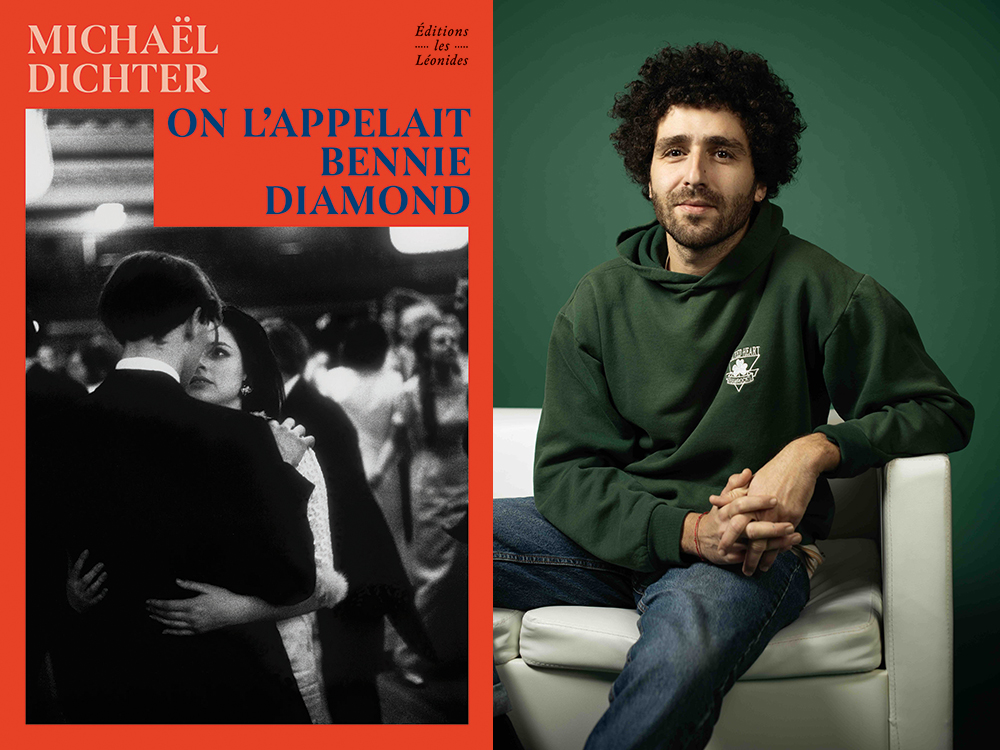
Among this year's finalists, Michaël Dichter's On l'appelait Bennie Diamond transports readers to Antwerp during the 1970s, a city whose historic diamond district has long occupied a central place in the global gemstone trade. The novel follows young Bennie Goodman, whose fascination with precious stones draws him away from religious tradition and toward the glittering yet demanding world of diamond merchants. Inspired by the legacy of his grandfather Yéhuda, whose success came at the cost of family rupture, Bennie's journey unfolds as both a coming-of-age story and a meditation on ambition, inheritance, identity, and belonging. By moving between diamond-cutting workshops and the famous Antwerp Diamond Exchange, Michaël Dichter explores not only economic success but also the emotional price attached to family expectations and fractured legacies. The novel's nuanced examination of social mobility and generational responsibility perfectly embodies the values the Prix du Livre Nohée seeks to highlight.
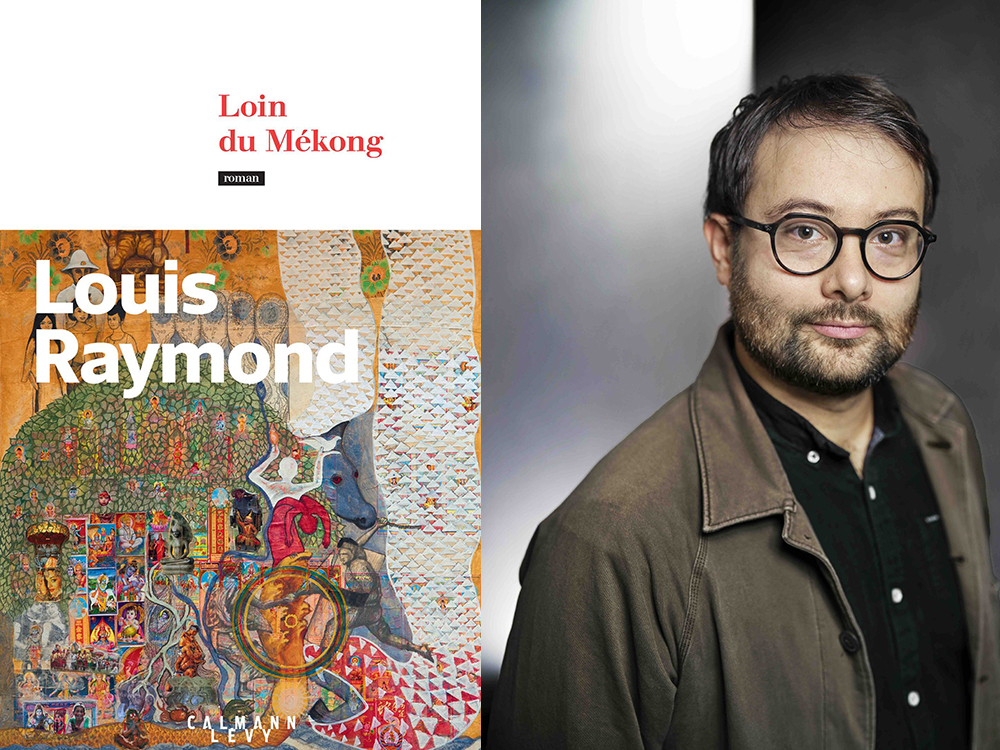
Equally rooted in questions of memory, Louis Raymond's Loin du Mékong broadens the geographical and historical scope of this year's shortlist. The novel intertwines two narratives separated by nearly a century. One follows a young Frenchman searching for his grandmother's grave in the Mekong Delta, while the other recounts the story of a pregnant Vietnamese woman leaving her in-laws to reunite with her husband, who has departed to work on a plantation in Cambodia during the colonial era. Gradually, the two destinies converge into a family saga shaped by silence, displacement, and forgotten histories. Drawing upon the complex legacy of former French Indochina, Louis Raymond combines intimate investigation with historical reconstruction to explore themes of exile, mixed heritage, identity, and cultural memory. By revisiting a chapter of history that remains relatively underrepresented in contemporary French fiction, the novel offers readers both an emotionally engaging narrative and an invitation to reflect upon the ways family histories disappear—or survive—through successive generations.
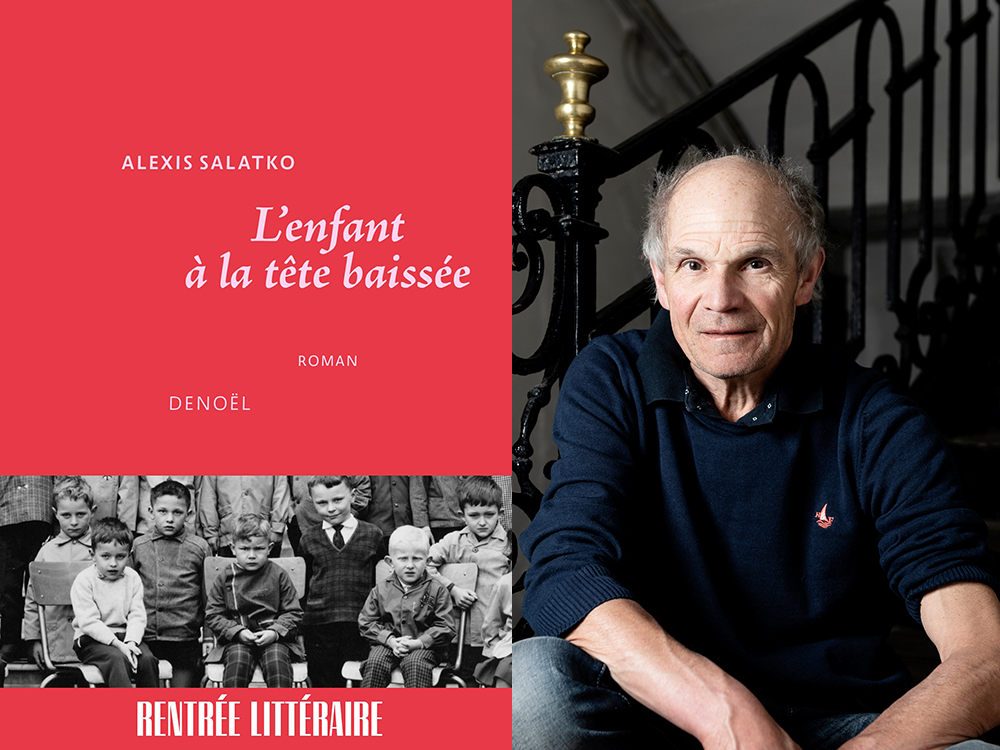
The third finalist, Alexis Salatko's L'enfant à la tête baissée, shifts the focus toward an intensely personal story inspired by the author's own experiences. Its protagonist, Alio, suffers from a rare eating disorder that prevents him from eating in front of others, leaving him isolated and misunderstood throughout childhood. Bullied by classmates and overwhelmed by feelings of difference, he gradually discovers refuge in literature through the books his mother places in his hands. Reading becomes more than escapism; it becomes a way of constructing identity and rebuilding confidence. The novel examines resilience with remarkable sensitivity, illustrating how literature itself can become a powerful force for healing. It is perhaps unsurprising that this deeply human story resonated so strongly with the senior readers participating in the Prix du Livre Nohée, many of whom recognize in its pages the enduring importance of books as companions throughout life's most difficult moments.
The announcement of the finalists now gives way to the final stage of the competition. The winner will be selected in October 2026 by a jury chaired by acclaimed French actress Brigitte Fossey, whose distinguished career has spanned more than six decades since her unforgettable childhood performance in Forbidden Games. She will be joined by photographer Francesca Mantovani, journalist and Radio Classique presenter Élodie Fondacci, journalist and author Pascale Senk, physician and writer Éric Bouhier, author of Dictionnaire amoureux de San-Antonio, and novelist and psychoanalyst Philippe Grimbert, whose literary work has frequently explored memory, identity, and family relationships. The composition of the jury mirrors the multidisciplinary nature of the prize itself, bringing together voices from literature, journalism, photography, medicine, and cinema.
Beyond the annual award, the Prix du Livre Nohée represents a broader commitment to encouraging literary culture among older adults throughout the year. During the past two years, Nohée has actively participated in Les Nuits de la Lecture, France's nationwide celebration of reading organized under the auspices of the French Ministry of Culture. The organization also promotes intergenerational dialogue through collaborations with Les Petits Champions de la Lecture, encouraging encounters between young readers and senior participants, as well as collective writing workshops centered on storytelling, memory, and the transmission of personal histories. These initiatives reinforce a growing recognition that literature can serve not only as a cultural activity but also as a powerful tool against social isolation while strengthening connections between generations.
As the seventh edition enters its decisive phase, the Prix du Livre Nohée continues to demonstrate that literary prizes can achieve far more than simply rewarding exceptional books. By entrusting senior readers with genuine influence over the selection process, it recognizes a community whose experience, sensitivity, and lifelong relationship with literature enrich the conversation around contemporary fiction. The three finalists selected for 2026 each approach the themes of inheritance, identity, and remembrance from unique perspectives, yet together they illustrate precisely why storytelling remains one of the most enduring ways of preserving human experience. In celebrating novels that illuminate the ties between past and present, the Prix du Livre Nohée affirms that reading is not merely an individual pleasure but an act of transmission—one capable of bridging generations, preserving memory, and ensuring that the stories defining families and communities continue to be shared.
(Source : press release)