

The Death Of Robin Hood : Hugh Jackman Reinvents the Legendary Outlaw in a Dark and Haunting A24 Epic
Tuesday 9 June, 9:00 AM PT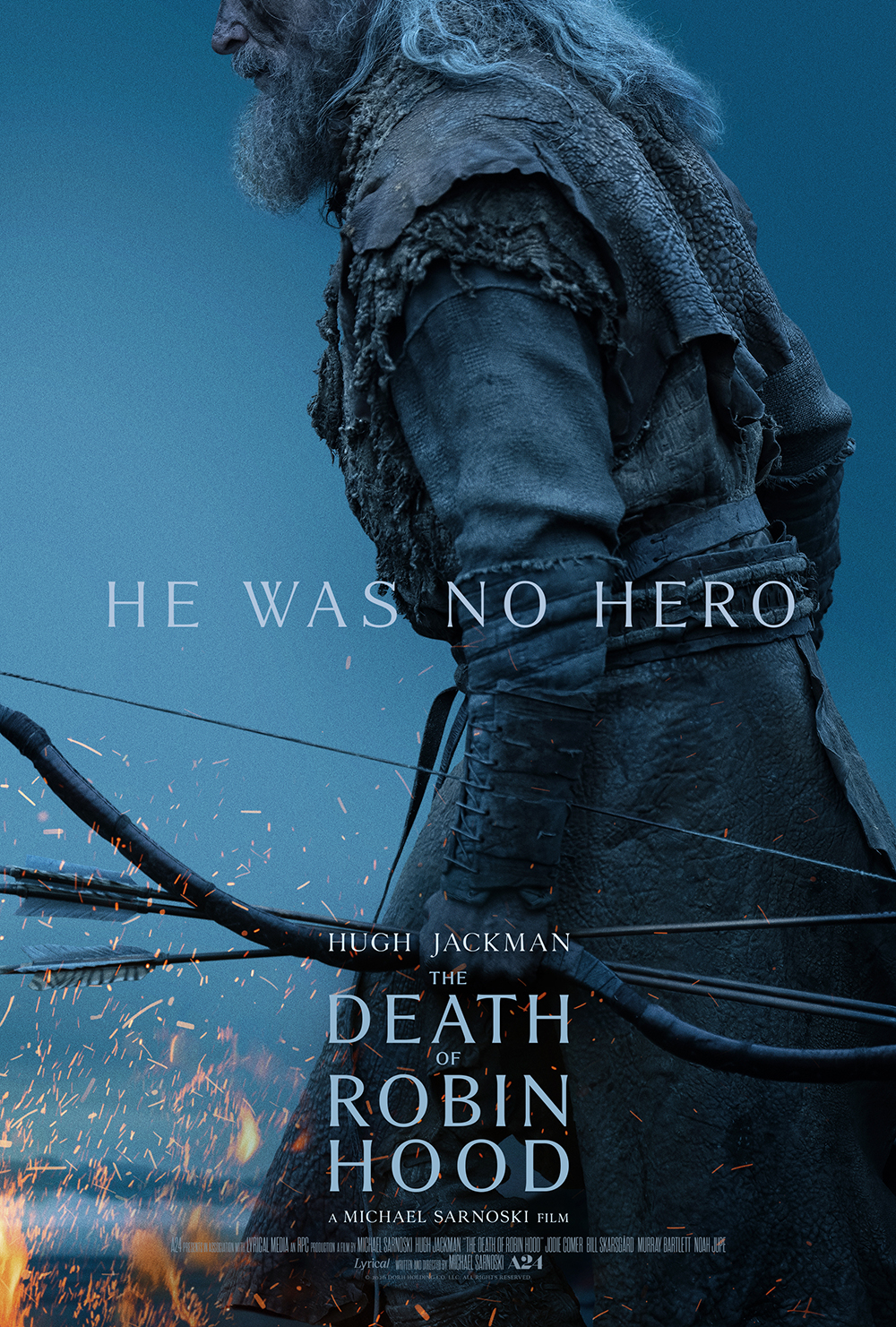
When the first trailer for The Death Of Robin Hood arrived, it immediately became clear that audiences were not about to witness another traditional retelling of the famous outlaw of Sherwood Forest. Under the direction of Michael Sarnoski, the acclaimed filmmaker behind Pig and A Quiet Place: Day One, this ambitious A24 production strips away centuries of romanticism to reveal a brutal, introspective, and deeply human portrait of a man confronting the consequences of a lifetime of violence. Scheduled for release in the United States on June 19, 2026, before arriving in French theaters on July 1, 2026, the film stars Hugh Jackman, Jodie Comer, Bill Skarsgård, Murray Bartlett, and Noah Jupe, and promises to be one of the most distinctive cinematic reinterpretations of the Robin Hood myth ever attempted. According to the official production notes, the story follows an aging Robin Hood who is left for dead after a devastating battle and finds himself in the care of a mysterious woman who offers him one final chance at redemption.
What makes this project particularly fascinating is the deeply personal connection that Michael Sarnoski has with the legend itself. Long before he became one of Hollywood’s most intriguing emerging filmmakers, he was captivated by an obscure medieval ballad describing Robin Hood’s death at the hands of a prioress. Unlike the familiar tales of daring archery contests and noble thefts from the rich, this little-known story explored the outlaw’s final days in quiet isolation, a concept that stayed with the filmmaker throughout his life. The result is a screenplay that deliberately challenges the popular image of Robin Hood as a selfless hero. Instead, Michael Sarnoski presents a man burdened by guilt, haunted by his actions, and increasingly aware that the heroic legend surrounding him may have been built upon uncomfortable truths. The director has openly stated that he wanted to examine the stories people tell themselves and question whether the myths we inherit truly reflect reality.
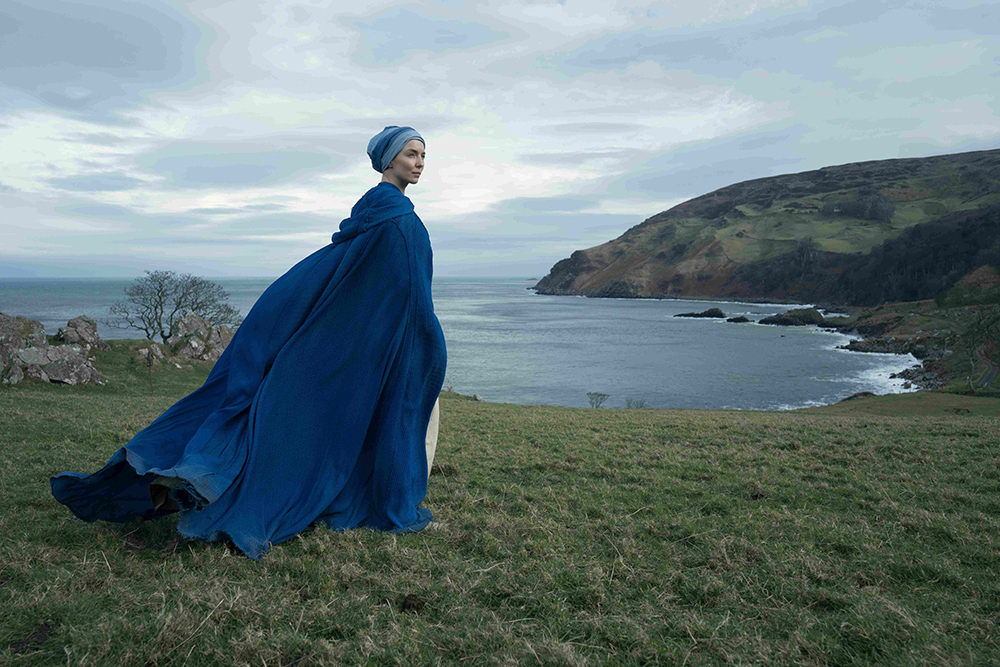
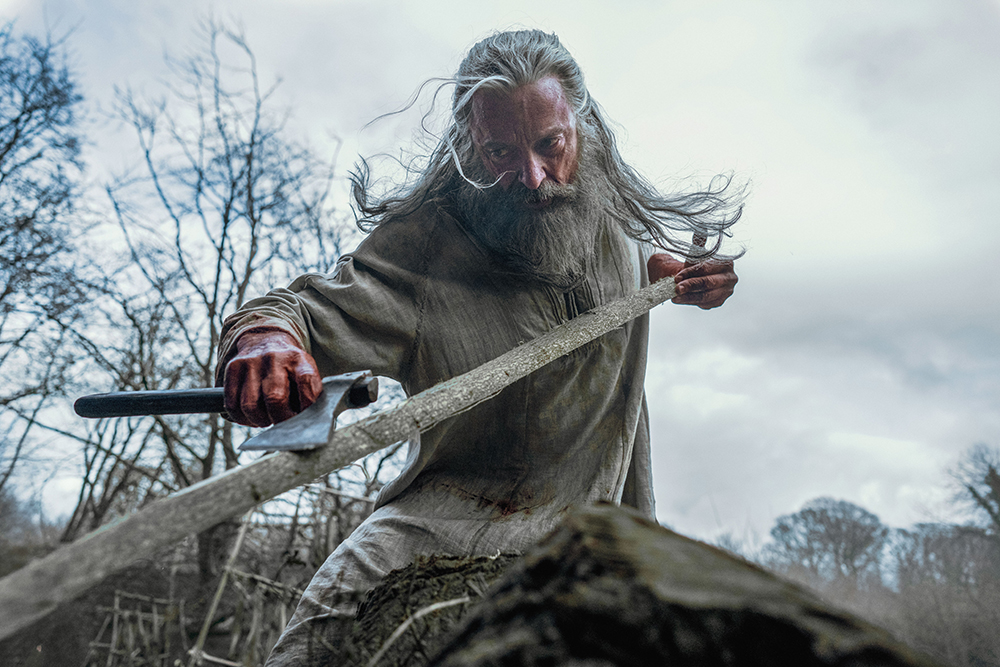
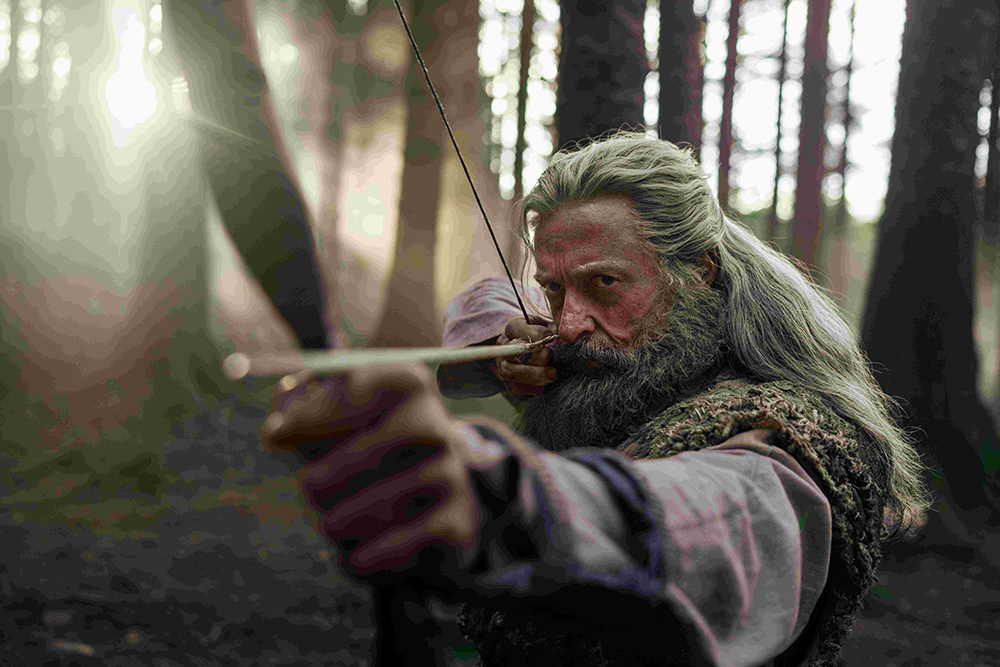
In this version of the story, Robin Hood is no longer the youthful rebel celebrated in countless films, television series, and books. Set around the year 1247, the film portrays him as an aging outlaw living on the fringes of society, carrying the weight of decades of bloodshed. His former band of Merry Men has long since disappeared, and Robin survives as a hunted man whose reputation has become both a shield and a curse. After accepting one final violent mission from his old companion Little John, played by Bill Skarsgård, Robin suffers severe injuries and is taken to an isolated priory where he encounters Sister Brigid, portrayed by Jodie Comer. Far from the stereotypical villainess found in some medieval accounts, Brigid is depicted as a healer, spiritual guide, and source of compassion who gradually forces Robin to confront the reality of his life and the damage he has inflicted upon others.
The casting itself is one of the film’s greatest strengths on paper. Hugh Jackman, who also serves as one of the producers, reportedly pursued the project after reading the screenplay and recognizing the emotional complexity of the character. The role appears to build upon themes explored in films such as Logan, where Jackman previously portrayed another aging warrior grappling with mortality and regret. According to the production notes, the actor underwent a significant physical transformation to portray a weathered Robin Hood who has spent years surviving in harsh conditions. Interestingly, Michael Sarnoski has described Robin as both monstrous and sympathetic, a dangerous man capable of terrible acts yet still possessing traces of humanity buried beneath decades of violence. That duality is something Hugh Jackman has repeatedly excelled at throughout his career, making him an inspired choice for this unconventional interpretation.
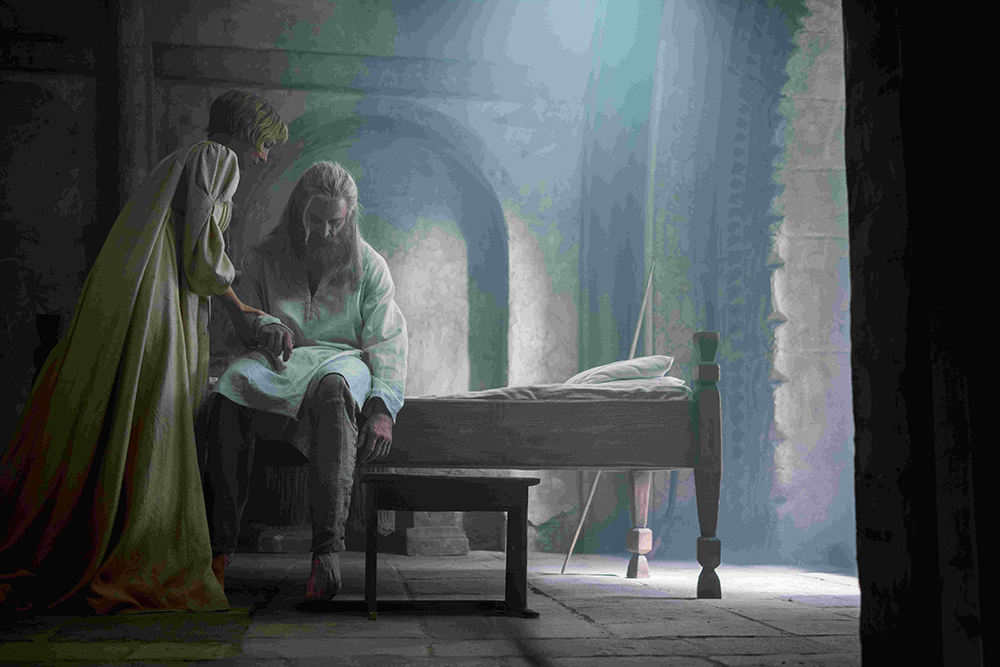
Equally intriguing is the presence of Jodie Comer, whose performance as Sister Brigid appears central to the film’s emotional core. Rather than serving as a simple supporting character, Brigid functions as Robin’s moral counterpart. Inspired in part by the historical figure Hildegard of Bingen, the character combines spiritual wisdom, healing knowledge, and personal trauma. The relationship between Robin and Brigid forms the backbone of the narrative, transforming what initially appears to be a grim survival story into a meditation on forgiveness, accountability, and grace. Production notes reveal that Michael Sarnoski specifically sought an actress capable of conveying both mystery and warmth, qualities that have defined many of Jodie Comer’s most acclaimed performances. Their dynamic is expected to provide much of the film’s emotional depth.
Another compelling element is the film’s approach to Little John. Played by Bill Skarsgård, the character is reimagined as a deeply damaged survivor of Robin’s violent world. Far removed from the jovial giant often portrayed in family-friendly adaptations, this version of Little John is described as a man raised through brutality, shaped by years of crime and warfare. Michael Sarnoski reportedly envisioned him as a figure combining childlike innocence with terrifying violence, an idea that immediately attracted Bill Skarsgård, who compared the film’s unusual tonal journey to starting as The Revenant before evolving into something closer to Phantom Thread. That comparison alone suggests a film willing to blend physical brutality with psychological and emotional complexity.
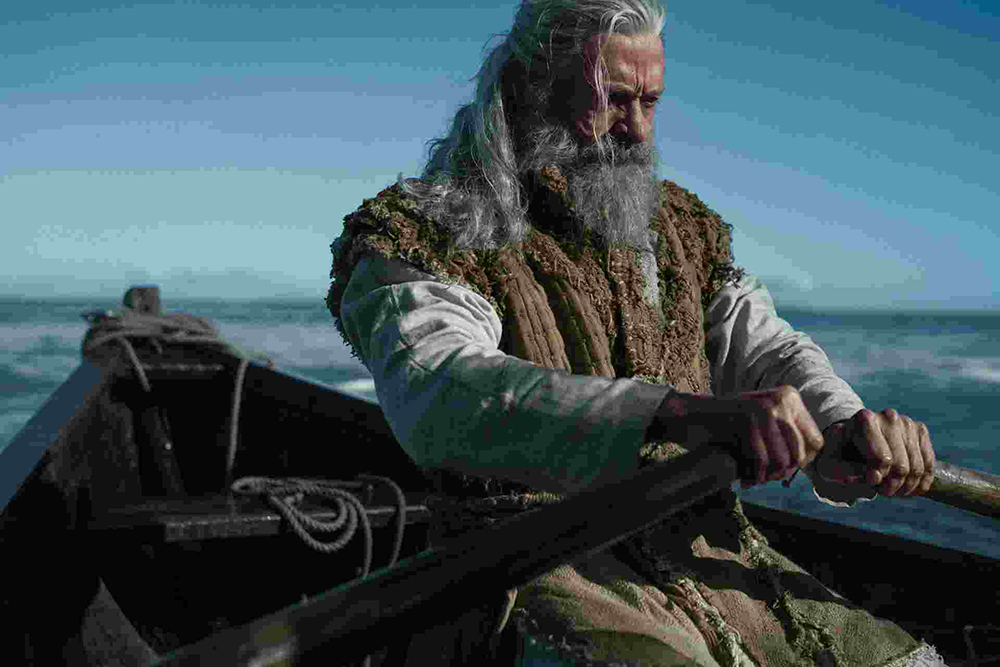
Visually, The Death Of Robin Hood appears determined to avoid the polished fantasy aesthetic associated with many previous Robin Hood films. Reuniting with cinematographer Pat Scola, Michael Sarnoski chose to shoot on film, creating an image that balances historical realism with an almost dreamlike quality. The filmmakers structured the visual language around Robin’s emotional journey. Early sequences feature cold, desaturated tones reflecting the harshness of his existence, while warmer colors emerge once he arrives at the priory. An additional creative choice involves changing the aspect ratio during the film, transitioning from a wider frame associated with Robin’s legendary persona to a more intimate format that emphasizes personal reflection and emotional vulnerability.
The production’s commitment to authenticity extended beyond cinematography. Principal photography took place in Northern Ireland, a region already famous among fantasy enthusiasts thanks to its association with Game of Thrones. Production designer David Lee and costume designer Lorna Marie Mugan collaborated extensively to recreate a believable version of 13th-century Britain while preserving the timeless, almost mythical atmosphere envisioned by Michael Sarnoski. The filmmakers researched architectural influences from the period and designed costumes that reflect Robin’s transformation throughout the narrative, moving from bleak, earth-toned survival gear to environments filled with warmer colors and signs of spiritual renewal.
One of the most distinctive artistic choices may come from the film’s score. Rather than hiring a traditional Hollywood composer, the production enlisted English folk musician Jim Ghedi, whose work draws heavily from ancient musical traditions while incorporating contemporary influences. Born near Loxley, often cited as Robin Hood’s birthplace, Jim Ghedi brings an unusual authenticity to the project. His music, combined with contributions from longtime Ridley Scott collaborator Tony Lewis, is expected to reinforce the film’s blend of historical atmosphere and emotional intimacy.
Perhaps the most exciting aspect of The Death Of Robin Hood is how confidently it embraces risk. Robin Hood has been adapted countless times, from the classic adventures starring Errol Flynn to the Disney animated feature, from Kevin Costner’s blockbuster interpretation to Ridley Scott’s grittier historical take. Yet Michael Sarnoski appears less interested in retelling familiar adventures than in exploring what happens after the legend ends. The film asks a provocative question rarely addressed in previous adaptations: what if Robin Hood spent his final days not celebrating his victories, but confronting the possibility that he was never the hero history remembered? If the trailer is any indication, audiences should prepare for a haunting character study rather than a traditional swashbuckling adventure. Backed by A24’s reputation for supporting bold filmmaking and anchored by an exceptional cast led by Hugh Jackman and Jodie Comer, The Death Of Robin Hood is shaping up to be one of the most intriguing and potentially unforgettable reinterpretations of a legendary character in recent years.
Synopsis :
An aging Robin Hood is seriously wounded after a battle. In the hands of a mysterious woman, he is offered a chance at salvation.
The Death of Robin Hood
Written and directed by Michael Sarnoski
Produced by Aaron Ryder, Andrew Swett, Alexander Black, Hugh Jackman
Starring Hugh Jackman, Jodie Comer, Bill Skarsgård, Murray Bartlett, Noah Jupe
Cinematography : Pat Scola
Edited by Andrew Mondshein
Music by Jim Ghedi
Production companies : Lyrical Media, RPC
Distributed by A24
Release date : June 19, 2026 (United States), July 1, 2026 (France)
Photos : Copyright A24