

Masters of the Universe : Childhood Dreams, Castle Grayskull and a Passionate Cast Celebrate the Epic Return of He-Man
Wednesday 20 May, 4:00 AM PT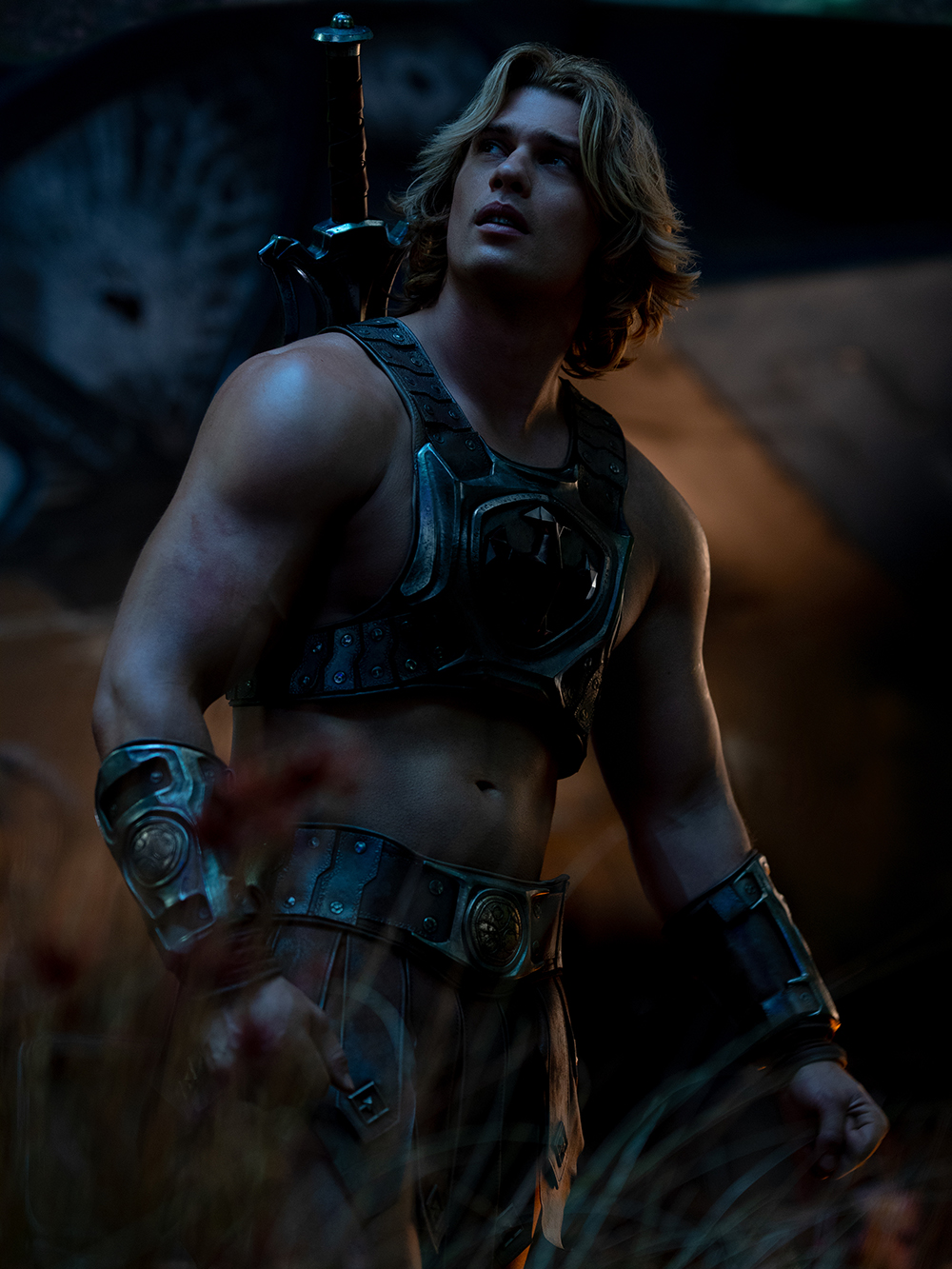
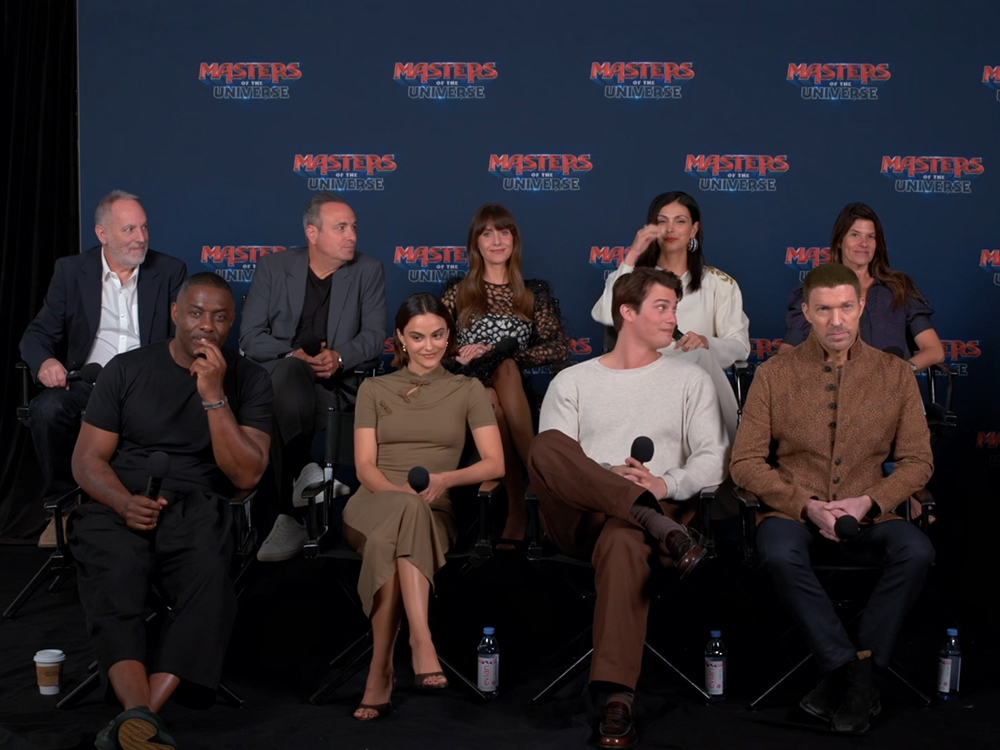
The press conference for Masters of the Universe felt less like a traditional promotional event and more like a gathering of lifelong fans who somehow found themselves entrusted with one of the most beloved fantasy franchises of the 1980s. Moderated by Kevin McCarthy, the discussion brought together director Travis Knight, stars Nicholas Galitzine, Camila Mendes, Idris Elba, Alison Brie, Morena Baccarin, producers Robbie Brenner, Jason Blumenthal, and Todd Black in the wake of the film’s world premiere, an event that reportedly transformed the iconic TCL Chinese Theatre into Castle Grayskull itself. The atmosphere throughout the conversation was remarkably personal, with nearly every participant sharing childhood memories of He-Man, revealing just how much emotional investment exists behind this ambitious new adaptation.
For Travis Knight, whose previous work on films such as Kubo and the Two Strings and Bumblebee established him as a filmmaker capable of balancing spectacle with heartfelt storytelling, directing Masters of the Universe represented the culmination of a four-decade journey. He openly recalled playing with the original Mattel toys, reading the comics, watching the Filmation cartoon after school and even making his own homemade He-Man movie as a child using his father’s video camera. That anecdote became one of the emotional anchors of the conference, illustrating how deeply connected he has been to the mythology since childhood. According to Travis Knight, one of the most moving moments during production came when Nicholas Galitzine performed Prince Adam’s famous transformation into He-Man for the first time, a scene that reportedly brought the director close to tears as he watched a character who had occupied his imagination for decades finally come to life on a giant soundstage.
That emotional authenticity also appears to have guided Nicholas Galitzine’s approach to Prince Adam and He-Man. While much public attention has focused on the actor’s physical preparation for the role, he repeatedly emphasized that the psychological journey mattered just as much. During the conference, he explained that his conversations with Travis Knight centered on finding the humanity beneath the legendary hero. Rather than portraying He-Man as an invincible icon from the outset, the film explores a young man who has spent much of his life being doubted, misunderstood and rejected. In one of the most revealing moments of the discussion, Nicholas Galitzine admitted that when delivering the iconic transformation line, he drew upon his own experiences as an actor facing years of auditions and rejection. Having spent thirteen years building his career before landing this role, he described the scene as genuinely cathartic. Equally touching was his recollection of arriving in Los Angeles as a young British actor with little certainty about where he would sleep, spending time on couches in North Hollywood while dreaming of one day having a movie premiere at the Chinese Theatre. The fact that he returned years later not merely as a leading man but as He-Man himself gave the premiere a personal significance that extended far beyond the success of a blockbuster.
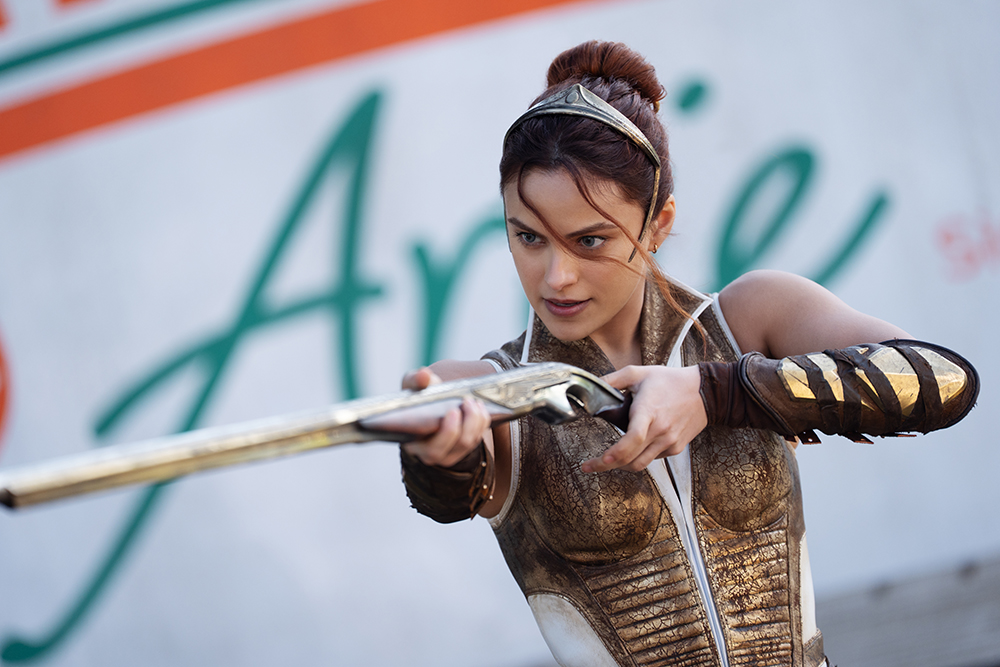
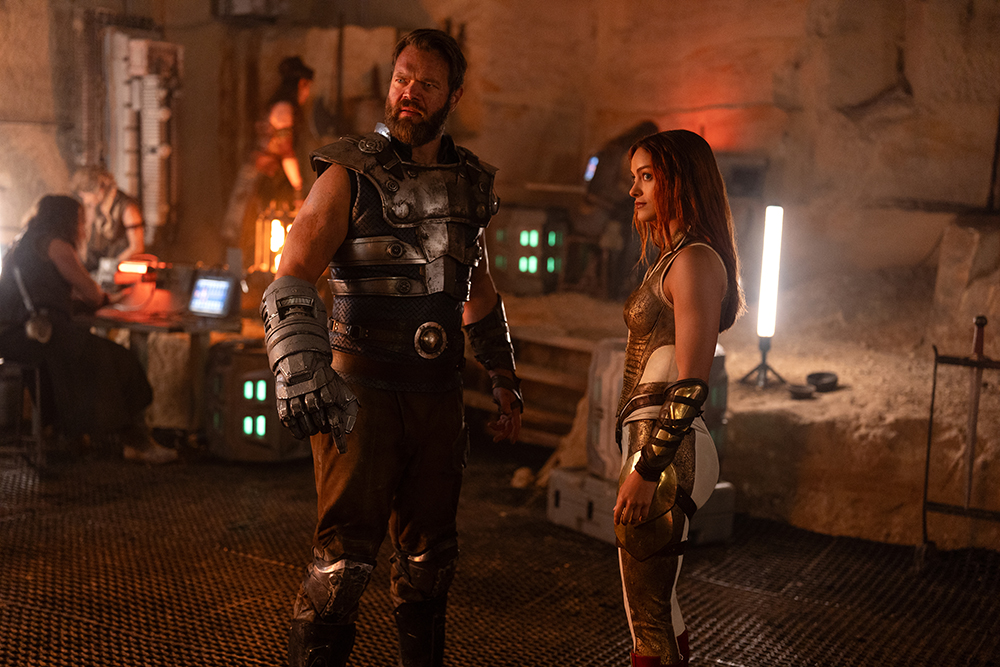
The conference also highlighted the importance of Teela in this new interpretation of the mythology. Camila Mendes described her character as far more than a supporting warrior, emphasizing her leadership role during the story’s early stages. As the daughter of Duncan, better known as Man-At-Arms, Teela has spent her life training for combat, but the actress stressed that the emotional core of the character lies in her complicated relationship with her father. According to Camila Mendes, Teela becomes a guiding force for both Prince Adam and Duncan at moments when neither is fully capable of accessing their own strength. Her comments suggested that the film places a strong emphasis on interpersonal relationships and emotional growth rather than simply relying on action spectacle. The actress also reflected on the experience of stepping into such an iconic fantasy world, noting that one particularly memorable moment occurred when the heroes descended together toward Castle Grayskull, a sequence she described as instantly conveying the magnitude of what the production was attempting to achieve.
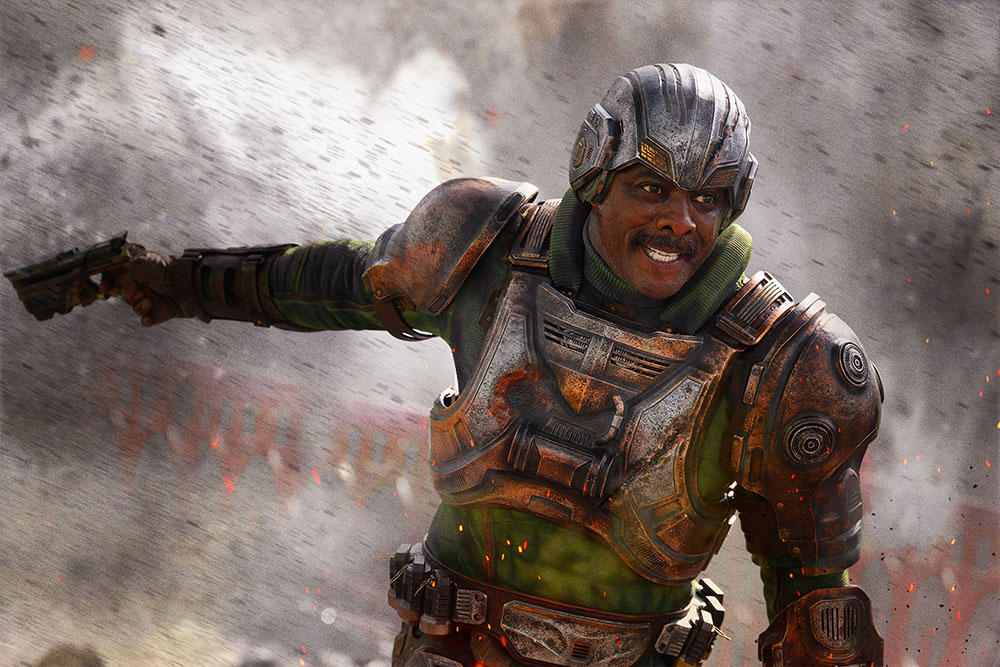
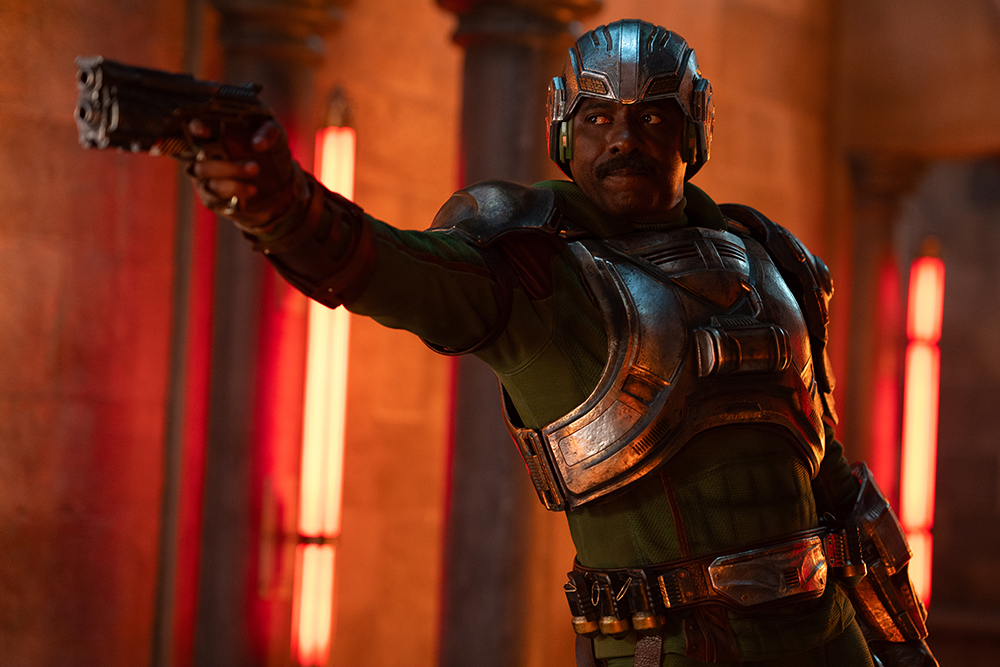
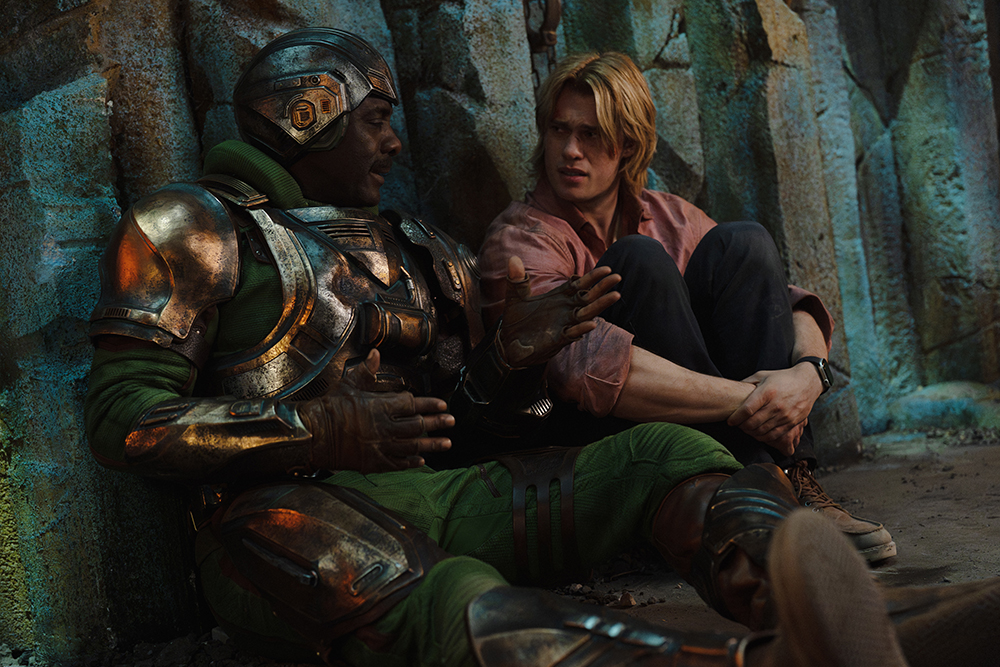
For Idris Elba, the role of Duncan offered an opportunity to explore a surprisingly emotional side of a character often remembered primarily as a warrior and mentor. He explained that many of his discussions with Travis Knight focused on fatherhood, particularly the emotionally restrained masculinity associated with older generations. Drawing inspiration from conversations about their own fathers, Idris Elba sought to create a version of Duncan whose strength is defined as much by loss and love as by physical prowess. In a humorous exchange that drew laughter from the room, he joked that by the end of filming he genuinely felt like Camila Mendes’ father, checking whether she had brushed her teeth or eaten lunch. Beneath the humor, however, was an indication of the genuine bond formed between the cast members during production and the importance of the father-daughter dynamic to the story itself.
Producer and Mattel Studios President Robbie Brenner, whose previous success with Barbie helped redefine the cinematic potential of toy-based properties, spoke extensively about the unique emotional connection audiences have with brands like Masters of the Universe. She argued that toys occupy a special place in childhood because they encourage imagination, wonder and storytelling. According to Robbie Brenner, the challenge was not merely to recreate the original mythology but to preserve its spirit while introducing it to a new generation. Her comments reinforced the broader strategy Mattel Studios has adopted in recent years: treating beloved toy lines not simply as intellectual property but as emotional touchstones capable of supporting ambitious cinematic storytelling.
One of the most fascinating discussions involved Morena Baccarin, who revealed that she grew up playing both He-Man and She-Ra with her brother. That personal connection gave her immediate familiarity with the mythology before she ever stepped onto the set. Playing the Sorceress required a different type of performance than many fantasy blockbusters demand. Rather than focusing on grand gestures, she described the role as an exercise in trust, trusting the costume design, the production design and the creative vision surrounding her. The actress repeatedly returned to the notion that the character’s presence emerged naturally from the environment created by the filmmakers. Her most memorable moment came when she finally walked through the completed Castle Grayskull set and found herself standing inside a place that had existed only in childhood imagination. Unable to resist, she secretly photographed the set and sent the images to her brother, sparking an excited exchange between two lifelong fans.
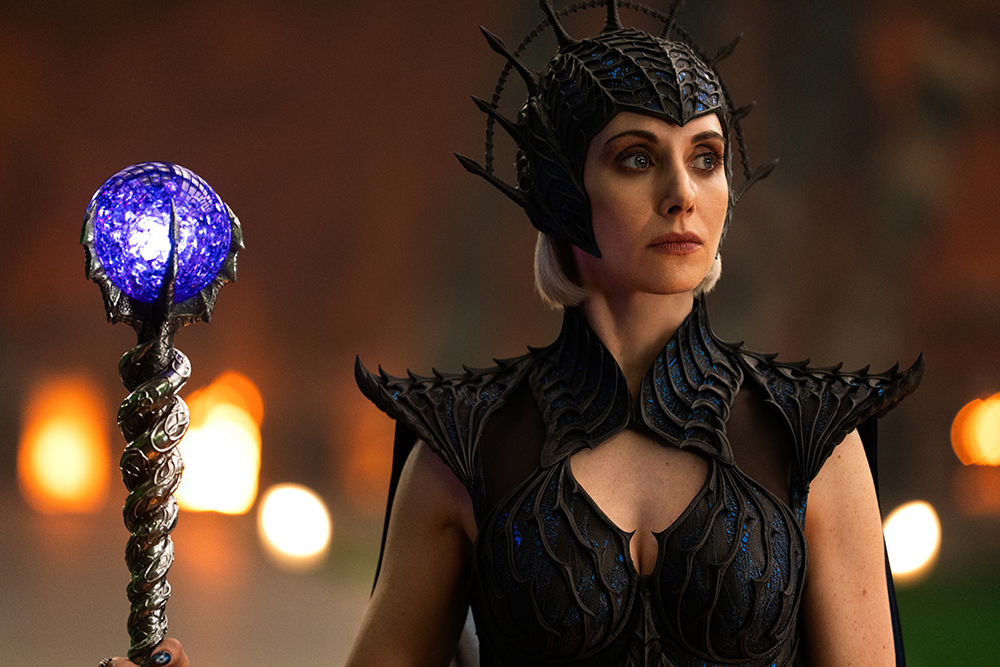
If the heroes represent one side of the franchise, the villains clearly generated equal enthusiasm. Alison Brie offered particularly entertaining insights into her portrayal of Evil-Lyn, a character she openly embraced as a villain despite moderator Kevin McCarthy attempting to soften the label. She described the complicated relationship between Evil-Lyn and Skeletor as one of the most enjoyable aspects of the film, highlighting how their alliance constantly shifts between loyalty, manipulation, affection and betrayal. According to Alison Brie, many of the funniest and most compelling moments emerged through collaboration with Travis Knight and co-star Jared Leto, who portrays Skeletor. Perhaps most intriguing was her revelation that Jared Leto performed in a full Skeletor costume rather than relying solely on performance-capture technology. Complete with blue musculature, imposing boots, a dramatic cloak and a terrifying red facial design, the practical approach reportedly helped the cast fully immerse themselves in the fantasy world.
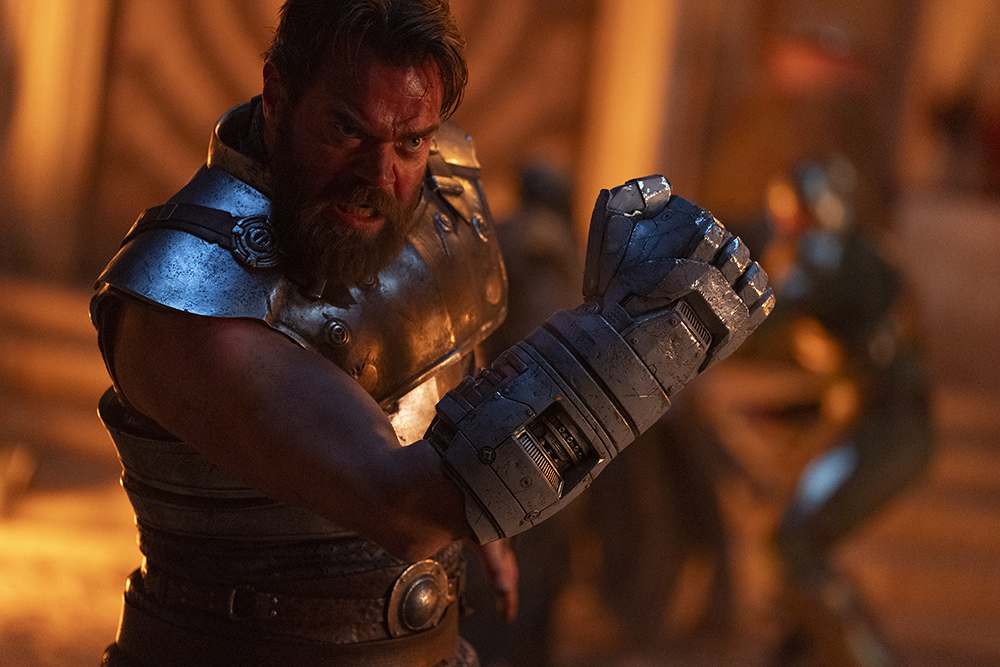
The physical production itself emerged as one of the conference’s recurring themes. Both Jason Blumenthal and Todd Black emphasized that bringing Masters of the Universe to the screen had been an extraordinarily long process, with development efforts stretching back approximately eighteen years. For them, the film represented not only a professional achievement but a responsibility to generations of fans. The producers repeatedly referred to themselves as custodians of the property, determined to avoid compromising the scale and ambition required for a theatrical adaptation. Todd Black even compared the excitement surrounding the premiere to his childhood memories of seeing Star Wars in a packed cinema, arguing that certain stories simply demand a large-screen communal experience. Their comments reflected a broader confidence that Masters of the Universe belongs in the tradition of grand fantasy adventures designed to be experienced with an audience.
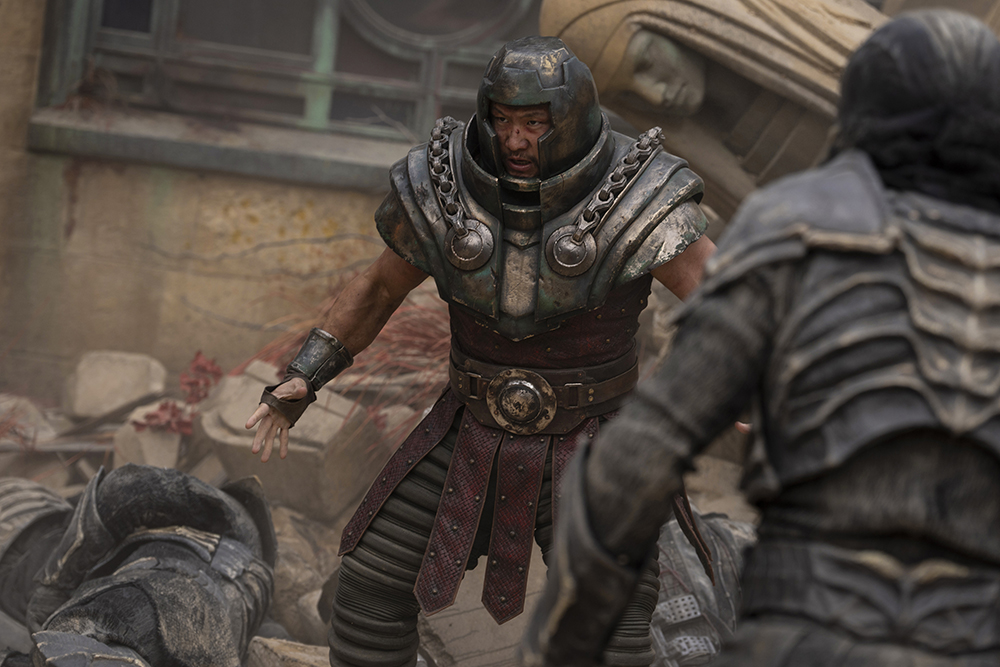
Another standout topic was the film’s music. Travis Knight revealed that composer Daniel Pemberton approached the score with the spirit of the 1980 cult classic Flash Gordon firmly in mind, particularly its legendary soundtrack by Queen. In a remarkable anecdote, the director recounted visiting the home studio of Brian May to record guitar solos for the film. What began as a professional collaboration quickly turned into a fan celebration when Brian May disappeared briefly before returning with boxes of his son’s original He-Man toys from the attic. The legendary guitarist reportedly recognized characters, vehicles and locations from the franchise immediately, leaving Travis Knight astonished that one of rock music’s most iconic figures shared the same affection for Eternia. It was precisely the sort of unexpected story that underscored how deeply Masters of the Universe has permeated popular culture across generations.
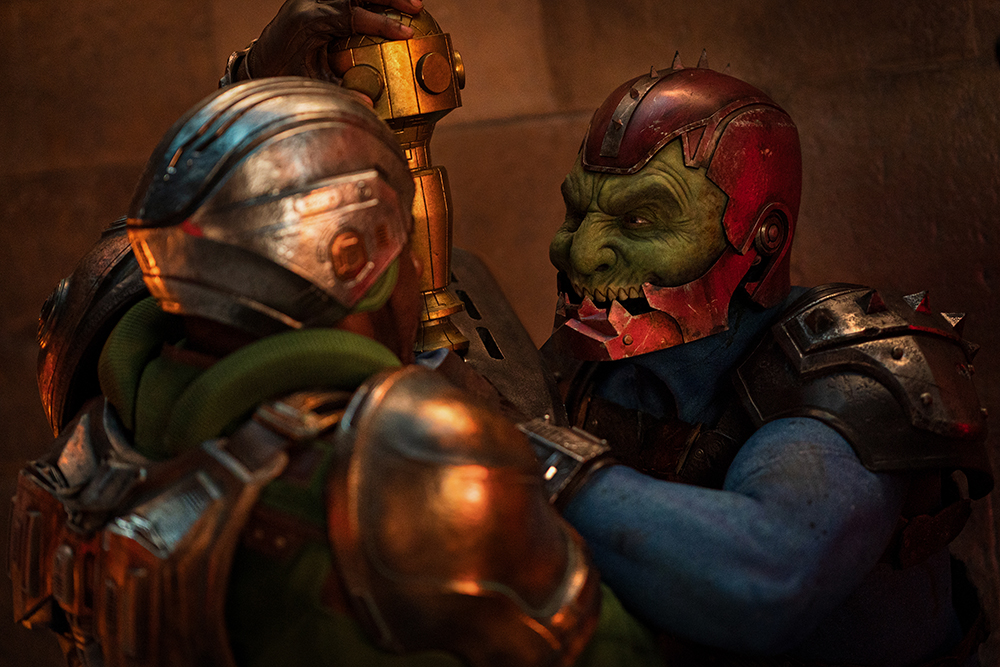
As the discussion drew to a close, nearly every participant returned to the same idea: the overwhelming impact of finally standing inside a fully realized version of Eternia. Whether it was Nicholas Galitzine marveling at production designer Guy Hendrix Dyas’ elaborate sets, Morena Baccarin exploring Castle Grayskull, Alison Brie navigating Skeletor’s intimidating Throne of Bones, or Camila Mendes joining a heroic march toward the legendary fortress, the cast repeatedly described moments when the scale of the project truly became real. Those stories perhaps reveal more about the film than any marketing campaign could. Rather than approaching Masters of the Universe as a simple reboot, the filmmakers appear to have embraced it as an opportunity to honor a mythology that shaped their childhoods while introducing its world to a new audience. Judging by the enthusiasm displayed throughout the press conference, the people behind the film seem every bit as excited as the fans who have waited decades to hear Prince Adam once again declare, By the Power of Grayskull.
Synopsis:
A young man on Earth discovers a fabulous secret legacy as the prince of an alien planet. He must retrieve a magical sword and return home to protect his kingdom.
Masters of the Universe
Directed by Travis Knight
Written by Chris Butler
Based on Mattel’s Masters of the Universe
Produced by Todd Black, Jason Blumenthal, Steve Tisch, Robbie Brenner
Starring Nicholas Galitzine, Camila Mendes, Jared Leto, Alison Brie, Idris Elba, Morena Baccarin, Jóhannes Haukur Jóhannesson, Sasheer Zamata, James Purefoy, Charlotte Riley
Director of Photography: Fabian Wagner
Production Companies: Metro-Goldwyn-Mayer, Mattel Films, Escape Artists
Distributed by Amazon MGM Studios
Release Date: June 5, 2026 (United States)
Photos : Copyright Amazon MGM Studios