

Spider-Noir Review: The Most Unexpectedly Refreshing Spider-Man Story in Years
Friday 22 May, 7:00 AM PT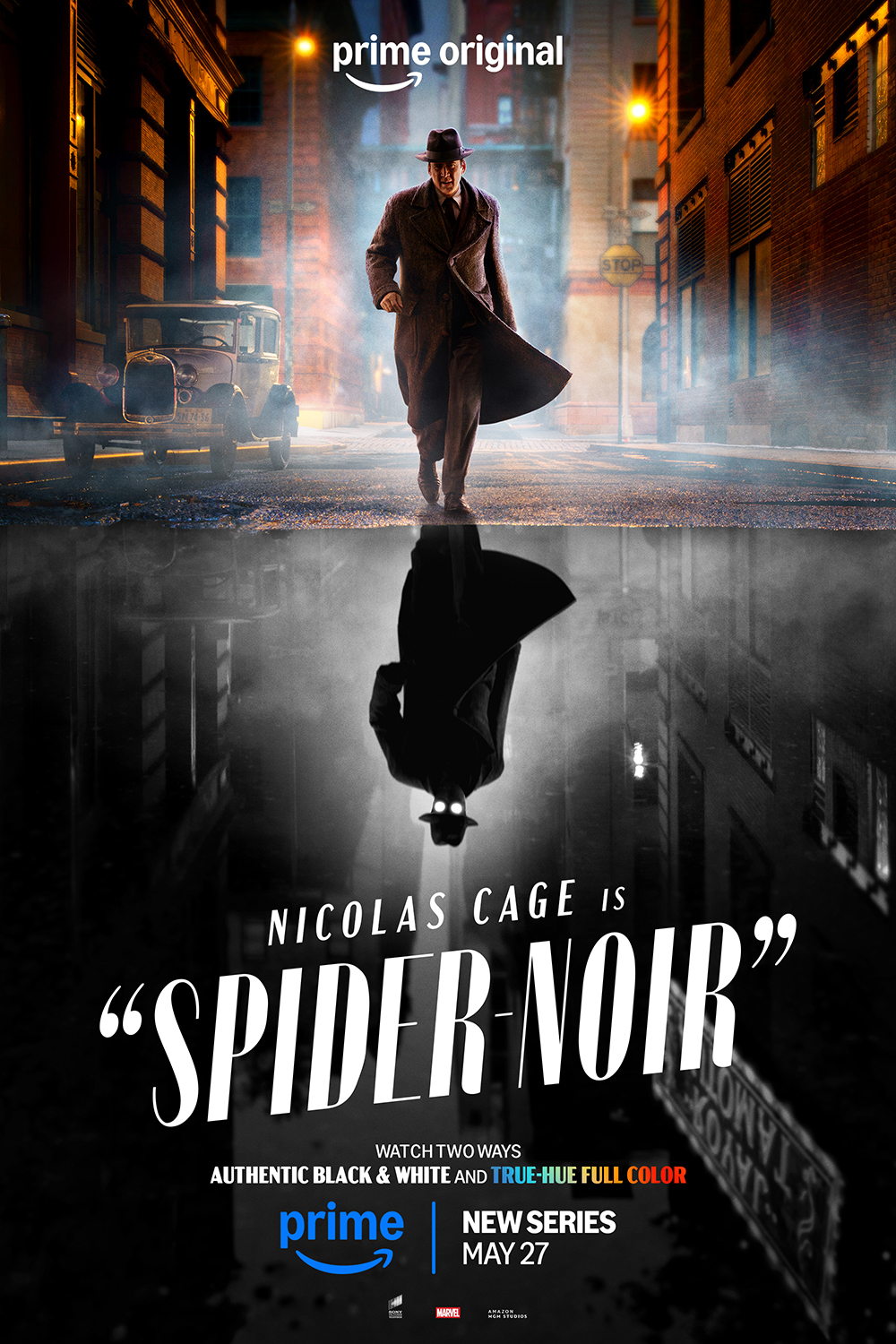
There is a strange irony surrounding Spider-Noir: on paper, it sounds exactly like the sort of spin-off audiences should be tired of by now. The superhero landscape has spent the last decade expanding sideways, digging through secondary characters and alternate realities in search of the next franchise pillar, often with mixed and sometimes disastrous results. So the idea of taking a supporting character who originally existed as a delightful side joke in Spider-Man: Into the Spider-Verse and stretching him into an eight-episode live-action series initially feels risky, perhaps even unnecessary. Yet what makes Spider-Noir such a fascinating surprise is that it never behaves like a conventional superhero property. Rather than chasing spectacle or building another cog in a multiverse machine, the series commits itself almost obsessively to becoming a love letter to classic noir cinema. Instead of asking how many webs can be shot across New York's skyline, it asks a far more interesting question: what happens when a broken man who once wore a mask realizes the city still needs him? That approach transforms what could have been a gimmick into something unexpectedly distinctive.
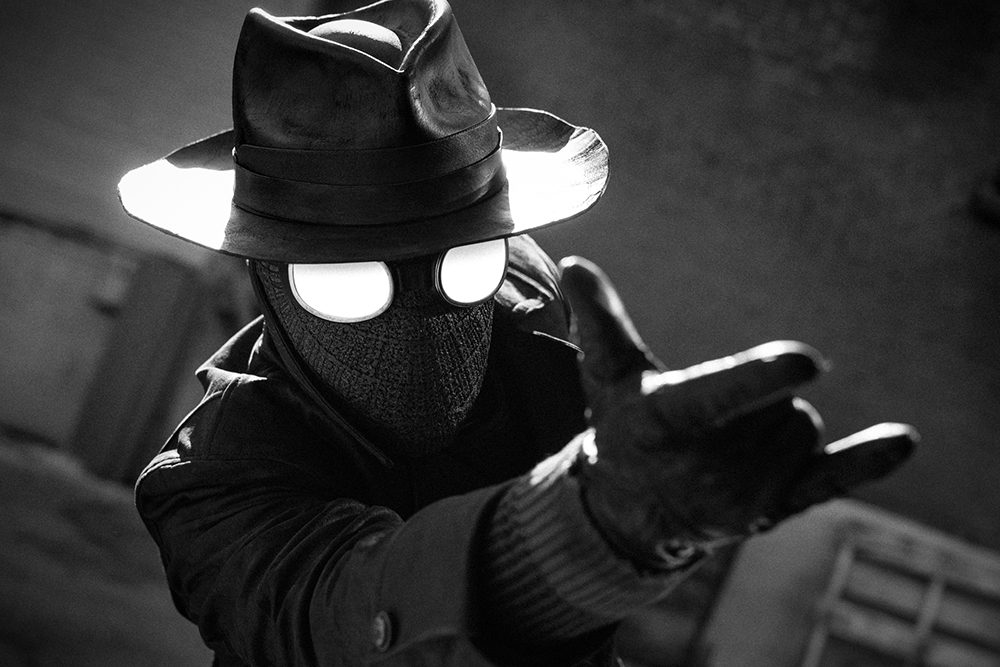
Set in Depression-era New York, the series follows Nicolas Cage as Ben Reilly, a former masked vigilante known simply as The Spider. Unlike the youthful energy audiences associate with Peter Parker, this version arrives carrying years of regret on his shoulders. Five years after a personal tragedy shattered his world, Reilly survives as an underpaid private investigator, drowning his sorrows in alcohol and sarcasm while operating a struggling detective agency with the endlessly patient Janet, played wonderfully by Karen Rodriguez. A new case involving nightclub singer Cat Hardy, played by Li Jun Li, gradually drags him into the dangerous orbit of crime boss Silvermane, portrayed by Brendan Gleeson, and pulls him toward a conspiracy involving superpowered figures emerging from the city's shadows. But unlike most superhero stories where the mystery itself becomes the central attraction, Spider-Noir understands that the case matters less than the atmosphere surrounding it. The journey through smoke-filled bars, rain-soaked streets and morally exhausted people is the true narrative engine.
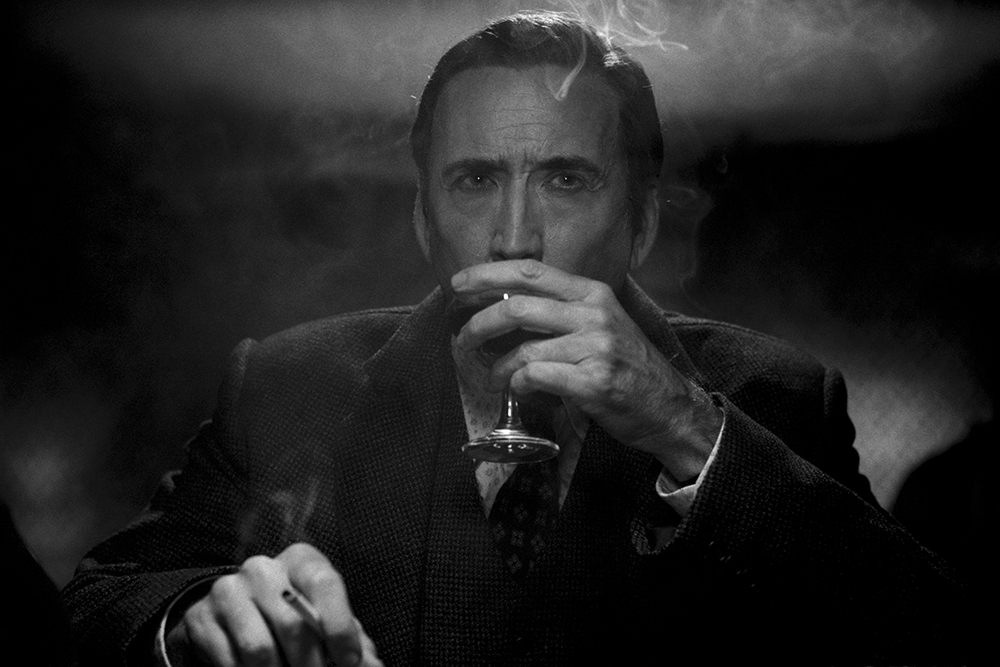
The most fascinating creative gamble may be the show's dual presentation format: viewers can experience the series in either Authentic Black & White or True-Hue Full Color. While the color version is visually impressive and occasionally reveals beautiful production details hidden beneath shadows, the black-and-white presentation feels like the soul of the project. Watching light slice through cigarette smoke or seeing rain dance against dark alleyways instantly transports audiences into a cinematic language borrowed from Humphrey Bogart, Orson Welles, and the classic detective films that clearly inspired the creators. There is one moment involving Li Jun Li standing under a nightclub spotlight where the frame becomes almost hypnotic, resembling a lost frame from a forgotten 1940s Hollywood production. The monochrome aesthetic isn't simply cosmetic; it fundamentally alters the emotional texture of the series. Remove it, and the illusion becomes weaker. Keep it, and Spider-Noir suddenly feels transported from another era.
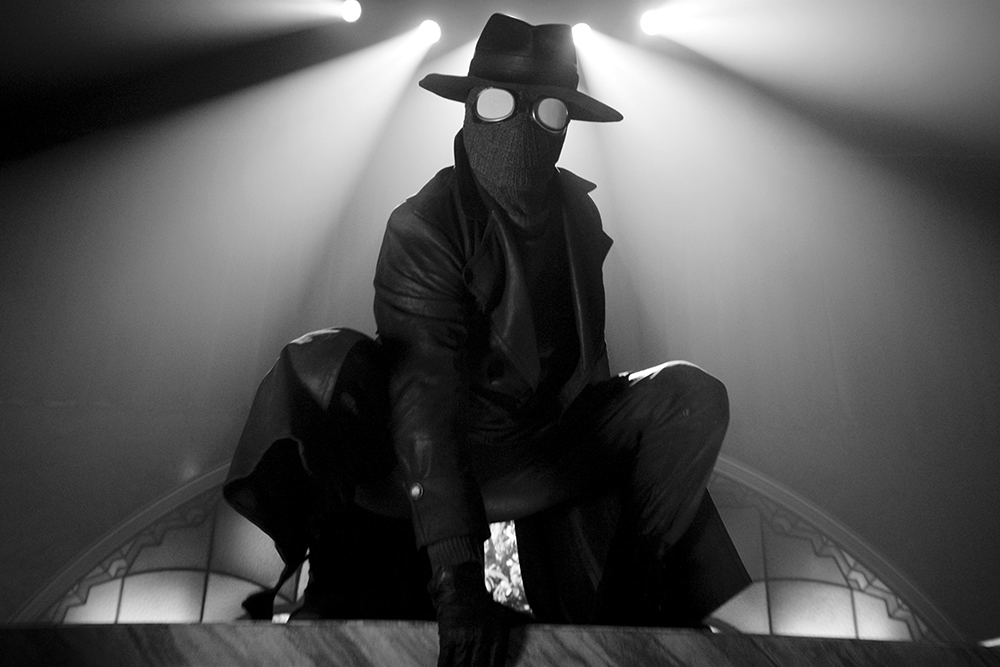
Of course, none of that visual ambition would matter without Nicolas Cage, and this role feels almost suspiciously tailored to his peculiar gifts as a performer. There are actors who disappear into characters, and then there is Nicolas Cage, who often appears to invent entirely new species of human behavior. His Ben Reilly initially feels like a collection of noir clichés stitched together — the exhausted detective voice, the fedora, the whiskey addiction, the endless pessimism — but slowly something stranger emerges underneath. Cage gives Reilly odd physical ticks and uncomfortable body movements that suggest a man genuinely struggling to coexist with his own powers. He bends awkwardly, moves like his limbs occasionally operate on different instructions than his brain, and delivers dialogue with rhythms that somehow blend Humphrey Bogart, cartoon energy, and pure Cage eccentricity. One particularly amusing aspect is watching him shift personalities while undercover, trying on voices and personas with complete commitment. It feels ridiculous and completely natural at the same time.
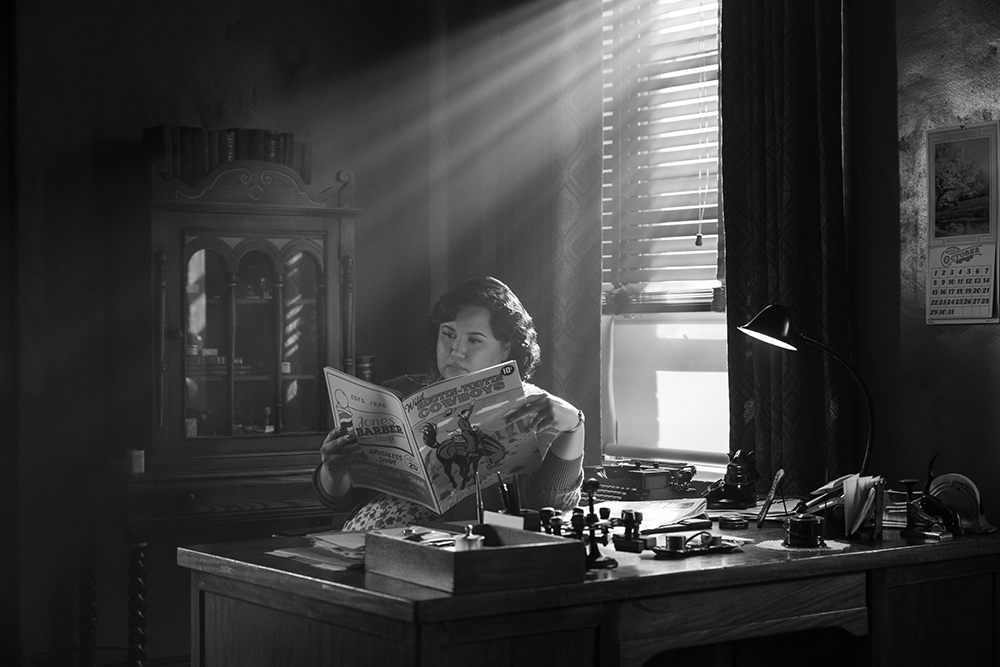
Supporting performances elevate the world considerably as well. Karen Rodriguez steals scenes repeatedly as Janet, transforming what could have been a standard secretary role into one of the show's emotional anchors. Her chemistry with Cage often creates some of the series' funniest and most human moments. Lamorne Morris, as journalist Robbie Robertson, brings a likable energy and injects warmth into the darker narrative beats, functioning almost as the conscience Reilly has lost. Meanwhile Brendan Gleeson appears to be having tremendous fun as Silvermane, chewing scenery with the confidence of a man fully aware of the kind of pulpy universe he inhabits. Li Jun Li also avoids becoming merely another traditional femme fatale. She plays Cat Hardy with enough ambiguity that audiences constantly wonder whether her next move will come from genuine emotion or self-preservation.

If the series occasionally stumbles, it does so primarily in narrative momentum. Certain mysteries feel thinner than the show wants them to appear, and several plot developments arrive with less dramatic impact than expected. There are moments where the pacing slows noticeably, and the larger conspiracy lacks the complexity that classic noir storytelling often thrives upon. Some villains also feel underused, almost functioning more as stylish accessories than fully developed characters. Yet oddly enough, these weaknesses become easier to forgive because Spider-Noir never pretends plot is its greatest strength. Style, mood and personality remain the real attraction.Perhaps what feels most refreshing is that Spider-Noir doesn't appear terrified of being weird. Modern superhero adaptations often spend so much energy building larger universes that individuality gets smoothed away. Here, there is no obsession with crossover teases or franchise architecture. Instead, the show embraces peculiar ideas wholeheartedly. Watching an older Spider-Man figure his way through Depression-era New York while muttering cynical one-liners and stumbling through strange situations should not work nearly as well as it does. Yet there is a confidence here that becomes increasingly infectious.
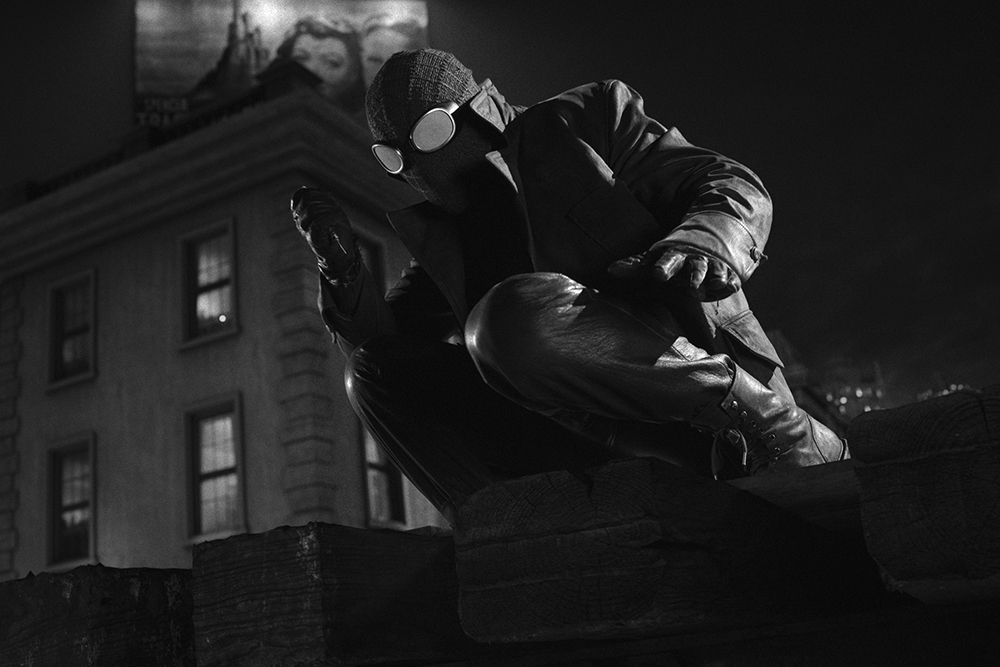
By the final episode, Spider-Noir may not reinvent superhero storytelling, but it accomplishes something perhaps more valuable: it reminds audiences that comic book adaptations can still surprise us. Beneath the trench coats, cigarette smoke, and fedora silhouettes lies a project willing to swing toward something stylistically bold rather than merely familiar. Most importantly, it gives Nicolas Cage the space to be completely, gloriously Nicolas Cage, and sometimes that alone is enough reason to watch.
Synopsis :
In 1930s New York, an aging, down-on-his-luck private detective grapples with his past as the city's one and only superhero.
Spider-Noir
Based on Marvel Comics
Developed by Oren Uziel
Executive producers : Harry Bradbeer, Oren Uziel, Steve Lightfoot, Phil Lord, Christopher Miller, Amy Pascal, Aditya Sood, Dan Shear, Nicolas Cage, Pavlina Hatoupis
Showrunners : Oren Uziel, Steve Lightfoot
Starring Nicolas Cage, Lamorne Morris, Li Jun Li, Karen Rodriguez, Abraham Popoola, Jack Huston, Brendan Gleeson
Composers : Kris Bowers, Michael Dean Parsons
Cinematography : Darran Tiernan
Editors : Tirsa Hackshaw, Eric Kissack, Jennifer Barbot
Production companies : Sony Pictures Television, Lord Miller Productions, Pascal Pictures, Amazon MGM Studios
Network : MGM+ (United States), Prime Video (France)
Running time : 45 minutes
Photos : Copyright Prime Video