

The Boroughs: A Spielbergian Sci-Fi series About Aging, Grief, and Monsters
Thursday 21 May, 10:00 AM PT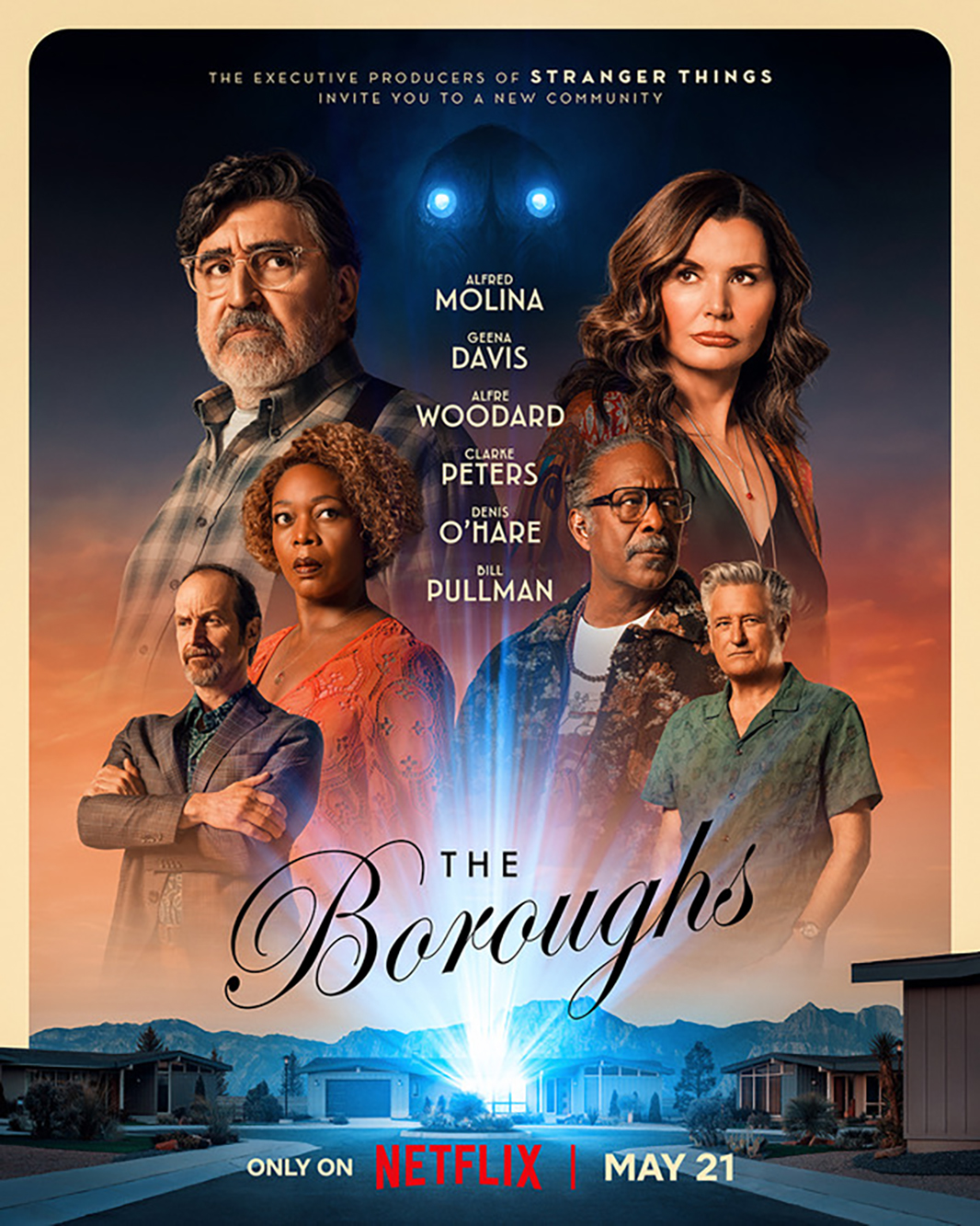
There is something immediately captivating about The Boroughs, not only because the series bears the unmistakable creative DNA of the Duffer brothers, but also because it dares to reorient the entire emotional framework of the modern supernatural thriller toward an audience that television so often overlooks. Instead of yet another group of gifted teenagers on bikes discovering portals to parallel dimensions, creators Jeffrey Addiss and Will Matthews build their mystery around retirees living in a seemingly idyllic retirement community in New Mexico, where grief, loneliness, memory loss, and mortality are already part of daily life long before the monsters arrive. The result is one of the most unexpected and moving genre productions Netflix has released in years, a series that conceives of horror not simply as a creature in the dark, but as the terrifying realization that society has stopped listening to you. From its very first moments, The Boroughs creates a deeply unsettling atmosphere, evoking the warmth of classic Amblin productions while quietly poisoning the edges of that nostalgia with anxiety. The immaculate dead-end streets, the smiling staff members repeating the company’s slogans with unsettling enthusiasm, the endless desert surrounding the community like an ocean of silence—everything seems comforting until, suddenly, it isn’t. It’s impossible not to think of films like Cocoon, The Goonies, or even E.T. the Extra-Terrestrial, but The Boroughs never feels like a cynical imitation. On the contrary, it transforms these influences into something surprisingly melancholic and mature.
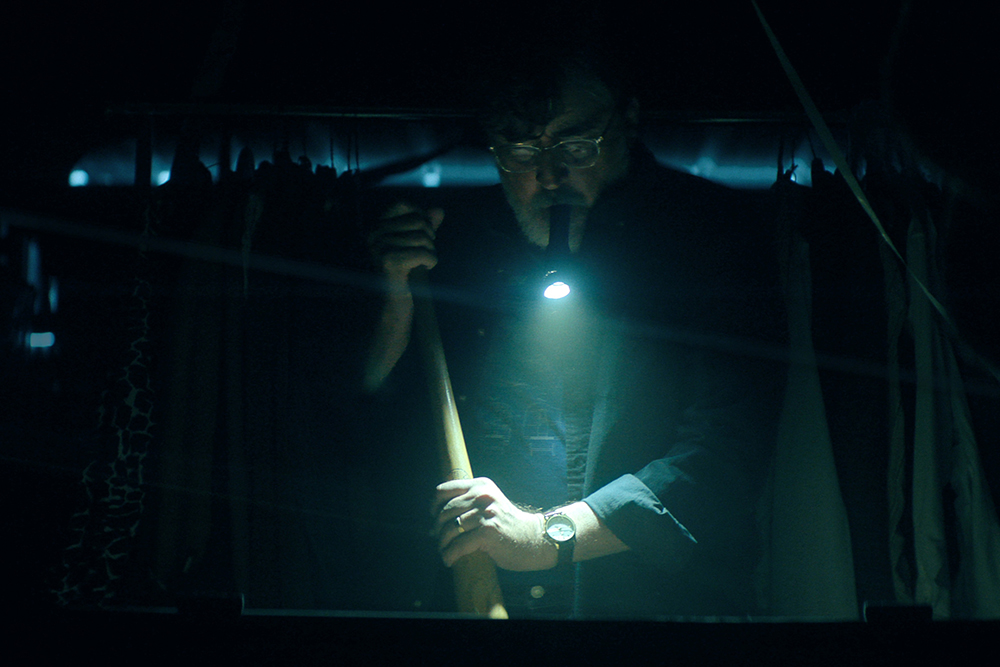
At the heart of the story is Alfred Molina, who delivers one of the finest performances of his later career as Sam Cooper, a widowed aerospace engineer forced to move into the retirement home after the sudden death of his wife Lily, portrayed in haunting flashbacks by Jane Kaczmarek. Sam arrives at The Boroughs as a man already half-buried, carrying within him the bitterness of unresolved grief and the anger of someone who feels abandoned by the future. What makes Alfred Molina so remarkable here is the subtlety with which he embodies Sam’s emotional evolution. At first, he uses sarcasm and irritation as armor, dismissing golf courses, social activities, and cheerful neighbors with open contempt, but beneath this grumpy facade lies someone terrified of continuing to live without the person who gave his life meaning. Some of the series’ most powerful scenes aren’t the horror sequences, but the quieter moments when Sam is suddenly overwhelmed by memories of Lily as Bruce Springsteen songs play in the background. These scenes possess a devastating emotional honesty, as they recognize that grief itself is a form of haunting. The supernatural mystery may drive the plot forward, but it is Sam’s emotional paralysis that truly anchors the series. It is rare to see a genre production grant such complexity to an older protagonist without reducing him to a comic relief role or a sentimental cliché.
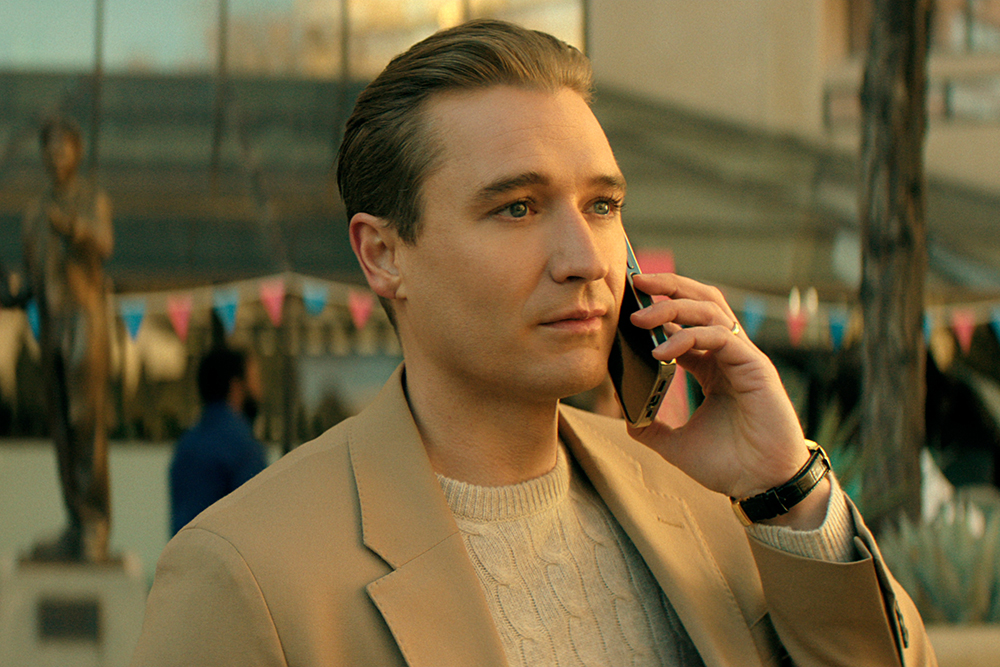
What elevates the series even further is the stunning cast surrounding Alfred Molina. Geena Davis is naturally magnetic as Renée, a former music executive who still radiates a rebellious energy and sensual confidence, refusing to let age diminish her appetite for life. Alfre Woodard brings extraordinary insight and emotional depth to Judy, a retired journalist whose investigative instincts remain sharp, while Clarke Peters brings warmth, humor, and surprising philosophical introspection to the role of her husband Art, a cannabis smoker. Then there’s Denis O’Hare, arguably the show’s secret weapon, who steals the show scene after scene as Wally, a terminally ill doctor facing death with dark humor, cocktails, sarcasm, and emotional scars tied to the AIDS crisis of the 1980s. The brilliant writing lies in how naturally these characters interact. They don’t feel like archetypes assembled for a crime drama, but rather people who have accumulated decades of disappointments, regrets, adventures, illnesses, broken friendships, and hard-won wisdom. Their conversations about medication, failing bodies, and mortality are often hilarious, but beneath the humor lies a poignant vulnerability. One of the particularly inspired aspects of the series is how it presents these elderly characters not as passive victims, but as individuals whom society has learned to ignore. Just like the children in Spielberg’s classic adventures, they find themselves in a strange blind spot where no one really takes them seriously anymore, placing them in a unique position to reveal truths hidden in plain sight.
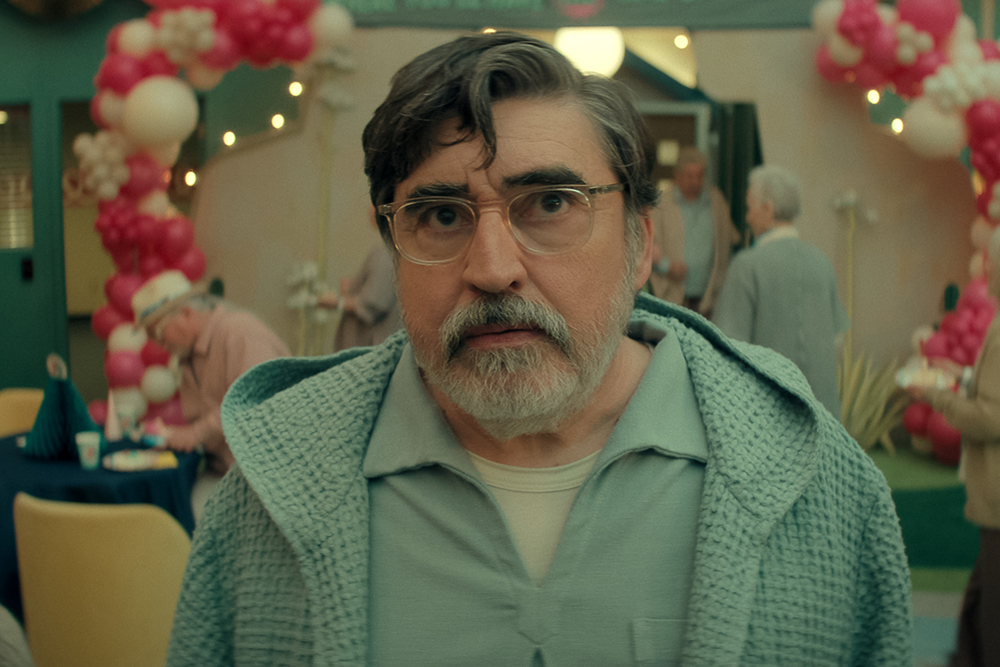
The horror elements themselves are effective precisely because the series exercises restraint. The creature stalking the residents is unsettling not only because of its grotesque appearance, but also because it taps directly into the anxieties already gnawing at the community. Dementia, memory loss, isolation, and physical decline become inseparable from the supernatural threat. The residents know that if they start talking about monsters in the walls or impossible events, they risk being labeled senile and transferred to the Manor, that unsettling long-term care facility that looms over the community like an institutional shadow. This dynamic becomes one of the series’ most intelligent thematic ideas. The Boroughs constantly explores the ease with which the elderly are infantilized, ignored, or quietly swept aside as soon as they become a nuisance. The horror lies not simply in the existence of monsters; it stems from the fact that no one will believe those being hunted. In this regard, the series sometimes feels closer to The Twilight Zone or The X-Files than to Stranger Things. The paranoia surrounding authority figures, surveillance systems, and corporate control gives the series an underlying current of social criticism that makes the mystery more unsettling than a simple monster movie.
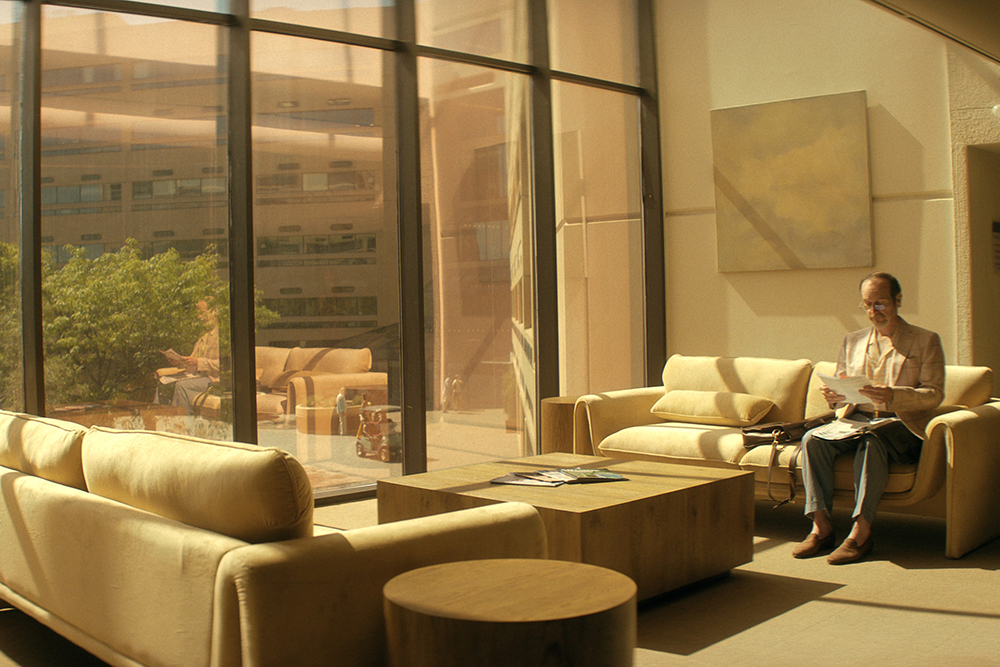
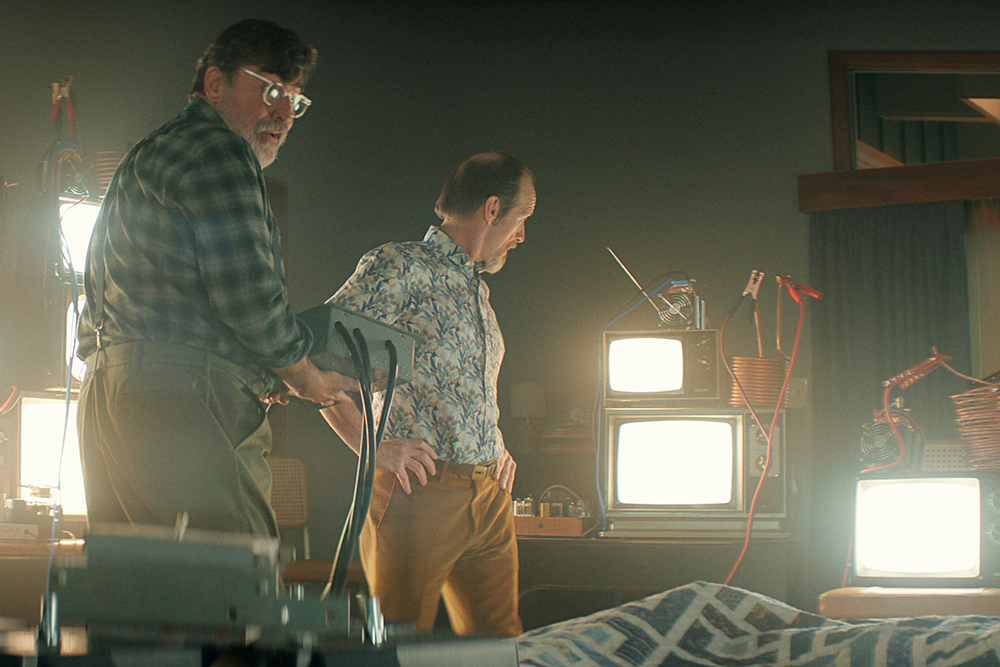
Visually, the series remains impressive. The pastel-perfect retirement community creates an unsettling contrast with the cosmic horror gradually emerging beneath its smooth surface. Directors such as Ben Taylor, Augustine Frizzell, and Kyle Patrick Alvarez know how to use silence and space to build tension, making the desert landscapes appear both beautiful and isolating. The cinematography often frames the elderly residents as tiny silhouettes swallowed up by endless roads and identical houses, subtly reinforcing the series’ themes of invisibility and existential insignificance. Meanwhile, composer John Paesano crafts one of the most moving television scores of the year, blending nostalgic orchestral textures with melancholic motifs that imbue even the quietest conversations with a weight laden with memories and loss. The musical choices, particularly the recurring use of Bruce Springsteen, never feel manipulative because they align perfectly with the characters’ emotional identities. There is a sequence where Sam remembers his wife while “Thunder Road” plays, which feels less like television and more like a deeply personal memory that someone accidentally captured on film.
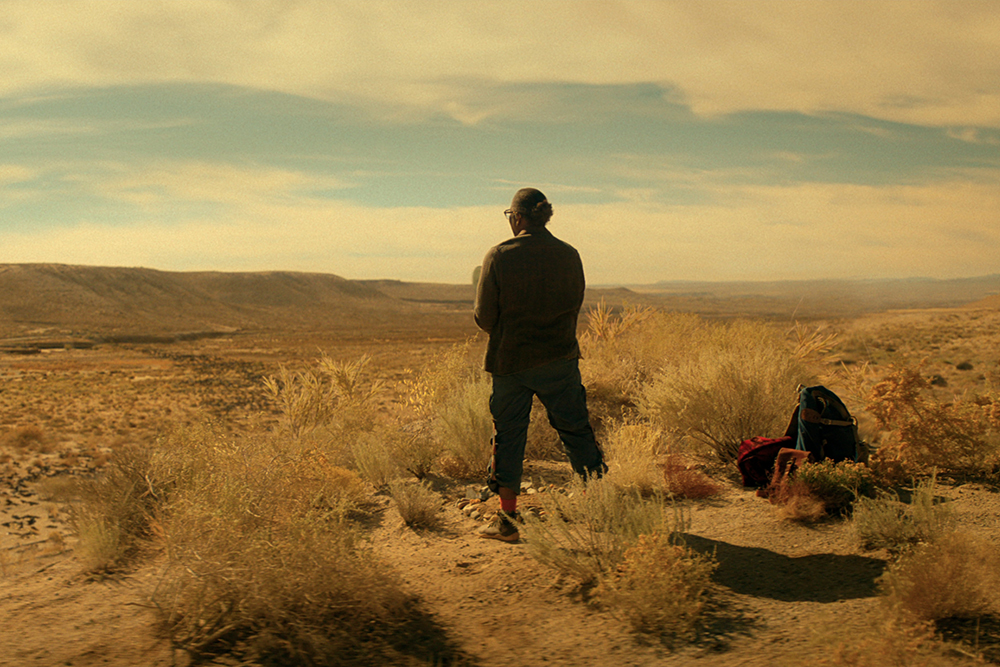
If the series stumbles slightly, it’s mainly during its later mythological expansions. The mystery surrounding the creatures, the strange orange fruit, the missing quartz, and the hidden tunnels sometimes becomes more convoluted than necessary, threatening to dilute the emotional clarity established in the early episodes. There are moments when The Boroughs seems indecisive: does it want to remain a down-to-earth reflection on aging or evolve into a sprawling cosmic conspiracy thriller? Some revelations are intentionally ambiguous, which will frustrate viewers hoping for clearer answers. A few secondary characters also deserved to be explored further, especially since the cast is already so rich. Yet even when the mythology becomes confusing, the emotional core remains intact because the characters themselves are so compelling. The series wisely understands that the audience isn’t ultimately interested in mythological frameworks or explanations about monsters, but in whether these people can rediscover purpose, friendship, and courage before time runs out for good.
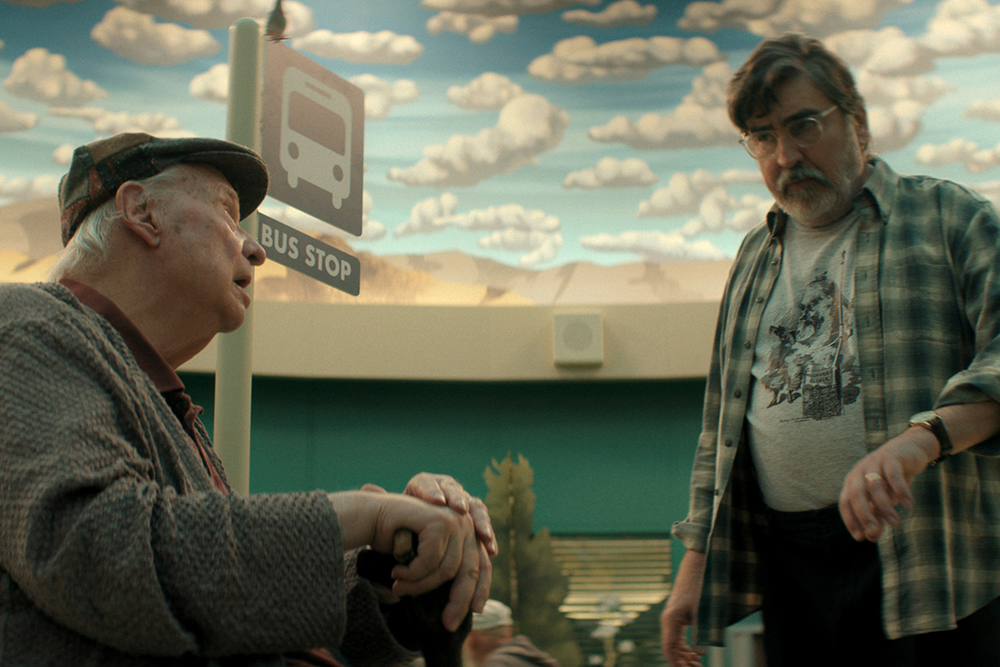
What makes The Boroughs resonate so deeply is that beneath the sci-fi mystery lies a profoundly human reflection on aging itself. The series refuses to portray old age as either an inspiring fantasy or a miserable decline. Instead, it acknowledges the contradictions of aging: humor, frustration, lingering desire, physical decline, accumulated grief, and a stubborn refusal to fade away quietly. There is something truly refreshing about seeing elderly characters smoking weed, flirting, debating sex, investigating conspiracies, and crawling through tunnels on a monster hunt while simultaneously discussing palliative care and funeral plans. The series emphasizes that adventure, fear, curiosity, and rebellion don’t disappear after retirement, and this idea gives it surprising emotional power. In many ways, The Boroughs becomes less a story of victory over monsters than a refusal to accept futility.
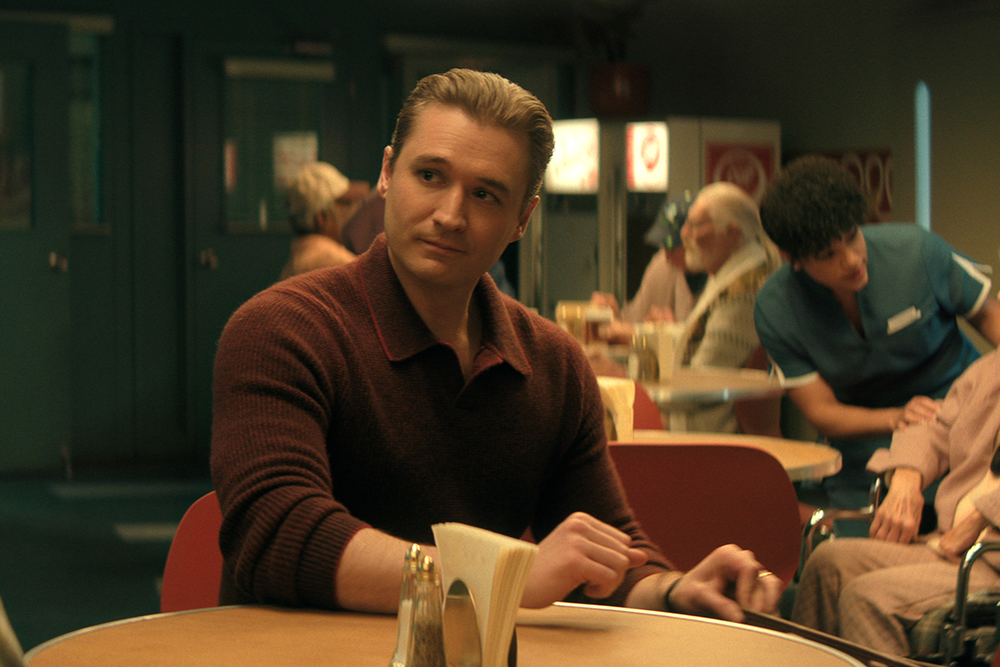
By the time the final episode arrives, The Boroughs has accomplished something quite rare in contemporary streaming television: it delivers a spectacle without losing sight of emotional truth. The series may borrow familiar ingredients from Stephen King, Spielberg-style adventures, and supernatural conspiracy thrillers, but it recombines them into something that feels surprisingly fresh thanks to its perspective. Watching Alfred Molina, Geena Davis, Alfre Woodard, Clarke Peters, Denis O’Hare, and Bill Pullman lead a horror-science fiction adventure with such sincerity, humor, and vulnerability is truly thrilling. The monsters may draw in the audience, but it’s the poignant humanity of these characters that stays with you long after the end credits roll. The Boroughs is funny, unsettling, moving, and surprisingly wise, proving that heroism isn’t the exclusive domain of the young, and that even on the brink of death, there are mysteries that deserve to be unraveled.
Synopsis :
In a retirement community set in a picturesque location, a group of unlikely heroes join forces to stop an otherworldly threat from stealing the one thing they don’t have: time.
The Boroughs
Created by Jeffrey Addiss, Will Matthews
Directed by Ben Taylor, Augustine Frizzell, Kyle Patrick Alvarez
Written by Jeffrey Addiss, Will Matthews, Jose Molina, Julie Siege, Keith Sweet, Tom Hanada, James Schamus, Yona Speidel
Producer : Joe Lotito
Executive producers : Ben Taylor, Hilary Leavitt, The Duffer Brothers, Jeffrey Addiss, Will Matthews
Starring Alfred Molina, Alfred Woodard, Denis O'Hare, Clarke Peters, Carlos Miranda, Jena Malone, Seth Numrich, Alice Kremelberg, Geena Davis
Music by John Paesano
Cinematography : Matthew Jensen, Michelle Lawler
Editors : Noëmi Preiswerk, Jonathan Alberts, Cindy Mollo, Christopher Nelson, Misha Syeed
Production companies : Off Franklin Productions, Upside Down Pictures
Network : Netflix
Release : May 21, 2026 (France, United States)
Running time : 40–55 minutes
Photos : Copyright Netflix
Score : 4/5