

Stuart Fails to Save the Universe: HBO Max Turns The Big Bang Theory Into a Wild Multiverse Adventure With Its Boldest Spin-Off Yet
Wednesday 13 May, 9:01 AM PT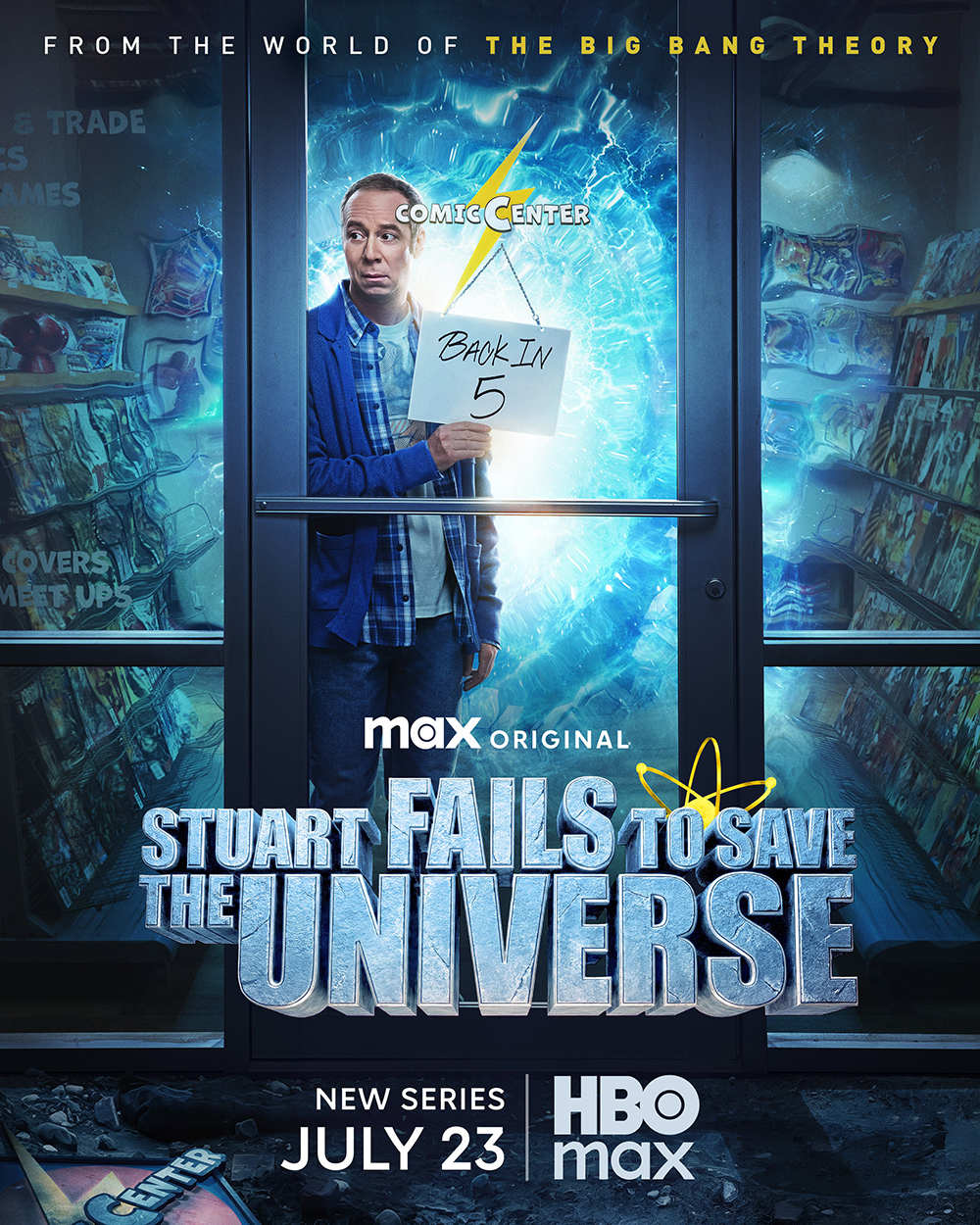
Seven years after the conclusion of The Big Bang Theory, Warner Bros. Discovery is preparing to revive one of television’s most successful comedy franchises in the most unexpected way possible with Stuart Fails to Save the Universe, a new HBO Max original series blending sitcom energy, science-fiction spectacle, multiverse chaos, and large-scale adventure. Officially unveiled during the Warner Bros. Discovery Upfront presentation in New York before receiving additional spotlight treatment at CCXP Mexico City, the ten-episode series will premiere in the United States on July 23, 2026, followed by a July 24 launch in France on HBO Max, with new episodes debuting weekly every Friday. From its very first trailer, the project immediately distinguishes itself from the apartment-based rhythm that defined the original CBS phenomenon for over a decade. Rather than attempting to recreate the exact chemistry and structure of the original show, HBO Max appears determined to reinvent the franchise entirely, using the familiar universe as a launching pad for something stranger, more cinematic, and significantly more ambitious in scale.
The decision to place Kevin Sussman and Stuart Bloom at the center of the story may ultimately prove to be the smartest creative choice the franchise has made since its original debut in 2007. Throughout The Big Bang Theory, Stuart functioned as the lovable outsider of the group, permanently trapped between financial instability, social awkwardness, depression, and the uncomfortable feeling that life had somehow passed him by while everyone around him evolved. As the owner of the Comic Center comic book store, he often represented the emotionally fragile side of geek culture that the main ensemble rarely explored in depth. Turning that overlooked supporting character into the protagonist instantly changes the franchise’s internal hierarchy. According to the official synopsis, Stuart accidentally breaks a device created by Sheldon Cooper and Leonard Hofstadter, triggering a catastrophic multiverse apocalypse that fractures reality itself. The irony is deliciously appropriate: the scientific geniuses who once dominated the original series indirectly cause the disaster, while the least respected character becomes responsible for saving existence. The title itself already reveals the tone of the project, strongly suggesting that Stuart’s mission will go catastrophically wrong in ways that remain both emotionally sincere and deeply absurd.
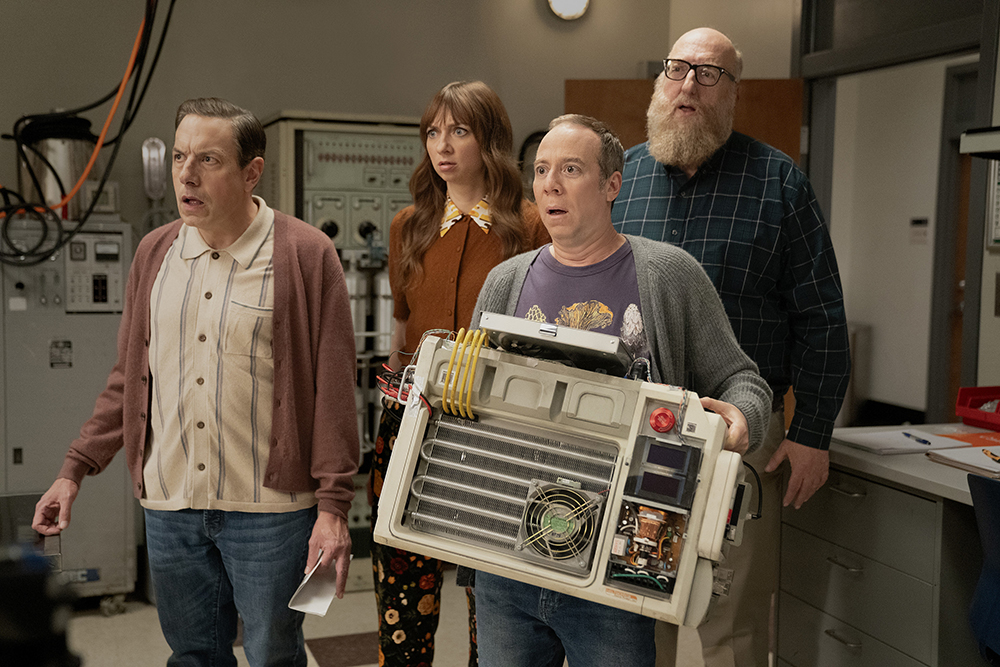
Surrounding Kevin Sussman, HBO Max has carefully assembled a supporting cast built around fan-favorite secondary characters rather than relying immediately on the franchise’s most recognizable stars. Lauren Lapkus returns as Denise, Stuart’s girlfriend, whose late introduction in the original series quickly made her one of the most warmly received additions thanks to her natural chemistry with Stuart and her grounded comedic energy. Brian Posehn reprises his role as Bert Kibbler, the lovable geologist whose awkward confidence and deadpan delivery frequently stole scenes during later seasons of the parent show. Meanwhile, John Ross Bowie returns as Barry Kripke, arguably one of the franchise’s most memorable antagonistic comic figures, whose rivalry with Sheldon Cooper became legendary among longtime fans. This approach demonstrates a surprising level of confidence from Warner Bros. Discovery. Nostalgia may attract viewers initially, but building the spin-off around characters who were never fully explored gives the series room to evolve into something more substantial than a simple reunion project.
Behind the scenes, the creative team reveals even more about the show’s ambitions. The series is created, written, and executive produced by Chuck Lorre, Bill Prady, and Zak Penn, a combination that says everything about the direction HBO Max wants this franchise to take. Chuck Lorre and Bill Prady obviously provide the direct creative DNA of The Big Bang Theory, but the addition of Zak Penn radically changes the equation. Known for his work on large-scale genre productions such as Ready Player One and multiple Marvel-related projects, Zak Penn brings blockbuster storytelling instincts that traditionally sat far outside the comfort zone of classic network sitcoms. Earlier this year, Chuck Lorre openly admitted in interviews that the series represented unfamiliar creative territory for him, describing the project as a “science fiction action-adventure comedy” and explaining that much of his career had previously revolved around “two people sitting on a couch talking.” He specifically referenced visual effects, computer graphics, and genre storytelling as exciting new challenges. Those comments may ultimately define the entire purpose of the series: not simply extending a successful intellectual property, but actively experimenting with what that property can become in the streaming era.
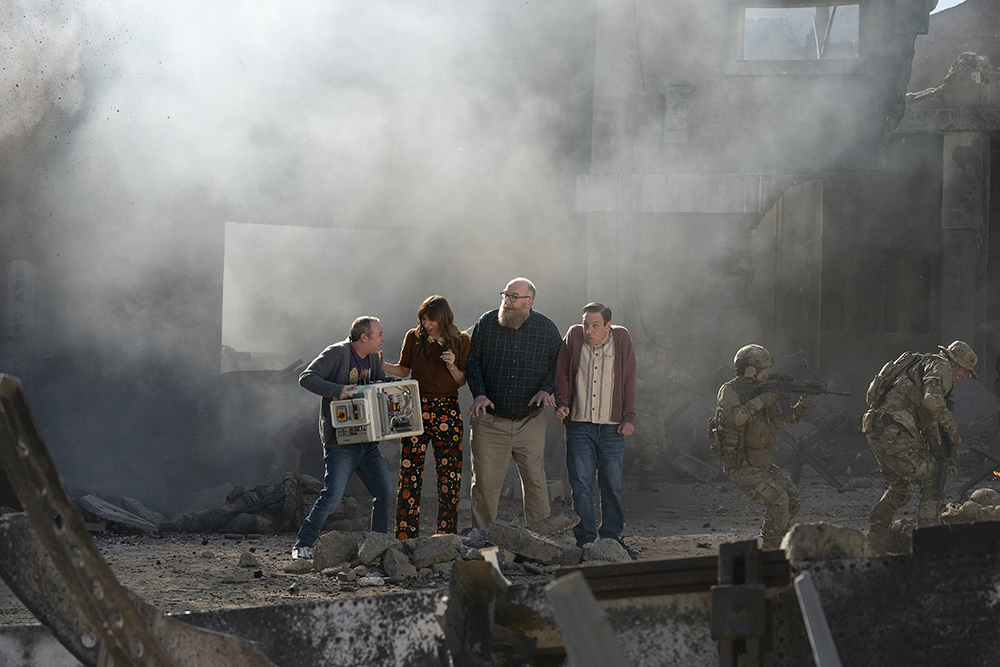
That ambition becomes even clearer through the involvement of several legendary figures associated with Star Trek. Reports confirmed that Jonathan Frakes is involved with the project, while Robert Duncan McNeill is directing episodes of the series. For longtime fans of The Big Bang Theory, the irony is almost perfect. The original sitcom constantly referenced classic science-fiction fandom from a comedic distance, especially its obsession with Star Trek: The Next Generation and broader geek culture. This spin-off appears ready to move beyond simply referencing those universes and instead embrace their storytelling traditions directly. In other words, the franchise may no longer merely joke about science-fiction fandom — it may genuinely operate as science-fiction itself. If successfully executed, that tonal transformation could make this one of the most unique evolutions ever attempted by a mainstream sitcom franchise.
One of the project’s most unexpected announcements was also the confirmation that acclaimed composer Danny Elfman will create the show’s original theme music. The involvement of Danny Elfman, famous for iconic scores associated with filmmakers like Tim Burton and films such as Batman, Spider-Man, and Men in Black, instantly gives the project a more theatrical and cinematic identity. The original The Big Bang Theory opening theme from Barenaked Ladies delivered a playful, energetic pop identity perfectly suited for network television. This new spin-off, however, appears determined to feel larger, stranger, and more event-driven from its very first seconds. In the increasingly crowded streaming landscape, branding matters enormously, and Warner Bros. Discovery clearly understands that music can shape audience perception just as powerfully as visuals.
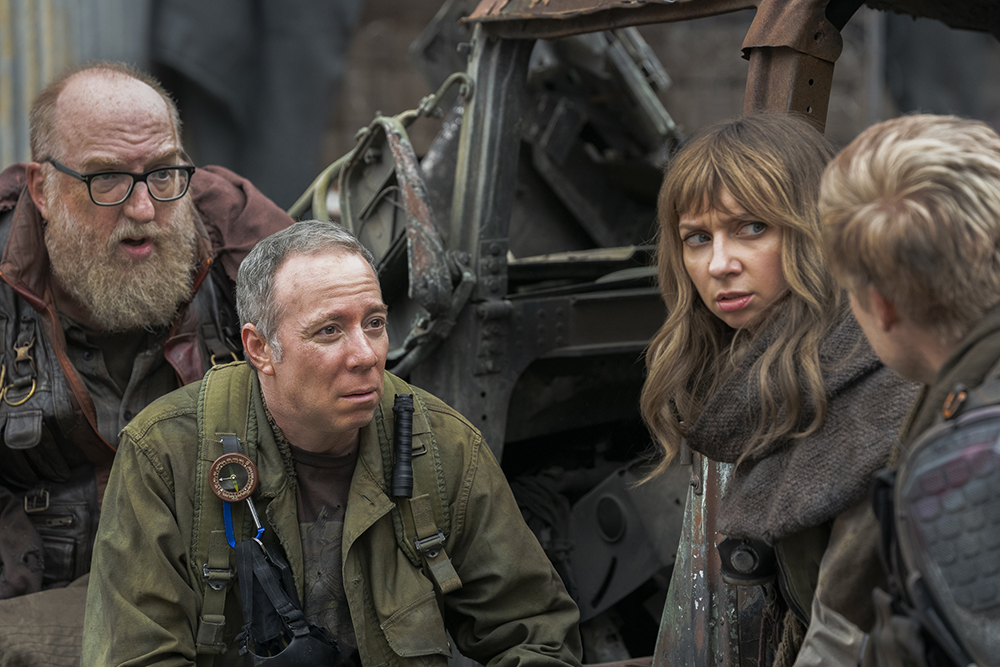
Production details further reinforce the scale of the project. Filming officially began in September 2025 and wrapped in February 2026, leaving several months dedicated to post-production and visual effects work consistent with the ambitions publicly discussed by Chuck Lorre. Unlike the traditional 22-to-24-episode network television seasons that defined the CBS era of the franchise, Stuart Fails to Save the Universe will launch with a leaner ten-episode structure designed for modern streaming audiences. The change reflects how television economics and storytelling have evolved: shorter seasons, tighter narrative arcs, more polished visuals, and stronger week-to-week online conversation. HBO Max is clearly not trying to recreate a traditional broadcast sitcom model. Instead, the service is positioning the show as a premium franchise comedy capable of competing in the modern streaming ecosystem.
The biggest unanswered question surrounding the series remains whether original stars such as Jim Parsons or Johnny Galecki will appear. Officially, no confirmations have been announced, although the synopsis explicitly references alternate versions of familiar characters from the original series. Warner Bros. Discovery has understandably preserved that mystery as part of the show’s marketing strategy. Yet the long-term success of Stuart Fails to Save the Universe may ultimately have little to do with cameos. If the series relies only on nostalgia and callbacks, it risks becoming a temporary curiosity. But if it successfully transforms neglected side characters into emotionally grounded leads navigating ridiculous cosmic stakes, HBO Max may end up delivering not only the franchise’s most inventive spin-off, but also the boldest evolution the The Big Bang Theory universe has ever attempted.
Synopsis :
The owner of the comic book store, Stuart Bloom, is tasked with restoring reality after accidentally breaking a device designed by Sheldon and Leonard, thereby triggering a multiverse apocalypse. Stuart is aided in this quest by his girlfriend Denise, his geologist friend Bert, and the resident quantum physicist/chatterbox Barry Kripke. Along the way, they encounter alternate versions of the characters from “The Big Bang Theory” that we know and love. And as the title suggests, things don’t go very well.
Stuart Fails to Save the Universe
Created by Chuck Lorre, Zak Penn, Bill Prady
Based on The Big Bang Theory by Chuck Lorre, Bill Prady
Executive producers : Chuck Lorre, Bill Prady, Zak Penn
Written by Chuck Lorre, Zak Penn, Bill Prady
Starring Kevin Sussman, Brian Posehn, Lauren Lapkus, John Ross Bowie
Theme music composer : Danny Elfman
Production companies : Chuck Lorre Productions, Warner Bros. Television
Network : HBO Max
Release date : July 23, 2026 (United States), July 24, 2026 (France)
Photos : Copyright HBO Max