

Moss & Freud : Kate Moss And Lucian Freud’s Unforgettable Artistic Connection
Thursday 7 May, 12:23 PM PT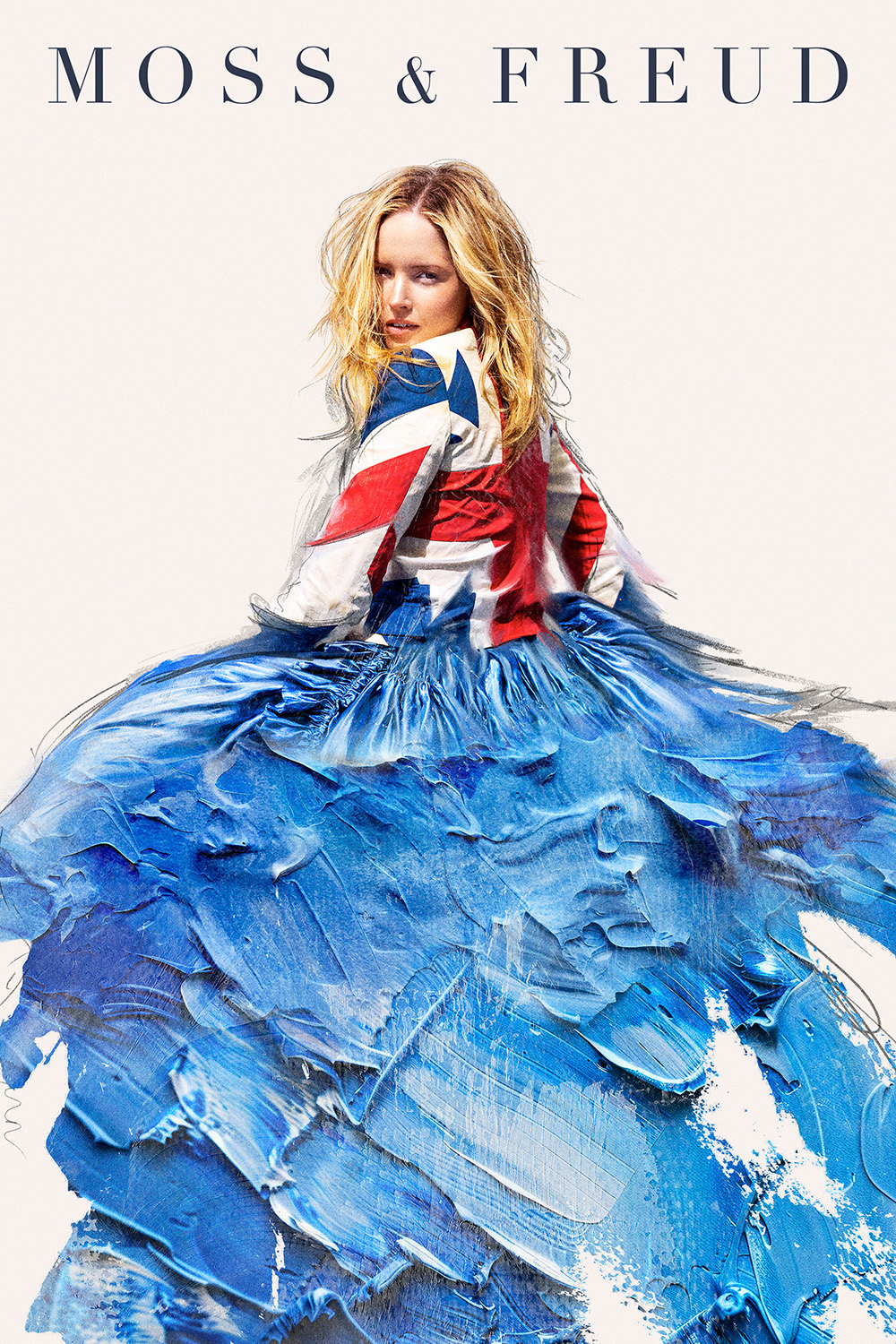
When cinema decides to explore the fragile and often obsessive relationship between artist and muse, the result can sometimes drift into cliché or glossy reconstruction, but Moss & Freud appears determined to avoid those traps by grounding itself in the very real emotional complexity behind one of the most fascinating collaborations in modern British cultural history. Written and directed by Academy Award winner James Lucas, the film revisits the extraordinary period in which supermodel Kate Moss, at the peak of her global fame in the early 2000s, agreed to sit for celebrated painter Lucian Freud, one of the most revered figurative artists of the twentieth century. What initially seemed like a brief artistic exercise evolved into months of intense portrait sessions that reportedly transformed both subjects involved, resulting in the now-iconic painting Naked Portrait 2002, which later sold at Christie’s in 2005 for £3.9 million, confirming its historical significance within contemporary art circles. The project has long fascinated journalists, art historians, and fashion observers because it represented a collision between two entirely different worlds: the hyper-commercialized universe of fashion celebrity and the deeply private, psychologically invasive discipline of Freud’s portraiture, known for exposing vulnerability rather than glamour.
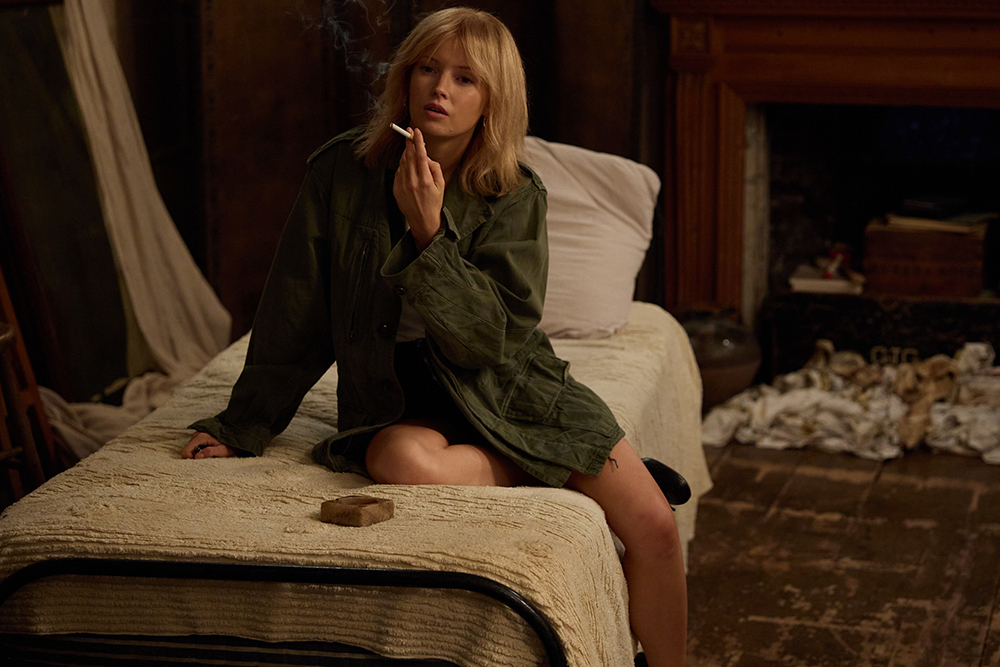
The film stars Ellie Bamber as Kate Moss, a casting choice that already generated strong reactions following the project’s premiere at the BFI London Film Festival on October 10, 2025, where critics noted how the actress avoided mere imitation in favor of capturing the emotional exhaustion and guarded intensity that surrounded the model during that period of her career. Opposite her, legendary actor Derek Jacobi portrays Lucian Freud, bringing gravitas and sharp observational subtlety to the notoriously demanding painter. Early footage and promotional materials suggest that James Lucas deliberately approached the relationship not as a conventional biopic but rather as a chamber piece unfolding almost like a psychological duel inside Freud’s studio. That decision feels particularly appropriate considering how Freud himself worked: his portrait sessions were famously long, repetitive, exhausting, and emotionally draining, often requiring dozens if not hundreds of sittings. Unlike fashion photography, which sought to construct perfection within minutes, Freud’s process stripped away performance over time. That contrast lies at the very heart of the film’s dramatic tension.
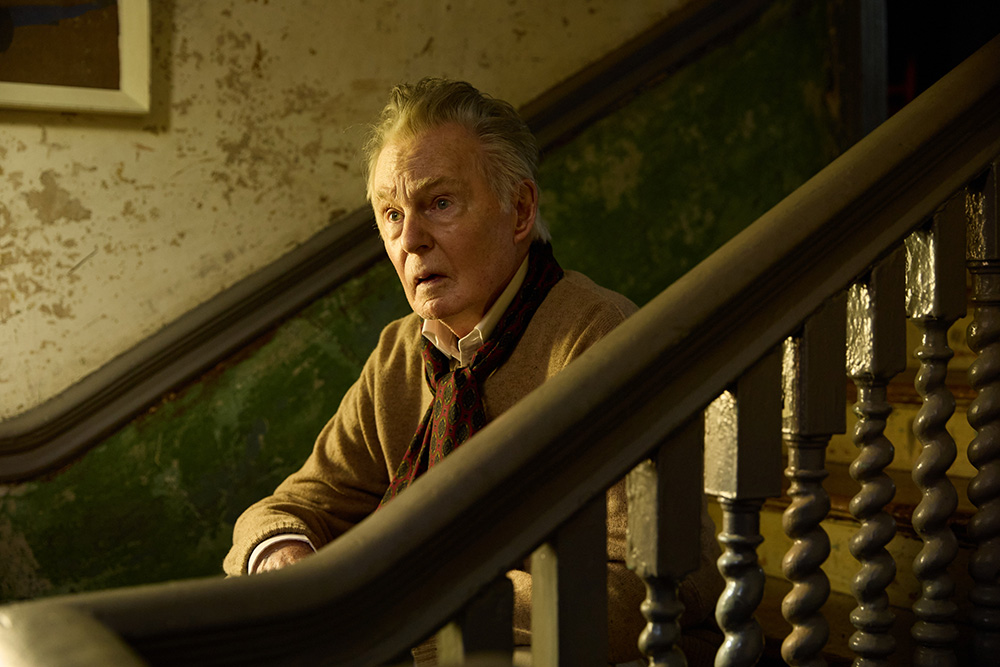
One of the most fascinating aspects surrounding Moss & Freud is the involvement of the real Kate Moss as executive producer alongside support from the Lucian Freud Archive, giving the production a degree of authenticity rarely seen in dramatizations involving living cultural icons. The participation of the archive reportedly allowed access to detailed references about Freud’s workspace, painting methods, and atmosphere, elements that appear heavily emphasized in the film’s visual design. Cinematographer Maria Ines Manchego seems to embrace muted natural lighting and claustrophobic framing to recreate the painter’s notoriously intimate studio environment, while editor Nick Carew reportedly structured the narrative around the repetitive rhythm of the sittings themselves, emphasizing duration, silence, and emotional erosion rather than traditional dramatic escalation. Meanwhile, composer Karl Sölve Steven contributes a restrained score that reportedly favors mood and tension over sweeping emotional cues, reinforcing the feeling that viewers are observing something deeply personal rather than conventionally cinematic.
The true story behind the film has always possessed an almost mythological aura in British popular culture. By 2002, Kate Moss was already more than a supermodel; she had become a symbol of an era, embodying both the glamour and destructive pressures of the fashion industry. Lucian Freud, meanwhile, was in his later years but remained one of Britain’s most respected living painters, celebrated for brutally honest portraits that rejected vanity and idealization. Their collaboration surprised many observers because the worlds they inhabited appeared fundamentally incompatible. Yet accounts from that period suggest Freud saw something compelling beneath Moss’s public image, while Moss herself reportedly viewed the experience as unexpectedly grounding and transformative. The sittings became even more physically demanding because Moss was pregnant during part of the process, adding another layer of emotional and physical vulnerability to the portrait itself. That dynamic is central to the film’s official synopsis, which emphasizes themes of observation, discipline, exposure, and psychological endurance within the private confines of Freud’s studio.
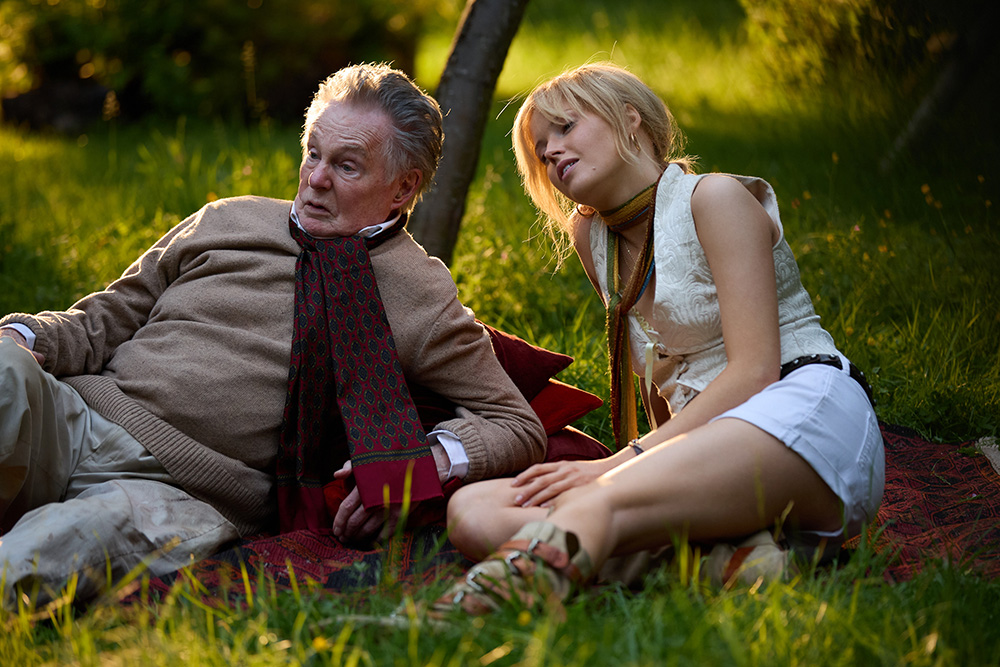
Beyond its artistic subject matter, Moss & Freud also arrives during a period in which audiences appear increasingly fascinated by films exploring the hidden emotional costs of fame and artistic creation. In recent years, biographical dramas focusing on musicians, designers, painters, and photographers have often leaned toward stylized spectacle, but James Lucas seems more interested in stillness and emotional excavation. That approach makes sense considering his Academy Award-winning short film The Phone Call, which demonstrated a strong sensitivity toward intimate human interaction and psychological nuance. Rather than glorifying celebrity culture, Moss & Freud appears intent on examining what happens when a person whose identity has been endlessly photographed suddenly becomes subjected to a radically different gaze, one that refuses commercial polish and instead searches for imperfection, fatigue, and truth.
The supporting cast further reinforces the film’s distinctly British dramatic identity. Alongside Ellie Bamber and Derek Jacobi, the film features Will Tudor, known for Game of Thrones and Humans, Jasmine Blackborow from The Gentlemen and Marie Antoinette, Tim Downie from Outlander and Good Omens, as well as Bella Freud, whose presence adds another intriguing connection to the Freud family legacy. Produced by Matthew Metcalfe for GFC Films, the project has steadily built anticipation among arthouse audiences and fashion historians alike since its festival unveiling.
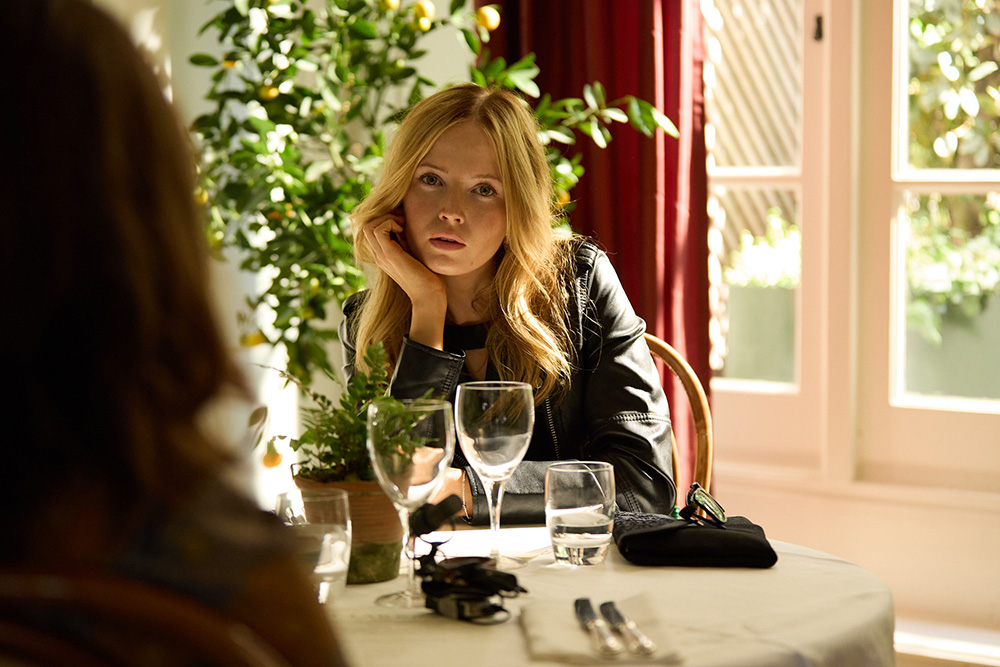
Distribution plans suggest the film is being positioned carefully for both prestige audiences and broader VOD discovery. In the United Kingdom, the film will be released theatrically by Vertigo Releasing on May 29, 2026, while in the United States, Cineverse announced that Moss & Freud will debut on digital platforms and Video on Demand on May 12, 2026. The decision to prioritize premium VOD in North America feels particularly aligned with the film’s adult-oriented prestige positioning, especially at a time when sophisticated biographical dramas increasingly find strong secondary audiences through streaming and digital rentals after festival exposure.
What ultimately makes Moss & Freud especially compelling is how unusual its central story remains even decades later. Countless artists have painted celebrities, but very few collaborations resulted in a relationship that appeared to fundamentally alter both participants. The original portrait became far more than a painting of a famous model; it evolved into a document of endurance, trust, discomfort, and mutual fascination between two cultural figures operating at entirely different ends of British fame. By focusing on that deeply personal process rather than tabloid sensationalism, James Lucas may have crafted something far more interesting than a conventional celebrity biopic: a meditation on observation itself, on what it means to truly look at someone beyond image, mythology, and public performance.
Synopsis :
Supermodel Kate Moss decided to pose for British artist Lucian Freud. This decision had a profound impact on both of their lives and transformed them. Freud’s nude portrait of Moss sold in 2005 for nearly $5 million.
Moss & Freud
Written and directed by James Lucas
Produced by Matthew Metcalfe
Starring Ellie Bamber, Derek Jacobi
Cinematography : Maria Ines Manchego
Edited by Nick Carew
Music by Karl Sölve Steven
Production company : GFC Films
Distributed by Vertigo Releasing
Release dates : 10 October 2025 (BFI London Film Festival), 29 May 2026 (United Kingdom)
Running time : 100 minutes