
 English
High Tech - Barco Announces Major 2026 HDR by Barco Slate With New Films From Universal Pictures and Focus Features
By Mulder, 07 may 2026
The future of premium theatrical exhibition continues to evolve at a fascinating pace, and one of the clearest signals coming out of this year’s CinemaCon was the growing confidence studios are placing in high dynamic range presentation for cinemas. Belgian technology giant Barco officially revealed that five major upcoming films from Universal Pictures and Focus Features will receive releases in the HDR by Barco premium format throughout 2026, a move that further strengthens the company’s ambition to position theatrical HDR as one of the defining cinematic experiences of the decade. The newly announced lineup includes Steven Spielberg’s mysterious event film Disclosure Day, Illumination’s chaotic animated comedy Minions & Monsters, DreamWorks Animation’s emotionally driven fantasy Forgotten Island, Focus Features’ dark supernatural romance Obsession, and the comedy sequel Focker-In-Law, which reunites franchise veterans Ben Stiller and Robert De Niro while adding global pop superstar Ariana Grande to the beloved Meet the Parents universe. The announcement immediately generated strong reactions among exhibitors and projection specialists because HDR presentation in cinemas remains one of the most discussed technological frontiers in theatrical entertainment, particularly at a time when studios are searching for ways to differentiate the moviegoing experience from increasingly sophisticated home entertainment systems.
The timing of this announcement is far from accidental. Since the pandemic era reshaped theatrical habits, exhibitors and studios have aggressively explored premium large format strategies capable of convincing audiences that cinema still offers something impossible to replicate at home. IMAX, Dolby Cinema, ScreenX, 4DX and laser projection systems have all fought for dominance, but HDR by Barco occupies a particularly interesting space because it directly addresses image perception itself rather than relying purely on screen size or motion effects. Built around Barco’s patented Lightsteering technology, the system strategically redistributes light on screen, producing highlights that are reportedly more than six times brighter than traditional projection while simultaneously preserving dark-level detail and contrast depth. That balance is crucial because one of the historical limitations of theatrical projection compared to OLED televisions has always been black levels and dynamic range. HDR by Barco attempts to bridge that gap without sacrificing the scale and immersion unique to cinemas. According to Barco, the technology also enables a wider color gamut and more nuanced contrast rendering, giving filmmakers significantly more creative flexibility when composing scenes with intense highlights, atmospheric shadows or stylized lighting palettes. For filmmakers such as Steven Spielberg, whose visual storytelling has often relied on carefully orchestrated lighting contrasts and awe-driven spectacle, the format presents obvious artistic opportunities.
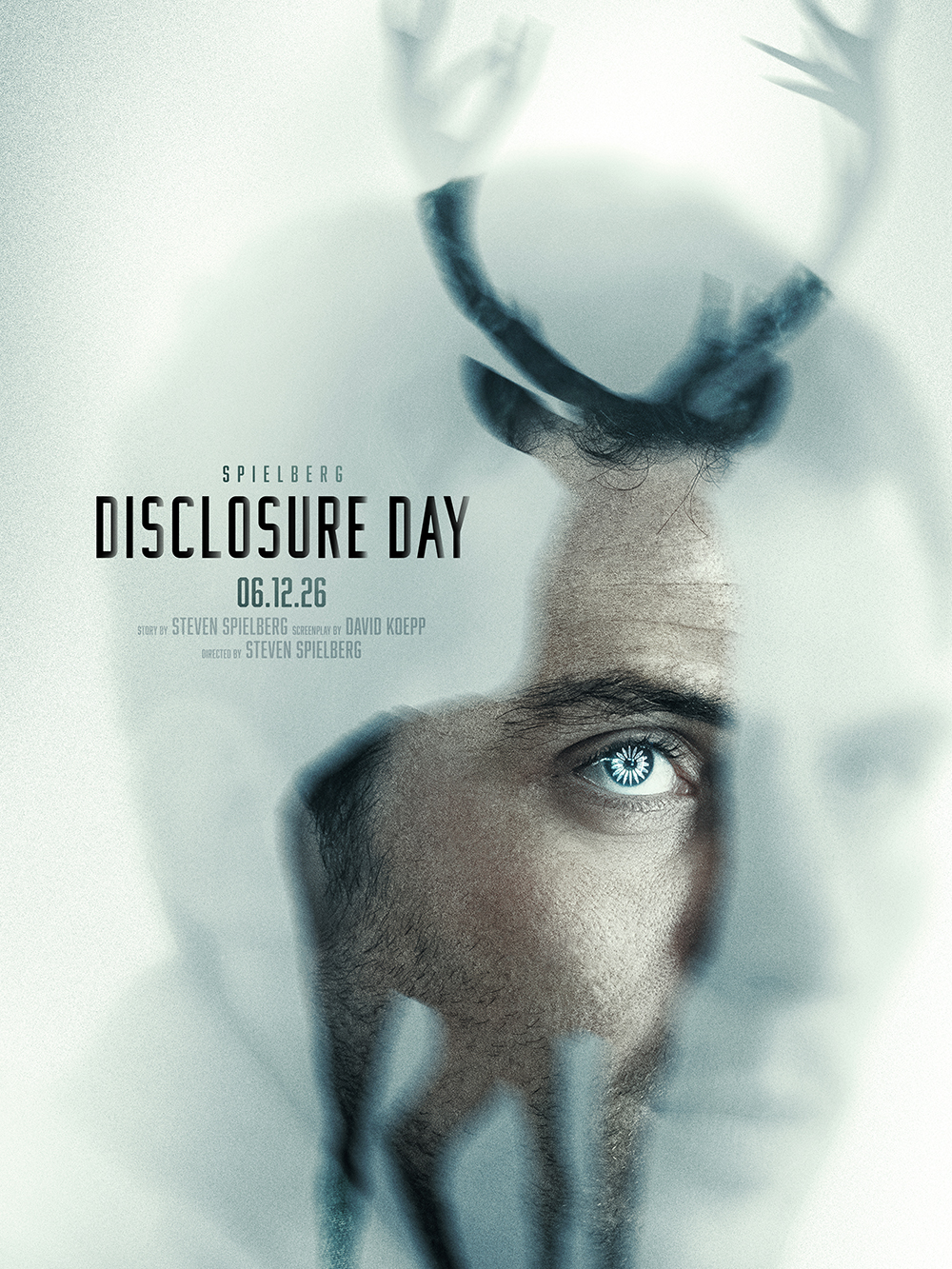
Among the announced projects, Disclosure Day instantly became the centerpiece of industry conversation, not only because it is directed by Steven Spielberg, but also because of its deliberately cryptic premise. Scheduled for release on June 12, 2026, the film is described as an original event movie centered around humanity learning definitive proof that extraterrestrial life exists. The brief synopsis : “If you found out we weren’t alone, if someone showed you, proved it to you, would that frighten you?” immediately triggered comparisons to classics such as Close Encounters of the Third Kind and War of the Worlds, both previously directed by Steven Spielberg. Cinema insiders have already speculated that the filmmaker may once again be returning to the blend of wonder, fear and emotional intimacy that helped define his greatest science-fiction works. The choice to present the film in HDR by Barco feels especially strategic considering how dependent modern science-fiction cinema has become on intricate lighting, cosmic imagery and large-scale visual effects. Many projection experts attending CinemaCon reportedly viewed Disclosure Day as exactly the kind of visually ambitious production capable of demonstrating the practical benefits of theatrical HDR to mainstream audiences.
Animation also occupies a major place in Barco’s 2026 slate. Illumination’s Minions & Monsters, opening July 1, 2026, appears designed to capitalize on the global popularity of the Minions franchise while embracing an even more absurd and chaotic tone. The synopsis promises a story involving the Minions conquering Hollywood, becoming movie stars, unleashing monsters upon the world and attempting to repair the catastrophic damage they caused themselves. The concept already sounds tailor-made for hyper-saturated HDR imagery, explosive color palettes and frantic visual comedy. Illumination films have historically been among the brightest and most visually energetic animated productions in modern cinema, and HDR presentation could intensify the exaggerated lighting and expressive animation style that audiences associate with the studio. At the same time, DreamWorks Animation’s Forgotten Island, scheduled for September 25, 2026, appears positioned at the opposite emotional spectrum. Described as a mythic fantasy involving lifelong friends who must sacrifice memories of one another to return home, the film seems likely to pursue a more emotional and atmospheric visual identity. Industry observers have already compared the premise to emotionally driven animated fantasies such as Spirited Away or Inside Out, though no direct stylistic details have yet been revealed. The ability of HDR by Barco to retain subtle shadow detail while emphasizing luminous fantasy imagery could become especially valuable for films operating in dreamlike or emotionally symbolic environments.
Focus Features’ Obsession, arriving May 15, 2026, may ultimately become one of the most visually intriguing titles in the entire lineup because horror and psychological thrillers often benefit enormously from expanded contrast ranges and precise control over darkness. The story follows a hopeless romantic who breaks the mysterious “One Wish Willow” to win the affection of his crush, only to discover that his desires come with sinister consequences. While relatively little is known about the production at this stage, the premise strongly suggests a supernatural romance infused with gothic horror elements. Horror filmmakers have increasingly embraced HDR workflows because carefully calibrated darkness can dramatically enhance tension and atmosphere rather than simply making scenes appear dim. Theatrical HDR may therefore become especially important for preserving visual nuance in shadow-heavy horror cinematography, something traditional projection has occasionally struggled to maintain consistently across auditoriums.
Meanwhile, Focker-In-Law represents a very different kind of studio confidence play. Releasing on November 25, 2026, the film revives the enormously successful Meet the Parents comedy franchise that became one of Universal’s defining comedy properties during the 2000s. The return of Ben Stiller and Robert De Niro alone would already guarantee strong audience nostalgia, but the addition of Ariana Grande immediately transformed the project into one of the most commercially intriguing comedy releases of the year. Following the major success of Wicked, Ariana Grande’s expanding presence in Hollywood has become one of the industry’s most closely watched transitions from music superstar to major film actress. The decision to include Focker-In-Law in the HDR by Barco slate is also revealing because it demonstrates that premium formats are no longer being positioned solely around action blockbusters or science-fiction spectacles. Studios increasingly appear interested in making premium presentation a broader theatrical standard capable of benefiting comedies, dramas and mid-budget productions as well.
Behind all of these announcements lies the continuing transformation of Barco itself from a respected projection manufacturer into a much more visible entertainment technology brand. Headquartered in Kortrijk, the company has steadily expanded its global influence across visualization, networking and collaboration technologies. In 2025, Barco reported sales reaching 964 million euros, reflecting strong momentum across healthcare, enterprise and entertainment sectors. The company employs more than 3,000 people worldwide, whom Barco internally refers to as “visioneers,” a term the company frequently uses to emphasize its innovation-focused corporate identity. While casual moviegoers may not always recognize the Barco name as easily as IMAX or Dolby, industry professionals have long understood the company’s influence within cinema infrastructure, particularly in digital projection systems. The expansion of HDR by Barco partnerships with major Hollywood studios therefore represents an important strategic shift toward stronger public-facing brand visibility.
Perhaps the most interesting long-term implication of this announcement is what it says about the future creative expectations of filmmakers themselves. For decades, theatrical projection standards remained relatively static compared to the rapid evolution of consumer television technology. Now, however, filmmakers are increasingly designing movies specifically for premium presentation ecosystems, whether through expanded aspect ratios, immersive sound mixes or enhanced dynamic range. HDR by Barco’s growing adoption suggests that studios see real potential in theatrical HDR becoming more than just a niche experiment. If audiences respond positively to these 2026 releases, especially visually ambitious productions like Disclosure Day or Forgotten Island, the format could become a far more common component of blockbuster exhibition strategies moving forward. In an era where streaming platforms constantly compete for attention, cinema technologies capable of delivering a genuinely distinct visual experience may ultimately become one of the theatrical industry’s most important survival tools.
(Source : press release)