
 English
Lego - Bricks of Wonder: When LEGO® Bricks Become True Works of Art
By Mulder, 06 may 2026
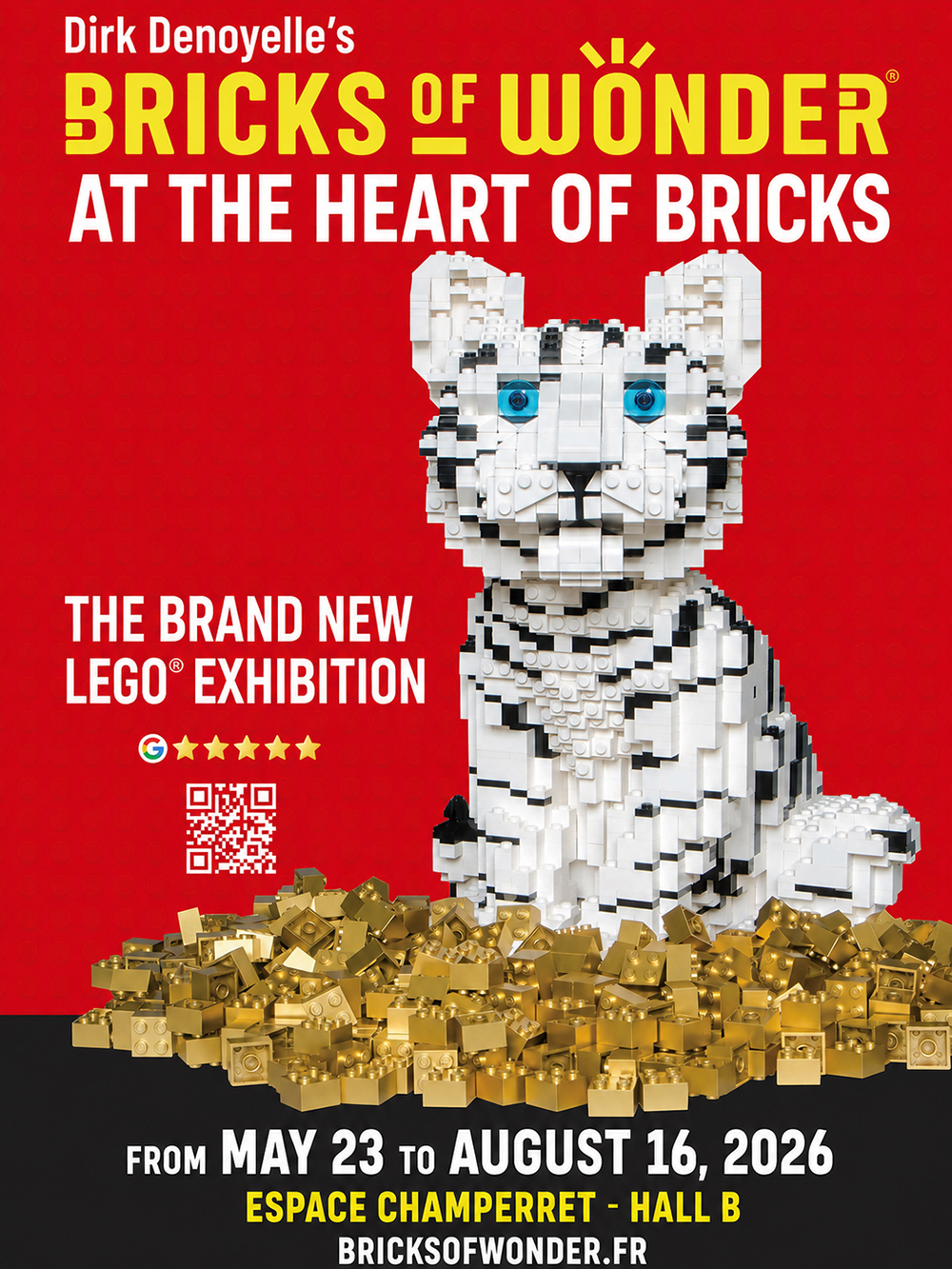
In Paris, immersive exhibitions have been on the rise for several years, but few manage to so seamlessly blend contemporary art, pop culture, generational nostalgia, and family-friendly interactivity as Bricks of Wonder - au Cœur des Bricks. Starting May 23, 2026, the Espace Champerret – Hall B, located at Porte de Champerret in the 17th arrondissement, will host an experience spanning over 1,500 square meters entirely dedicated to the LEGO® universe, curated by Belgian artist Dirk Denoyelle, an unconventional figure whose career blends electronic engineering, humor, mimicry, and artistic creation. At a time when LEGO® continues to establish itself as a global cultural phenomenon far beyond the realm of mere toys—with official collaborations spanning cinema, music, video games, and the fine arts—this new Parisian exhibition arrives at a particularly interesting moment. In recent years, giant LEGO® creations have attracted an increasingly broad audience, from passionate collectors to curious families, while social media has played a major role in transforming these constructions into true works of technical and artistic demonstration. Paris has already hosted several events centered on the famous Danish brick, but Bricks of Wonder seems intent on taking things a step further by fully embracing a museum-like and immersive experience.
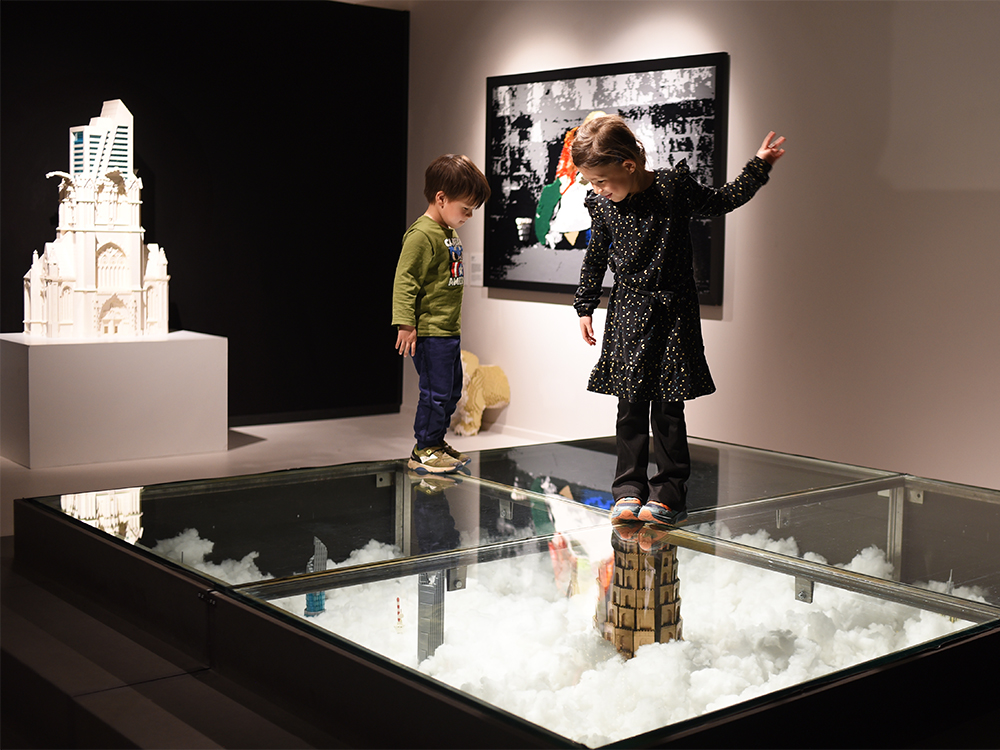
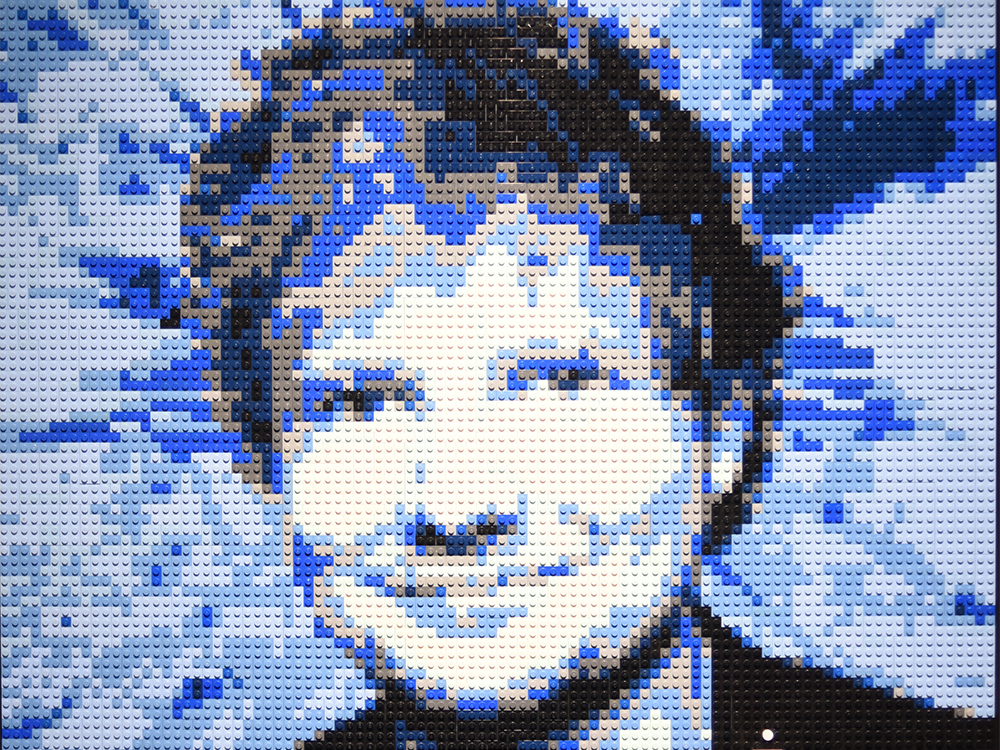
The heart of the exhibition features over 150 original creations designed by Dirk Denoyelle, an artist whose reputation in Belgium extends far beyond the realm of LEGO® sculpture. A comedian well-known in Flanders since the early 1990s and a polyglot fluent in French, English, Dutch, German, and Spanish, he also holds a degree in civil engineering with a focus on electronics—a detail that immediately explains the almost surgical precision evident in his constructions. This blend of technical rigor and creativity likely explains why his works often seem to defy the structural logic of LEGO® bricks. While some artists are content to simply reproduce well-known figures, Dirk Denoyelle constantly plays with textures, volumes, perspectives, and even optical illusions. His creations range from monumental 3D sculptures to 2D mosaic paintings of impressive precision, paying homage to popular icons such as Ed Sheeran, Mr. Bean, and Michael Jackson as well as historical masters of painting like Peter Paul Rubens, Vincent van Gogh, and Salvador Dalí. This ongoing dialogue between popular culture and classical artistic heritage is likely one of the most fascinating aspects of the project, as it reminds us just how much the LEGO® brick has become an internationally recognized creative medium today.
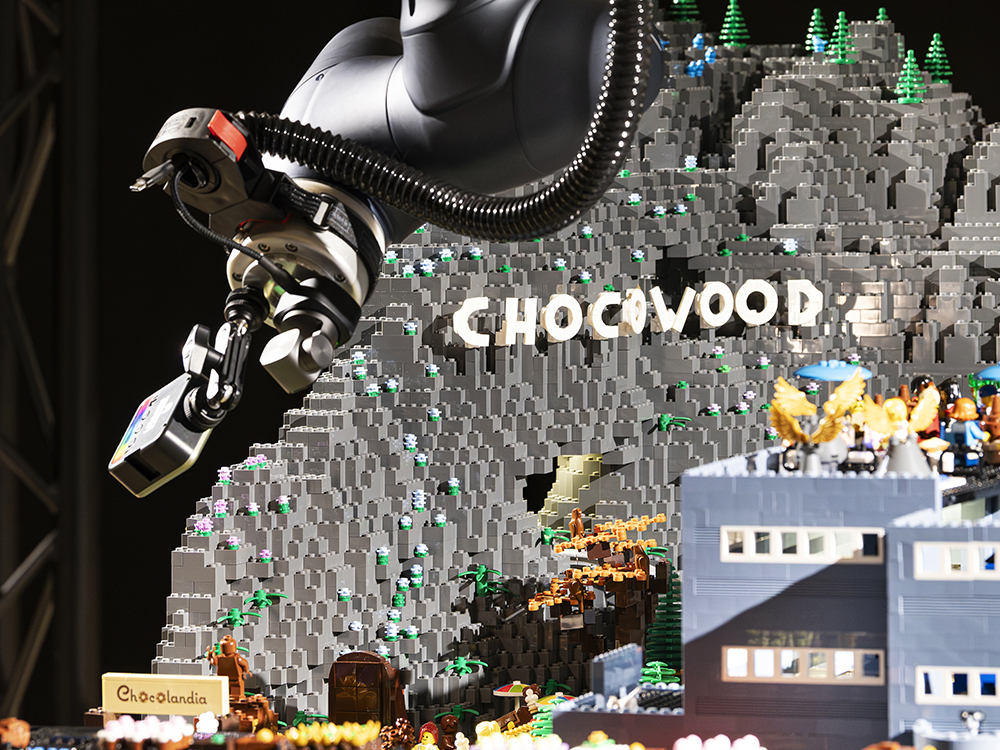
Another striking aspect of the exhibition’s philosophy is its refusal to remain stuck in a purely contemplative mindset. Many pop culture-based exhibitions fall into the trap of becoming “Instagram museums,” where visitors simply snap photos of the displays before moving on. Bricks of Wonder, on the other hand, seems intent on creating a much more active and participatory experience. One of the most intriguing elements announced is the Robotic Art Experience, a technological installation using a robotic arm and multiple cameras to explore the microscopic details of the exhibited works. This approach highlights just how much giant LEGO® constructions often possess a richness invisible to the naked eye: hidden micro-details, complex assemblies, advanced interlocking techniques, or color schemes perceptible only at very close range. For building enthusiasts as well as visitors less familiar with this world, this technological presentation could become one of the exhibition’s major attractions.
The other announced highlight is, of course, the gigantic PlayZone, which provides a million LEGO® bricks to allow the public to build their own creations. This type of interactive space has become essential in major contemporary LEGO® events, but its scale here seems particularly ambitious. The idea is no longer just to observe finished works but to put visitors back in the creative mindset that comes with building. This tactile and immediate connection to the brick likely explains why LEGO® has spanned generations with such ease for decades. Founded in Denmark in 1932 by Ole Kirk Christiansen, the LEGO® brand has gradually evolved from a manufacturer of wooden toys into a global cultural empire whose annual revenue now exceeds several billion euros. In recent years, the company has notably strengthened its artistic positioning with lines aimed at adults, monumental sculptures in international LEGO® Stores, and collaborations with prestigious cultural institutions. In this context, seeing an exhibition like Bricks of Wonder take up residence in the heart of Paris is ultimately no small matter: it confirms how the LEGO® brick is now perceived as a legitimate creative tool in its own right.
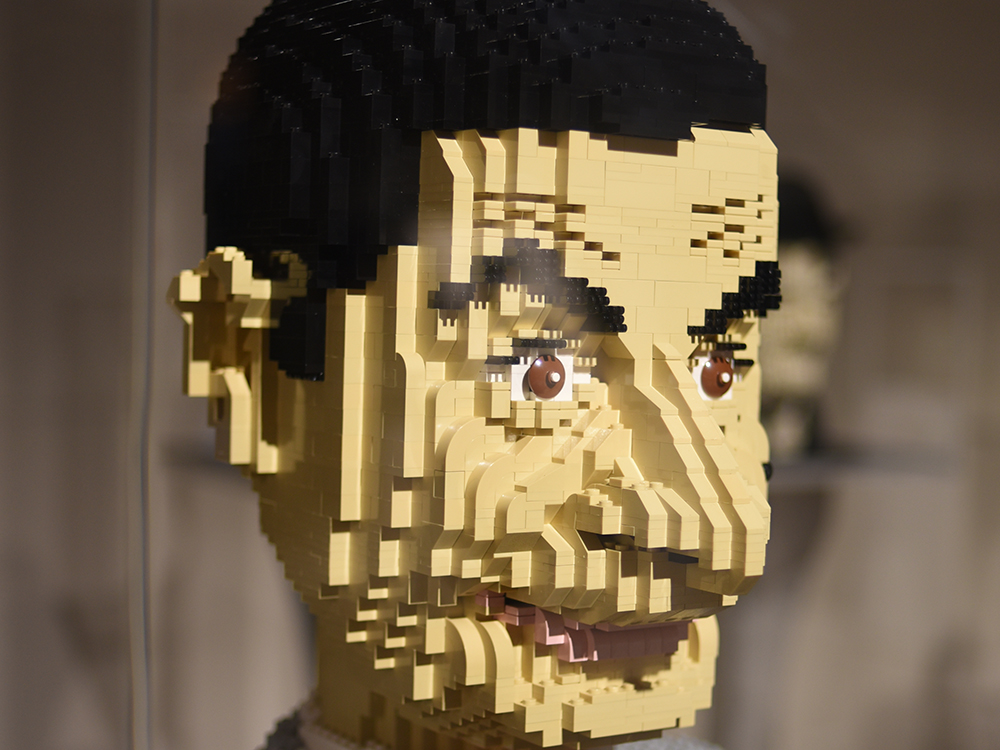
The exhibition will also feature a scavenger hunt for children as well as an audio tour narrated directly by Dirk Denoyelle via smartphone a particularly interesting detail, as it helps humanize the experience. Many LEGO® artists remain somewhat mysterious to the general public, whereas this exhibition seems intent on highlighting the very personality of its creator. However, when you learn about Dirk Denoyelle’s background, you quickly realize that his world extends far beyond his constructions. His experience on stage as a comedian and impressionist clearly adds a narrative and playful dimension to his works. Some creations thus play on visual humor, subtle references, or the exaggerated expressions of the characters depicted. This approach sometimes gives the impression of witnessing an unlikely encounter between the spirit of a comedy show and that of a contemporary art gallery.
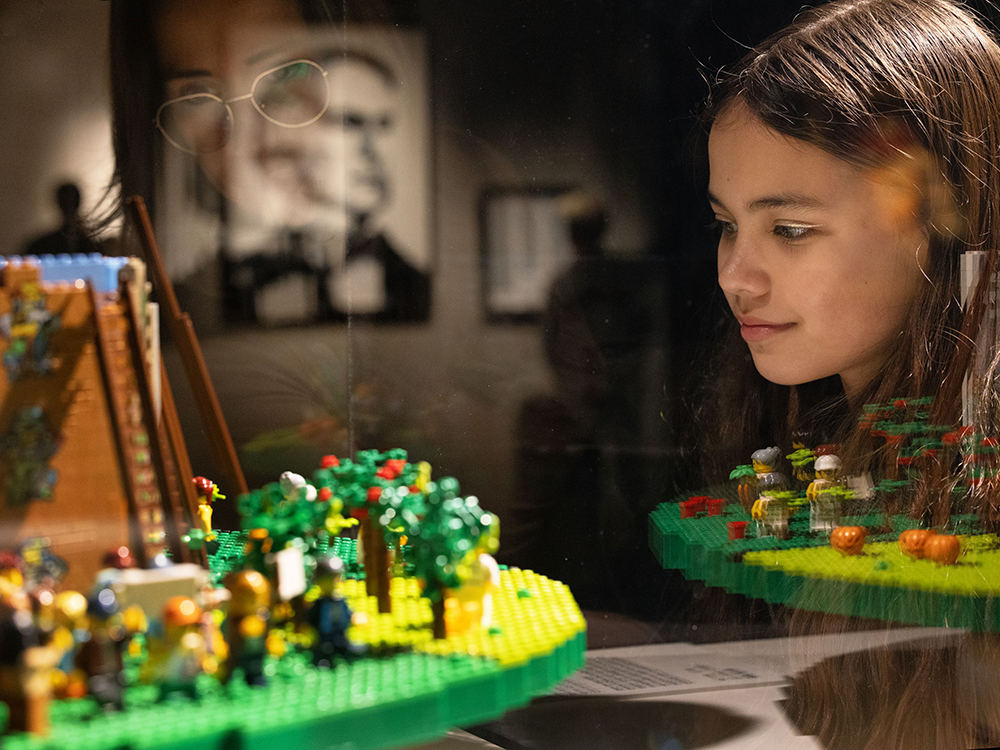
The arrival of Bricks of Wonder at Cœur des Bricks in Paris also comes at a time when immersive experiences are constantly seeking to reinvent themselves in the face of an increasingly demanding audience. Between digital exhibitions, interactive installations, and events centered on popular franchises, competition is fierce in the French capital. Yet the strength of this exhibition likely lies in its artisanal authenticity. Behind each sculpture on display lie hundreds, sometimes thousands, of hours of manual assembly. Unlike certain fully automated digital installations, the LEGO® universe retains something deeply human and almost meditative in its creation. This tangible aspect likely explains why so many adults are rediscovering the bricks of their childhood today from an artistic or therapeutic perspective.

With its 1,500 m² of exhibition space, monumental creations, interactive installations, and approach accessible to all audiences, Bricks of Wonder - Au Cœur des Bricks could well become one of the most memorable family and artistic events of the Parisian spring. Combining a tribute to global pop culture, a celebration of Dirk Denoyelle’s creative genius, and a spectacular demonstration of the artistic potential of LEGO® bricks, the exhibition promises an experience that will appeal to construction enthusiasts, contemporary art lovers, and anyone simply curious and in search of wonder.
Website and reservations: https://www.bricksofwonder.fr/