

Ravensburger Celebrates Star Wars with Three Collector's Edition Puzzles
Monday 4 May, 6:22 AM PT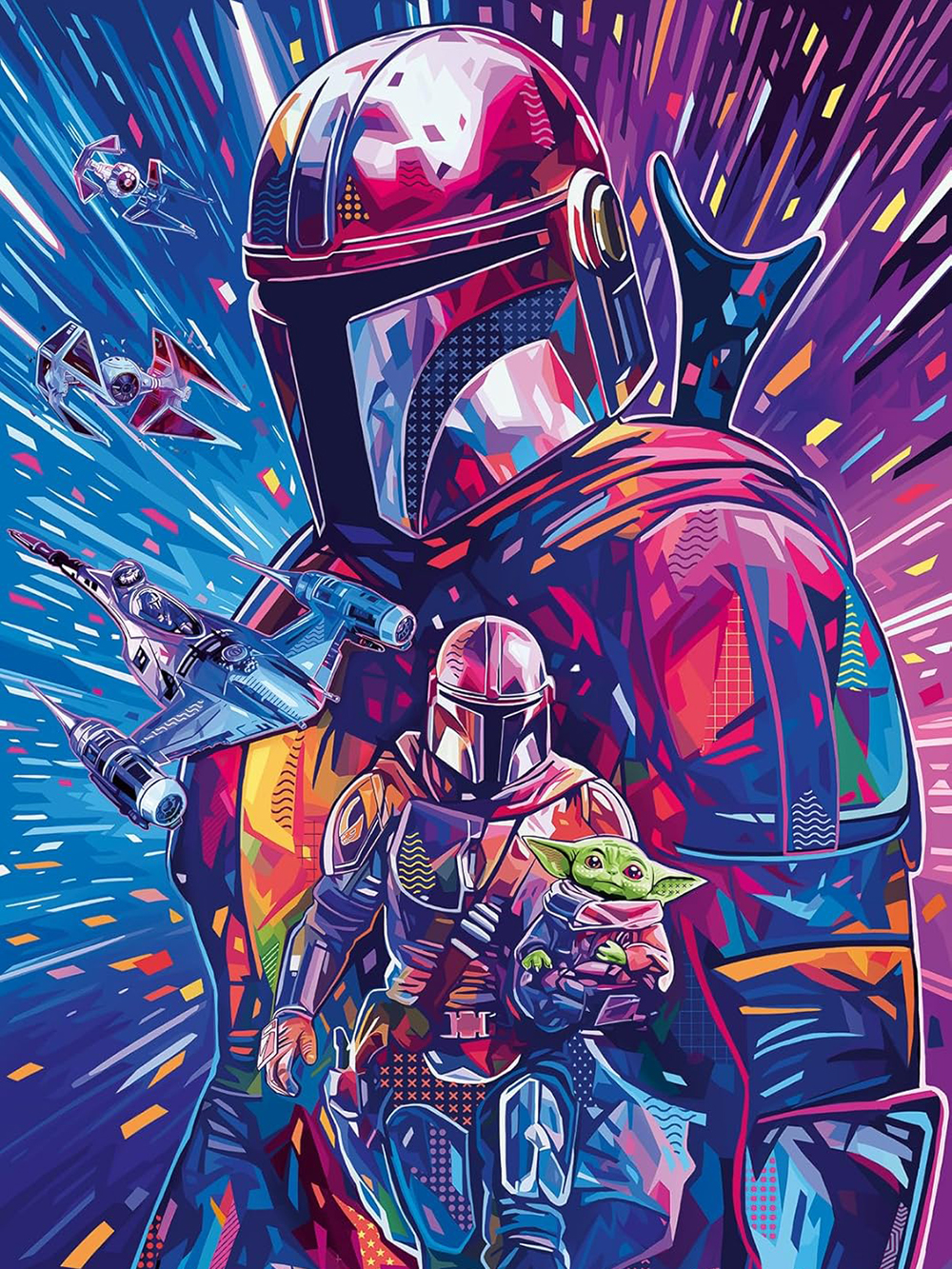
To mark the now-unmissable May the 4th, a true global celebration of the saga created by George Lucas, and in the wake of growing anticipation surrounding the film The Mandalorian & Grogu, German manufacturer Ravensburger is unveiling a new wave of officially licensed Star Wars puzzles, confirming a product strategy that is particularly well-aligned with the latest developments in the franchise owned by Lucasfilm Ltd. and operated by The Walt Disney Company. In a puzzle market that has seen a spectacular resurgence since 2020, particularly in Europe, Ravensburger is capitalizing here on a dual dynamic: the transgenerational nostalgia for Star Wars and the strong comeback of so-called “slow entertainment” activities, where concentration and relaxation have become selling points as powerful as the franchises themselves.
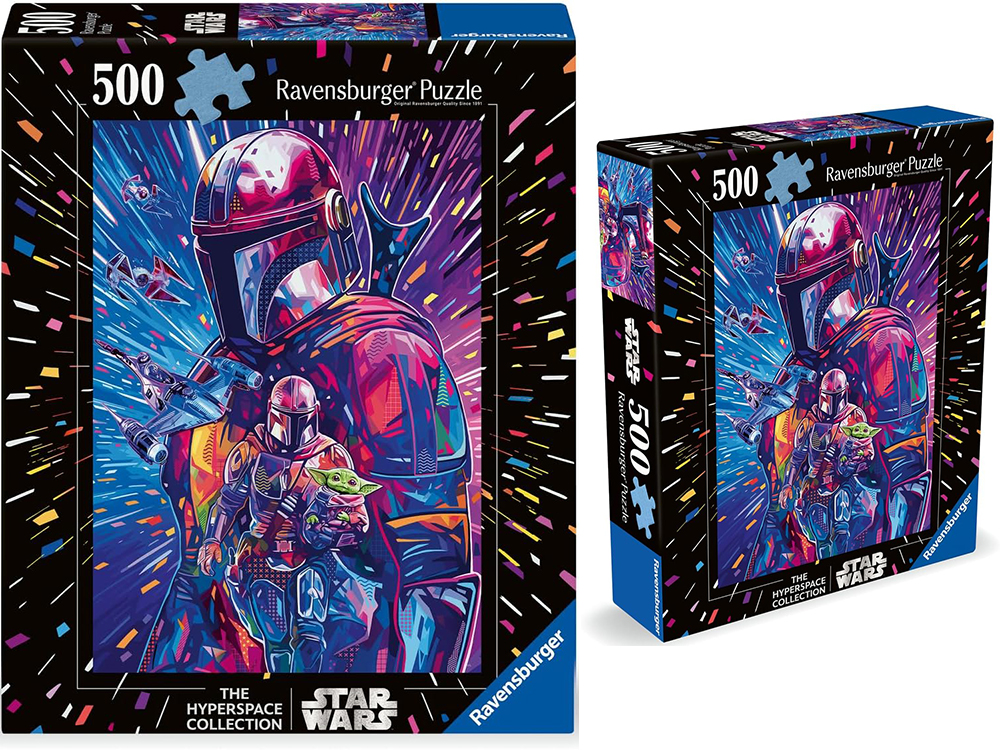
The first model, dedicated to The Mandalorian, features a 500-piece puzzle (70 x 50 cm) highlighting the bounty hunter portrayed by Pedro Pascal, in an aesthetic dominated by deep purple hues—an interesting artistic choice that contrasts with the series’ usual desert color palettes. This visual, both contemplative and intense, is part of a recent trend observed in Star Wars merchandise: offering bolder, almost painterly graphic interpretations, far removed from simple reproductions of promotional images. On the technical side, Ravensburger remains true to its high standards with thick cardboard, a matte anti-glare finish, and renowned precision in assembly—features regularly cited in consumer reviews as key differentiators in the face of increased competition in the licensed puzzle segment.
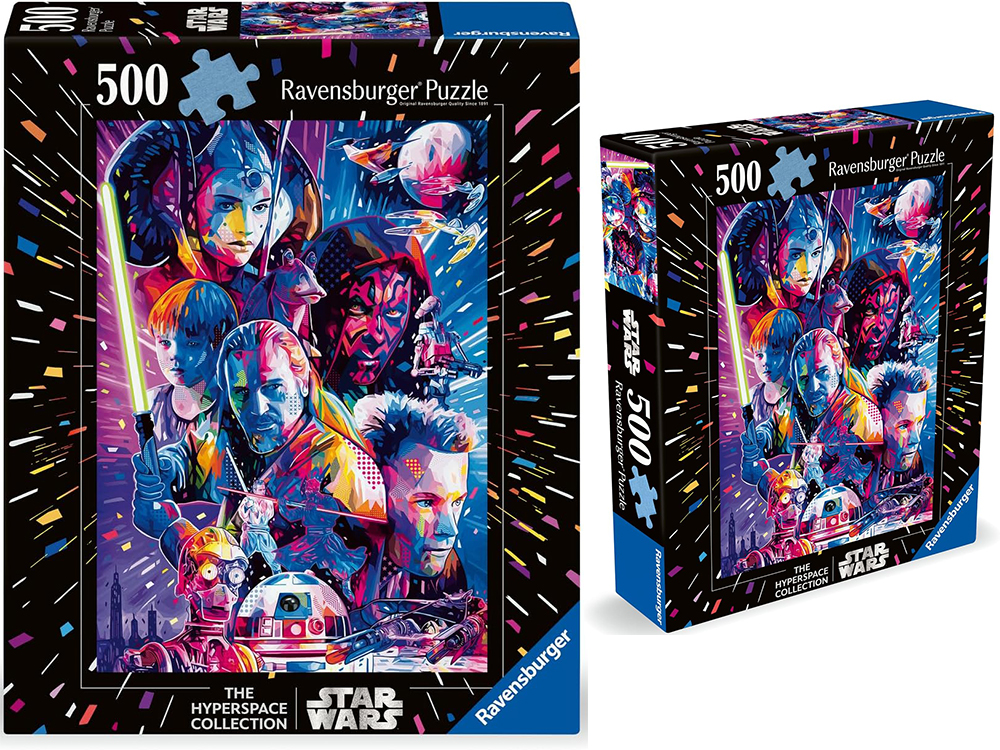
The second puzzle pays homage to Star Wars Episode I: The Phantom Menace, a pivotal film in the saga’s modern expansion, which introduced iconic characters such as Ewan McGregor as Obi-Wan Kenobi and Liam Neeson as Qui-Gon Jinn. Here again, the artistic direction favors a predominantly purple palette, blending lightsabers and iconic silhouettes in a composition that relies more on evocation than on direct storytelling. This visual choice is no accident: it reflects Ravensburger’s desire to offer products that appeal to both collectors and casual enthusiasts alike, by focusing on a decorative aesthetic capable of extending the experience beyond simple assembly. In practice, this type of puzzle is often framed once completed, a practice the brand implicitly encourages through the quality of its prints and the sharpness of its outlines.
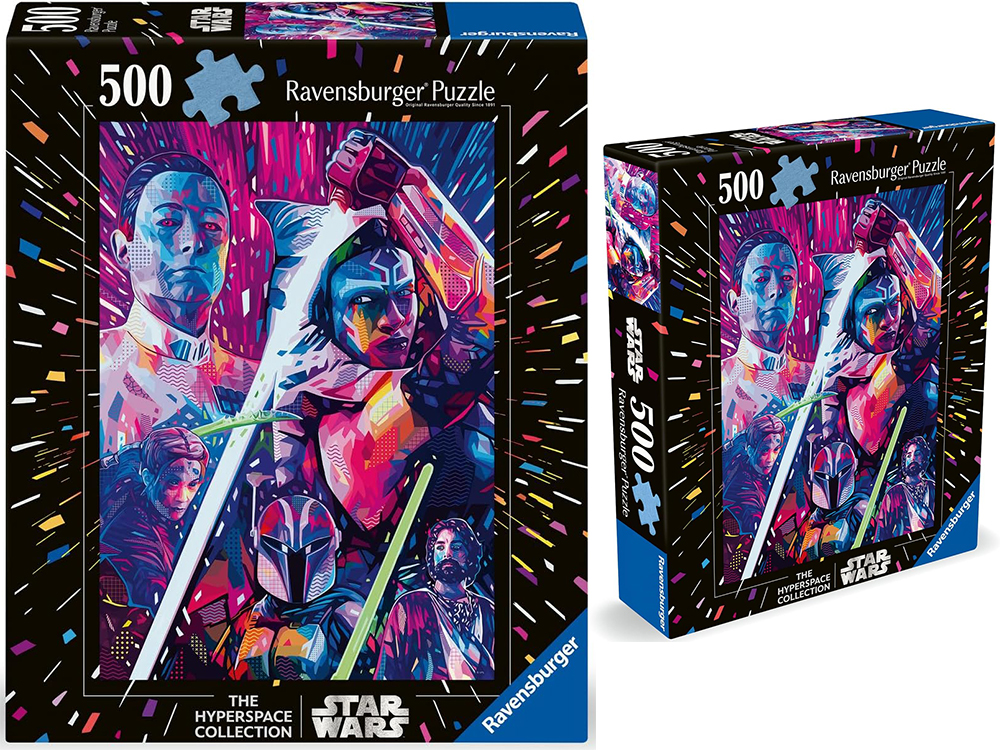
Finally, the third model is inspired by the Ahsoka series, centered on the former Jedi portrayed by Rosario Dawson, a character particularly beloved by fans for her complex narrative arc since her introduction in The Clone Wars. The puzzle depicts Ahsoka with lightsabers in hand, in a mystical atmosphere enhanced by enchanting shades of purple, highlighting the themes of wisdom, resilience, and balance that define the character. This editorial choice reflects a broader evolution of the Star Wars franchise, which now highlights strong female figures and more introspective narratives—a direction that merchandise consistently supports.
Beyond their aesthetic appeal, these three puzzles share identical technical specifications: 500 pieces, a format accessible to both beginner and intermediate puzzlers, and German manufacturing using FSC-certified materials, including recycled fibers and controlled sources (FSC-C111262). This environmental commitment, now an essential marketing selling point in the toy industry, responds to growing demand from European consumers, who are particularly sensitive to product traceability and sustainability. In a landscape where major brands must balance strong licenses with ecological responsibility, Ravensburger appears to have struck a credible balance here.
These puzzles are part of a controlled pricing strategy, allowing the company to reach a broad audience without sacrificing perceived quality. Available now, they arrive at a strategic moment, straddling community celebrations and the rising momentum of Star Wars in theaters, confirming once again that the puzzle, far from being a mere indoor pastime, has become a true vehicle for immersion in contemporary cultural universes, capable of extending the narrative experience far beyond the screen.