

The Mandalorian and Grogu: Burger King Goes Galactic in France
Tuesday 28 April, 4:00 AM PT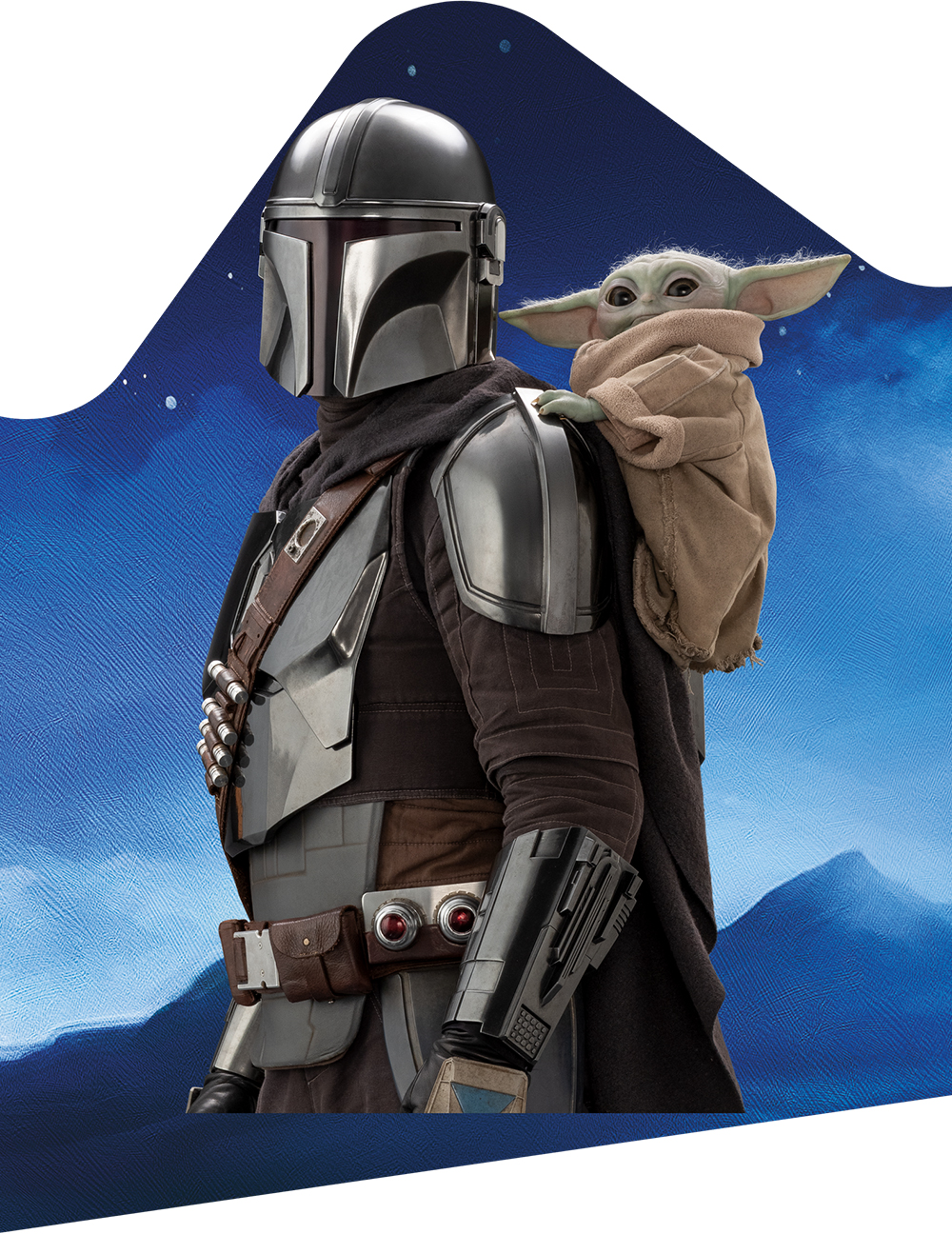
Just weeks before the theatrical launch of The Mandalorian and Grogu, the first Star Wars feature film built around the characters popularized by the Disney+ series, Burger King France has launched an ambitious promotional campaign designed to merge blockbuster anticipation with everyday consumer habits. Since April 28, the chain has rolled out a special operation inspired by the galaxy created by George Lucas, using the slogan “May the hunger be with you.” The wording is playful, but the strategy behind it is serious: attract families, collectors, franchise loyalists, and curious customers looking for something limited and shareable. The French activation is part of a wider international rollout, with Burger King using the upcoming film as a global commercial moment rather than a simple local promotion. In modern entertainment marketing, visibility before release often matters as much as the release itself.
At the center of the campaign is the Mandalorian Burger, a premium sandwich built around flame-grilled beef, smoked bacon, melted cheddar, fresh and crispy onions, iceberg lettuce, and a black garlic-and-ginger sauce that gives the product its strongest visual signature. Even the bun has been styled to support the themed identity, proving once again that fast food has become increasingly presentation-driven. Chains now understand that a limited-edition burger must succeed both in the hand and on a smartphone screen. The dark sauce, unusual color palette, and branded name are all part of a design logic aimed at social media visibility. Customers are not only expected to eat the burger, but to photograph it, compare it, and post it online.
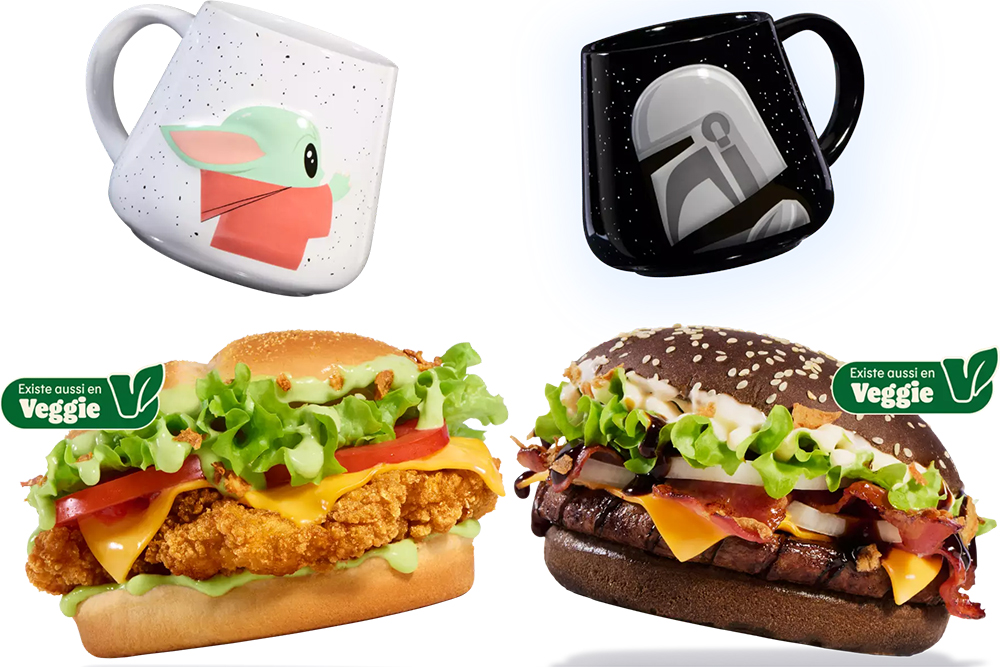
One of the most notable aspects of the French launch is the vegetarian version, the Mandalorian Veggie Burger. Instead of treating meat-free consumers as an afterthought, Burger King has mirrored the core recipe with a plant-based grilled patty and meatless bacon supplied by La Vie™. That decision reflects a broader industry shift: plant-based alternatives are no longer niche menu additions but central elements in mainstream campaigns. Ten years ago, such blockbuster tie-ins would almost certainly have focused only on classic meat offerings. Today, inclusivity of menu choice is part of the commercial package, especially when brands want to maximize reach across demographics.
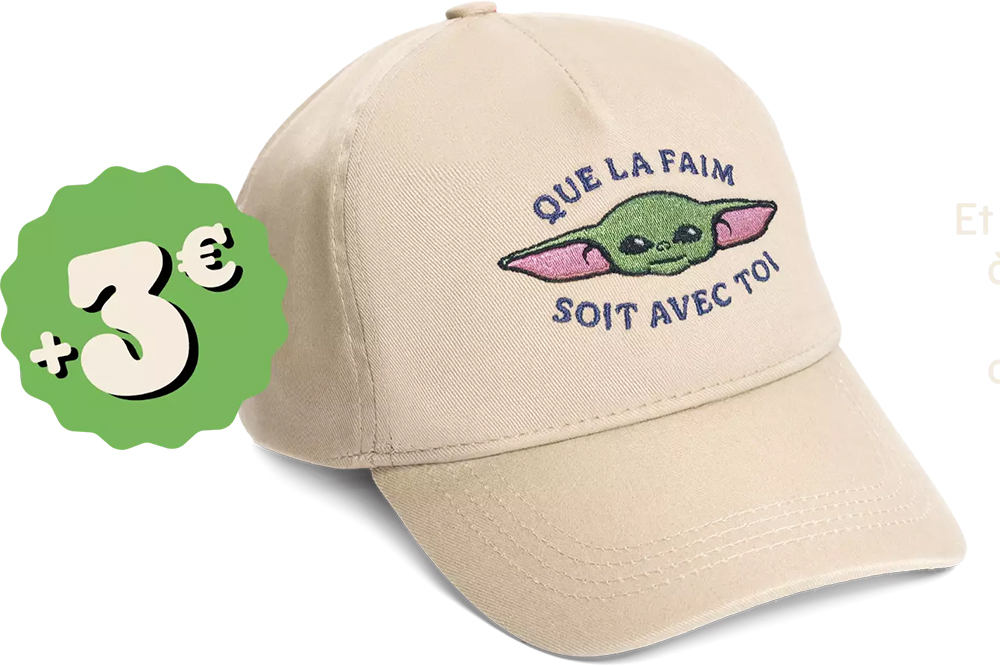
As with many successful collaborations, the food itself is only one layer of the operation. French customers are also being offered themed menus and collectible mugs, reinforcing the event-like nature of the campaign. This taps into a proven consumer reflex: the desire to own something limited, even inexpensive, connected to a favorite franchise. It is the same instinct that once drove cereal-box toys, cinema cups, and fast-food figurines. The anecdotal reality of many modern promotions is that some buyers care more about the collectible than the meal, keeping items boxed or unused as mini memorabilia. Burger King is clearly leaning into that psychology.
The timing is no coincidence. The Mandalorian and Grogu, directed by Jon Favreau and written by Jon Favreau, Dave Filoni, and Noah Kloor, is scheduled for release in the United States on May 22, 2026. The film represents the long-awaited return of Star Wars to theaters after several years without a big-screen installment. Pedro Pascal returns as Din Djarin, alongside Sigourney Weaver and Jeremy Allen White, who voices Rotta the Hutt. Industry observers are watching closely because this project is more than another sequel—it is effectively a test of whether characters born in streaming can drive theatrical success on the scale once reserved for traditional franchise trilogies.
The decision to center marketing around The Mandalorian rather than legacy icons such as Luke Skywalker or Darth Vader says much about how the franchise has evolved. Today, Grogu is one of the most commercially valuable characters in global entertainment: instantly recognizable, cross-generational, and adaptable to almost any product category. For marketers, that combination is rare and extremely powerful. A helmeted warrior and a charming child companion create a duo that appeals simultaneously to action fans, nostalgic adults, and younger audiences. In the United States, Burger King has reportedly expanded the concept even further with themed shakes and collectible drinkware linked to the same launch.
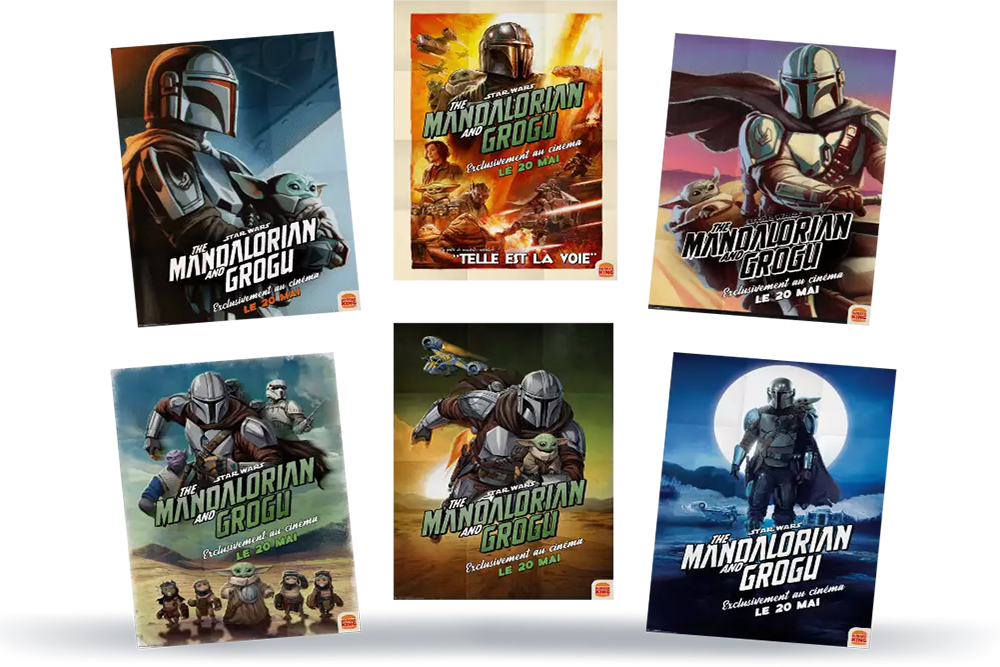
What this French campaign ultimately demonstrates is how blockbuster cinema now begins long before audiences enter a theater. Promotion is no longer confined to trailers, billboards, and television spots. It now arrives through lunch counters, takeaway bags, souvenir mugs, and social media feeds. Consumers can interact with a film weeks before buying a ticket, often without realizing they are already participating in the release strategy. For Disney, Lucasfilm, and Burger King, that kind of daily integration is marketing gold.
By partnering with Star Wars, Burger King France secures immediate restaurant traffic, online conversation, and cultural relevance. Disney, meanwhile, gains a highly visible retail presence that reaches consumers in ordinary routines rather than only through entertainment channels. The Force, in this case, is not mystical at all—it is commercial, carefully engineered, and still highly effective.
Synopsis :
The fall of the evil Galactic Empire sent the Imperial warlords scattering across the galaxy… To protect everything the Rebellion fought for, the fledgling New Republic decides to enlist the help of the legendary Mandalorian bounty hunter Din Djarin and his young apprentice Grogu…
Star Wars : The Mandalorian and Grogu
Directed by Jon Favreau
Written by Jon Favreau, Dave Filoni, Noah Kloor
Based on Characters by George Lucas
Produced by Kathleen Kennedy, Jon Favreau, Dave Filoni, Ian Bryce
Starring Pedro Pascal, Jeremy Allen White, Brendan Wayne, Lateef Crowder, Sigourney Weaver
Cinematography : David Klein
Edited by Rachel Goodlett Katz, Dylan Firshein
Music by Ludwig Göransson
Production companies : Lucasfilm Ltd., Fairview Entertainment
Distributed by Walt Disney Studios Motion Pictures (United States),
Release date : May 22, 2026 (United States)
Running time : 132 minutes