
 English
Movies - Clayface : DC Studios Shapes a Body-Horror Gamble That Could Redefine the Superhero Film in 2026
By Mulder, 22 april 2026
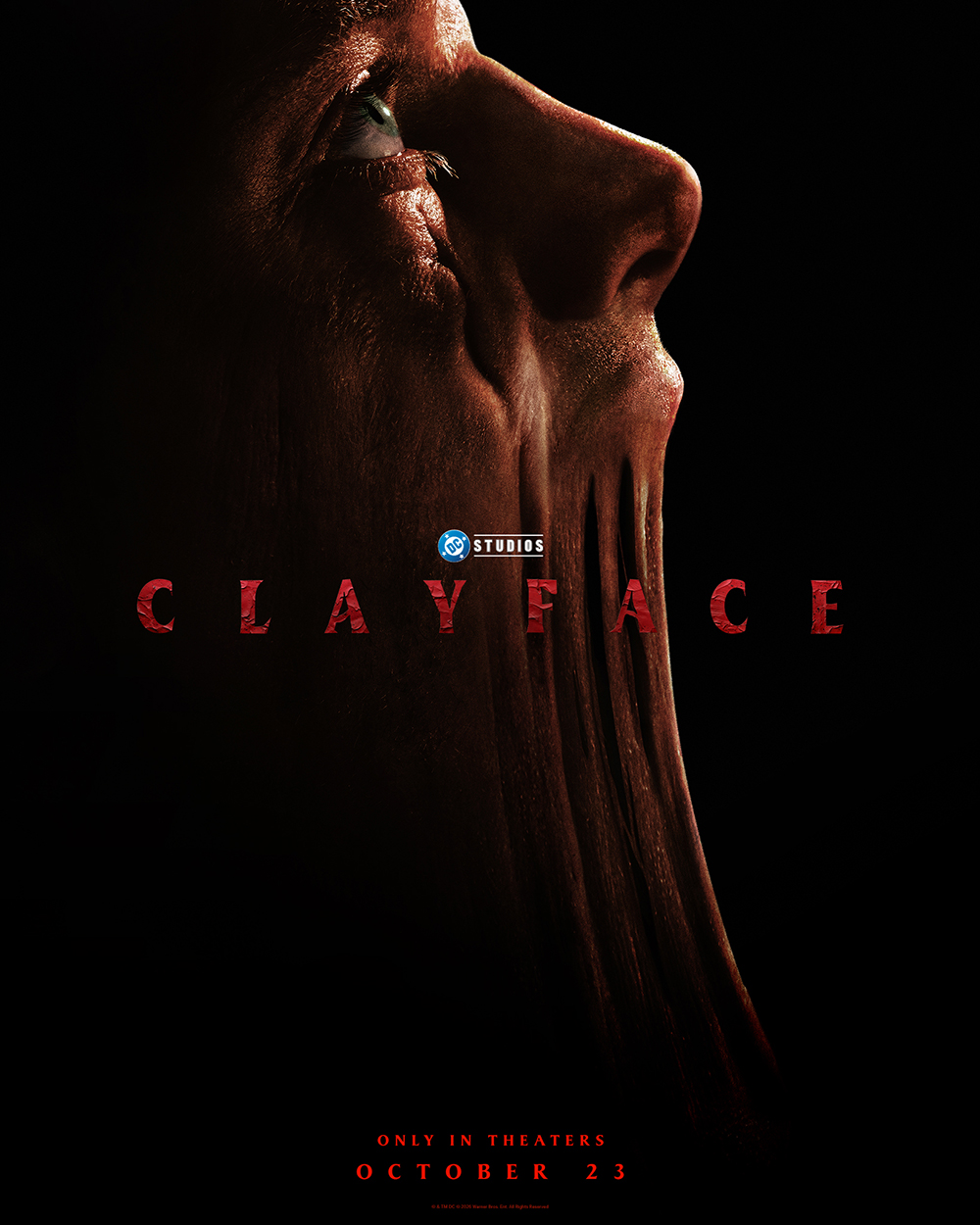
Few upcoming comic-book adaptations have generated as much intrigue for what they are not trying to be as Clayface, the new DC Studios feature scheduled for release on October 23, 2026, through Warner Bros. Pictures. Rather than another continuity-heavy franchise chapter engineered around cameos, crossovers, and formulaic spectacle, the film is being positioned as a disturbing body-horror tragedy centered on identity, vanity, ambition, and physical collapse. Directed by James Watkins, written by Mike Flanagan and Hossein Amini, and produced by Matt Reeves, Lynn Harris, James Gunn, and Peter Safran, the project adapts one of Gotham’s most psychologically rich villains into what appears to be a dark, intimate character study with mainstream studio reach. At a moment when superhero cinema is being challenged to evolve beyond repetition, Clayface arrives as one of the clearest signs that DC Studios intends to diversify tone rather than standardize it. If successful, the film may be remembered less as a spin-off and more as a turning point in how major franchises use their secondary characters.
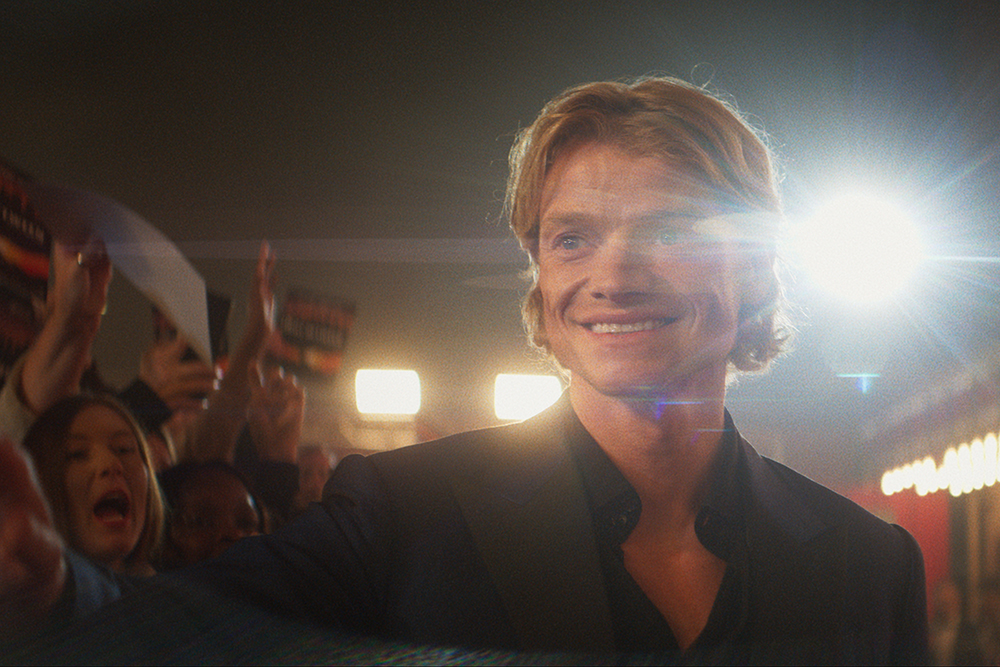
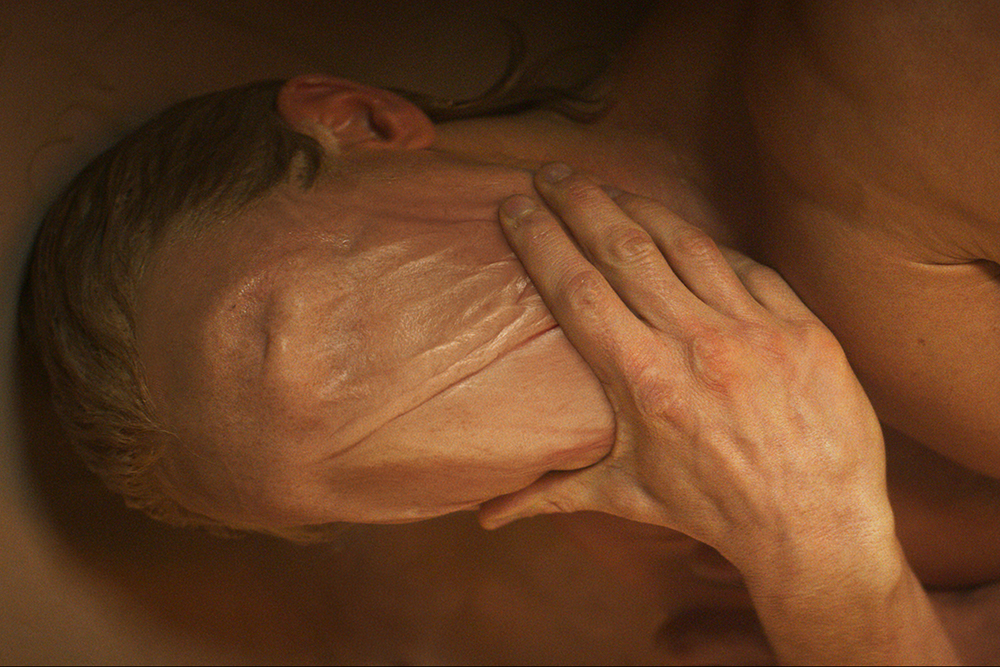
The story follows Matt Hagen, played by Tom Rhys Harries, reimagined here as a rising Hollywood actor whose future implodes after facial disfigurement destroys the very image on which his fame depends. Desperate to recover both career and identity, he turns to fringe scientist Dr. Caitlin Bates, portrayed by Naomi Ackie, whose radical treatment transforms him into a living mass of clay capable of reshaping himself. The official synopsis describes Hagen as becoming “a hideous monster driven by vengeance when scientific ambition strips him of his identity and humanity,” and that phrasing is especially revealing. This is not simply the tale of a villain choosing darkness; it is the story of a man hollowed out by a system that rewarded beauty, visibility, and marketability until the moment those assets vanished. In that sense, Clayface may resonate far beyond comic-book mythology, touching on modern anxieties surrounding cosmetic perfection, public image, celebrity disposability, and the brutal economics of appearance in the entertainment industry.
The supporting cast further reinforces the sense that DC is aiming for dramatic credibility rather than franchise autopilot. Max Minghella plays a Gotham City detective who is romantically involved with Bates, creating a triangle of emotional conflict between law, desire, and scientific obsession. Eddie Marsan, David Dencik, Nancy Carroll, and Joshua James round out the ensemble, with several roles still under wraps. What stands out is that these are performers associated with nuance, intelligence, and layered tension rather than easy blockbuster shorthand. David Dencik, for example, previously worked with James Watkins on McMafia, and his presence suggests the director is surrounding the lead performance with actors capable of elevating psychological material. In many horror classics, the supporting cast grounds the outrageous central premise; Clayface appears to understand that transformation is only meaningful if the human relationships around it feel credible and painful.
The project’s development history is unusually telling. Mike Flanagan, long admired for emotionally driven horror storytelling, publicly expressed interest in making a Clayface film as early as 2021, citing affection for the celebrated Batman: The Animated Series episode “Feat of Clay,” where the character’s tragedy mattered as much as his menace. Flanagan reportedly envisioned a film functioning simultaneously as horror, thriller, and heartbreaking character drama. Early discussions with previous DC leadership went nowhere, but the idea found new life after James Gunn and Peter Safran took over the newly formed DC Studios. By Gunn’s own later comments, Clayface had not originally been part of the launch plan, but Flanagan’s pitch and screenplay drafts were strong enough to change the studio’s thinking. That detail matters because it implies the film was greenlit on creative merit rather than brand obligation, something increasingly rare in large-scale franchise management.
Although Mike Flanagan ultimately stepped away from directing because of scheduling conflicts tied to other commitments, the project retained his narrative blueprint. James Watkins, whose previous genre work includes Speak No Evil, was hired in February 2025, while Hossein Amini joined for rewrites. According to later remarks from James Gunn, the finished script remains fundamentally Flanagan’s story, with only limited adjustments to finalize the shooting draft. That continuity could prove essential. Many studio horror projects lose their identity during long development cycles, especially when multiple voices intervene. Clayface, by contrast, seems to have preserved the emotional architecture that made it compelling enough to approve in the first place while allowing Watkins to bring his own sensibility to staging, dread, and violence.
One of the most fascinating aspects of the production is its reportedly restrained budget, estimated around $40 million. In an era when comic-book films routinely cost several times that amount before marketing, the number feels almost radical. Lower budgets reduce the pressure for impossible box-office thresholds, allow more tonal experimentation, and shift attention back toward writing, atmosphere, and performance. If Clayface succeeds critically or commercially, it could become an influential model for how studios exploit major intellectual property without treating every title as a mega-tentpole. The smarter long-term strategy may not be bigger universes, but more varied scales—saving colossal budgets for event pictures while allowing darker, riskier characters to thrive in leaner productions.
Principal photography began on August 31, 2025, under the working title Corinthians, with filming taking place across Liverpool and at Warner Bros. Studios Leavesden in England. Liverpool once again proved highly adaptable for Gotham-inspired architecture, with Derby Square reportedly transformed into Gotham Hospital, North John Street redesigned as Gotham Docks, and Liverpool Central Library standing in for Gotham City Crown Court. Local sightings of Gotham-themed vehicles and carefully dressed American-style locations hinted at a production investing in tactile urban atmosphere rather than overreliance on digital backdrops. That matters because body horror often becomes more effective when set against believable environments. The stranger the protagonist becomes, the more powerful the contrast when everything around him still feels grounded, cold, and real.
The technical team suggests strong confidence behind the camera. Cinematography comes from Rob Hardy, whose work has demonstrated command of scale, texture, and shadow-heavy mood, while editing is handled by Jon Harris, a frequent James Watkins collaborator. Those appointments are not minor footnotes. Body horror depends heavily on pacing, perspective, and escalation: show too much too soon and the shocks flatten, show too little and the emotional tension dissipates. A film like Clayface requires transformation scenes that are repulsive yet tragic, intimate yet cinematic. With the right visual grammar, every distortion of Hagen’s face or body can feel like another stage of personal annihilation rather than just another special effect.
The decision to move the release date from September 11 to October 23, 2026, appears strategically sharp. Halloween-season scheduling aligns naturally with the film’s horror identity and gives DC Studios a chance to market the project beyond traditional superhero audiences. Peter Safran has reportedly compared the tonal direction not to camp comic fare but to David Cronenberg’s The Fly, perhaps the most famous modern example of body horror fused with emotional devastation. That comparison sets a high bar, but it also clarifies intent: the grotesque imagery is expected to serve heartbreak, not replace it. If the marketing leans into that angle, Clayface could attract genre fans who might otherwise ignore comic-book cinema entirely.
There is broader franchise significance as well. Clayface is the third film in the new DC Universe and part of Chapter One: Gods and Monsters. That subtitle feels increasingly meaningful. Characters like Superman embody idealism and mythic hope, while Clayface represents mutation, fractured identity, and the horror of losing control over one’s own form. Building a connected universe through tonal range rather than sameness may be one of DC Studios’ smartest early decisions. Where previous cinematic universes often chased consistency, DC now seems willing to let one corner be bright and inspirational while another becomes tragic and grotesque.
The greatest unknown remains Tom Rhys Harries, whom James Gunn described as the result of a long and exhaustive casting search. That kind of language can be promotional, but it often signals a role the studio considered decisive. Clayface requires charisma, insecurity, desperation, rage, and ultimately deep pathos beneath layers of physical distortion. If Harries can deliver that balance, he may emerge as one of the breakout performers of 2026. Genre history is full of actors elevated by transformative roles that demanded emotional nakedness beneath technical makeup or effects, and this part has exactly that potential.
Clayface looks less like a side experiment and more like a litmus test for the future of superhero storytelling. Can recognizable IP still support bold genre filmmaking? Can tragedy matter again inside comic-book cinema? Can a studio trust atmosphere, performance, and discomfort over mechanical formula? If the answer is yes, then Clayface may be remembered not simply as another DC release, but as the moment blockbuster franchises rediscovered the creative power of becoming strange again.
Synopsis :
Matt Hagen, a rising Hollywood star, becomes a hideous monster driven by vengeance when scientific ambition strips him of his identity and humanity.
Clayface
Directed by James Watkins
Written by Mike Flanagan, Hossein Amini
Story by Mike Flanagan
Based on Characters from DC
Produced by Matt Reeves, Lynn Harris, James Gunn, Peter Safran
Starring Tom Rhys Harries, Naomi Ackie, David Dencik, Max Minghella, Eddie Marsan
Cinematography : Rob Hardy
Edited by Jon Harris
Production companies : DC Studios, 6th & Idaho Productions, Troll Court Entertainment, The Safran Company
Distributed by Warner Bros. Pictures
Release date : October 23, 2026 (United States),
Photos : Copyright Warner Bros