

The Furious: Kenji Tanigaki’s Martial Arts Thriller Set to Shake Summer 2026
Thursday 23 April, 3:00 AM PT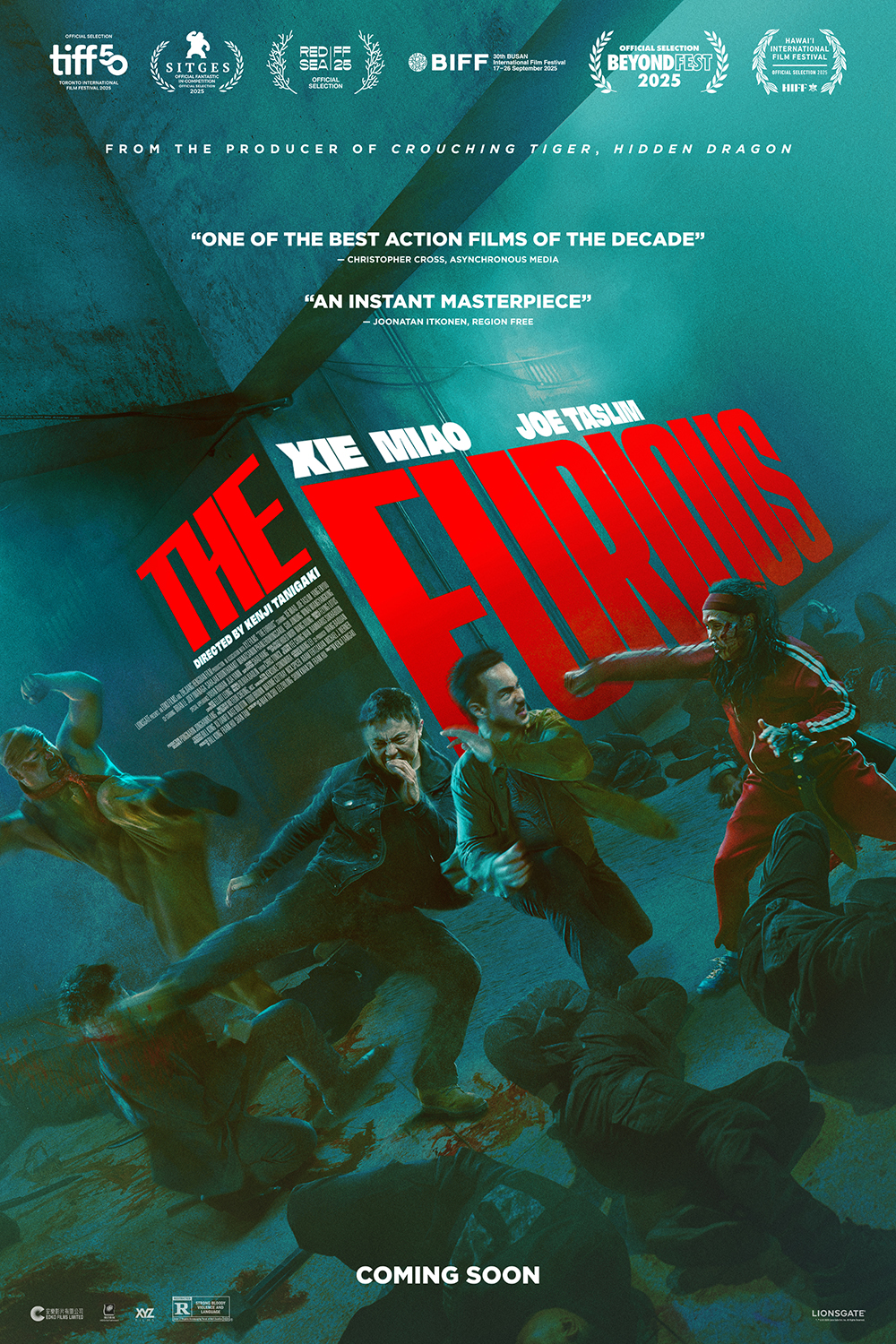
The Furious (火遮眼), set for release in France on June 12, 2026, arrives carrying something increasingly rare in modern action cinema: the sense of a film built not as disposable genre content, but as a deliberate showcase of international martial arts craft. Directed by Kenji Tanigaki, one of the most respected action choreographers to emerge from Hong Kong cinema and a longtime collaborator of Donnie Yen, the film represents another major step for a filmmaker who understands movement as storytelling. With worldwide distribution handled by Lionsgate Films outside key Asian territories and French release through Metropolitan FilmExport, the movie has clearly been positioned as more than a niche import. Running 113 minutes, it appears designed to balance emotional stakes with sustained large-scale combat set pieces rather than rushing from fight to fight.
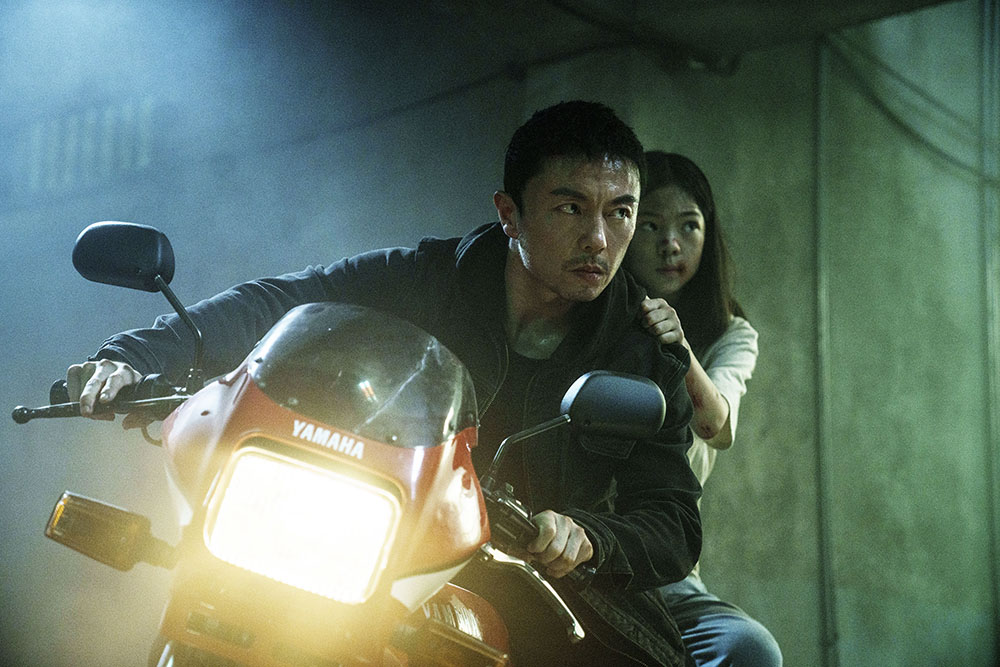
The premise is direct and effective. Wang Wei, an ordinary tradesman, sees his daughter abducted by a criminal network. Faced with police indifference, he launches his own relentless search and crosses paths with Navin, a determined journalist whose wife has vanished under mysterious circumstances. Together, these two very different men pursue revenge and truth through escalating violence. On paper, it recalls the classic revenge thriller structure, but those stories only work when emotional urgency drives the action. What makes The Furious intriguing is the contrast between its protagonists: one fueled by paternal rage, the other by investigative obsession. Asian action cinema has often excelled at transforming grief and anger into physical momentum, and this film seems to understand that tradition well.
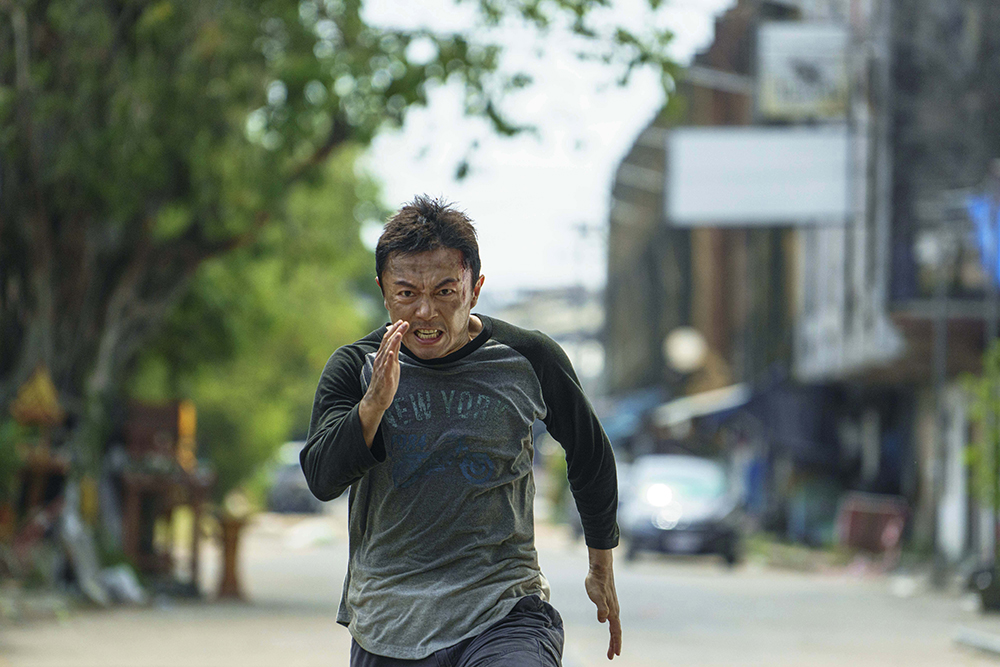
The cast itself feels like a statement of intent. Mo Tse (widely known internationally as Xie Miao) takes the lead as Wang Wei, bringing a grounded physical presence that suits the role of an everyday man pushed beyond his limits. Opposite him is Joe Taslim, globally recognized from The Raid and Mortal Kombat, an actor whose intensity and athletic precision instantly raise the stakes of any action project. The inclusion of Yayan Ruhian, another legend from The Raid, will excite genre fans all by itself, given his uniquely unpredictable screen combat style. Jeeja Yanin, famed for her explosive Thai action work, adds another layer of credibility, while Brian Le and Joey Iwanaga represent the newer generation of highly respected stunt-performers-turned-screen fighters. In short, this is not a cast built around celebrity branding. It is built around people who can move, hit, fall, and sell danger convincingly. That is usually the best possible sign for an action film.
Production began in 2024 with a reported budget of roughly $20 million, a meaningful figure for an original Asian action feature outside franchise territory. Principal photography took place in Bangkok across approximately three months. One especially telling anecdote concerns a recurring police station set, which was built and renovated from an old retail unit on Surawong Road and used for eighteen shooting days. Details like that matter because they often point to a major centerpiece sequence. When a production invests heavily in a custom set and spends that much time there, it usually means the location becomes a tactical playground for extended fights, raids, shootouts, destruction, or all of the above. Smart action cinema often remembers that memorable spaces matter as much as memorable punches.
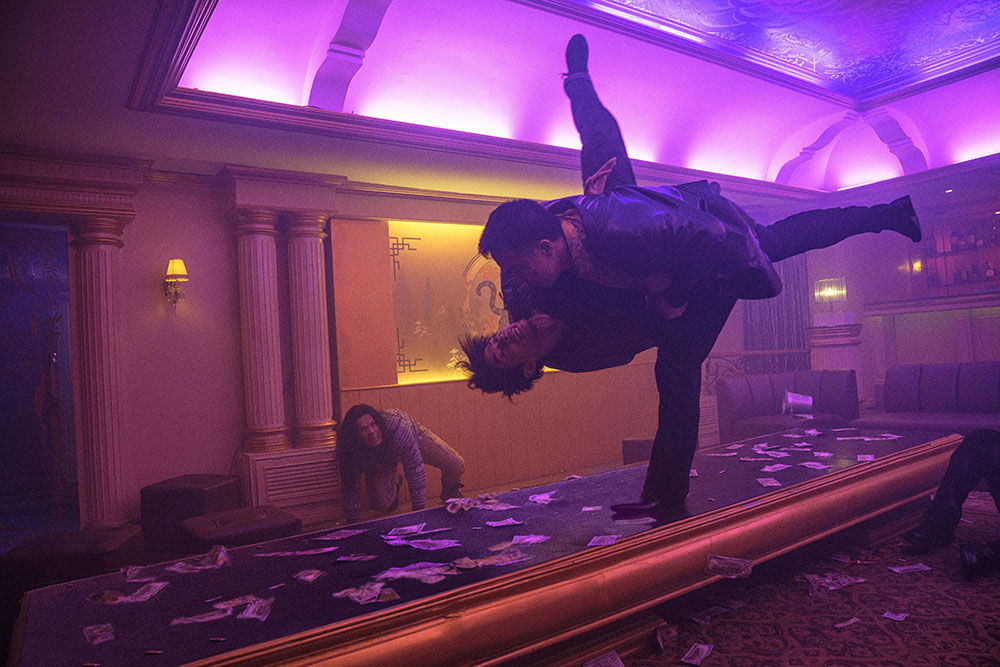
Another distinctive feature is the film’s multinational construction. Reports indicate that much of the crew was Thai, while the stunt team was Japanese. That combination is more significant than it may sound. Thailand has become one of the most practical and visually dynamic production hubs for physically demanding action cinema, offering urban density, flexibility, and experienced crews. Japanese stunt teams often bring exceptional discipline, timing, and mechanical precision to choreography. With Kenji Tanigaki operating at the crossroads of Japanese, Hong Kong, and broader Asian action traditions, The Furious appears built as a synthesis of multiple schools of movement. That is often what separates merely competent action from genuinely exciting action: not hitting harder, but filming smarter.
The music lineup is another reason to pay attention. Alongside Elliot Leung and Olivia Xiaolin, reports noted involvement from Flying Lotus, the American musician and producer known for dense, kinetic, futuristic sound design. If that contribution is substantial in the final cut, the film could avoid one of the most common weaknesses in contemporary action cinema: generic background scoring that adds volume but no identity. A soundtrack shaped by Flying Lotus suggests the possibility of something more jagged, urban, and psychologically charged—music that pushes scenes forward rather than merely decorating them.
The festival path also signals confidence. The Furious had its world premiere in the Midnight Madness section of the 50th Toronto International Film Festival on September 6, 2025, a program historically associated with high-energy, boundary-pushing crowd pleasers. That section has long served as a launchpad for future cult hits and breakout genre titles. The film then screened in competition at Sitges, appeared at Busan, Beyond Fest in the United States, the Hawai'i International Film Festival, and the Red Sea International Film Festival. This is the route of a film being introduced carefully to tastemaker audiences before wider release. In October 2025, Lionsgate Films acquired international rights outside Hong Kong, Macau, and mainland China, suggesting clear confidence in its crossover potential.
Its French release through Metropolitan FilmExport on June 10, 2026, also feels strategically smart. Early June offers space for word-of-mouth before the full summer blockbuster crush arrives. If critics and festival audiences are echoed by mainstream viewers, the film could become one of the season’s surprise breakout action titles. Sometimes audiences do not need another $250 million CGI war—they need ninety seconds of two experts trying to break each other in a hallway shot clearly enough to feel every impact. The Furious seems aware of that appetite.
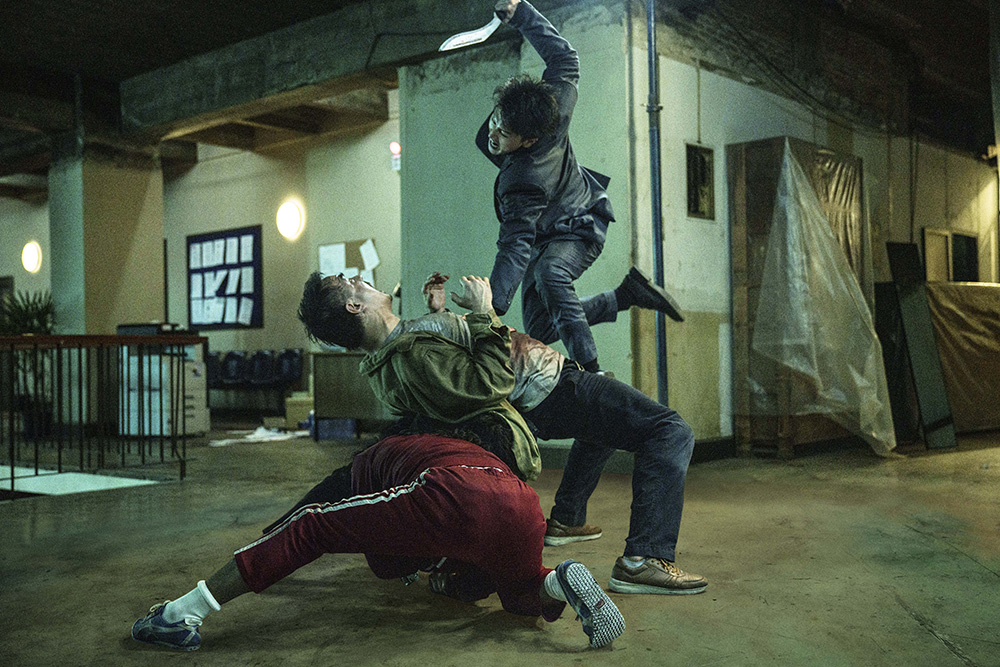
What makes The Furious especially worth watching is timing. Global action cinema is currently split between overprocessed mega-franchises and nostalgia-driven throwbacks. Viewers increasingly want clarity, physicality, and performers whose bodies—not computers—create spectacle. If Kenji Tanigaki delivers what this cast and production setup promise, the film could emerge as one of the defining modern martial arts thrillers of the year. Not just a good fight movie, but a reminder that action, when treated as cinematic language rather than noise, remains one of the most universal forms of movie magic.
Synopsis :
After his daughter is kidnapped by a criminal network and faced with police inaction, Wang Wei embarks on a relentless hunt to find her. His only ally, Navin, is a tenacious journalist whose wife has mysteriously disappeared. United by a shared desire for revenge, these two men—who are polar opposites—confront the kidnappers in an explosive showdown blending martial arts and merciless justice.
The Furious (火遮眼)
Directed by Kenji Tanigaki
Written by Mak Tin-shu, Lei Zhilong, Shum Kwan-sin, Frank Hui
Produced by Bill Kong, Frank Hui, Shan Tam
Starring Mo Tse, Joe Taslim, Yang Enyou, Jeeja Yanin, Brian Le, Joey Iwanaga, Yayan Ruhian
Cinematography : Meteor Cheung
Edited by Chris Tonick
Music by Elliot Leung, Olivia Xiaolin, Flying Lotus
Production companies : Edko Films, XYZ Films
Distributed by Edko Films (Hong Kong), Lionsgate Films (International), Metropolitan filmExport (France)
Release date : September 2025 (TIFF), June 10, 2026 (France), June 12, 2026 (United States)
Running time : 113 minutes
Photos : Copyright Edko Films