
 English
Movies - Top Gun: The Phenomenon Takes Flight Again in Theaters for Its 40th Anniversary
By Mulder, 21 april 2026
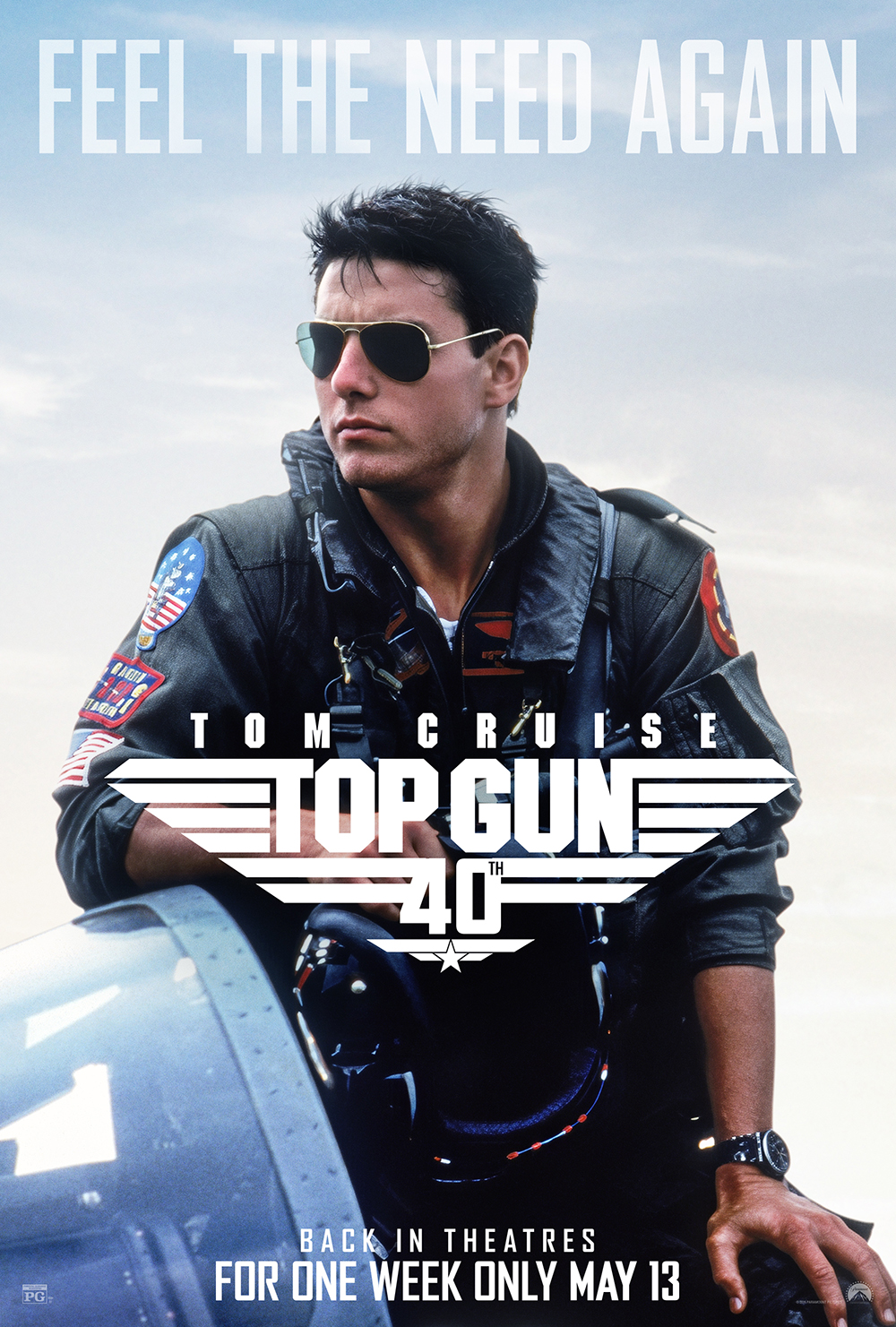
More than just a simple re-release, Top Gun returns to the big screen starting May 13, 2026, as part of its 40th anniversary celebration. Paramount Pictures France has announced the release, which will be featured in premium formats, while promotional materials highlight the return of the original film alongside Top Gun: Maverick from May 13 to 19. This return is no small matter: it serves as a reminder of just how much Tony Scott’s feature film has never ceased to occupy a special place in the collective imagination, at the intersection of studio cinema, the giant music video of the 1980s, and the grand Hollywood military spectacle. Upon its U.S. release on May 16, 1986, the film starring Tom Cruise, Kelly McGillis, Anthony Edwards, Val Kilmer, and Tom Skerritt established itself as a box-office phenomenon, grossing over $353 million worldwide according to official figures, before continuing its legacy through re-releases, major home video releases, and a formal recognition of its cultural significance with its induction into the Library of Congress’s National Film Registry in 2015. The significance of Top Gun has long transcended the mere memory of a blockbuster: between the Aviator, the Kawasaki, the leather jackets, Tom Cruise’s silhouette against a sunset backdrop, and an advertising aesthetic that has become a pop culture language in its own right, the film has come to encapsulate an entire era of American cinema.
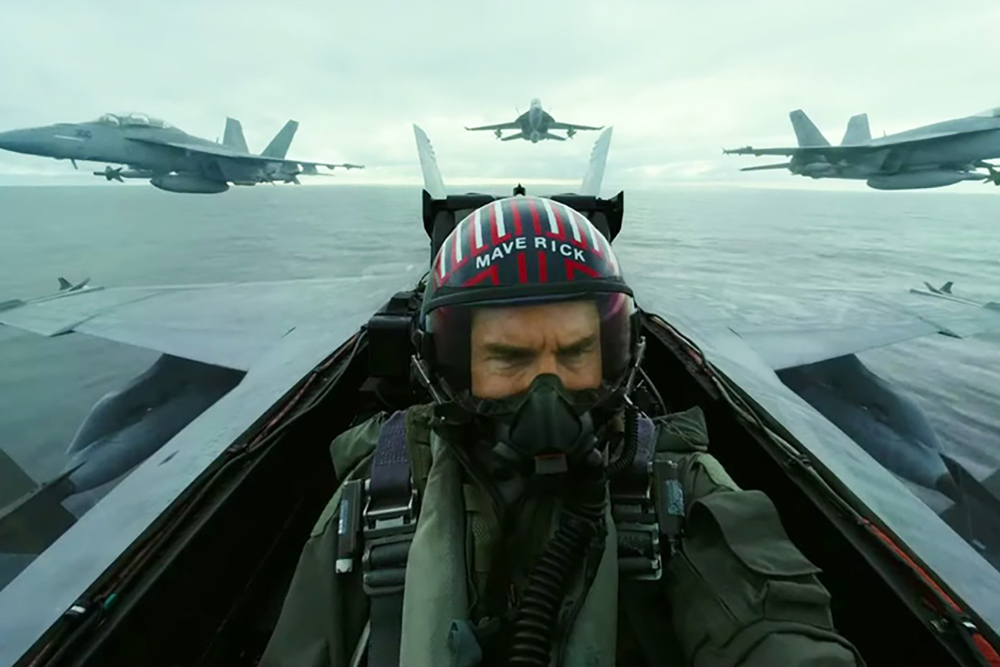
What makes this 2026 celebration even more interesting is that it puts into perspective the almost mythological making of the first film, born from an article by Ehud Yonay published in 1983, then turned into a screenplay by Jim Cash and Jack Epps Jr. before being directed by Tony Scott, chosen in particular for the visual energy of his commercials. The legend of Top Gun was built as much through its imagery as behind the scenes: the U.S. Navy’s involvement in the production, script changes, filming on aircraft carriers, technical constraints, the extensive use of real-life aerial operations, and the tragedy surrounding the death of pilot Art Scholl—to whom the film was dedicated—all contribute to this unique aura, at once heroic, industrial, and tragic. Even its contradictions have fueled its enduring legacy: accused by some critics of glorifying a simplified vision of the American military, praised by others for its formal effectiveness, mocked and then rehabilitated, the film has established itself as a paradoxical work, often debated but never forgotten. Its soundtrack played a decisive role in this cultural endurance, with “Take My Breath Away” performed by Berlin, which won both the Oscar and the Golden Globe for Best Original Song, and an album that became one of the most powerful musical icons of the 1980s. In France, the re-release thus takes the form of both a celebration of cultural heritage and a test of its legacy: watching Top Gun today is a way to gauge how a film that was once received with mixed reactions has ultimately solidified into a popular myth.
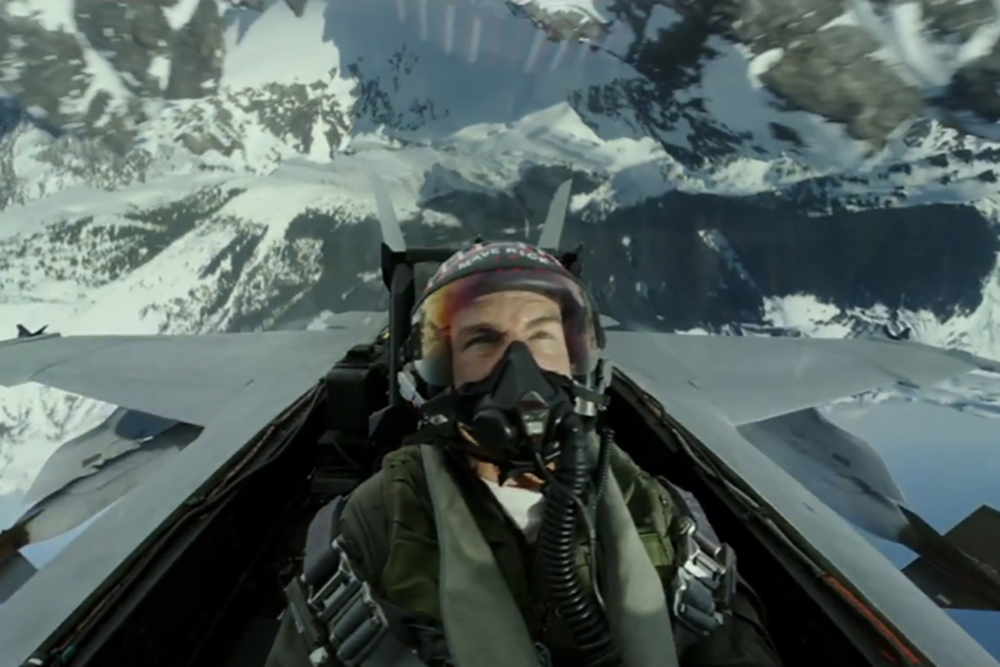
The other strength of this news is, of course, that no return of Top Gun can now be conceived without Top Gun: Maverick, a long-awaited but exceptional sequel directed by Joseph Kosinski and released in 2022 after years of chaotic development, the passing of Tony Scott, several delays, and Tom Cruise’s fierce determination to preserve a theatrical release rather than a shift to streaming. Once again, the film’s success transcended mere commercial success to become a powerful statement to the entire industry: screened in a world premiere at CinemaCon on April 28, 2022, and celebrated at Cannes—where Tom Cruise received a special tribute and the film provided one of the festival’s defining moments—Top Gun: Maverick then conquered the globe with $1.496 billion in worldwide box office receipts, including $718.7 million in the North American market alone, becoming the biggest hit of Tom Cruise’s career. In France, it drew 6,676,071 admissions, making it a historic triumph for its distributor, and its critical reception was equally impressive, with a 96% approval rating on Rotten Tomatoes, a rare A+ on CinemaScore, and an Oscar for Best Sound. What the film achieved is rare: reviving a cult franchise without merely recycling it, restoring emotional depth to Pete “Maverick” Mitchell, giving Val Kilmer a moving return, bringing to life a new generation embodied notably by Miles Teller, Jennifer Connelly, Jon Hamm, Glen Powell, Monica Barbaro, Lewis Pullman, and Ed Harris, and above all, reaffirming the power of spectacular cinema in theaters at a time when many were predicting its decline.
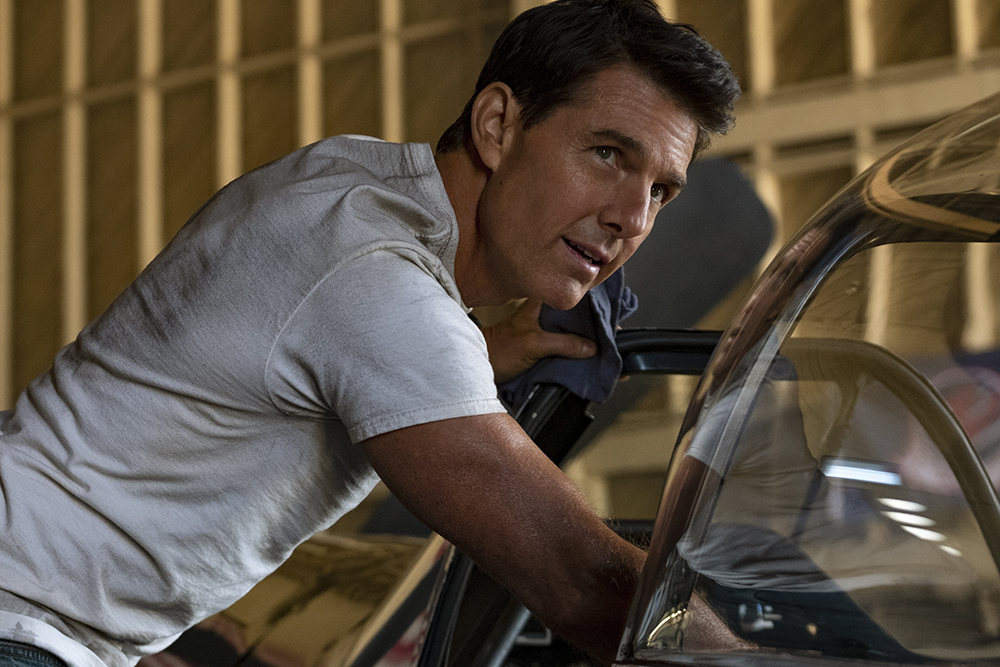
It’s also worth noting that while Top Gun: Maverick was hailed as a celebration of the big screen, its success never silenced the debates that have accompanied the franchise since its inception. Like the first film, the sequel received concrete support from U.S. military institutions and was criticized for the way it glorifies the military machine, whether for prestige, recruitment, or soft power. But it is precisely in this tension that Top Gun’s enduring uniqueness may lie: the saga is at once a form of pure entertainment, a technological showcase, an icon-making machine, and a mirror of the relationships between Hollywood, the military, patriotism, and the entertainment industry. This also explains its longevity, far beyond mere images of fighter jets and speed. The first film inspired video games, parodies, international imitations, and direct or indirect homages in other franchises, while Top Gun: Maverick itself extended this logic with event-driven campaigns, partnerships, merchandise, and an unapologetic narrative positioning the cinema experience as a destination in itself. The 2026 re-release therefore doesn’t come out of nowhere: it arrives at the exact moment when the Top Gun brand is once again becoming a major strategic focus for Paramount Pictures, both as a legacy, as a franchise, and as a symbol of a certain kind of spectacular cinema that audiences continue to demand.
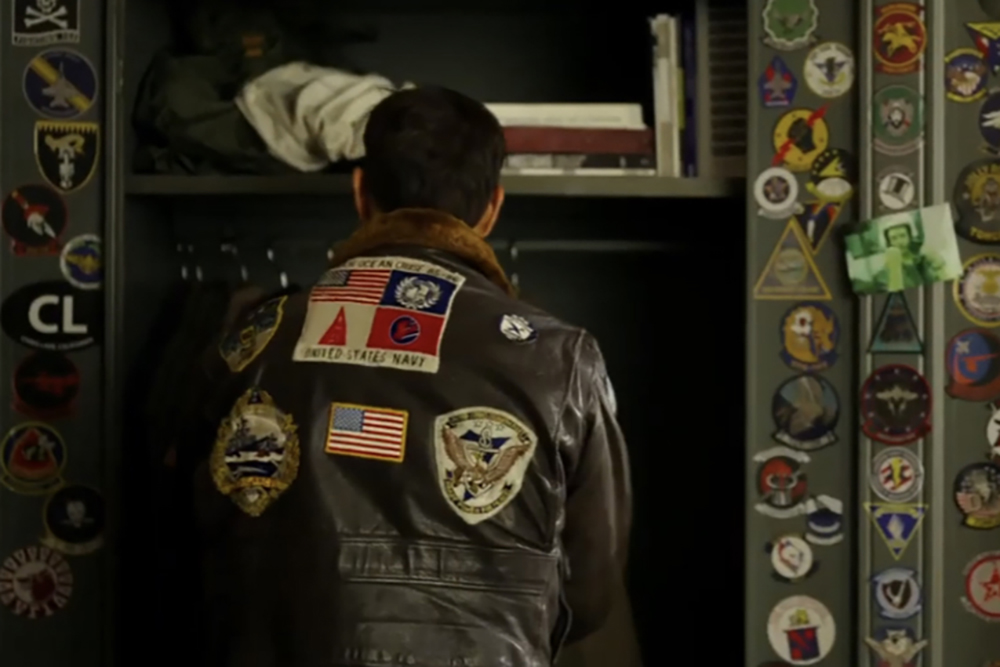
And this strategy now has a clear horizon, since Top Gun 3 was officially confirmed at CinemaCon 2026, with the announced return of Tom Cruise and Jerry Bruckheimer, transforming the anniversary re-release into an ideal launchpad rather than a mere exercise in nostalgia. Having resurrected the franchise with almost miraculous precision, Paramount Pictures clearly intends to keep the momentum going, in a context where Top Gun is no longer just a cult classic from 1986 but a transgenerational pillar capable of speaking to audiences who discovered Maverick before they even saw the original. That is where the true success of this news lies: forty years after its birth, Top Gun isn’t returning as a frozen memory, but as a work that’s still active, still talked about, still profitable, still capable of bridging Tony Scott’s flamboyant aesthetic with Joseph Kosinski’s masterfully controlled spectacle, and of making the name Pete “Maverick” Mitchell something more than a relic of the 1980s. Rarely has a franchise embodied this idea so well: that popular cinema can age, transform, be challenged, be rehabilitated, and then come back stronger than ever. In May 2026, the Top Gun phenomenon isn’t just making a comeback—it’s clearly taking off again
Photos: Top Gun: Maverick / Copyright Paramount Pictures