
 English
Convention - CinemaCon 2026 : Jon Favreau Takes the Stage Ahead of Star Wars’ Big Screen Comeback
By Mulder, 01 april 2026
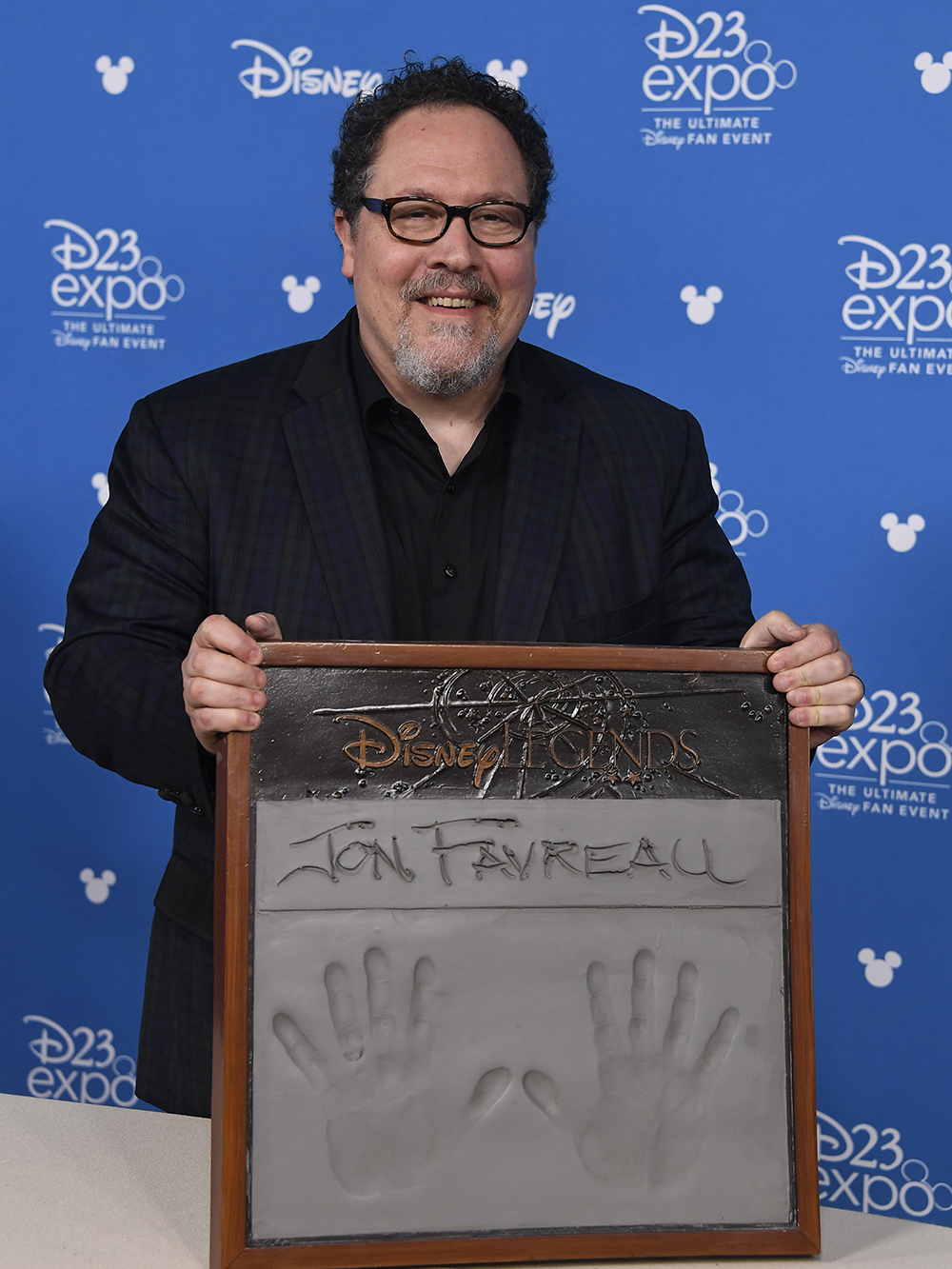
At a time when the theatrical industry is once again searching for defining moments capable of reigniting global audience enthusiasm, CinemaCon 2026 has found one of its most symbolic figureheads in Jon Favreau, a filmmaker whose career has consistently bridged innovation, nostalgia, and blockbuster reinvention. Announced as the headline guest of the prestigious Creative Community Luncheon set for April 16 at Caesars Palace’s Octavius Ballroom in Las Vegas, Jon Favreau will sit down for an in-depth conversation moderated by Matt Belloni, the influential journalist and host of The Town, in what already feels like one of the most anticipated industry discussions of the year. Scheduled just hours before The Walt Disney Studios’ major presentation, this luncheon is strategically positioned as both a culmination of CinemaCon’s programming and a launchpad for what many insiders expect to be a defining summer movie season, especially with the looming release of The Mandalorian and Grogu on May 22, marking the long-awaited return of Star Wars to theaters after a theatrical absence dating back to 2019.
What makes this moment particularly compelling, beyond the obvious weight of the Star Wars brand, is the presence of Jon Favreau himself, a filmmaker whose trajectory mirrors the evolution of modern Hollywood franchise filmmaking. From his early days as an actor in cult favorites like Swingers to his pivotal role in shaping the Marvel Cinematic Universe with Iron Man, Jon Favreau has repeatedly demonstrated an ability to sense where the industry is heading before it fully realizes it. During informal conversations circulating in the corridors of CinemaCon this year, several exhibitors and studio representatives have pointed out that Iron Man did more than just launch a franchise; it redefined how interconnected storytelling could sustain long-term audience engagement, a blueprint that both Marvel and Lucasfilm have since expanded upon in different ways. It is precisely this kind of insight that makes his upcoming discussion with Matt Belloni particularly intriguing, as attendees will undoubtedly be looking for clues about how theatrical storytelling can coexist—and thrive—alongside the streaming ecosystems that Jon Favreau himself helped shape with The Mandalorian.
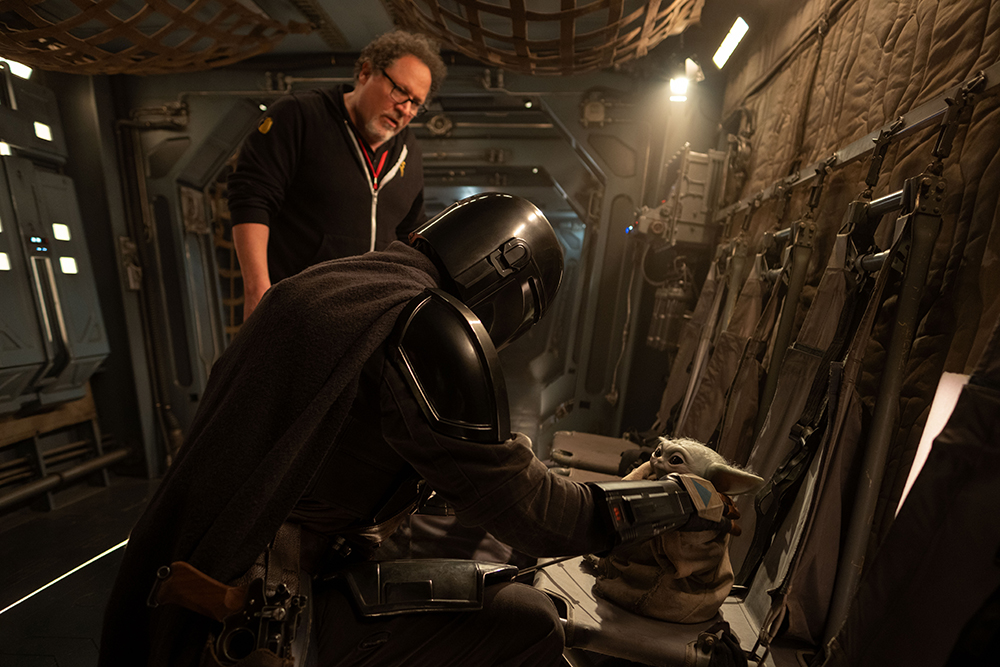
The choice of Jon Favreau as the centerpiece of this year’s luncheon also reflects a broader strategic narrative within the industry: the reconnection of major franchises with the big screen experience. With The Mandalorian and Grogu, produced alongside Kathleen Kennedy, Dave Filoni, and Ian Bryce, and starring Pedro Pascal with additional casting including Sigourney Weaver, Lucasfilm is not merely extending a successful Disney+ series but actively repositioning it within a theatrical framework. This transition is far from trivial; it represents a test case for whether streaming-born intellectual properties can successfully migrate to cinemas while retaining their narrative depth and fan engagement. According to Michael O’Leary, President and CEO of Cinema United, anticipation for the film is sky high, a sentiment echoed by exhibitors who see in this release a potential catalyst for renewed audience turnout. Behind the scenes, conversations suggest that the film’s production has leaned heavily into practical effects and large-scale set pieces, signaling a conscious effort to deliver a cinematic spectacle worthy of its theatrical ambitions, while still preserving the character-driven storytelling that made the original series resonate so strongly with audiences.
Beyond the immediate excitement surrounding The Mandalorian and Grogu, the presence of Jon Favreau at CinemaCon carries a symbolic weight tied to his unique position within Hollywood’s creative ecosystem. Unlike many directors who specialize in a single genre or scale, Jon Favreau has navigated seamlessly between intimate projects like Chef and technological milestones such as The Jungle Book and The Lion King, both of which pushed the boundaries of virtual production and photorealistic animation. Industry observers often note that his work on these films laid the groundwork for the StageCraft technology later used extensively in The Mandalorian, effectively blurring the lines between cinema and television production. This technological throughline is likely to be a key topic during his conversation with Matt Belloni, particularly as studios continue to explore cost-efficient yet visually ambitious production methods in an increasingly competitive market.
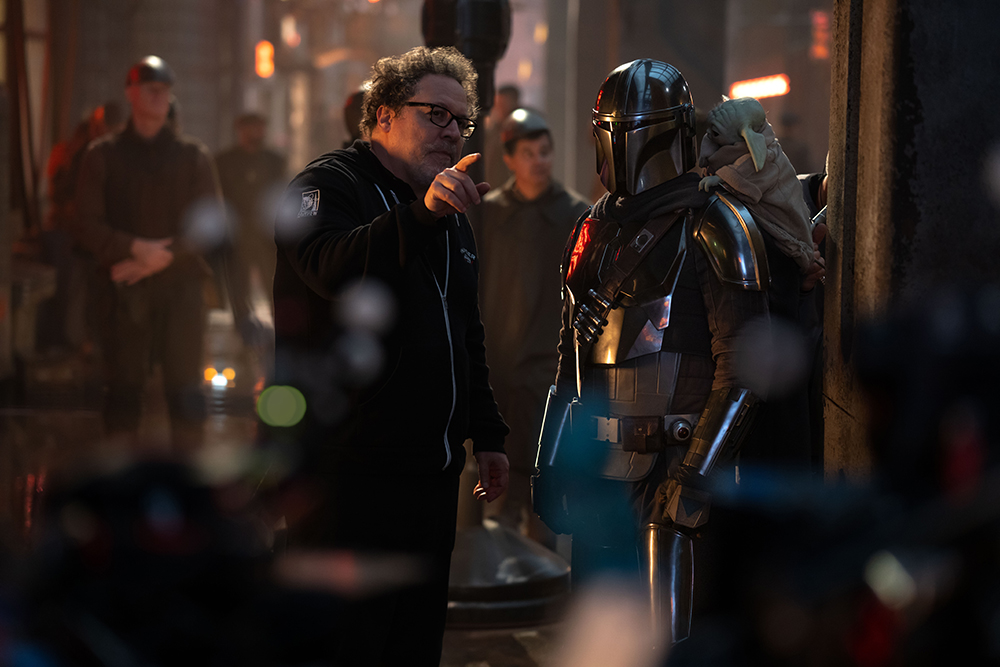
The Creative Community Luncheon itself, sponsored this year by Fathom Entertainment and D-BOX Technologies, has long been a cornerstone of CinemaCon, offering a rare opportunity for exhibitors to hear directly from the filmmakers shaping the future of theatrical storytelling. Previous participants have included names such as Martin Scorsese, Leonardo DiCaprio, and Patty Jenkins, but the inclusion of Jon Favreau this year feels especially timely given the industry’s current crossroads. With over six thousand professionals in attendance and representation from more than 80 countries through Cinema United’s network of over 60,000 screens worldwide, the conversation is expected to resonate far beyond the walls of Caesars Palace, influencing distribution strategies and exhibition priorities in the months to come.
There is also, undeniably, a more personal dimension to Jon Favreau’s presence at CinemaCon 2026, one that resonates with those familiar with his journey from a young actor performing in Chicago’s improvisational theaters to becoming one of the most influential creative forces in modern Hollywood. Anecdotes from collaborators often highlight his collaborative approach and his fascination with the intersection of storytelling and technology, a philosophy embodied in his production company Golem Creations. Named after the mythological figure capable of both protection and destruction depending on its master, the company reflects Jon Favreau’s ongoing exploration of how technological tools can enhance narrative rather than overshadow it. It is this balance—between innovation and tradition, spectacle and intimacy—that has defined his career and continues to make his projects essential viewing for both audiences and industry professionals.
As CinemaCon 2026 unfolds, the anticipation surrounding the luncheon featuring Jon Favreau and Matt Belloni underscores a broader industry sentiment: that the future of cinema may well depend on creators who understand not only how to tell compelling stories, but also how to adapt those stories to an ever-evolving technological and cultural landscape. With The Mandalorian and Grogu poised to reintroduce Star Wars to theaters and potentially redefine the relationship between streaming and theatrical releases, this year’s event is shaping up to be more than just a conversation—it is a moment of reflection, transition, and perhaps even a glimpse into the next chapter of blockbuster filmmaking.
Filmography as director :
2001 - Made
2003 - Elf
2005 - Zathura: A Space Adventure
2008 - Iron Man
2010 - Iron Man 2
2011 - Cowboys & Aliens
2014 - Chef
2016 - The Jungle Book
2019 - The Lion King
2026 - The Mandalorian and Grogu
Photos : Getty Images for The Walt Disney Company
(Source: press release)