
 English
Toys - Gashapon: The Japanese Cult Phenomenon Arrives in Paris with Its First Immersive Pop-Up Store Starting April 3, 2026
By Mulder, 25 march 2026
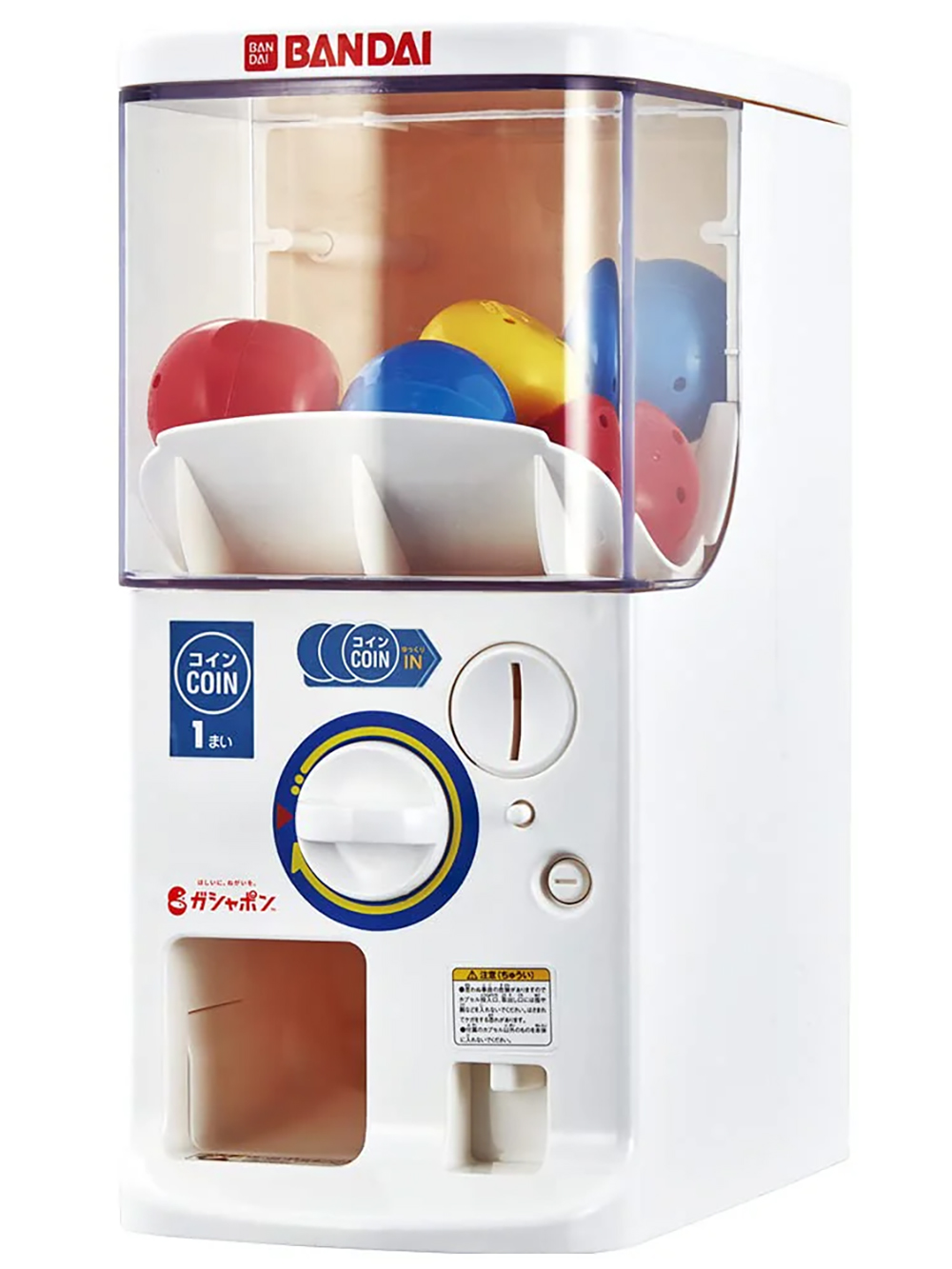
Starting April 3, 2026, a little piece of Japan will take root in the heart of Paris with the opening of the very first Gashapon pop-up store, the result of a strategic partnership between Bandai and King Jouet, two major players in the toy industry who are combining their expertise to offer an experience that is both fun and nostalgic. Located at 37 Rue de Rivoli, just steps from the Châtelet and Hôtel de Ville stations, the store, named Bandai Gashapon Paris, promises to be much more than just a retail outlet: it aims to recreate the unique excitement of Japanese arcades where dozens of machines line up, ready to dispense their precious surprise capsules, in a ritual that has become a cult phenomenon over the past several decades.
This concept, which may seem new to the French general public, is in fact deeply rooted in Japanese culture since the 1960s, when the first machines—inspired by American models—began appearing in front of neighborhood candy stores. The term “Gashapon,” a trademark registered by Bandai since 1977, is itself an evocative onomatopoeia that sums up the entire experience: “gasha” for the mechanical sound of the crank being turned, and “pon” for the sound of the capsule falling. This auditory and tactile dimension is no trivial matter; it plays a full part in the gentle addiction the system creates—a blend of chance, collecting, and immediate gratification that has spanned generations without ever losing its appeal.
Today, the phenomenon extends far beyond Japan’s borders and is part of a thriving global industry. According to data from the Japan Gachagacha Association, the capsule toy market was worth nearly 40 billion yen in 2021—about 293 million euros—with an impressive 50% growth over the past decade, proof that the craze shows no signs of waning, quite the contrary. This success is based in particular on a simple yet highly effective mechanism: each machine offers a series of figurines, often from popular manga, anime, or broader pop culture franchises, but without the option to choose a specific model. The player inserts a coin, turns the crank… and hopes for the best. This element of chance, similar to what we find today in so-called “gacha” video games, creates a unique tension and thrill—a mix of frustration and excitement—that encourages players to try again and again.
The arrival of this pop-up store in Paris is therefore not merely a marketing ploy, but rather a reflection of a broader trend: the importation of immersive cultural experiences directly from Japan, already seen in themed cafes, specialty shops, and events dedicated to Asian pop culture. What stands out here is the commitment to faithfully recreating the original experience, featuring official Bandai machines, regularly updated collections, and a setting designed to encourage discovery and collecting. It’s easy to imagine visitors—whether longtime fans or simply curious onlookers—being drawn in by the hypnotic row of machines, each promising a different surprise, in an almost meditative mechanical ballet.
Behind this apparent simplicity lies a well-honed strategy by Bandai, which historically dominated the market with approximately 65% market share in the mid-2000s and remains today one of the undisputed leaders in the sector, alongside players such as Takara Tomy Arts. With nearly 300 new products launched each month and approximately 600,000 machines distributed throughout Japan, the Gashapon model relies on a constant renewal of its offerings, ensuring an ever-fresh experience and encouraging collectors to return regularly. This dynamism should naturally be reflected in the Parisian store, which could well become an essential destination for fans of figurines and Japanese culture.
Beyond the purely commercial aspect, this type of setup also speaks to something broader about our relationship with toys and collecting. Whereas traditional products focus on immediate and complete ownership, Gashapon plays on desire, incompleteness, and surprise, recreating a sort of miniature treasure hunt with every attempt. There is something almost childlike—in the best sense of the word—in the act of turning a crank in the hope of getting “the right” figurine, a sensation that many thought they had left behind, but which returns here with undiminished force.
With this opening, Paris is thus joining an international trend where Gashapon becomes much more than a simple product: a cultural experience in its own right, halfway between play, collecting, and nostalgia. It remains to be seen whether the French public will embrace this ritual from Japan with the same enthusiasm, but given the growing craze for Asian pop culture and the first similar initiatives in Europe, it’s a safe bet that this pop-up store won’t remain a mere fleeting event for long, but could well mark the beginning of a lasting presence.
(Source: Press release)