
 English
Disneyland - Emmanuel Macron Celebrates a European Tourism Giant in the Midst of a Historic Transformation
By Mulder, 27 march 2026
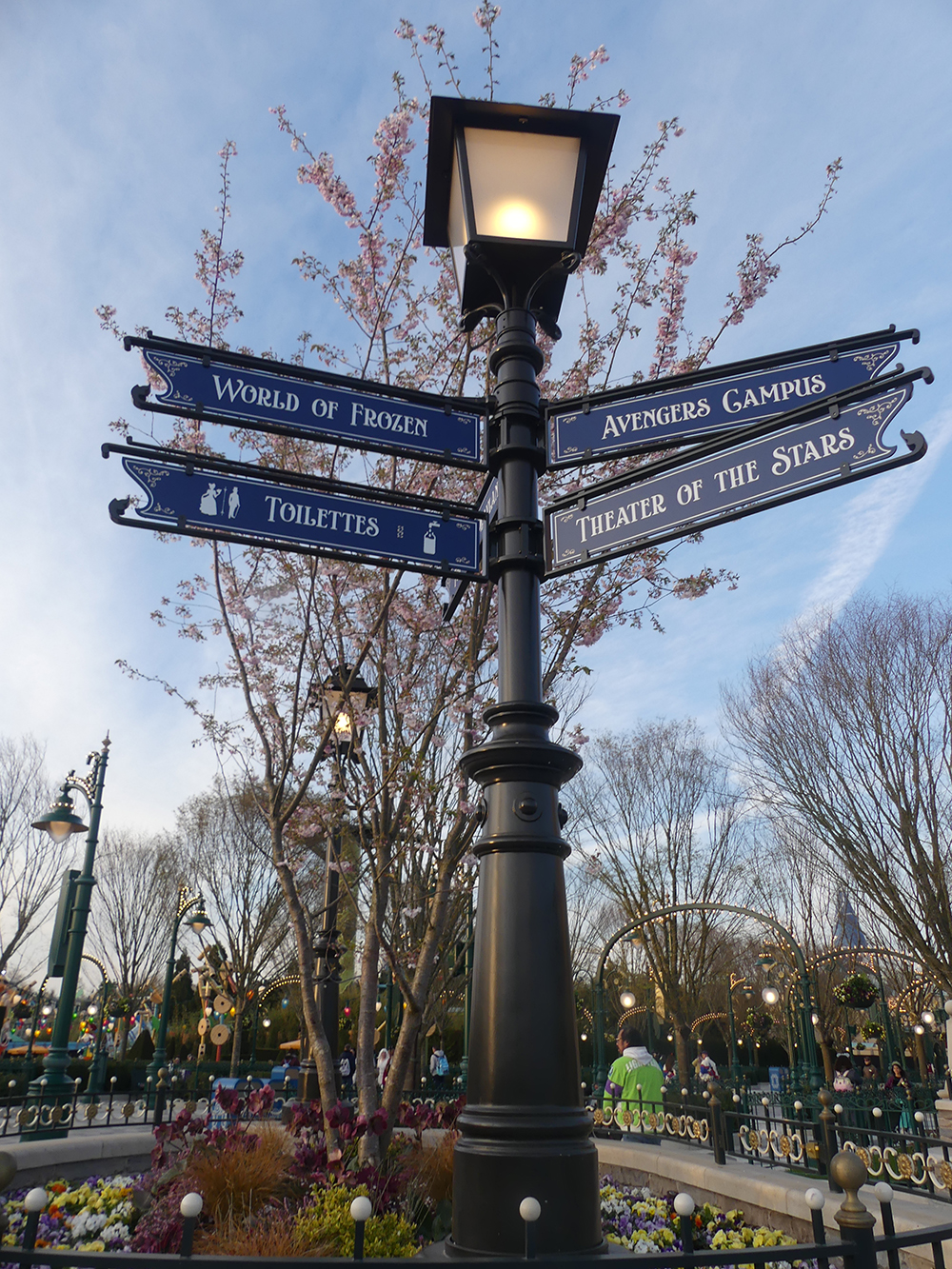
March 27, 2026, will remain a symbolic date in the already rich history of Disneyland Paris, as Emmanuel Macron visited the site to celebrate not only the destination’s spectacular success but also its pivotal role in the French and European economies—a visit that is far from insignificant, given that it comes at a pivotal moment for the resort, on the eve of a new phase of major transformation embodied by the imminent opening of Disney Adventure World, a project that marks both the evolution of a park long considered to be in transition and the confirmation of a bold ambition: to make Disneyland Paris much more than just an amusement park, but a true economic, cultural, and tourism engine on a continental scale.
With more than 445 million visits recorded since its opening in 1992, Disneyland Paris is no longer content to be a must-visit destination; it has established itself as Europe’s top tourist destination, an impressive status that translates concretely into an estimated 6.1% contribution to national tourism revenue—a figure that, beyond its economic weight, attests to the unique place the site occupies in the collective imagination and in France’s strategies to boost its appeal, a point that Emmanuel Macron himself highlighted during his visit, emphasizing the site’s ability to attract an international audience, since 56% of visitors come from abroad, mostly from Europe, thus confirming that Disneyland Paris acts as a true gateway for tourism to France.
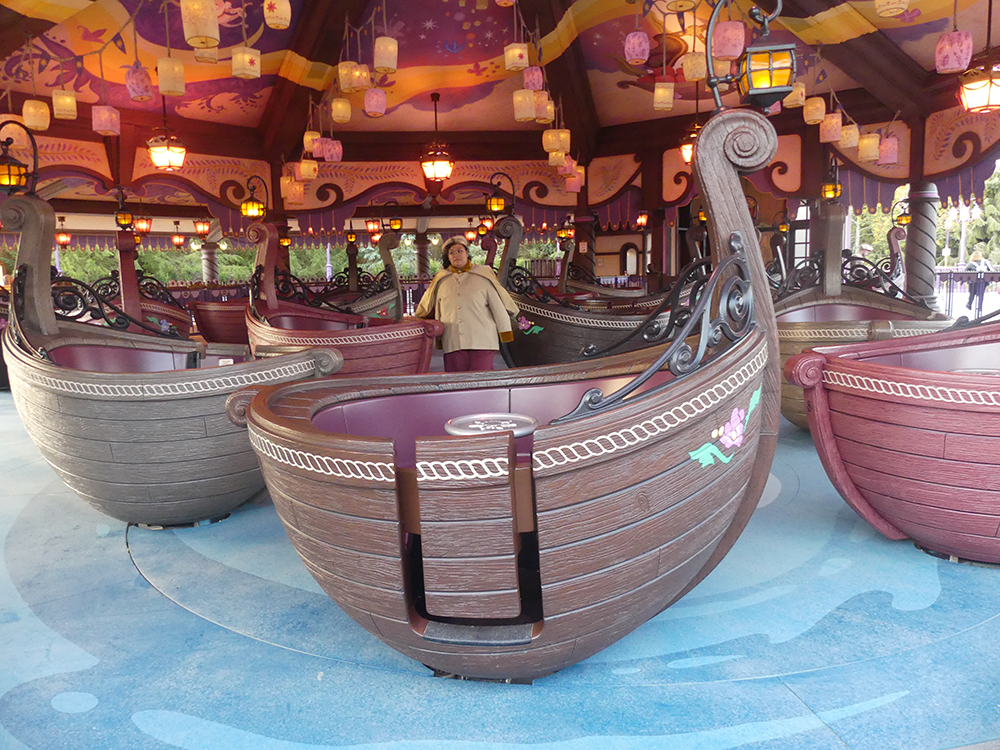
The presidential visit, organized by Natacha Rafalski, President of Disneyland Paris, and attended by Josh D’Amaro, recently appointed CEO of The Walt Disney Company, as well as European Commissioner Apóstolos Tzitzikóstas, highlighted not only the site’s impressive infrastructure but also the inner workings of this well-oiled machine, particularly through direct interactions with Cast Members, the Walt Disney Imagineering teams, and numerous industrial partners—an immersive experience that reveals a reality often underestimated: behind the magic lies an organization of exceptional industrial and logistical complexity, where every detail is designed to offer a seamless and immersive experience to millions of visitors each year.
What is particularly striking about this new phase of development is the scale of the investments made, with a total of 13 billion euros injected into France since 1992, including a colossal 2-billion-euro program announced in 2018 to radically transform the second park, now renamed Disney Adventure World, a project that perfectly illustrates the destination’s strategy of constant renewal, since ultimately, more than 90% of its attractions will have been redesigned since the initial opening in 2002, with the park’s area nearly doubled and a clear focus on immersive worlds inspired by major Disney, Pixar, and Marvel franchises, thus confirming a shift toward increasingly spectacular and narrative-driven experiences.
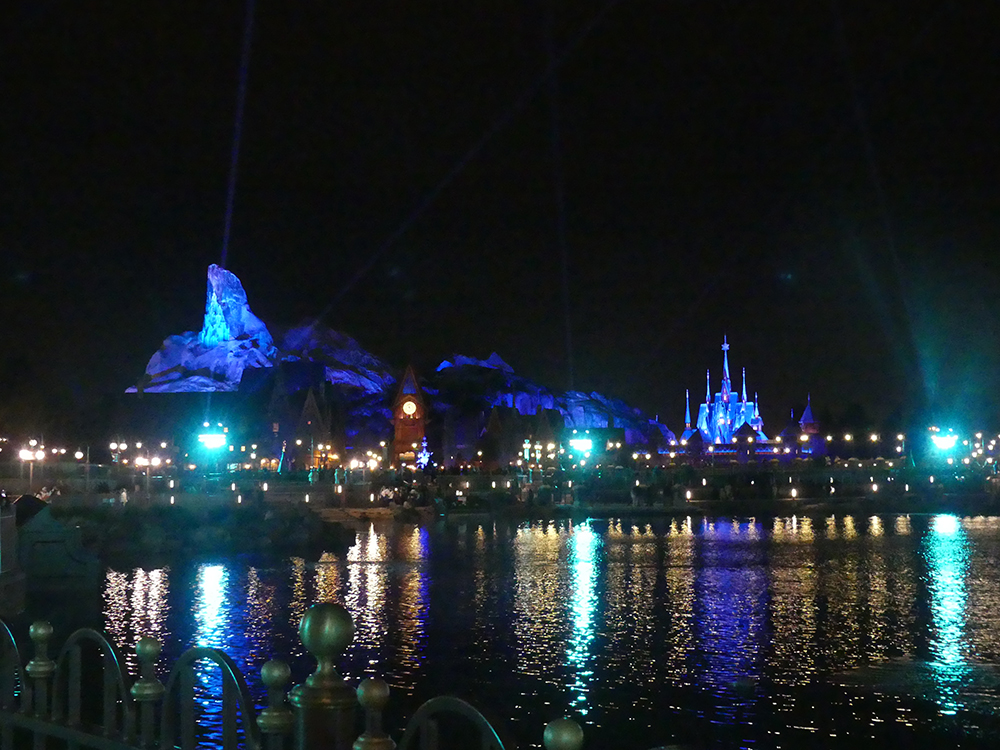
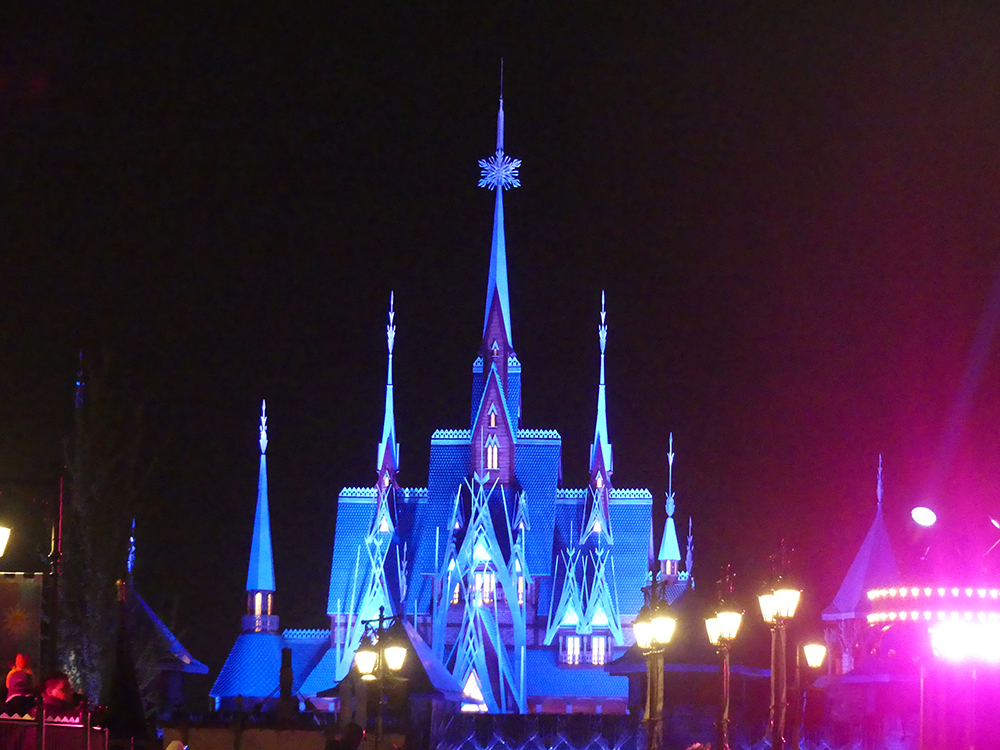
One of the most anticipated elements of this transformation is undoubtedly the World of Frozen, which fits into this vision of total immersion and is expected to quickly become a major attraction for visitors, much like what other Disney parks have successfully created around the world, but with a distinctly European flair already evident in the first images and concepts unveiled, particularly in the attention paid to landscape integration and architectural authenticity—a point often cited by the creative teams as essential for appealing to a European audience that is particularly attentive to such details.
Beyond the visitor experience, the economic impact remains colossal, with over 70,000 direct, indirect, and induced jobs generated by the site’s operations, including more than 20,000 Cast Members employed directly, representing over 120 nationalities and nearly 500 different professions, an impressive human ecosystem that makes Disneyland Paris one of France’s leading private employers, with a social policy characterized by strong job stability, as 90% of employees are on permanent contracts—a figure that contrasts with the precariousness often seen in the tourism sector and demonstrates a clear commitment to building a sustainable model.
This momentum is also evident in the development of the Val d’Europe region, born from the public-private partnership signed in 1987 between the French government and The Walt Disney Company—an agreement often cited as a unique example of long-term cooperation, the results of which are visible today, with a population that has grown sevenfold to over 54,000 residents and an economic fabric comprising more than 9,300 businesses, including major players such as Deloitte, Henkel, Orange, and Crédit Agricole Brie Picardie—a regional transformation that goes far beyond the scope of tourism and illustrates the project’s ability to sustainably shape an entire region.
Behind the scenes, Disneyland Paris’s local roots are also evident through its network of suppliers, with more than 4,000 partners by 2024, 83% of whom are based in France—a figure that reflects a clear commitment to prioritizing local supply chains and supporting the national economy, a strategy grounded in sustainability and responsibility, reinforced by concrete environmental and social commitments, ranging from the energy transition to charitable initiatives such as fulfilling 25,000 wishes for seriously ill children or welcoming more than 350,000 underprivileged children since opening—efforts led in particular by the Disney VoluntEARS, true ambassadors of this social commitment.
But what emerges from this presidential visit is, above all, a strategic rise in Disneyland Paris’s prominence in a context where global tourism competition is becoming increasingly intense, and where the ability to offer unique, immersive, and technologically advanced experiences is becoming a key differentiator, as evidenced by the launch of the Disney Cascade of Lights nighttime show, featuring more than 350 drones, an innovation that perfectly illustrates the resort’s commitment to constantly pushing the boundaries of entertainment, while modernizing its infrastructure, hotels, Disney Village, and digital services.
Through this comprehensive transformation, Disneyland Paris is not merely evolving; it is redefining its positioning as a complete destination capable of offering a multi-day experience, with two parks whose identities complement each other: on one hand, Disneyland Park, guardian of a timeless and magical heritage, and on the other, Disney Adventure World, a showcase for a new generation of immersive and narrative experiences—a balance that could well become the European model for tourist entertainment in the years to come, and which undoubtedly explains why Emmanuel Macron’s visit goes far beyond mere protocol to represent political and economic recognition of a player that has become indispensable.
Photos: Boris Colletier / Mulderville
(Source: press release)