
 English
Disneyland - Disney Adventure World: A Major New Book Offers a Behind-the-Scenes Look at the Park’s Historic Transformation
By Mulder, 19 march 2026
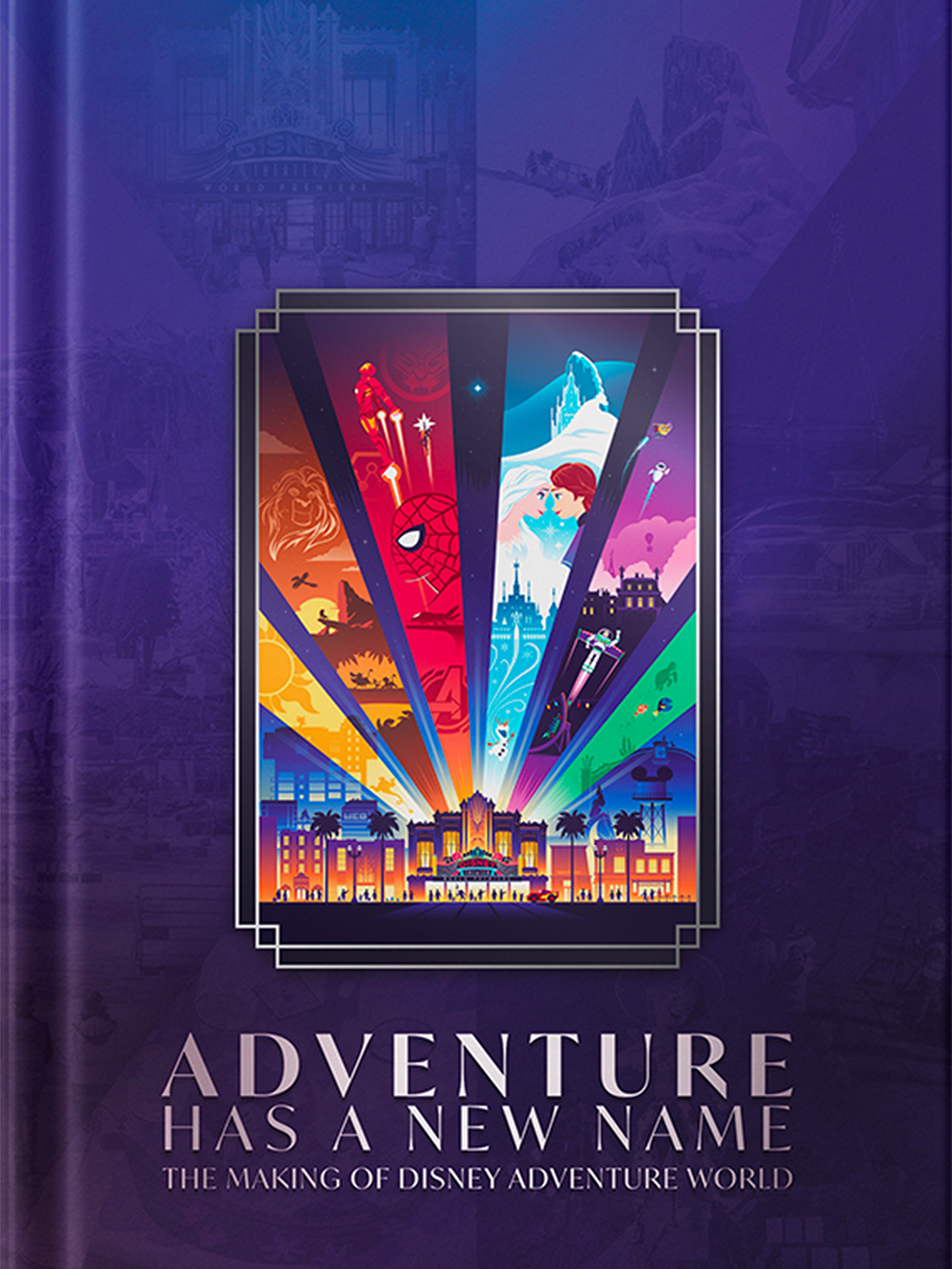
As a major turning point in the history of Disneyland Paris approaches, a discreet yet particularly symbolic announcement adds to the resort’s news: the upcoming release of a major book dedicated to the transformation of Walt Disney Studios Park into Disney Adventure World. Titled The Adventure Has a New Name - The Creation of Disney Adventure World, this nearly 450-page book is already shaping up to be a must-have for Imagineering enthusiasts and keen observers of the French resort’s strategic evolution. Scheduled for exclusive sale within the park starting in April 2026, this book arrives as the second park prepares to officially change its name on March 29, 2026, marking the culmination of a repositioning process that began several years ago.
This book does more than simply document an aesthetic or marketing evolution; it is part of an ambitious heritage and narrative initiative. Since its opening in 2002, Walt Disney Studios Park has often been perceived as the resort’s poor relation, suffering from a lack of clear identity and a limited initial offering. However, as the teams at Walt Disney Imagineering regularly recount, this constraint became a unique testing ground. The book specifically traces this slow transformation, from the initial internal discussions to the colossal construction projects that are now reshaping the park, with a clearly stated ambition: to transform a behind-the-scenes park into a fully immersive destination in its own right, aligned with the international standards of The Walt Disney Company.

One of the central elements of this transformation and undoubtedly one of the most anticipated chapters of the book concerns the creation of World of Frozen, an immersive land inspired by the world of Frozen. This new area, which follows in the footsteps of developments seen in Hong Kong and Tokyo, represents a massive investment and a clear commitment to repositioning the park around strong franchises. But beyond the spectacular visuals, the book promises to explore the technical and artistic challenges faced by the teams: adapting to the European climate, managing visitor flow, and integrating the landscape into an existing park—all issues rarely detailed with such transparency in official Disney publications. What particularly sets this book apart is the richness of its sources and the diversity of perspectives it offers.
The book draws on exclusive interviews with Imagineers, as well as members of the Show and Food & Beverage teams, offering a cross-functional perspective rarely accessible to the general public. This approach helps us understand that the park’s transformation is not limited to adding attractions, but is based on a comprehensive overhaul of the visitor experience, from spatial storytelling to the culinary offerings. Areas such as Adventure Way, World Premiere, Avengers Campus, and Worlds of Pixar are thus analyzed not only as themed spaces but as pieces of a coherent narrative puzzle aimed at redefining the very identity of the park.

The book is also presented as a heartfelt tribute to the Cast Members, who are often overlooked in official discourse but are essential to the success of this type of project. This spotlight is part of a broader trend at Disney, which seeks to highlight the collective effort behind its achievements, bucking a communication strategy historically centered on licenses and franchises. For regular observers of the resort, this recognition is significant: it signals a shift in tone and a desire to reconnect with the artisanal heritage of Imagineering, inherited directly from Walt Disney.
(Source: press release)