 English
Disney+ - Lucky Luke: A Pop Western, Flashes of Humor, That Finally Humanizes the Legend
By Mulder, 23 march 2026
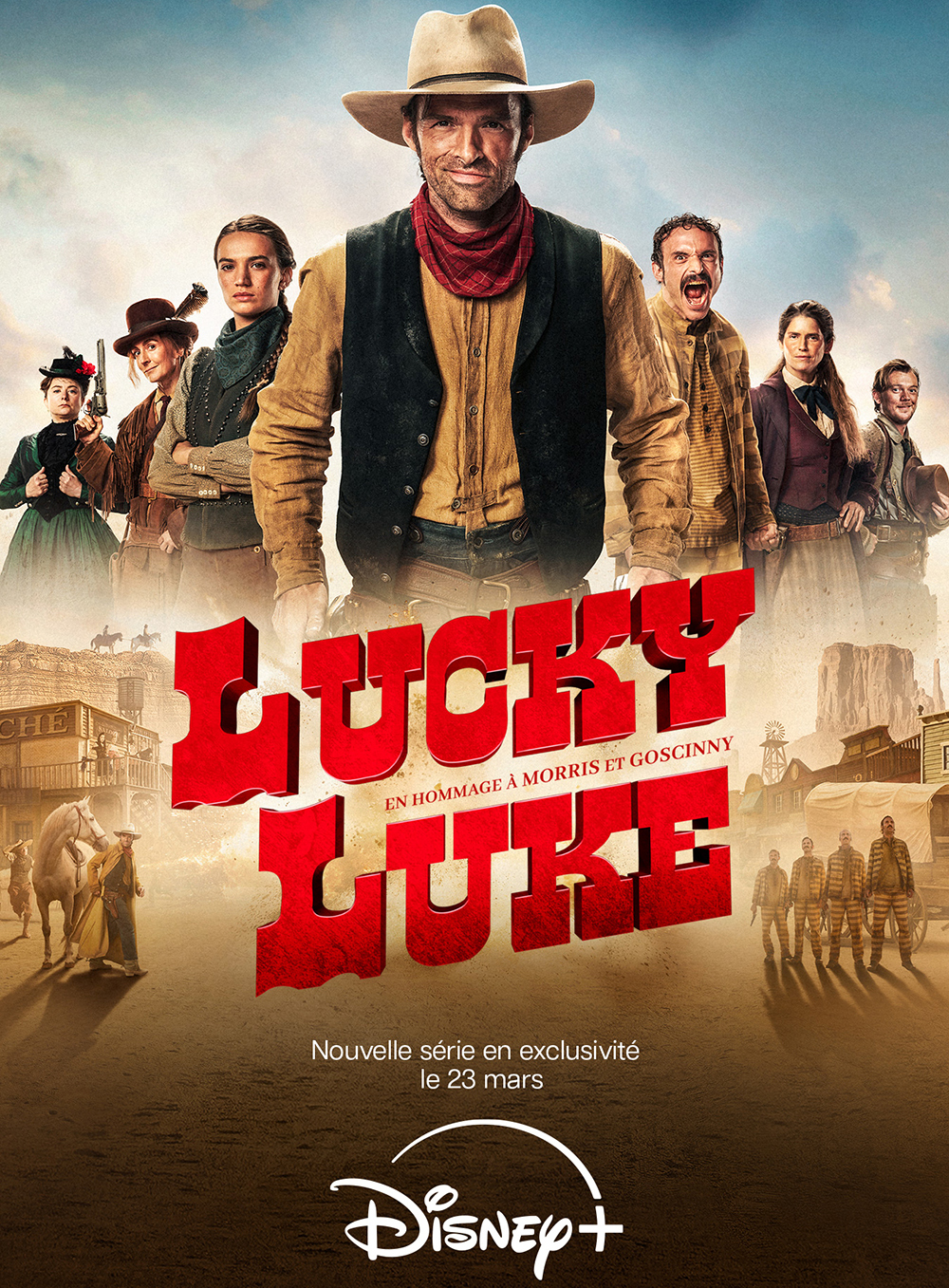
There was something both exciting and frankly risky about the idea of bringing Lucky Luke back to live-action in the form of a series, given the character’s colossal legacy and live-action adaptations that, until now, have rarely found the right angle. Created by Morris, significantly expanded by René Goscinny, and continued over the years by Achdé, the cowboy who draws faster than his shadow belongs to that category of popular myths that everyone thinks they know, but that few works truly manage to reinvent without betraying them. This new version has at least one immediate quality: it understands that a slavish reproduction of the comic book would have been pointless. Instead of slavishly copying the albums, Mathieu Leblanc and Thomas Mansuy prefer to shift the focus, wear down the legend, crack the icon, and present a more battered, more taciturn Lucky Luke, almost at the end of his rope, which gives the whole thing a rather unexpected tone from the start. It’s not the total twilight western one might have fantasized about, nor the great, irresistible comedy some were hoping for, but it’s a project with real personality—which, in the character’s audiovisual history, is far from insignificant.
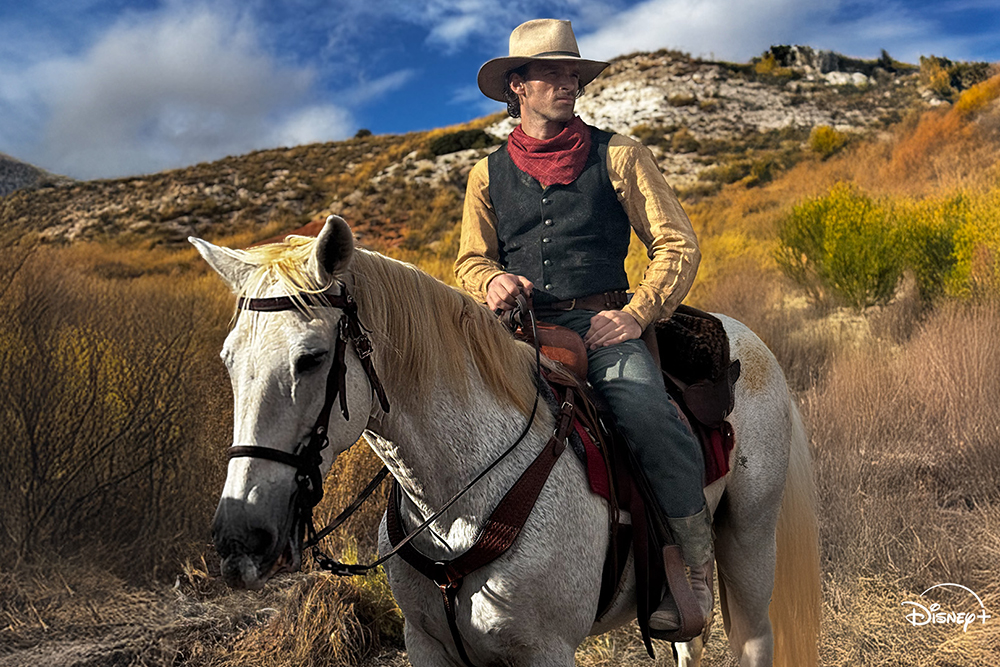
The premise works very well, in fact, because it’s based on a simple and immediately clear idea: this Lucky Luke is no longer quite up to his own reputation. With an injured hand, weakened, and less commanding than in the collective memory, he crosses paths with Louise, an eighteen-year-old girl searching for her mother, and this unlikely duo becomes the driving force behind a road trip across the West. Here, there is a clear desire to play with the dynamics of this mismatched duo—between a battered mentor and an uncontrollable partner—with all the friction, misunderstandings, annoyance, and occasional emotion that entails. This choice also allows the series to expand its universe without confining itself to a mere parade of historical figures, even as it freely draws on iconic characters like Joe Dalton, Calamity Jane, or Billy the Kid, and sprinkles in nods to well-known comics like The Judge or Emperor Smith. The episodic structure, underpinned by a broader overarching plot involving a conspiracy and a buried past, gives the series a fairly fluid progression, even if it sometimes suffers from a very contemporary flaw: repeating the stakes, information, and motivations a bit too often, as if the series were constantly afraid that the viewer might lose interest.
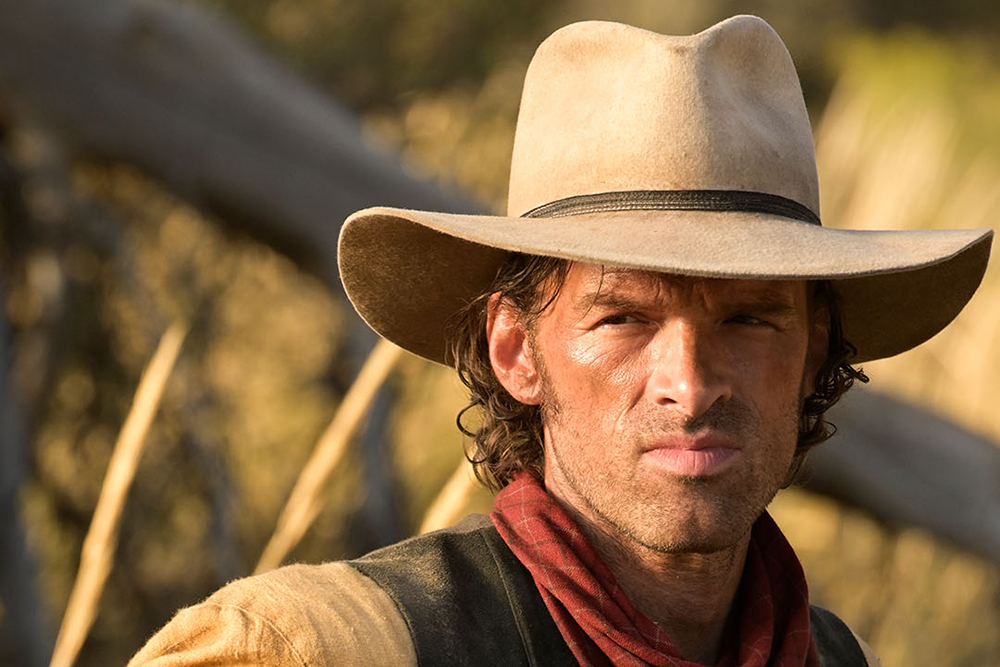
Where this reinterpretation is most compelling is in its approach to the myth without sanctifying it. Under the direction of Benjamin Rocher, the series seeks less to craft a pure image of the hero than to bring him back to a form of materiality, almost of vulnerability. Alban Lenoir takes on the role with an interesting blend of physical presence, dryness, and restraint. His Lucky Luke lacks the lighthearted nonchalance we instinctively associate with the character on paper; he is heavier, more closed off, more down-to-earth, almost sculpted for combat rather than for wit. This is sometimes a strength, because it lends depth to this worn-out cowboy, haunted by something that never fully reveals itself, and it is sometimes a limitation, because by making the character so muscular, the series loses some of that ironic flexibility, that deadpan elegance that was part of the charm of Morris and René Goscinny. But we must acknowledge Alban Lenoir’s obvious commitment to the role, right down to its physicality, and this portrayal ultimately establishes a credible interpretation of the character—not as a carbon copy of the drawing, but as a rougher, more contemporary variation, at times even almost melancholic.
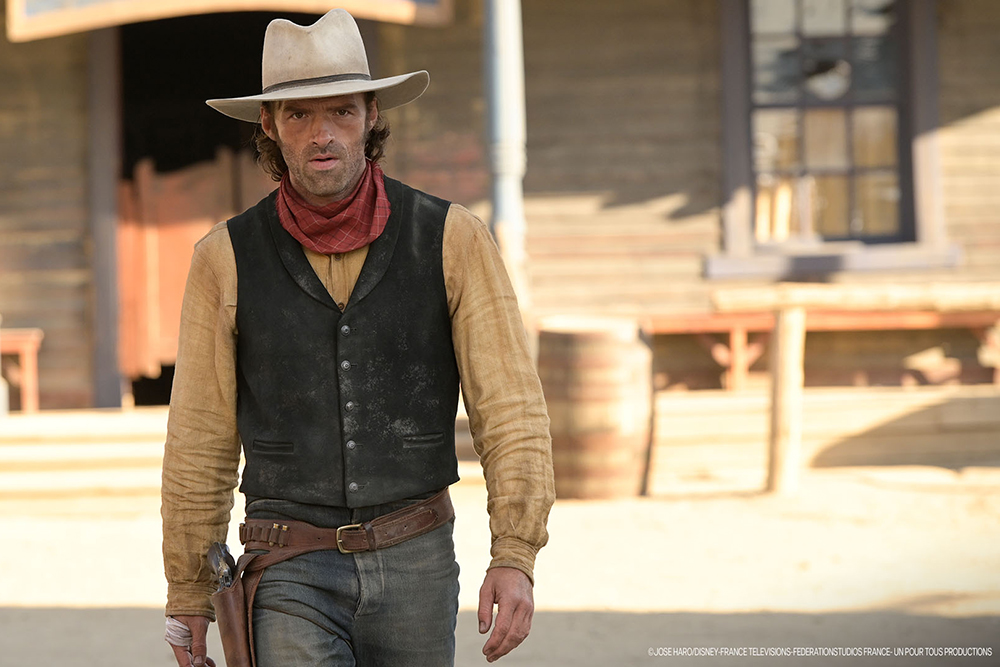
Opposite him, Billie Blain brings a chaotic energy that becomes essential to the overall balance. Louise is conceived as a constant disruptive element, a presence capable of derailing the hero’s supposed mastery, and it is precisely this that prevents the series from getting bogged down in an overly monolithic stance. The idea is sound, because it pits the legend against the unpredictable, against immaturity, against a youth that respects neither conventions nor unspoken rules. However, the series doesn’t always fully live up to this promise. The chemistry between Alban Lenoir and Billie Blain is more intermittent than a constant presence, and their scenes together sometimes take a while to find their stride. Each often works better individually than as a duo, especially in the early episodes. This doesn’t doom the series as a whole—far from it—since their relationship eventually develops into something endearing, but it likely explains why the series often feels like it’s on the verge of taking off without ever fully surrendering to its own momentum.
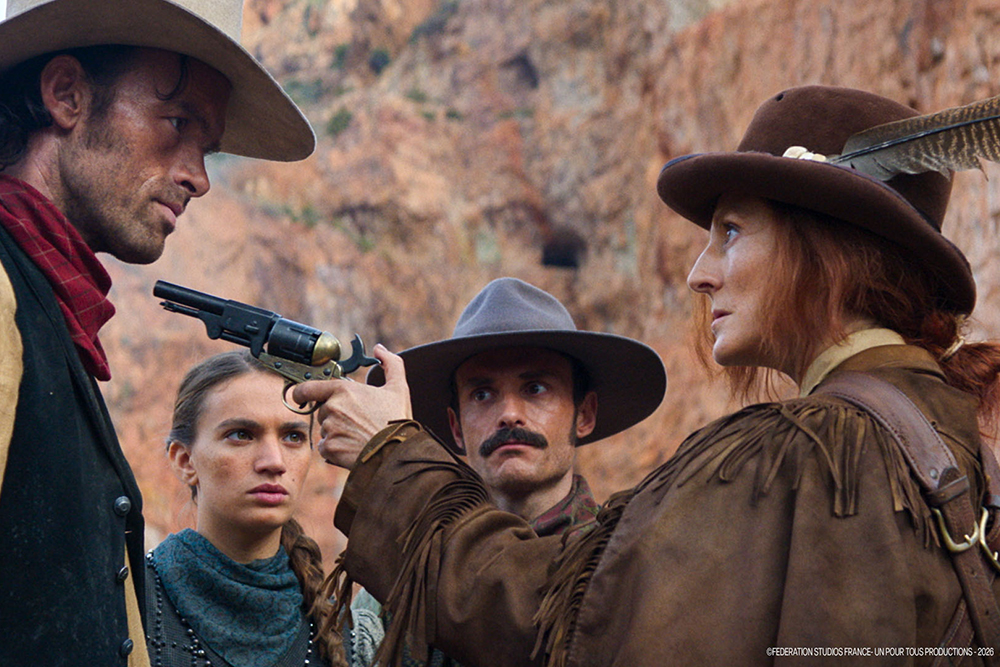
Paradoxically, it is often the supporting characters who steal the show. Jérôme Niel, in particular, stands out as one of the series’ greatest delights with a Joe Dalton who is at once delirious, unpredictable, and perfectly attuned to the absurd tone the show achieves in its best moments. There is a controlled madness about him, a comically contraband energy, that instantly enlivens every scene in which he appears. Camille Chamoux, as Calamity Jane, also brings a welcome depth, with a sassy presence and a way of portraying a seasoned Westerner without falling into exhausting caricature. Victor Le Blond, for his part, creates a singular Billy the Kid—less glorious than battered, almost pathetic at times—and it is precisely this incongruity that makes him interesting. Even Alice Taglioni, in a role that contributes more to the emotional and narrative background, helps establish the idea that the series prefers rough edges to posturing. This is, in fact, a constant: as soon as a supporting character appears, the world is recharged, regaining its rhythm, its energy, its spice, as if the series breathes easier when it embraces an ensemble approach rather than relying solely on the aura of its hero.
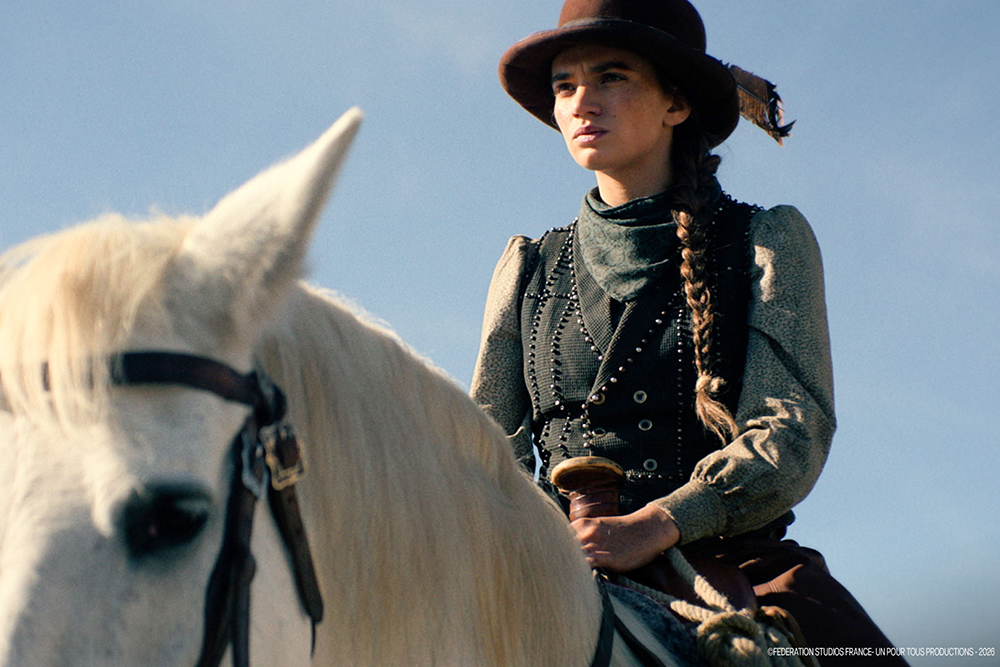
Visually, however, there is little to criticize. Filming in Spain, on locations that immediately evoke the imagery of the European Western, gives the series a very convincing texture, and Steeven Petitteville’s cinematography plays a major role in this success. Without ostentatiously mimicking Sergio Leone, the series knows how to evoke that low-angle light, that dust, those twilights, and that sense of space that place Lucky Luke within a credible cinematic lineage. One also senses genuine care in the art direction to transpose Morris’s style into something more realistic without stripping it of its graphic flair. Costumes, sets, props, silhouettes—all of this forms a solid framework, at times even more solid than the writing itself. This is likely where the series proves most compelling: in its ability to bring to life a Wild West that is both familiar and slightly fantastical, a territory where one can believe in the simultaneous emergence of the burlesque, adventure, and a touch of nostalgia. This isn’t just fancy packaging, but a genuine understanding of the setting as a language.
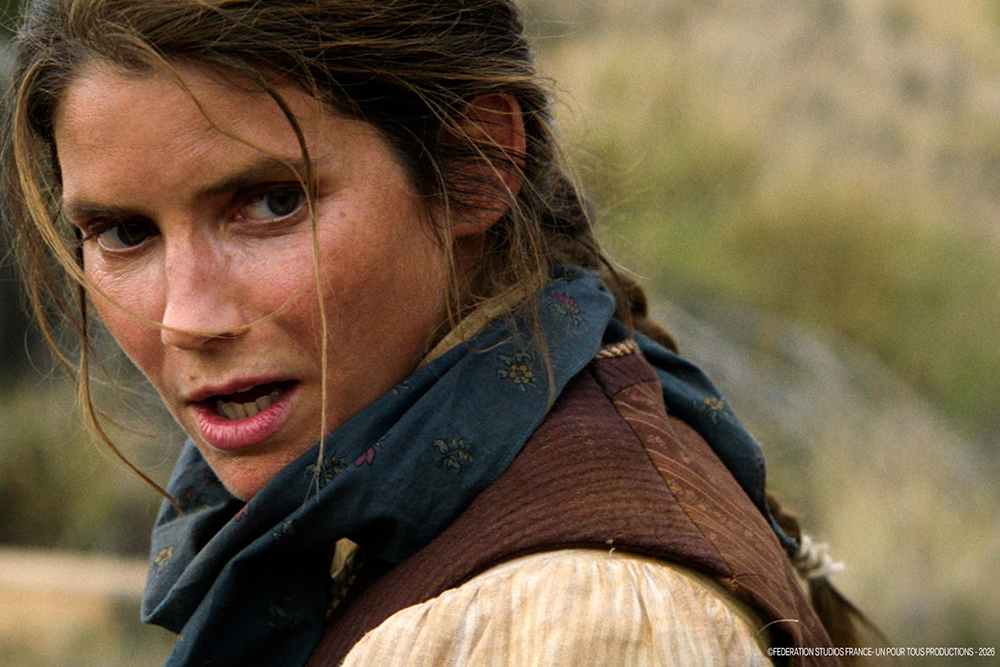
However, the tone of this series and its dialogue would have deserved better treatment. The series aims to be at once a family adventure, an absurd comedy, a variation on the Italian Western, and a more intimate reinterpretation of the hero, and it doesn’t always clearly prioritize its goals. Some episodes strike a delightful balance between situational humor, homage to the comic books, and the demystification of the character, while others get bogged down in somewhat forced dialogue, overly heavy-handed explanations, or editing that emphasizes rather than trusts the image. You can often sense very good ideas behind certain scenes—sometimes even genuine flashes of comedy—but they’re regularly held back by an excessive need to comment, clarify, and over-explain. It’s a shame, because the source material called for more momentum, more freedom, and more trust in the viewer. The series is thus torn between gravitas and absurdity, between twilight seriousness and pop farce, and this constant hesitation prevents it from achieving the mastery it nevertheless comes close to at times. It never truly falls apart, but it becomes scattered enough to foster a form of almost constant frustration.
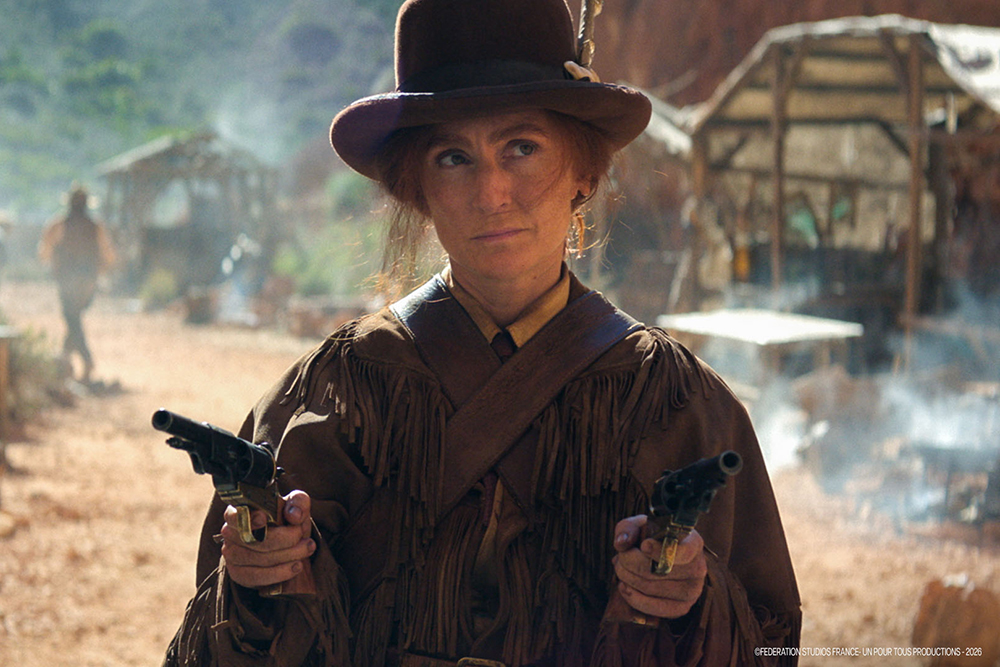
This Disney+ version of Lucky Luke is neither the disaster that previous live-action adaptations might have led us to fear, nor the definitive reinterpretation that will satisfy everyone. It is an imperfect series, sometimes chaotic, often endearing, regularly inspired, which succeeds better in its homage than it does in its mechanics. It has a genuine passion for cinema, an obvious affection for the world of Morris and René Goscinny, a few clever touches of tone, a fine cast of supporting characters, and a sense of atmosphere that many smoother productions might envy. On the other hand, it still lacks precision in the writing to transform its good instincts into a truly memorable ride. We come away with a mixed impression, but one that is far from negative: that of a work that hasn’t quite found the rhythm of its own stride, but which gallops with enough sincerity to make us want to follow it. And in the case of Lucky Luke, a character adapted, appropriated, simplified, or mistreated a thousand times over, that sincerity alone is already worth a great deal.
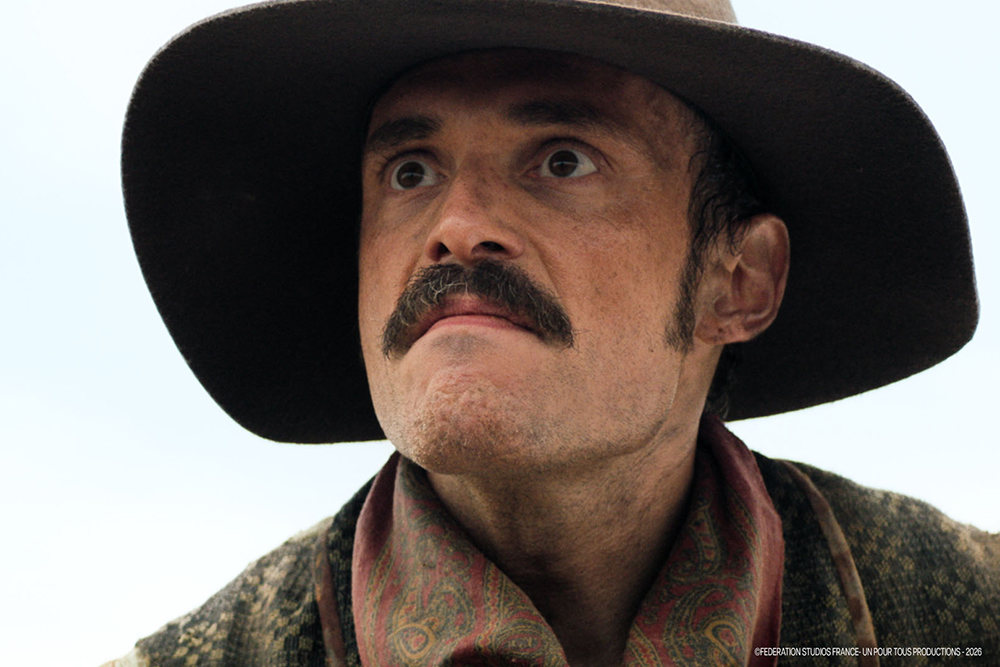
Synopsis:
Lucky Luke, the legendary lone cowboy, must help Louise, an 18-year-old girl… as prickly as a cactus and more unpredictable than a rabid coyote. Together, they embark on a quest across the Wild West to find Louise’s mother, who has mysteriously disappeared, all while thwarting a plot that could change the course of U.S. history. A thrilling adventure that explores both the past and the future of the hero who draws faster than his shadow. Between duels, car chases, furious headbutts, and unexpected alliances with the Daltons, Billy the Kid, or Calamity Jane, our unlikely duo will discover that the greatest challenge isn’t saving America… but working together!
Lucky Luke
Directed by Benjamin Rocher
Written by Thomas Mansuy, Mathieu Leblanc, Justine Kim Gautier, Julie-Anna Grignon
Produced by Rémi Préchac, Géraldine Gendre, Lionel Uzan, Julien Vallespi, Alban Lenoir
Starring Alban Lenoir, Billie Blain, Alice Taglioni, Jérôme Niel, Camille Chamoux, Victor Le Blond
Director of Photography: Maxime Cointe, Steeven Petitteville
Editing: Romain Imbert
Music: Thomas Cappeau
Production companies: France Télévisions, Federation Studios, Un Pour Tous Productions, Homerun
Distribution: Disney+, France 2
Release dates: March 23, 2026 (France)
Runtime: 272 minutes (8 episodes)
Photos: Copyright Fédération Studios France - Un pour tous Productions - 2026