
 English
Festivals - Debra Winger : The Cinematheque Festival celebrates a fiercely independent Hollywood icon through a rare retrospective in Paris
By Mulder, 08 march 2026
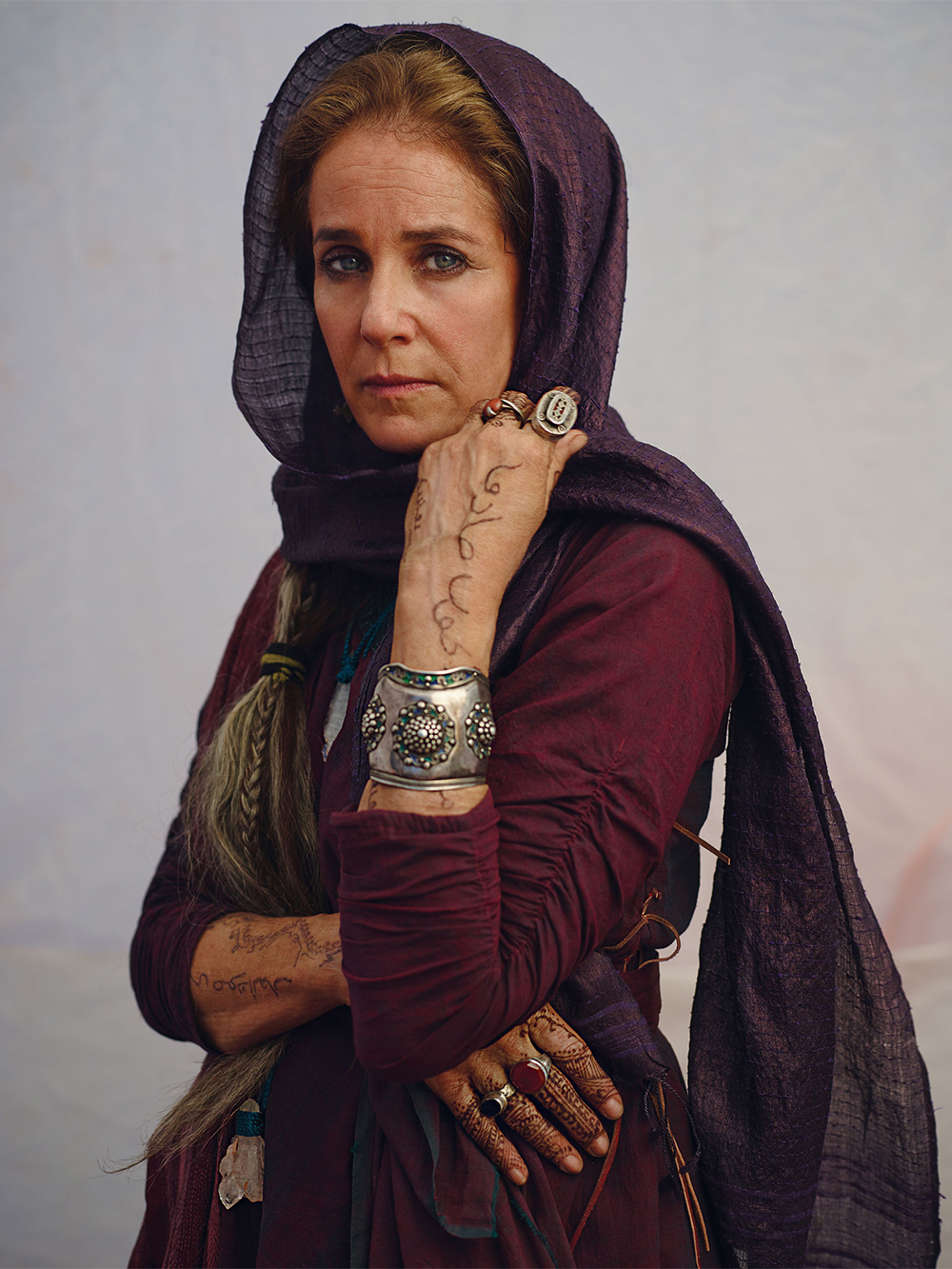
For its thirteenth edition, the Festival de la Cinémathèque française has chosen to honor two major figures of American cinema whose careers embody the evolution of Hollywood at the end of the twentieth century, and among them, Debra Winger stands out as one of the most fascinating and complex actresses of her generation, a performer whose career reflects both the brilliance of the studio system and the pressures that came with it. The tribute organized at the Cinémathèque française in Paris is not only a retrospective of films but also a reflection on a certain idea of acting, one rooted in artistic integrity, independence, and a refusal to conform to the expectations often imposed on actresses in the industry during the 1980s and 1990s. Through a carefully curated selection of films, restored prints, and a screening of the documentary Searching for Debra Winger directed by Rosanna Arquette, the festival highlights the trajectory of a performer who always preferred challenging roles and demanding collaborations over easy success, working with filmmakers such as Bob Rafelson, Alan Rudolph, Costa-Gavras, Karel Reisz, and Bernardo Bertolucci, directors known for their strong personalities and author-driven cinema rather than purely commercial filmmaking.
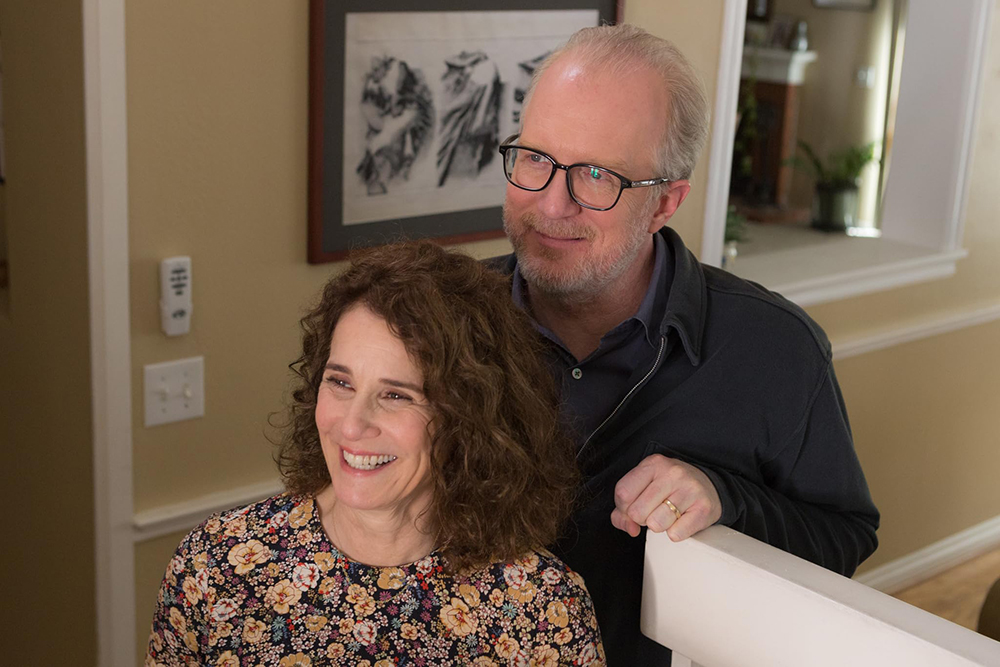
Born on May 16, 1955, in Cleveland Heights, Ohio, Mary Debra Winger did not follow a conventional path to Hollywood, and her early life already foreshadowed the determination that would later define her career. After studying criminology and sociology at California State University, Northridge, she experienced a serious accident at the age of eighteen that left her partially paralyzed and temporarily blind, an event she has often described as a turning point that forced her to reconsider her life and ultimately pushed her toward acting. Her first roles in the mid-1970s were modest, including appearances in television and low-budget films, but her breakthrough came at the end of the decade with Urban Cowboy in 1980, which brought her critical attention and award nominations, quickly followed by a remarkable run of performances that established her as one of the most respected actresses of her generation. Within a few years, she received three Academy Award nominations for Best Actress, for An Officer and a Gentleman directed by Taylor Hackford, Terms of Endearment directed by James L. Brooks, and Shadowlands directed by Richard Attenborough, a rare achievement that confirmed both her popularity and her reputation as a serious performer capable of emotional intensity without theatrical excess.
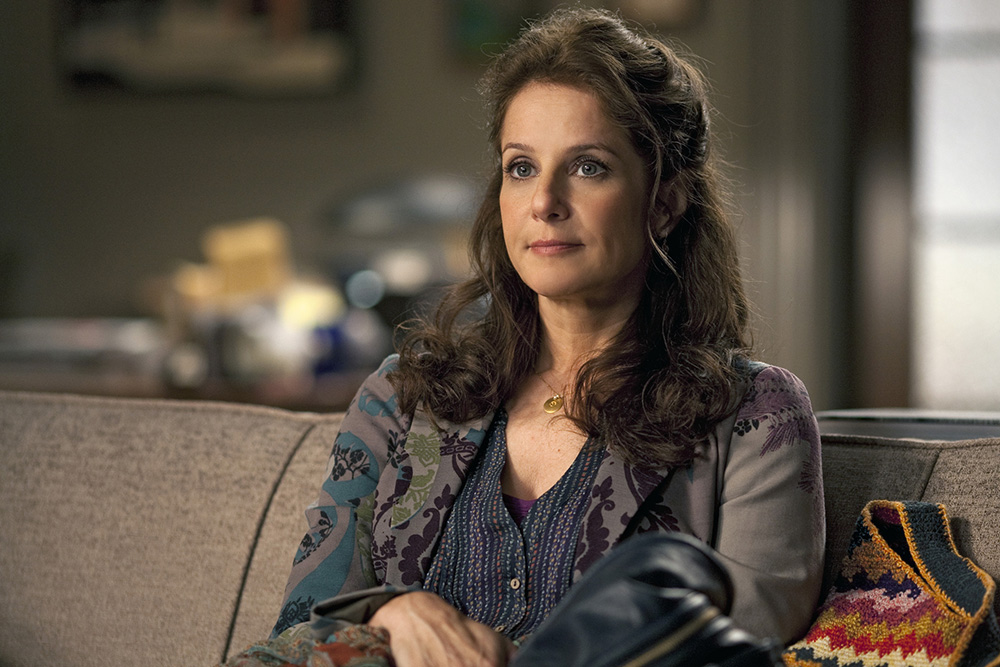
The films selected for the Cinémathèque retrospective illustrate this exceptional period in detail, from An Officer and a Gentleman (1982), one of the defining romantic dramas of the decade, to Terms of Endearment (1983), in which her performance opposite Shirley MacLaine remains one of the most moving portrayals of a mother-daughter relationship in American cinema, and to Black Widow (1987) by Bob Rafelson, a darker and more ambiguous thriller that revealed her ability to move away from the conventional image of the Hollywood heroine. The program also includes Everybody Wins (1990) by Karel Reisz and The Sheltering Sky (1990) by Bernardo Bertolucci, two films that demonstrate her willingness to work with demanding auteurs at a time when she could easily have chosen more commercial projects, as well as the documentary Searching for Debra Winger, in which Rosanna Arquette explores the paradox of an actress admired by critics yet often described as difficult by the industry, a reputation that, as several filmmakers have noted, often came from her refusal to accept roles she considered superficial or poorly written.
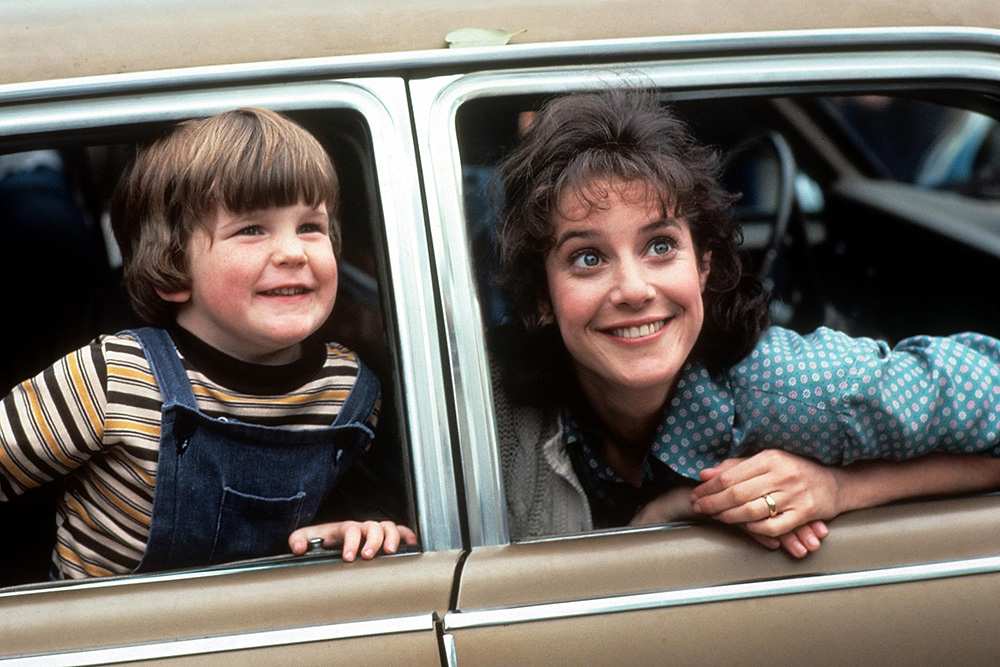
One of the reasons the festival tribute feels particularly relevant today is that Debra Winger has come to symbolize a form of resistance within the Hollywood system, especially for actresses who reached fame in the 1980s, a period when the industry offered limited opportunities for complex female characters. Her decision to step away from acting in the mid-1990s, after the film Forget Paris, surprised many observers at the time, but she later explained that she preferred leaving the spotlight rather than repeating roles that no longer interested her, a choice that only reinforced her image as an artist guided by conviction rather than by career strategy. During that hiatus, she worked on stage, taught at Harvard University, and later returned to cinema with projects that often reflected a more personal approach, including collaborations with her husband, actor and director Arliss Howard, and performances in independent films that allowed her to explore characters far removed from the glamorous roles that had made her famous.

Beyond her film career, the festival also highlights the broader cultural impact of Debra Winger, who has remained a vocal figure on social and political issues and has frequently spoken about the challenges faced by women in the film industry, long before these topics became central in public debates. Her presence in the documentary Searching for Debra Winger already revealed how many actresses of her generation felt trapped between commercial expectations and artistic ambition, a theme that resonates strongly today, making this retrospective more than a nostalgic look at a celebrated career, but rather a reminder of how Hollywood has changed, and how much of that change was made possible by performers who refused to follow the rules. By dedicating this tribute to her, the Cinémathèque française not only celebrates the filmography of a major American actress but also honors a rare kind of independence, the kind that defined Debra Winger throughout her life, from her early breakthrough in the 1980s to her continued presence in cinema, television, and theater, proving that her career has always been less about fame than about staying true to a personal vision of what acting should be.
Films presented:
An Officer and a Gentleman (1982), directed by Taylor Hackford — Wednesday, March 11 at 2:00 PM
Everybody Wins (1990), directed by Karel Reisz — Thursday, March 12 at 8:30 PM
Terms of Endearment (1983), directed by James L. Brooks — Friday, March 13 at 7:45 PM
Searching for Debra Winger (2002), directed by Rosanna Arquette — Saturday, March 14 at 2:30 PM
Black Widow (1987), directed by Bob Rafelson — Saturday, March 14 at 6:00 PM
The Sheltering Sky (1990), directed by Bernardo Bertolucci — Sunday, March 15 at 2:30 PM
Filmography :
1976 - Slumber Party '57
1978 - Thank God It's Friday
1979 - French Postcards
1980 - Urban Cowboy
1982 - Cannery Row
1982 - E.T. the Extra-Terrestrial
1982 - An Officer and a Gentleman
1983 - Terms of Endearment
1984 - Mike's Murder
1986 - Legal Eagles
1987 - Black Widow
1987 - Made in Heaven
1988 - Betrayed
1990 - Everybody Wins
1990 - The Sheltering Sky
1992 - Leap of Faith
1993 - Wilder Napalm
1993 - A Dangerous Woman
1993 - Shadowlands
1995 - Forget Paris
2001 - Big Bad Love
2002 - Searching for Debra Winger
2003 - Radio
2004 - Eulogy
2008 - Rachel Getting Married
2012 - Lola Versus
2014 - Boychoir
2017 - The Lovers
2020 - Kajillionaire
2021 - With/In: Volume 2