
 English
Festivals - Cannes 2026 : Peter Jackson to Receive Honorary Palme d'Or, Honoring the Visionary Who Redefined Modern Blockbusters
By Mulder, 05 march 2026
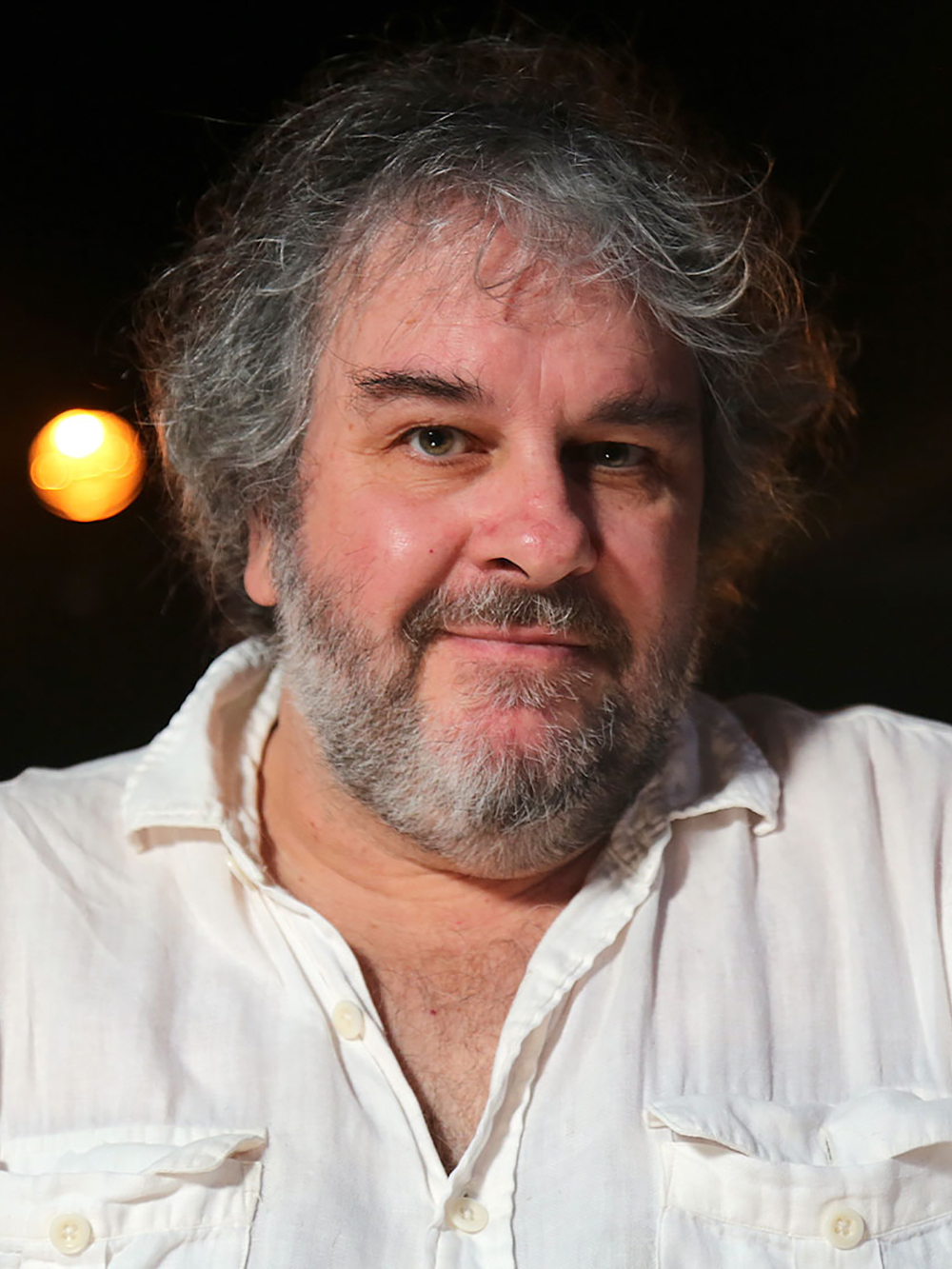
The announcement made on March 5, 2026 immediately resonated far beyond the Croisette: Peter Jackson will receive the Honorary Palme d'Or during the opening ceremony of the 79th Cannes Film Festival on May 12, 2026, a distinction that places the New Zealand filmmaker alongside recent honorees such as Agnès Varda, Marco Bellocchio, Jodie Foster, Meryl Streep, and Robert De Niro, all of whom were previously celebrated for careers that reshaped the language of cinema. The Festival’s leadership, headed by President Iris Knobloch and General Delegate Thierry Frémaux, chose to honor a director whose work has continuously blurred the line between blockbuster spectacle and personal filmmaking, a rare trajectory that has allowed him to influence both Hollywood and independent cinema while remaining fiercely attached to technological innovation and storytelling ambition. In the official statement, Iris Knobloch praised a creator of “boundless imagination who brought prestige to heroic fantasy,” while Thierry Frémaux insisted there is “a before and an after Peter Jackson,” describing his cinema as excessive in the noblest sense, built on total entertainment yet driven by narrative passion rather than pure technical demonstration. For many observers, this recognition also feels like a long-overdue return to Cannes for a filmmaker whose history with the Festival began decades ago in far more modest circumstances, when his first feature circulated among buyers at the Marché du Film long before the world knew his name.
That early encounter dates back to 1987, when Peter Jackson, born October 31, 1961 in Wellington, New Zealand, arrived at Cannes with his ultra-low-budget splatter comedy Bad Taste, a film shot over weekends with friends, homemade effects, and equipment he had purchased after years working as a photo-engraver for the Wellington newspaper The Evening Post. His path into cinema had nothing academic about it: fascinated as a child by the films of Ray Harryhausen, the British series Thunderbirds, and the anarchic humor of Monty Python’s Flying Circus, he taught himself editing, makeup, and visual effects through trial and error after receiving a Super 8 camera as a teenager. That same DIY spirit would remain a constant in his career, even after global success, and it is one of the reasons Cannes officials often describe him as both a craftsman and an inventor. His early films, including Meet the Feebles (1989) and the cult zombie comedy Braindead (1992), already showed an obsession with practical effects and extreme tonal shifts, but it was Heavenly Creatures (1994), co-written with his longtime collaborator Fran Walsh, that brought him international recognition, earning an Academy Award nomination for Best Original Screenplay and revealing a filmmaker capable of moving from grotesque humor to psychological drama without losing his distinctive visual energy.
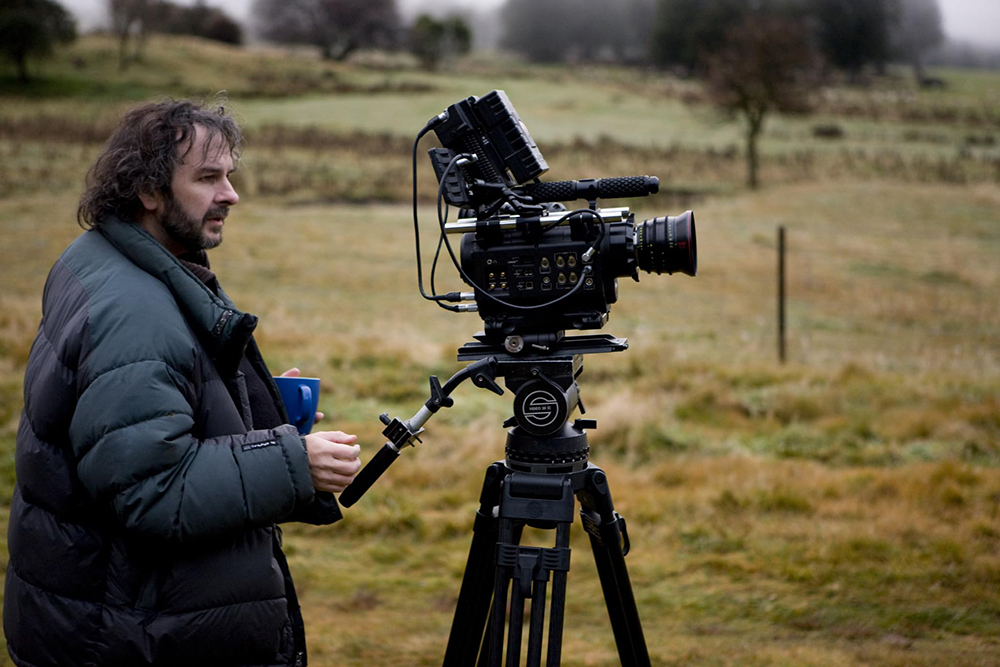
The moment that truly changed his life and, as the Festival itself recalls, changed the perception of fantasy cinema happened on May 13, 2001 in Cannes, when 26 minutes of unfinished footage from The Lord of the Rings: The Fellowship of the Ring were shown to the press months before the film’s release. At the time, skepticism surrounded the project, considered too ambitious and too expensive, but the reaction in the screening room quickly turned into astonishment. That preview marked the beginning of one of the most extraordinary success stories in modern film history: the trilogy released between 2001 and 2003, filmed entirely in New Zealand with simultaneous production of three films, required two years of preparation, 274 days of shooting, thousands of technicians and extras, and a logistical organization never attempted at that scale. The gamble paid off beyond expectations, with the trilogy winning 17 Academy Awards, including 11 for The Lord of the Rings: The Return of the King, tying the record held by Ben-Hur and Titanic, and generating billions of dollars at the worldwide box office. Just as important as the financial success was the technical revolution brought by Peter Jackson and his Wellington-based studio Wētā FX, whose combination of digital innovation and traditional effects techniques allowed large-scale battles and fantasy creatures to feel tangible, preserving realism while pushing visual storytelling into a new era.
Rather than repeating the same formula, Peter Jackson used that global success to explore different directions, a pattern that has defined his career. In 2005 he directed King Kong, a remake of the 1933 classic that paid tribute to the film he often calls his childhood inspiration, while continuing to expand Wētā’s technological capabilities. He later returned to Middle-earth for The Hobbit trilogy between 2012 and 2014, again pushing production methods by using high-frame-rate digital photography and complex motion-capture performances. Yet the most surprising turn in his filmography came with documentary work, notably They Shall Not Grow Old (2018), which restored and colorized archival footage from the First World War using advanced digital techniques, and The Beatles: Get Back (2021), a three-part documentary built from more than 60 hours of unseen material from the recording sessions of the album Let It Be. The latter not only earned critical acclaim and Emmy Awards but also led to the development of new audio restoration technology later used for the release of the Beatles song “Now and Then,” demonstrating how Peter Jackson continues to influence not only cinema but also the preservation of cultural history.
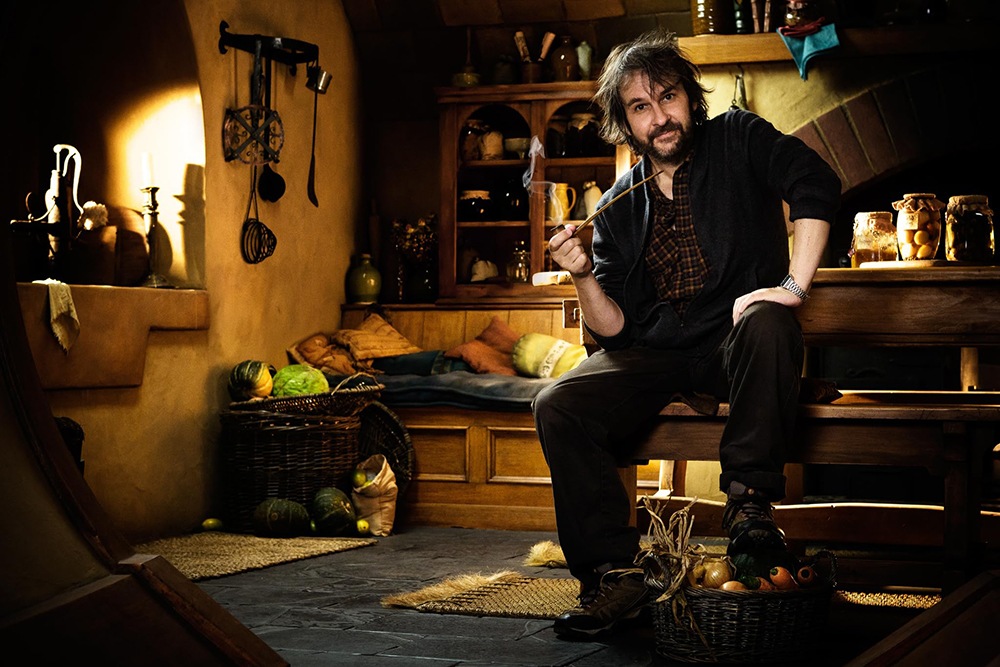
Beyond directing, his career has extended into producing, technology, aviation, and even scientific investment, reflecting a curiosity that mirrors the adventurous spirit of his films. His company WingNut Films and the Wētā group became central players in the global visual-effects industry, and in 2021 the sale of Wētā Digital contributed to making him one of the wealthiest figures in entertainment, with films that have collectively grossed more than six billion dollars worldwide. At the same time, he has remained deeply attached to New Zealand, where most of his productions are based, and where he has supported cultural institutions, film competitions, and historical preservation projects, particularly related to World War I aviation, one of his personal passions. This dual identity — global filmmaker and local enthusiast — is often cited by colleagues as part of the reason his work feels both monumental and personal, capable of moving from intimate drama to massive spectacle without losing sincerity.
The decision by the Cannes Film Festival to award the Honorary Palme d'Or to Peter Jackson in 2026 therefore carries a symbolic weight that goes beyond a simple lifetime achievement tribute. It recognizes a filmmaker who started as a self-taught outsider, arrived at Cannes with a homemade horror comedy, and ended up redefining what modern cinema could look like, both artistically and technically. When he declared that receiving the award would be one of the greatest moments of his career and recalled how the Festival had already played a decisive role in his life, the statement sounded less like a formality than a closing circle, linking the young director wandering the Marché du Film in the late 1980s to the creator whose work shaped an entire generation of moviegoers. In honoring Peter Jackson, Cannes is not only celebrating a filmography, but also the idea that bold, obsessive, and sometimes risky filmmaking can still transform the industry — exactly the kind of cinema the Festival has always claimed to defend.
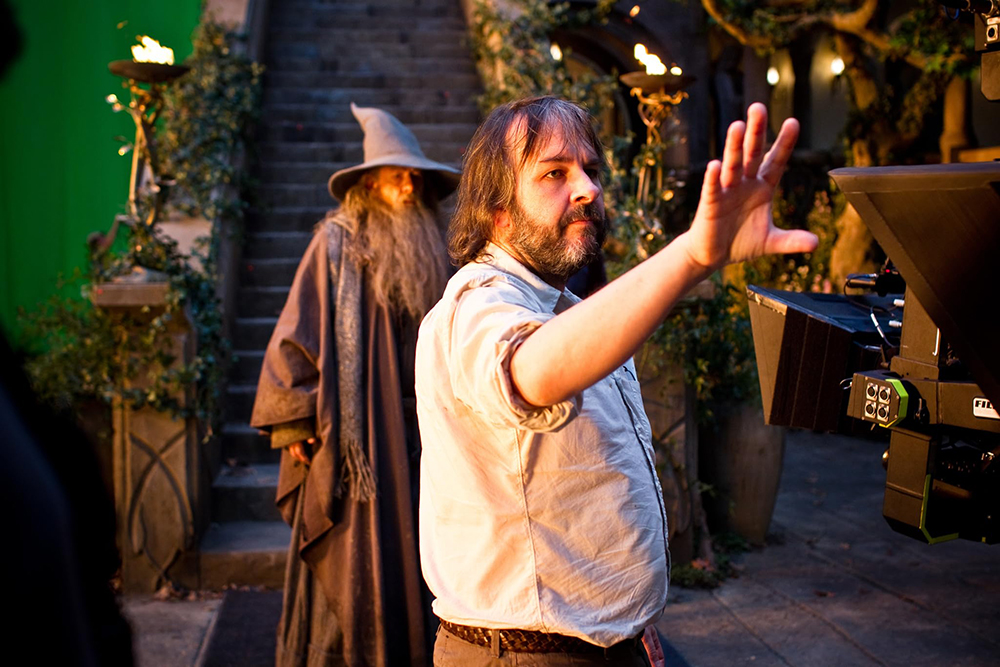
Filmography (as director) :
1987 - Bad Taste
1989 - Meet the Feebles
1992 - Braindead
1994 - Heavenly Creatures
1995 - Forgotten Silver
1996 - The Frighteners
2001 - The Lord of the Rings: The Fellowship of the Ring
2002 - The Lord of the Rings: The Two Towers
2003 - The Lord of the Rings: The Return of the King
2005 - King Kong
2008 - Over the Front: The Great War in the Air
2009 - The Lovely Bones
2012 - The Hobbit: An Unexpected Journey
2013 - The Hobbit: The Desolation of Smaug
2014 - The Hobbit: The Battle of the Five Armies
2018 - They Shall Not Grow Old
2021 - The Beatles: Get Back
2022 - The Beatles: Get Back – The Rooftop Concert