 English
Movies - Mortal Kombat II : The Tournament Finally Ignites as Warner Bros. Bets Big on a Brutal Franchise Future
By Mulder, 25 february 2023
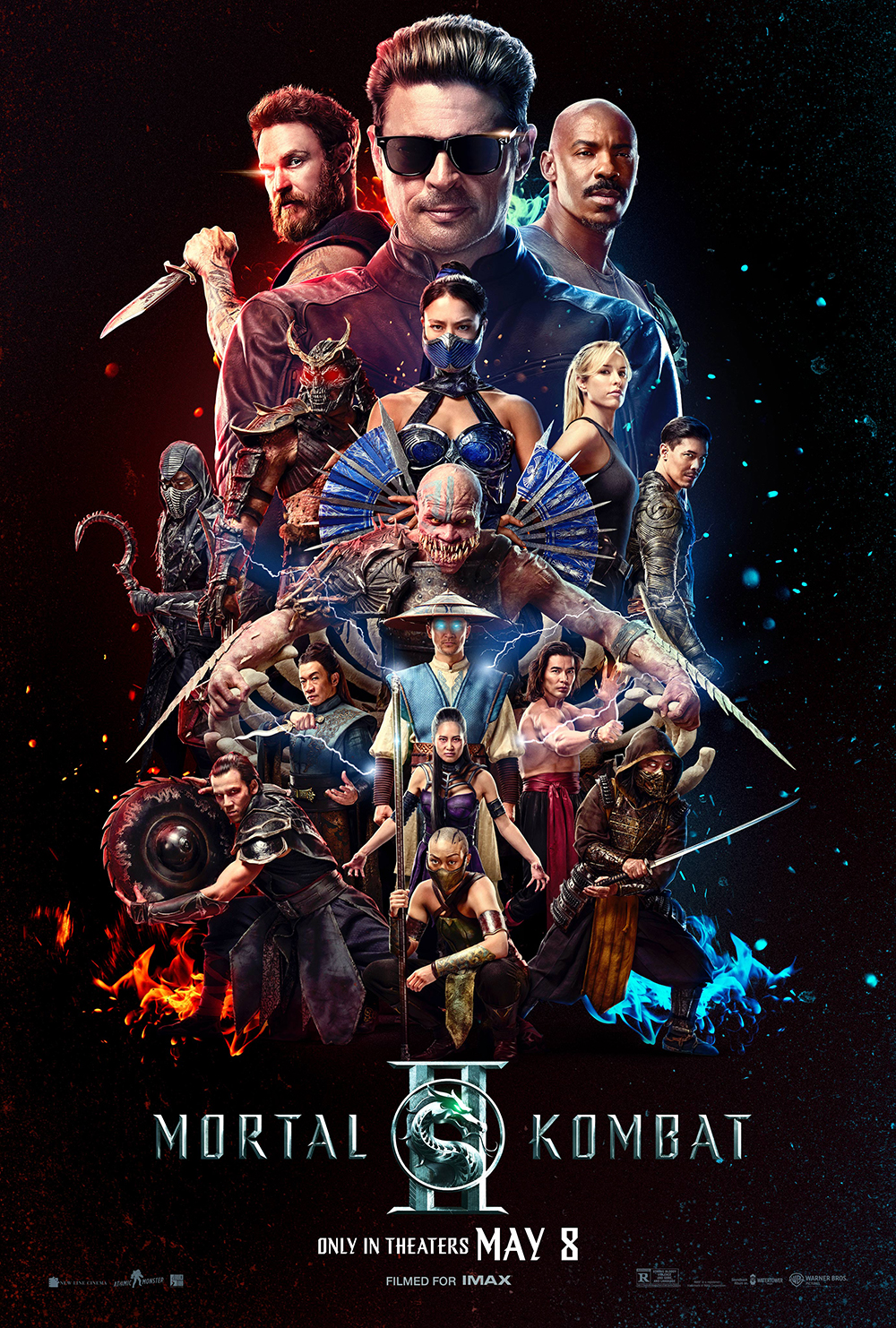
On May 6, 2026 in France and May 8, 2026 in the United States, Mortal Kombat II will arrive in theaters under the Warner Bros. Pictures banner, carrying with it not just the weight of a cult video game legacy but the clear ambition of becoming a long-term cinematic saga. Directed once again by Simon McQuoid and written by Jeremy Slater, the sequel follows the 2021 reboot that reintroduced the blood-soaked mythology of the franchise to modern audiences. Based on the iconic video game created by Ed Boon and John Tobias, the new chapter pushes the narrative directly into the long-awaited tournament teased in the first film, delivering on a promise that fans have been debating ever since the reboot premiered during the hybrid theatrical and streaming era of 2021. Produced by Todd Garner, James Wan, Toby Emmerich, E. Bennett Walsh, and Simon McQuoid, the sequel represents a calculated expansion of the Mortal Kombat universe rather than a simple continuation.
The first film’s release in April 2021 immediately sparked discussions about long-term storytelling. Joe Taslim, who portrayed Bi-Han/Sub-Zero, publicly revealed he had signed a contract for four additional films should the studio pursue a franchise model, a move that hinted at serious long-range planning behind the scenes. Simon McQuoid himself openly acknowledged that the 2021 installment functioned as a prelude, deliberately avoiding the central tournament structure that defines the games. Even more telling was his decision to withhold Johnny Cage from that first chapter, explaining in interviews that the character’s outsized personality risked unbalancing the narrative foundation they were trying to build. Meanwhile, co-writer Greg Russo described the reboot as the first act of a potential trilogy: pre-tournament, tournament, and post-tournament. Those early creative intentions now crystallize fully in Mortal Kombat II, which places the champions of Earthrealm in direct confrontation with the tyrannical rise of Shao Kahn.
Development formally accelerated in late 2021 when Todd Garner teased a sequel on social media, and by January 2022 the project was officially confirmed with Jeremy Slater hired to write the screenplay. Slater, known for embracing genre storytelling, repeatedly stated his intention to lean into the franchise’s “weirdness” rather than dilute it. He also acknowledged the mixed fan reactions to the first film and promised adjustments, both addressing criticisms and amplifying what worked. By July 2022, New Line Cinema had officially greenlit the sequel with Simon McQuoid returning to direct, confirming studio confidence in the creative direction. What makes this particularly interesting is how transparently the filmmakers discussed fan expectations, effectively turning audience discourse into part of the development process itself.
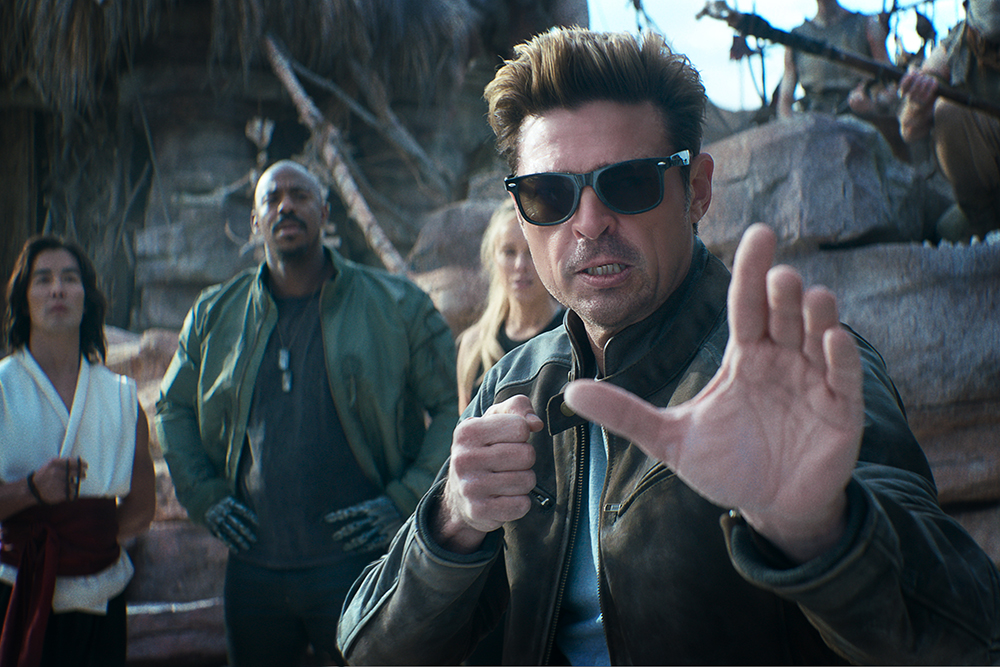
Casting announcements in 2023 significantly raised the film’s profile. Karl Urban entered final negotiations to portray Johnny Cage, a choice that immediately reframed expectations around the character’s tone and physical presence. Jessica McNamee returned as Sonya Blade, Josh Lawson reprised Kano, Ludi Lin returned as Liu Kang, Mehcad Brooks as Jax, Lewis Tan as Cole Young, Chin Han as Shang Tsung, Tadanobu Asano as Raiden, Joe Taslim as Bi-Han, and Hiroyuki Sanada as Hanzo Hasashi/Scorpion. Notably, Damon Herriman, who voiced Kabal in the 2021 film, returns in a different role as Quan Chi, signaling a clever reuse of talent within the expanding mythology. New additions further deepened the roster: Adeline Rudolph joined as Kitana, Tati Gabrielle was confirmed as Jade, Martyn Ford stepped into the imposing role of Shao Kahn, Desmond Chiam portrayed King Jerrod, and Ana Thu Nguyen embodied Queen Sindel. The ensemble underscores the sequel’s commitment to fully realizing the Outworld hierarchy and broadening the female character presence, something Simon McQuoid previously expressed interest in expanding.
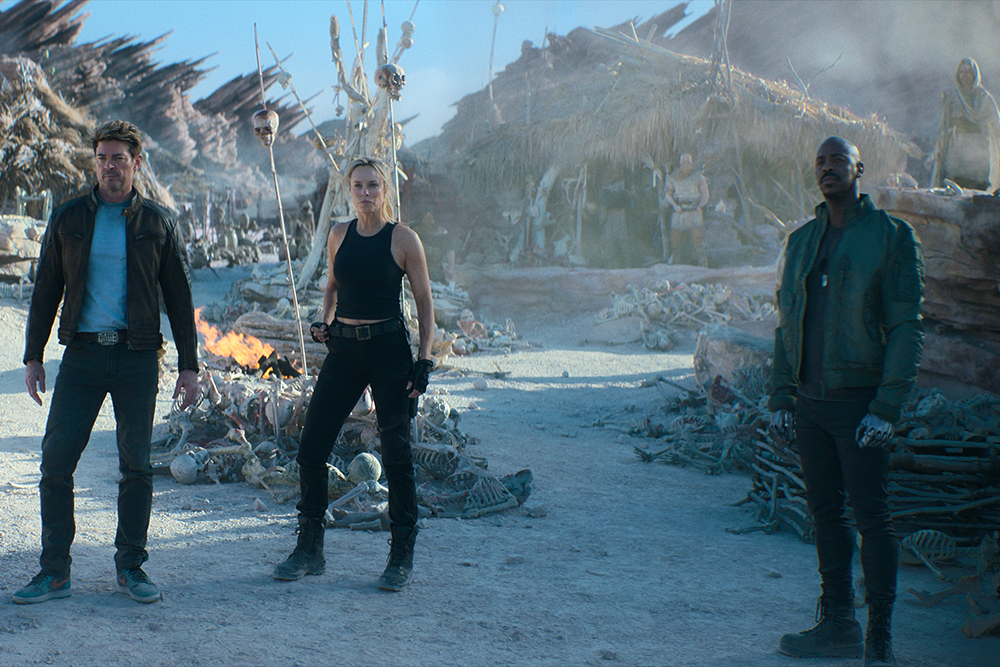
Principal photography began on June 22, 2023 at Village Roadshow Studios in Gold Coast, Queensland, with veteran cinematographer Stephen F. Windon behind the camera. Production momentum was temporarily halted in July due to the 2023 SAG-AFTRA strike, a pause that affected numerous major productions across Hollywood. Filming resumed in November 2023 following the strike’s resolution and officially wrapped in late January 2024. The post-production phase has included editing by Stuart Levy and a score composed by Benjamin Wallfisch, whose involvement signals a continuation of the operatic, high-intensity musical identity established in the previous film. The final runtime is reported at 116 minutes, suggesting a tightly paced narrative structure compared to sprawling franchise blockbusters.
Narratively, Mortal Kombat II centers on the fan-favorite champions of Earthrealm—now joined by Johnny Cage—as they are forced into the no-holds-barred tournament against Shao Kahn’s forces. The tyrant’s ascent threatens the survival of Earthrealm, escalating the stakes beyond mere personal vendettas. What distinguishes this sequel structurally is that it finally delivers the tournament framework teased in the reboot’s final moments, aligning more directly with the classic video game premise. The tonal balance will likely hinge on how Karl Urban’s interpretation of Johnny Cage integrates into the darker mythology, especially considering the earlier decision to postpone his introduction to preserve tonal equilibrium.
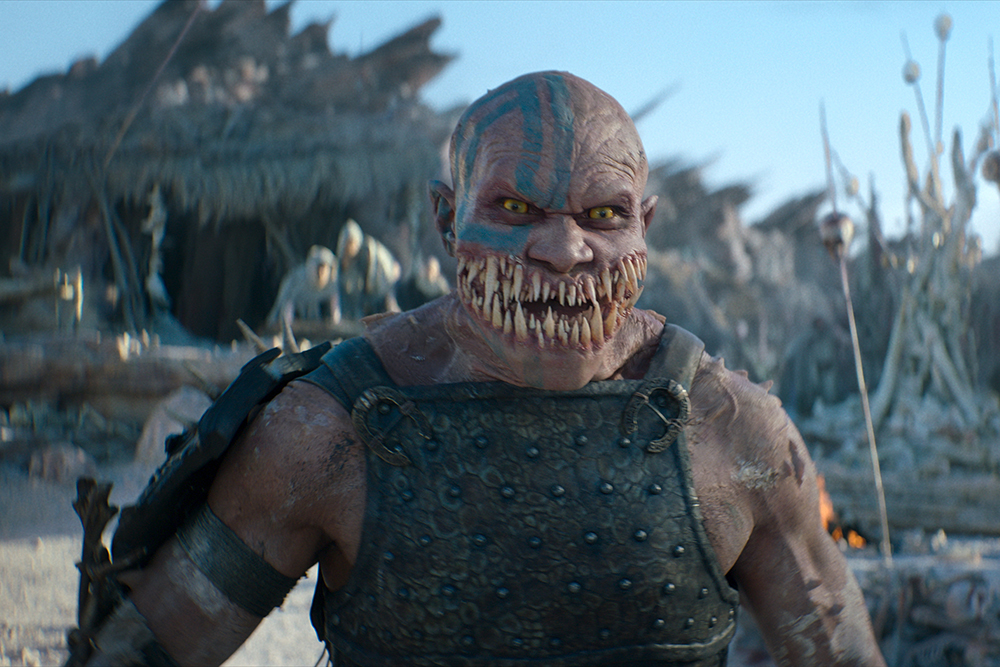
Release date shifts—initially slated for October 24, 2025 and later May 15, 2026—ultimately settled on May 8, 2026 in the United States, positioning the film squarely in the competitive early summer corridor. That strategic placement suggests Warner Bros. Pictures views the sequel as a tentpole rather than niche genre fare. Further reinforcing this ambition, reports from October 2025 during New York Comic Con confirmed that a third film is already in development with Jeremy Slater returning to write, indicating that the studio is not treating this as a standalone gamble but as the central chapter in a larger arc.
What emerges from verified production history and creative commentary is a sequel built with deliberate responsiveness. The 2021 film laid groundwork; Mortal Kombat II intends to capitalize on that foundation by embracing the franchise’s eccentric mythology, expanding its character roster, and fully delivering the tournament spectacle audiences expect. With Simon McQuoid returning to refine his visual approach and a cast that now fully embodies both Earthrealm and Outworld’s power structures, the sequel stands poised to determine whether Mortal Kombat can evolve from a cult-favorite adaptation into a durable cinematic franchise. The fight, quite literally, is just beginning.
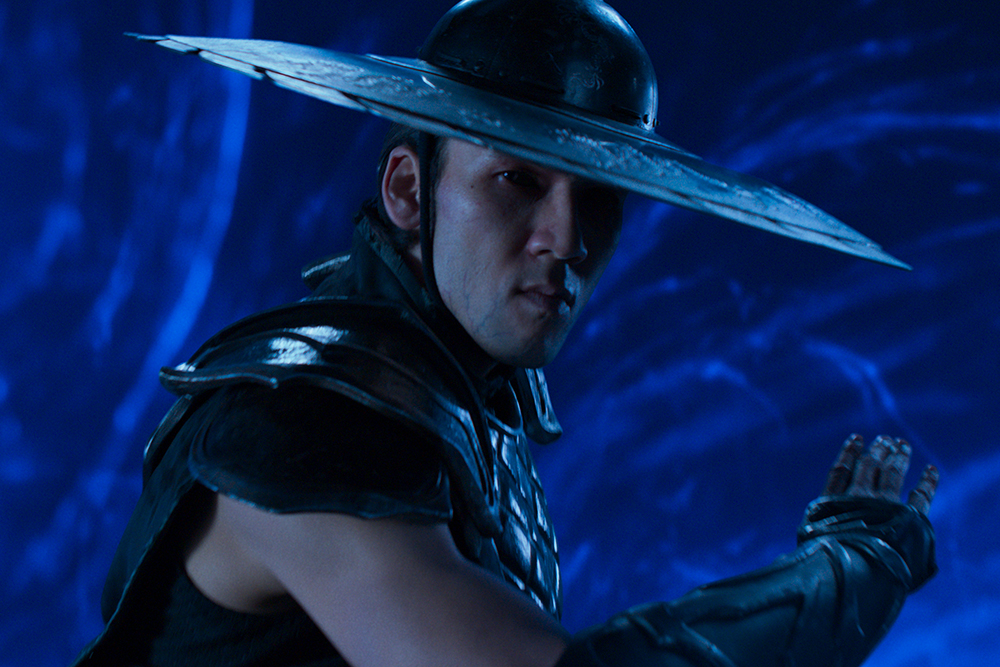
Synopsis :
The fan-favorite champions—now joined by Johnny Cage himself—face off in an ultimate, no-holds-barred tournament to try to overthrow the reign of Shao Kahn, a tyrant who threatens the very existence of Earthrealm and its supporters.
Mortal Kombat II
Directed by Simon McQuoid
Written by Jeremy Slater
Based on Mortal Kombat by Ed Boon, John Tobias
Produced by Todd Garner, James Wan, Toby Emmerich, E. Bennett Walsh, Simon McQuoid
Starring Karl Urban, Adeline Rudolph, Jessica McNamee, Josh Lawson, Ludi Lin, Mehcad Brooks, Tati Gabrielle, Lewis Tan, Damon Herriman, Chin Han, Tadanobu Asano, Joe Taslim, Hiroyuki Sanada
Cinematography : Stephen F. Windon
Edited by Stuart Levy
Music by Benjamin Wallfisch
Production companies : New Line Cinema, Atomic Monster, Broken Road Productions, Fireside Films
Distributed by Warner Bros. Pictures
Release date : May 6, 2026 (France), May 8, 2026 (United States)
Running time : 116 minutes
Photos : Copyright Warner Bros. Entertainment Inc. All Rights Reserved.