
 English
VideoGames - JAWS: Retro Edition – Limited Run Games revives the strange, stubborn NES shark hunt for the franchise’s 50th anniversary
By Mulder, 21 february 2026
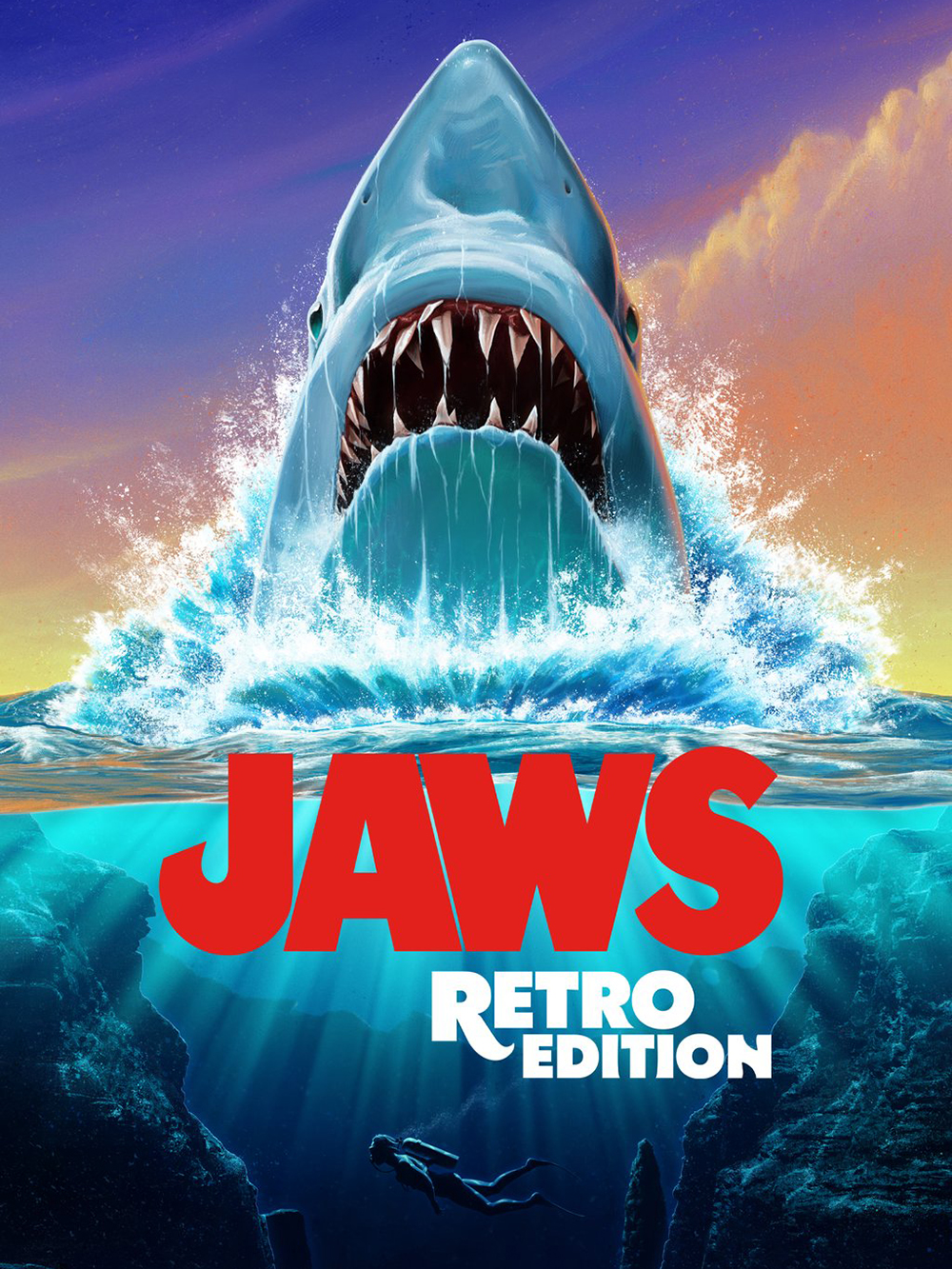
Fifty years after Steven Spielberg’s Jaws turned summer movies into a cultural event, the franchise is resurfacing in a place that’s basically built for nostalgia to bite hard: an NES cartridge oddity that people remember as much for its wait, why is it like this? design as for its license. JAWS: Retro Edition is now available digitally on Nintendo Switch, PlayStation 5, and PC (via Steam), with a listed release date of February 13, 2026 and a €14.99 price point on the European communication side of things, while the Nintendo eShop pages also lock that same February 13, 2026 date in place and confirm the modern publisher/developer credit for Limited Run Games.
What makes this rerelease more than“here’s the ROM is the very deliberate split between two experiences: a Retro Edition mode meant to preserve the 1987 NES game’s feel while adding modern safety nets, and an Enhanced Edition that tries to turn the original’s half-RPG, half-arcade DNA into something that actually breathes over multiple chapters. On the preservation side, Limited Run Games leans on its Carbon Engine tooling and adds the kind of quality-of-life options that instantly change how approachable an old, punitive licensed game feels—save-anywhere, rewind, achievements/trophies, a music player, and a gallery/museum component are all explicitly listed as part of the package. On the expansion side, Enhanced Edition is positioned as a massively extended campaign built with nods and homages to all four films, adding new quests and objectives, new abilities and weapons for both the boat and the diver, tougher enemies, and a deeper push into those “RPG roots” that were always weirdly present in the NES blueprint.

And that 1987 blueprint is worth revisiting, because it explains why this game has lived in that specific corner of pop culture where affection and confusion happily coexist. The original Jaws on NESpublished by LJN, produced in that era of Japanese collaboration with Atlus, and developed by Westone (often cited as uncredited) was loosely based on Jaws: The Revenge while still borrowing iconography from the first film, right down to the box-art/poster energy and the like it’s personal vibe that hung over the fourth movie’s marketing. It wasn’t a straightforward action game; it was a loop of overworld boating, random encounters, diving into side-view combat against sea life, collecting currency (conch shells), buying upgrades at ports, and repeatedly weakening the shark until the final, timing-heavy showdown. The core credits commonly associated with that NES release include programmer Michishito Ishizuka, artist Ryuichi Nishizawa, and composer Shinichi Sakamoto and yes, that title theme famously echoes John Williams score language enough to instantly read as Jaws even through an 8-bit filter.
Retro Edition mode, then, is basically an invitation to experience that historical artifact without the original hardware’s rough edges dictating your patience levelespecially when the design leans into old-school punishment (losing progress, getting kneecapped by random contact damage, and having the shark feel absurdly durable). The museum/music-player angle matters more than it sounds on paper, because it frames the rerelease as preservation rather than apology: you’re not being told the old game was secretly modern, you’re being given context and control so you can see what it tried to do. Meanwhile Enhanced Edition is where the rerelease makes its “new” argument, smoothing progression, widening the toolset, and adding structure so it feels less like you’re grinding shells because the NES demanded it and more like you’re pushing forward through a knowingly campy, franchise-aware hunt that keeps throwing new beats at you.

For collectors, Limited Run Games also did the very Limited Run Games thing of turning preservation into a physical-event product: the Standard Edition and the $99.99 “Bigger Boat Edition” were sold as open preorders for a limited window, with the store pages explicitly stating that preorders closed on Sunday, January 18, 2026 at 11:59 PM Eastern Time, and the Bigger Boat package listing extras like a soundtrack CD and a pixel-art lamp (plus additional goodies like an enamel pin and keychain). It’s delightfully on-brandhalf archiving, half shrine-building and it fits the wider reality that Jaws has always been more than a film: it started as Peter Benchley’s novel, became a landmark movie shaped by Steven Spielberg and the now-mythic musical identity of John Williams, then spread into sequels, attractions, and decades of tie-in merchandise where the highs and lows are part of the story. JAWS: Retro Edition doesn’t pretend the 1987 game suddenly becomes a modern action masterpiece; it wins by being honest about its age, careful about its preservation, and surprisingly ambitious about giving that old design a second life that feels playable in 2026.

Developers : Atlus
Publisher : LJN
Programmer : Michishito Ishizuka
Artist : Ryuichi Nishizawa
Composer Shinichi Sakamoto
Platform : NES
Release date : November 1987