
 English
Cerermony - Golden Globes 2026 : A Night of Renewal, Risks, and Redefinitions at the 83rd Golden Globe Awards
By Mulder, 12 january 2026
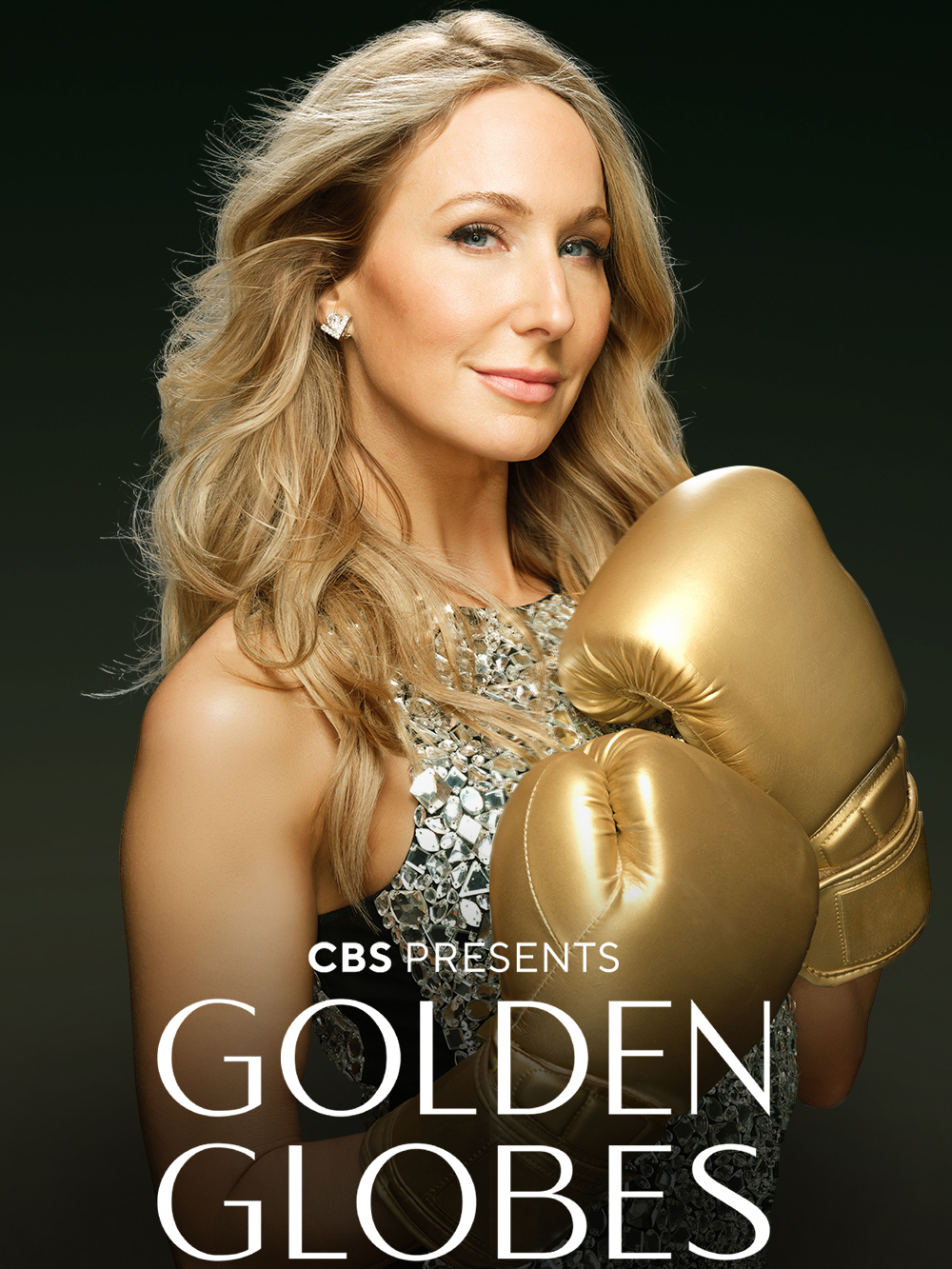
The 83rd Golden Globe Awards, held on January 11, 2026, at the Beverly Hilton and broadcast live on CBS while streaming simultaneously on Paramount+, felt like a ceremony consciously trying to redefine itself while still clinging to the glamour and chaos that have always made the Globes such a singular beast in awards season. Hosted for the second consecutive year by Nikki Glaser, whose sharp, unapologetic humor once again walked the tightrope between irreverence and affection for Hollywood, the evening honored the best in American film and television from 2025 while quietly signaling where the industry—and the Globes themselves—are headed. From the moment nominations were announced weeks earlier by Skye P. Marshall and Marlon Wayans, it was clear this would be a year defined by ambition and experimentation, with bold projects like One Battle After Another, Hamnet, Sinners, and The Secret Agent dominating conversations well before envelopes were opened. Being in the room, one could sense a palpable desire from the Golden Globes organization to reassert credibility after years of scrutiny, and the carefully staged balance between prestige, popular appeal, and inclusivity felt deliberate rather than accidental.
On the film side, the night unquestionably belonged to One Battle After Another, which entered the ceremony with a leading nine nominations and left with major wins including Best Motion Picture – Musical or Comedy, Best Director, and Best Screenplay for Paul Thomas Anderson, whose acceptance speeches blended dry wit with genuine gratitude, reinforcing his status as one of contemporary cinema’s most uncompromising auteurs. Hamnet secured Best Motion Picture – Drama, with Jessie Buckley delivering one of the evening’s most emotionally resonant speeches after winning Best Female Actor in a Motion Picture – Drama for her portrayal of Agnes Shakespeare, a performance that had already been whispered about in festival corridors for months. International cinema made a powerful statement as The Secret Agent won Best Motion Picture – Non-English Language, with Wagner Moura taking Best Male Actor in a Motion Picture – Drama for his layered, identity-fractured role, a win that was met with a standing ovation that felt both celebratory and political in its embrace of global storytelling. Animation also had its moment with KPop Demon Hunters winning Best Motion Picture – Animated and Best Original Song for “Golden,” composed by Ejae, Mark Sonnenblick, Ido, 24, and Teddy, a victory that underscored how animation continues to evolve beyond traditional Western paradigms. Meanwhile, Sinners proved its dual appeal by winning both Best Original Score for Ludwig Göransson—despite the controversial decision to cut the award from the televised broadcast—and the Cinematic and Box Office Achievement award, a move that reignited debates about how commercial success should be valued alongside artistic merit, especially after Hans Zimmer publicly criticized the handling of the score category as “ignorant,” a comment that echoed loudly across social media.
Television, however, may have delivered the night’s most quietly confident victories, with HBO Max’s The Pitt winning Best Television Series – Drama and Noah Wyle taking Best Male Actor in a Television Series – Drama for a performance that many industry veterans described off-camera as his finest work in decades. Apple TV’s The Studio emerged as a critical darling, winning Best Television Series – Musical or Comedy and Best Male Actor in a Television Series – Musical or Comedy for Seth Rogen, whose self-referential portrayal of a Hollywood executive felt especially on-point in a room full of real-life counterparts. Netflix’s Adolescence dominated the limited series categories, winning Best Limited Series and acting awards for Stephen Graham, Owen Cooper, and Erin Doherty, confirming its status as one of the platform’s most impactful dramatic achievements. Stand-up comedy also claimed a spotlight with Ricky Gervais winning Best Performance in Stand-Up Comedy on Television for Ricky Gervais: Mortality, a reminder that even as formats change, the Golden Globes still relish a bit of provocation. And hovering above it all was the introduction of the Best Podcast category, a historic first that initially sparked controversy but ultimately crowned Good Hang with Amy Poehler as its inaugural winner, with Amy Poehler’s win symbolizing a cautious but meaningful expansion of what the Globes now consider part of the entertainment ecosystem, as emphasized by Golden Globes president Helen Hoehne in her remarks about creativity and diversity in modern media.
Beyond competitive awards, the ceremony’s emotional core arrived earlier in the week during the “Golden Eve” primetime special, where Helen Mirren received the Cecil B. DeMille Award, presented by Harrison Ford with a surprise appearance from Viola Davis, and Sarah Jessica Parker was honored with the Carol Burnett Award alongside Ted Danson, moments that felt refreshingly unhurried compared to the main telecast’s time constraints. These tributes, contrasted with the controversial trimming of certain categories during the live broadcast, encapsulated the contradictions of the 83rd Golden Globe Awards: a ceremony striving for relevance, inclusivity, and spectacle, sometimes stumbling but undeniably alive. Walking away from this year’s Globes, the dominant impression was not just of who won, but of an institution actively reshaping itself in real time—awkward edges, bold experiments, and all—reminding us that the Golden Globes remain, for better or worse, one of Hollywood’s most revealing mirrors.
Best Motion Picture – Drama
Hamnet
Best Motion Picture – Musical or Comedy
One Battle After Another
Best Motion Picture – Animated
KPop Demon Hunters
Best Motion Picture – Non-English Language
The Secret Agent (Brazil)
Best Male Actor in a Motion Picture – Drama
Wagner Moura – The Secret Agent as Marcelo Alves / Armando Solimões / Fernando Solimões
Best Female Actor in a Motion Picture – Drama
Jessie Buckley – Hamnet as Agnes Shakespeare
Best Male Actor in a Motion Picture – Musical or Comedy
Timothée Chalamet – Marty Supreme as Marty Mauser
Best Female Actor in a Motion Picture – Musical or Comedy
Rose Byrne – If I Had Legs I'd Kick You as Linda
Best Supporting Male Actor in a Motion Picture
Stellan Skarsgård – Sentimental Value as Gustav Borg
Best Supporting Female Actor in a Motion Picture
Teyana Taylor – One Battle After Another as Perfidia Beverly Hills
Best Director
Paul Thomas Anderson – One Battle After Another
Best Screenplay
Paul Thomas Anderson – One Battle After Another
Best Original Score
Ludwig Göransson – Sinners
Cinematic and Box Office Achievement
Sinners
Best Original Song
"Golden" (Ejae, Mark Sonnenblick, Ido, 24, and Teddy) – KPop Demon Hunters
Honorary award recipient
Cecil B. DeMille Award: Helen Mirren
Best Television Series – Drama
The Pitt (HBO Max)
Best Television Series – Musical or Comedy
The Studio (Apple TV)
Best Limited Series, Anthology Series, or Motion Picture Made for Television
Adolescence (Netflix)
Best Performance in Stand-Up Comedy on Television
Ricky Gervais – Ricky Gervais: Mortality (Netflix)
Best Male Actor in a Television Series – Drama
Noah Wyle – The Pitt as Dr. Michael "Robby" Robinavitch (HBO Max)
Best Female Actor in a Television Series – Drama
Rhea Seehorn – Pluribus as Carol Sturka (Apple TV)
Best Male Actor in a Television Series – Musical or Comedy
Seth Rogen – The Studio as Matt Remick (Apple TV)
Best Female Actor in a Television Series – Musical or Comedy
Jean Smart – Hacks as Deborah Vance (HBO Max)
Best Male Actor in a Limited Series, Anthology Series, or Motion Picture Made for Television
Stephen Graham – Adolescence as Eddie Miller (Netflix)
Best Female Actor in a Limited Series, Anthology Series, or Motion Picture Made for Television
Michelle Williams – Dying for Sex as Molly Kochan (FX on Hulu)
Best Supporting Male Actor on Television
Owen Cooper – Adolescence as Jamie Miller (Netflix)
Best Supporting Female Actor on Television
Erin Doherty – Adolescence as Briony Ariston (Netflix)
Honorary award recipient
Carol Burnett Award: Sarah Jessica Parker