 English
Netflix - Emily in Paris Season 5 Review: Rome Wasn’t Built in a Day, But Emily Tries Anyway
By Mulder, 18 december 2025
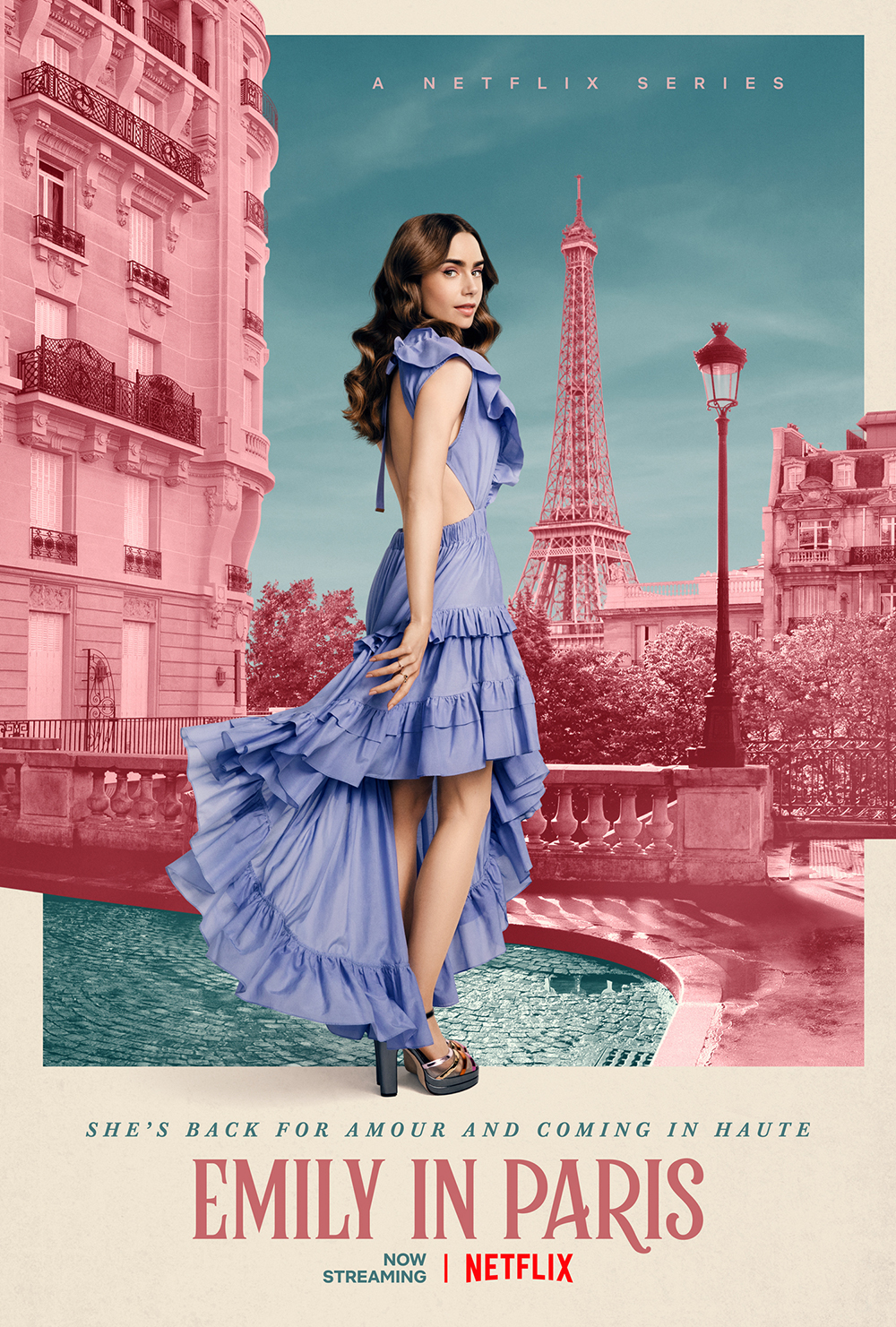
Season 5 arrives with a wink and a big suitcase: Emily in Paris is technically still Emily in Paris, but it's also very clearly Emily in Rome, and honestly, this identity crisis is kind of the point. The series has never been about geographical consistency, but rather a mood board that accidentally learned to talk. This year, the mood board trades the glamour of Parisian postcards for that of Roman vacations without changing the recipe: high heels on cobblestones, glamorous photos of the skyline that look like a tourism ad with better lighting, and the familiar feeling that real life is happening somewhere off-screen while this universe continues to float two inches above the ground. It's precisely this floating quality that makes it still work when it works: the season understands that this is an adrenaline rush, leans into the absurdity, and then, surprisingly, uses the move to give its heroine a little more interiority than we're used to.
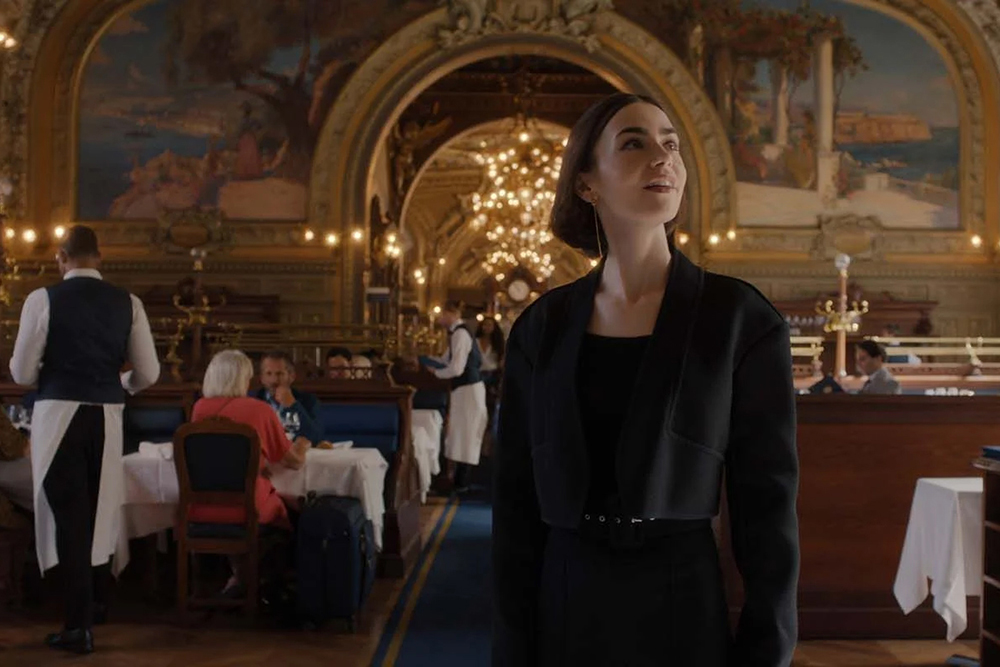
Lily Collins plays Emily Cooper with a calmer, more mature energy that seems intentionally sought after, and the visual shortcut is the haircut: the sharp bob isn't just a makeover, it's a statement of principle. In the early episodes, you can almost feel the series testing out a new version of Emily, still enthusiastic, still relentlessly solution-oriented, but no longer magically rewarded for every impulsive proposal. There's a really funny moment early on when a meeting goes wrong and Emily's usual rescue doesn't work; it's the season saying to the audience: Yes, we know the formula, and yes, we're shaking it up. The change pays off, because Emily finally looks like someone who has the right to be wrong, to be thrown off balance, defensive, and quietly embarrassed. Instead of resetting everything, the season leaves her in this uncomfortable situation. The result is a protagonist who remains very present but less smug and untouchable, making the comedy warmer and the stakes more human.
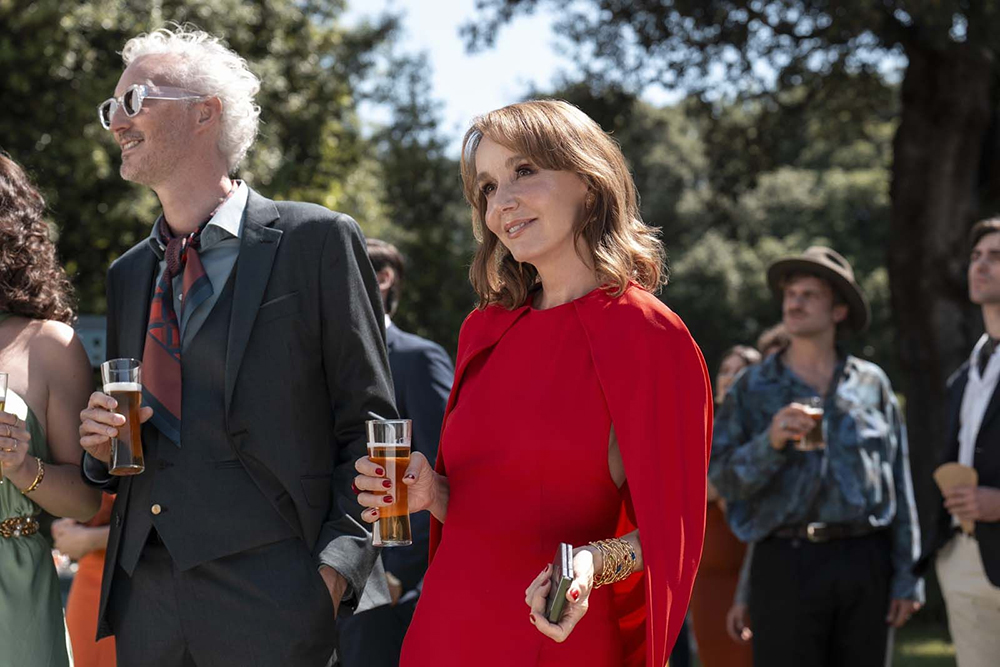
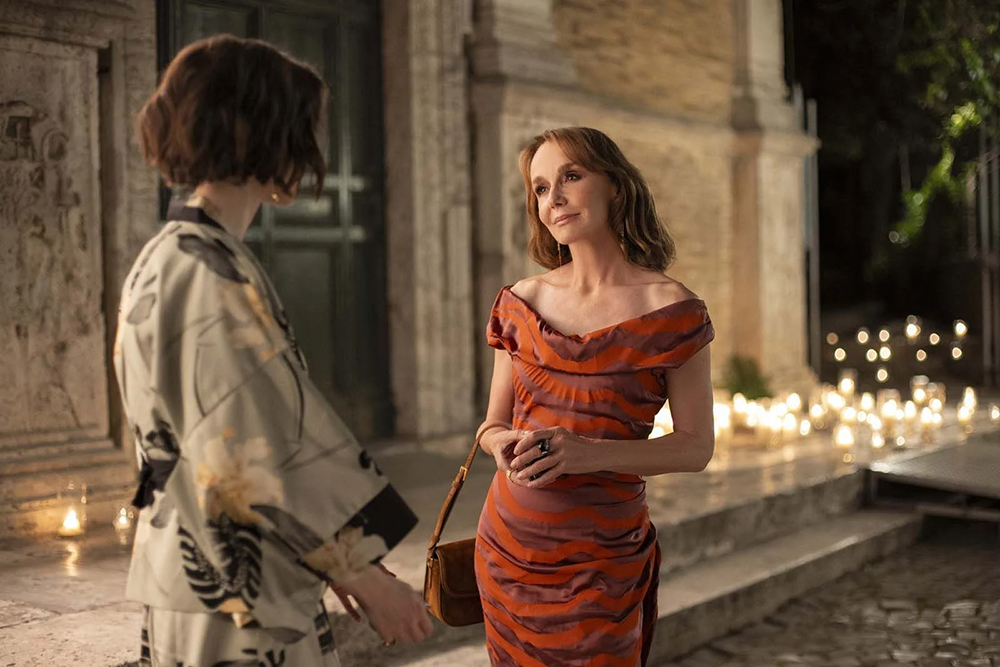
The Rome branch of the Grateau Agency is the driving force behind most of the season's twists and turns, and the chaos within the company remains delightfully whimsical: brand image crises, flattery of clients' egos, “brilliant” ideas that belong only on a brainstorming whiteboard and nowhere else, and the constant temptation to mix work and pleasure until they become inseparable. Philippine Leroy-Beaulieu continues to be the series' secret weapon in the role of Sylvie Grateau (always chic, always terribly composed, always capable of turning a simple glance into an HR violation), but what's new this season is that she is used not only as Emily's boss, but also as a mirror. There are scenes where Sylvie's competence feels more like armor than arrogance, and when the series focuses on her female friendships and past relationships, it's more captivating than any of her romantic adventures. The power dynamic between Emily and Sylvie has matured into something more akin to a partnership, and watching Lily Collins and Philippine Leroy-Beaulieu argue, get along, and sometimes disappoint each other is arguably the strongest relationship arc in the series right now.
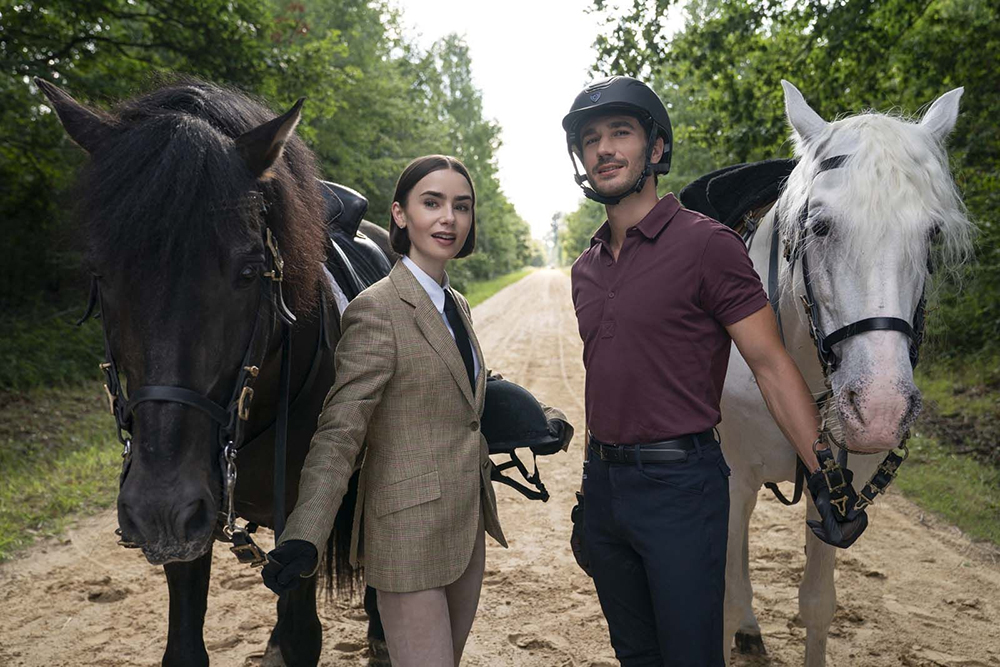
Of course, romance is still omnipresent, sometimes like truffle shavings, sometimes like a perfume that has been left in the sun too long. Eugenio Franceschini, in the role of Marcello Muratori, is presented as the improved version of la dolce vita: handsome, privileged, connected to traditional fashion, and surrounded by family expectations that create conflict without ever becoming truly burdensome. The season clearly wants this relationship to give the impression that Emily is choosing a different pace of life, but the chemistry can be uneven depending on the episode; when it's playful, it works, and when it's supposed to be steamy, it feels like the series is trying too hard rather than deserving its success. Meanwhile, Lucas Bravo is used more sparingly in the role of Gabriel, which is a good thing: the series finally lets go of the exhausting love triangle mechanism and allows him to exist as a person rather than as a plot device who appears whenever Emily needs emotional turmoil. Even with less screen time, the finale leaves the door open in the most Emily in Paris way possible, not with deep emotional soul-searching, but with the vague outline of future chaos.
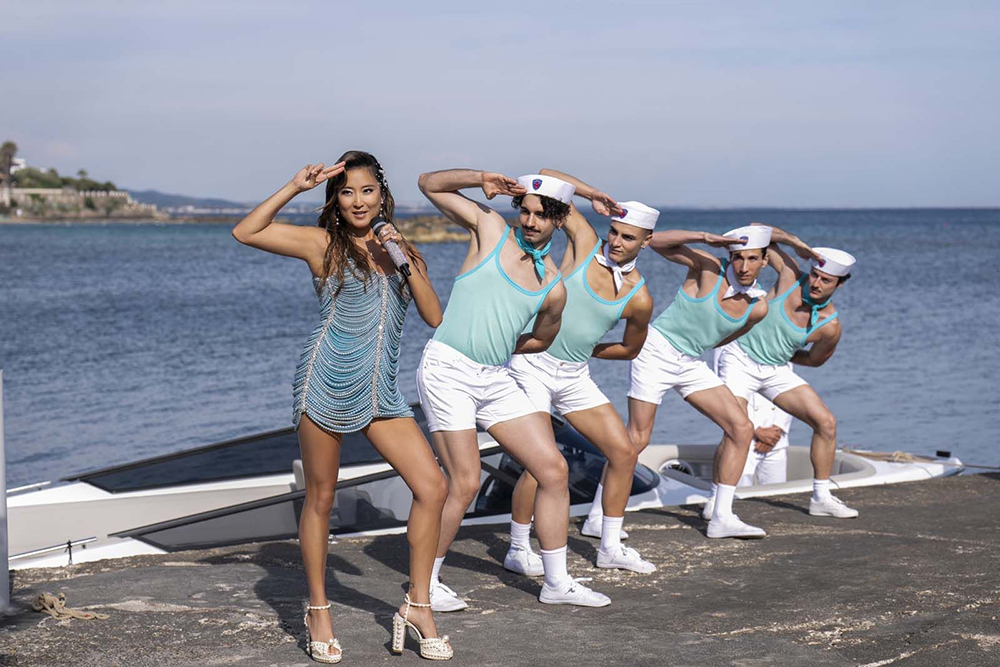
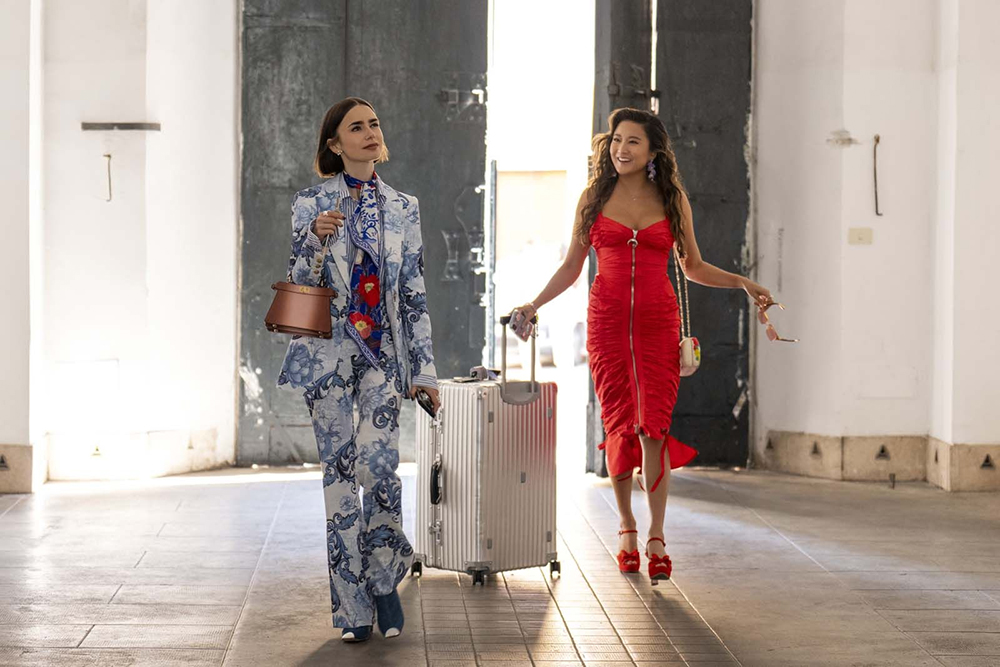
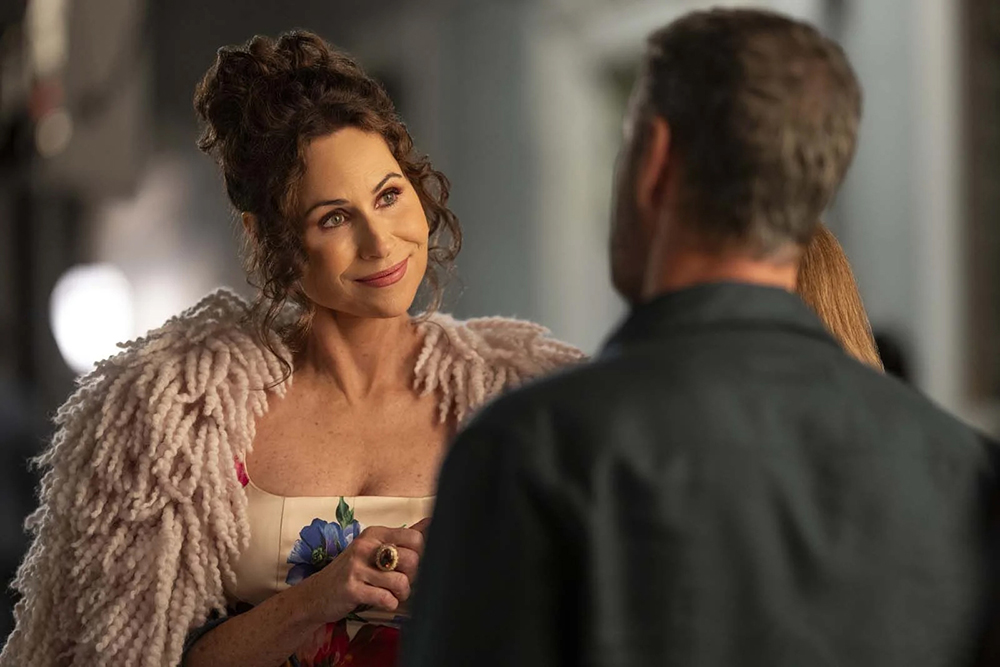
The supporting roles remain mixed, but when they're successful, they're really successful. Ashley Park, as Mindy Chen, remains pure charisma, the friend who can convince you of the reality of the series even when the story follows a dreamlike logic, and the season cleverly deepens the bond between Emily and Mindy by making it complicated rather than cute. That said, Mindy's romantic detours (especially those involving Lucien Laviscount) sometimes feel like the writers are giving the characters “something to do” rather than something that flows naturally from their personalities, and the series sometimes confuses movement with progression. Bruno Gouery remains invaluable as Luc, the living embodiment of a bad idea presented with confidence, while Samuel Arnold, as Julien, always deserves more than the role of elegant commentator, because every time the camera gives him space, we sense the smarter, sharper version of this series that could exist if it wanted to. And then there's the most delightful injection of chaos of the season: Minnie Driver arrives and instantly understands the mission, playing the energy of an exuberant socialite with a self-aware sparkle that makes the series funnier just by her proximity.
Season 5 also reinforces the meta-advertising vibe (fashion as story, brands as punchlines, lifestyle as selling point), and it's hard not to notice how often the world of the series treats human relationships as disguised networking opportunities. The clothes remain an armed fantasy (the Marylin Fitoussi aesthetic is now practically a franchise in its own right), and the camera's obsession with food, hotels, and perfect sets can be both intoxicating and numbing, depending on your tolerance for aggressive escapism. There are musical moments that make it seem like the series is mocking itself, notably the particularly surprising use of Sabrina Carpenter's “Espresso,” which feels less like a character's expression and more like a hyper-refined sleight of hand—which, to be fair, fits perfectly with the series' universe. Yet when the season features a marketing moment that backfires because someone tried too hard to achieve the perfect image, it comes across as a rare example of the series acknowledging that its impulse to pursue glamour has consequences, even if it delivers this lesson with a smile and a designer bag in the foreground.
What I take away from this is that Season 5 isn't “prestigious,” it doesn't try to be, and its best episodes are the ones that stop pretending that spectacle is substance and instead let spectacle frame a small truth. Emily's move to Rome is a reset that actually works: it refreshes the setting, changes the social rhythms, and forces Emily Cooper to face the fact that always having the answer is not the same as knowing who you are. The series remains ridiculous, saturated with brands, with a sometimes thin storyline, but it's also the most comfortably self-aware version in a long time, and the cast, particularly Lily Collins and Philippine Leroy-Beaulieu, is solid enough to make the fluff go down easily, even when you see the bubbles.
Synopsis :
Now the head of Agence Grateau Rome, Emily faces professional and romantic challenges as she adapts to life in a new city. But just as everything falls into place, a work idea backfires, and the fallout cascades into heartbreak and career setbacks. Seeking stability, Emily leans into her French lifestyle, until a big secret threatens one of her closest relationships. Tackling conflict with honesty, Emily emerges with deeper connections, renewed clarity, and a readiness to embrace new possibilities.
Emily in Paris
Created by Darren Star
Starring Lily Collins, Philippine Leroy-Beaulieu, Ashley Park, Lucas Bravo, Samuel Arnold, Bruno Gouery, Camille Razat, William Abadie, Lucien Laviscount
Theme music composer : James Newton Howard
Composers : Chris Alan Lee, Gabriel Mann
Executive producers : Andrew Fleming, Tony Hernandez, Lilly Burns, Darren Star, Robin Schiff, Alison Brown
Producers : Stephen Joel Brown, Shihan Fey, Jake Fuller, Lily Collins, Raphaël Benoliel, Joe Murphy, Ryan McCormick, Joshua Levy & Prathi Srinivasan
Cinematography : Steven Fierberg, Alexander Gruszynski, Stéphane Bourgoin, Seamus Tierney, Jendra Jarnagin
Editors : Alex Minnick, Laura Weinberg, Jesse Gordon, John Rafanelli, Brian Ray, Veronica Rutledge, Jon Higgins, Rachel Ambelang, Elizabeth Merrick, Dylan Eckman
Production companies : Darren Star Productions, Jax Media, MTV Entertainment Studios
Network : Netflix
Release October 2, 2020 –Present
Running time : 24–46 minutes
Photos : Copyright Netflix
Score : 4/5