
 English
HBO max - Belphegor : The Iconic Phantom Reawakens in a Modern, Ambitious HBO Max and Pathé Event Series
By Mulder, 19 november 2025

Sixty years after its first spectral grip on French pop culture, Belphégor emerges from the shadows with a bold new incarnation that feels both like a respectful resurrection and a cinematic reinvention. The new four-episode miniseries, produced by Pathé in association with HBO Max and M6, dives straight into the myth’s deep well of mystery while injecting a distinctly contemporary sensibility. What immediately strikes you, even before diving into the dense narrative layers, is the sheer ambition of this project. Shot in the beating heart of Paris and inside the Louvre itself—a location that remains as intimidating as it is majestic—the series uses its setting almost like a living character. Wandering those corridors in the middle of the night, the team told journalists during early press notes, felt like straddling a line between documentary realism and pure phantasmagoria, with crew members joking about hearing the phantom’s footsteps echoing long after wrap. Whether or not the museum’s marble halls hold onto the energy of past shoots, the atmosphere created here is nothing short of magnetic.
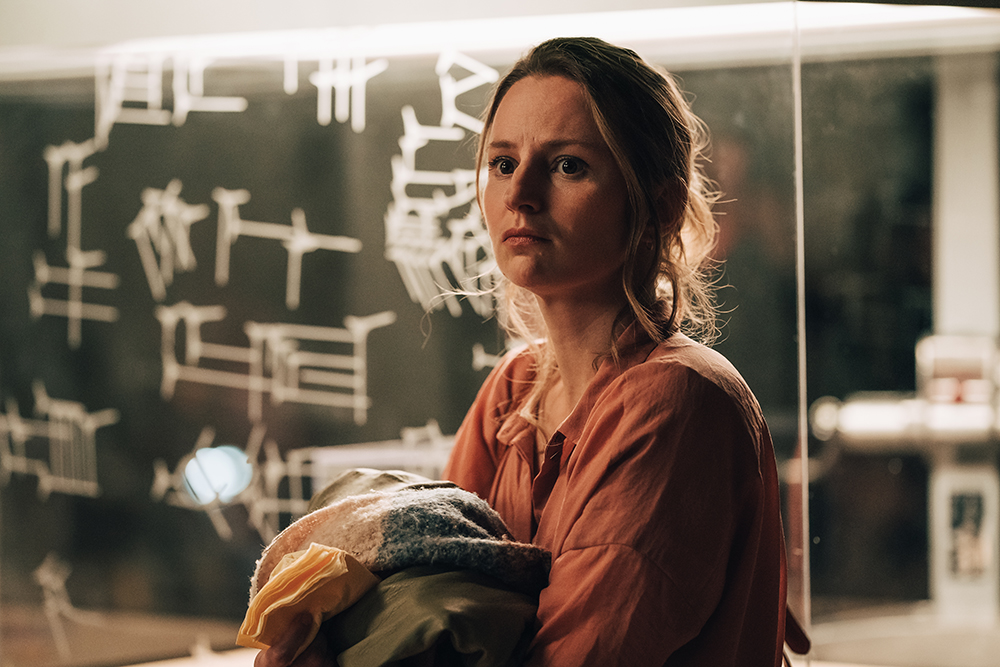
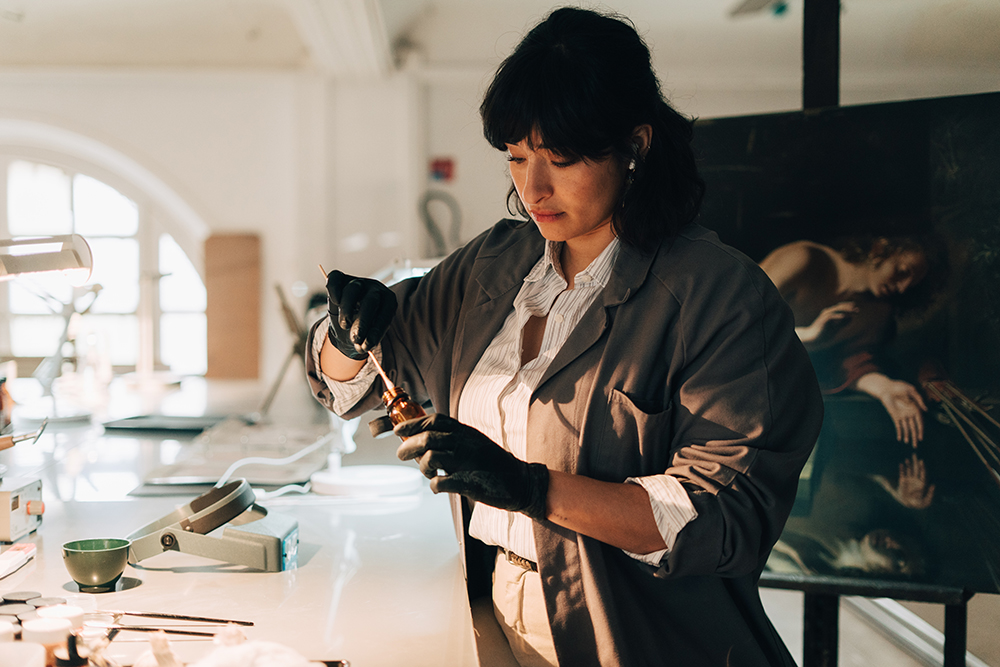
At the core of this supernatural thriller is Hafsa Moreau, played with intensity and vulnerability by Shirine Boutella, whose performance anchors the entire narrative. Hafsa is introduced as a gifted art restorer newly hired at the Louvre—a dream job that quickly curdles into dread the moment she encounters an ancient Mesopotamian mask representing the storm god “Baal Phégor,” also known as “Belphégor.” From this encounter spirals a series of inexplicable disappearances, fragmented memories, and the creeping suspicion that Hafsa herself may be tied to forces far beyond her control. Early footage shown at festival previews, including a striking scene featured in the teaser trailer, shows Hafsa frozen before the mask as the lights around her glitch and flicker—a moment that beautifully merges psychological tension with supernatural awe. What gives the character her strength, however, is not just her intellect or resilience, but the emotional scars she carries. The writing team—Nils Antoine Sambuc, Thomas Mansuy, and Mathieu Leblanc—lean into this duality and craft a heroine who must fight not only those chasing her, but also the ghosts within her own fractured memory.
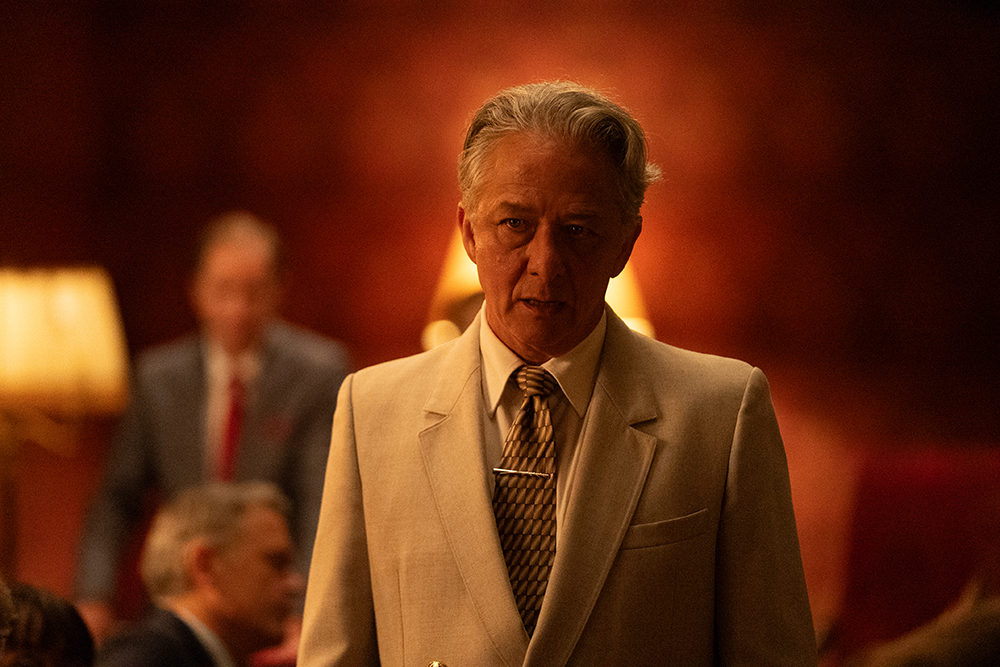
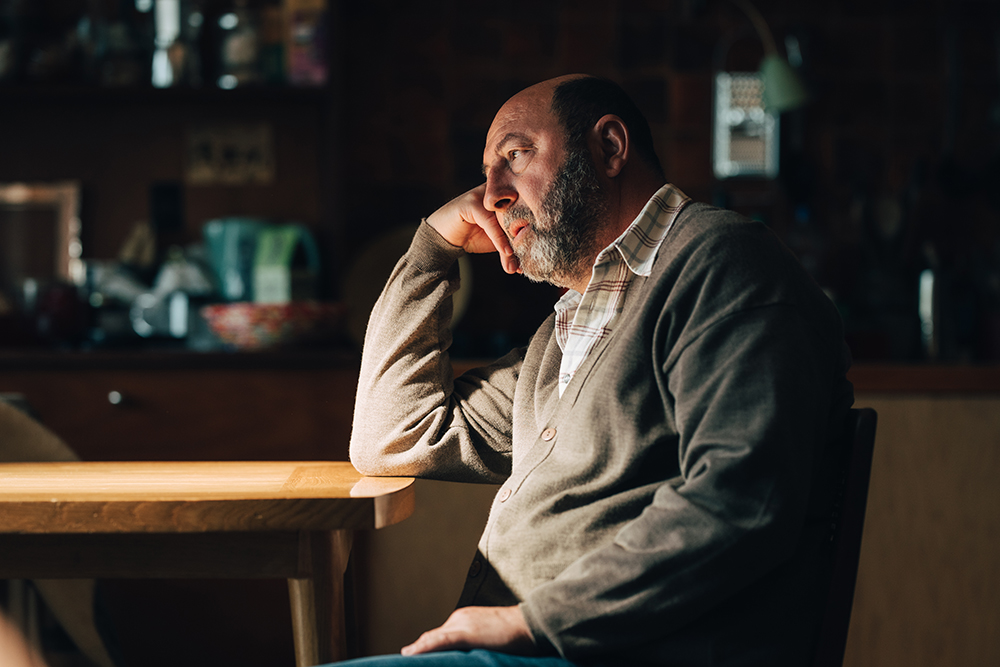
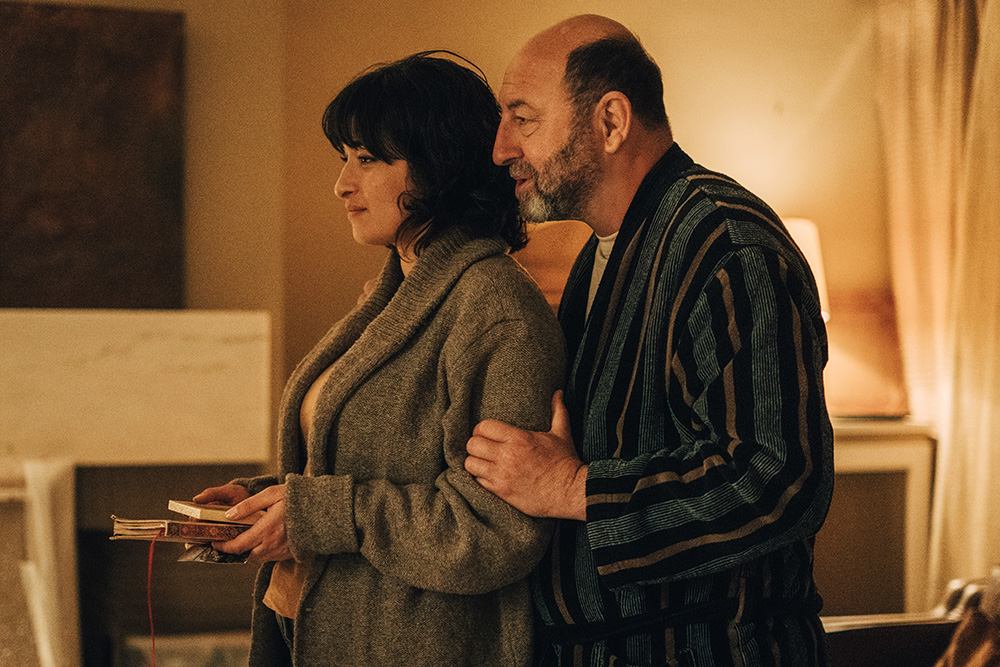
Surrounding Shirine Boutella is an ensemble cast that gives the series its depth and texture. Vincent Elbaz embodies Joseph Bellegarde with a sharp, anxious energy, while Aure Atika’s Élise Wagner offers a more enigmatic presence, leaving viewers guessing about her true motives. Tiphaine Daviot, Nicolas Briançon, Bellamine Abdelmalek, Kevin Garnichat, and Laurent Bateau each bring distinct shades to the investigation’s twists and turns, portraying figures who are simultaneously allies, obstacles, or mysteries waiting to unravel. The participation of Kad Merad as Charles Moreau adds gravitas and emotional grounding, especially in scenes that explore Hafsa’s past. According to early production anecdotes, several cast members confessed to feeling “watched” during late-night scenes shot near the Egyptian Antiquities wing—an eerie sensation that ended up fueling the actors’ performances with surprising authenticity.
Behind the camera, the vision of director Jérémy Mainguy shapes the series into an elegant blend of psychological thriller, modern mythology, and Parisian noir. His collaboration with cinematographer Tristan Tortuyaux gives Belphégor a visual language rooted in shadows, reflections, and the contrast between the Louvre’s grandeur and the intimate anguish of Hafsa’s journey. The editing by Bertrand Nail amplifies the pacing and tension, while composer Audrey Ismaël crafts a soundscape that mixes ritualistic echoes with melancholic strings, creating an auditory identity as haunting as the phantom itself. Producer Aude Albano, head of Pathé’s series division, emphasized in the press notes just how symbolic this project is: the very first large-scale series produced under the newly structured Pathé label. For her, Belphégor is more than a genre piece—it's a cultural milestone, reviving a French myth through the lens of prestige television while remaining accessible to a wide international audience thanks to HBO Max.
The series also benefits from its selection at the 2025 La Rochelle Fiction Festival in the “Fiction Events” category, where industry insiders praised not only the boldness of the adaptation but the meticulous attention given to honoring Arthur Bernède’s original novel. Yet, this is no mere retelling. The writers have chosen to reinterpret Belphégor not as a ghost haunting museum corridors, but as a symbol of power, memory, and identity. Modern audiences are invited to question the boundaries between myth and reality, especially when ancient artifacts serve as mirrors to personal trauma. The thematic blend of archaeology, psychological fragmentation, and mythological dread turns the narrative into something far richer than a simple thriller. It’s an exploration of the stories we inherit, the secrets institutions bury, and the ways the past refuses to remain buried.
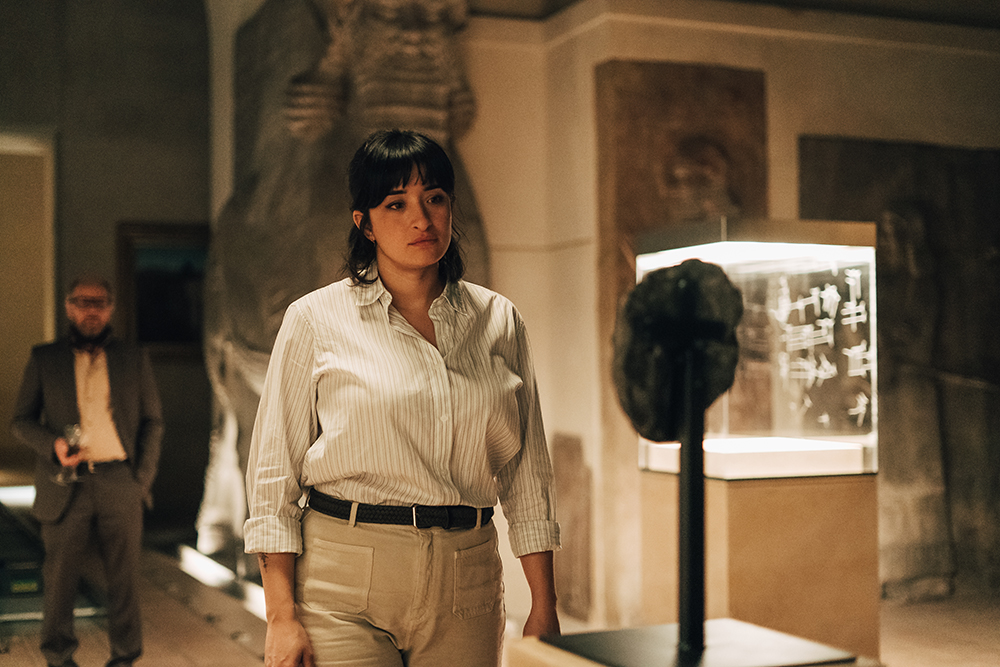
Filmed between March 18 and May 16, 2025, both in Paris and the surrounding region, the production used real museum spaces far more extensively than previous adaptations. According to the production team, certain sequences required negotiating nighttime access to parts of the Louvre rarely filmed, and one particularly difficult tracking shot through the Richelieu wing took nearly eight hours to perfect because of the reflective surfaces and humidity constraints. These challenges paid off, allowing the project to capture the Louvre’s atmosphere with an authenticity that previous incarnations—no matter how iconic—never fully achieved. It feels like the walls themselves speak, and at times, they seem to whisper Hafsa’s name.
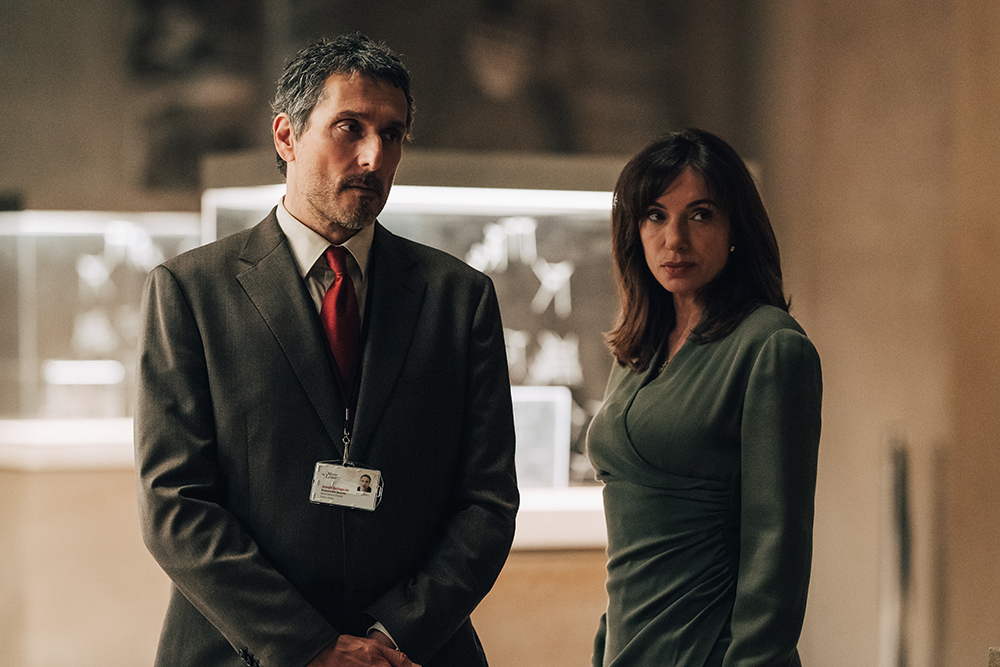
In its new incarnation, Belphégor becomes more than a supernatural myth: it becomes a story of identity, trauma, and the price of truth. Hafsa’s spiraling journey forces her to confront a thousand-year-old echo that intertwines with her own life in ways she never expected. The series blends investigation, intimate drama, and supernatural forces with equal elegance, crafting a tense, emotional, and visually striking miniseries. When Belphégor arrives on HBO Max on December 11, 2025, before airing on M6 and M6+ in 2026, it will not just reintroduce a French legend—it will transform it for a new generation. Through its striking cast, meticulous production, and bold cinematic vision, this new adaptation ensures that Belphégor isn't merely returning from the shadows. It is reclaiming its throne.
Synopsis :
Hafsa, a talented art restorer newly hired at the Louvre, is plunged into chaos when she comes face to face with a thousand-year-old mask of the storm god “Belphégor.” Suddenly involved in a series of inexplicable disappearances, a race against time begins for her. To uncover the truth, Hafsa will have to fight against those who are hunting her... and against her own ghosts.
Belphégor
Directed by Jérémy Mainguy
Written by Nils Antoine Sambuc, Thomas Mansuy et Mathieu Leblanc
Produced by Aude Albano
Starring Shirine Boutella, Vincent Elbaz, Aure Atika, Tiphaine Daviot, Nicolas Briançon, Bellamine Abdelmalek, Kevin Garnichat, Laurent Bateau, Kad Merad
Cinematography : Tristan Tortuyaux
Edited by Bertrand Nail
Music by Audrey Ismaël
Production companies : Pathé, M6 et HBO Max
Distributed by Pathé, M6 et HBO Max
Release dates :
Running time : 4 X 52 minutes
Photos : Copyright Pathé series - HBO Max - M6