
 English
HBO max - The Seduction: a spellbinding reimagining of Dangerous Liaisons that electrifies the 18th century
By Mulder, 12 november 2025
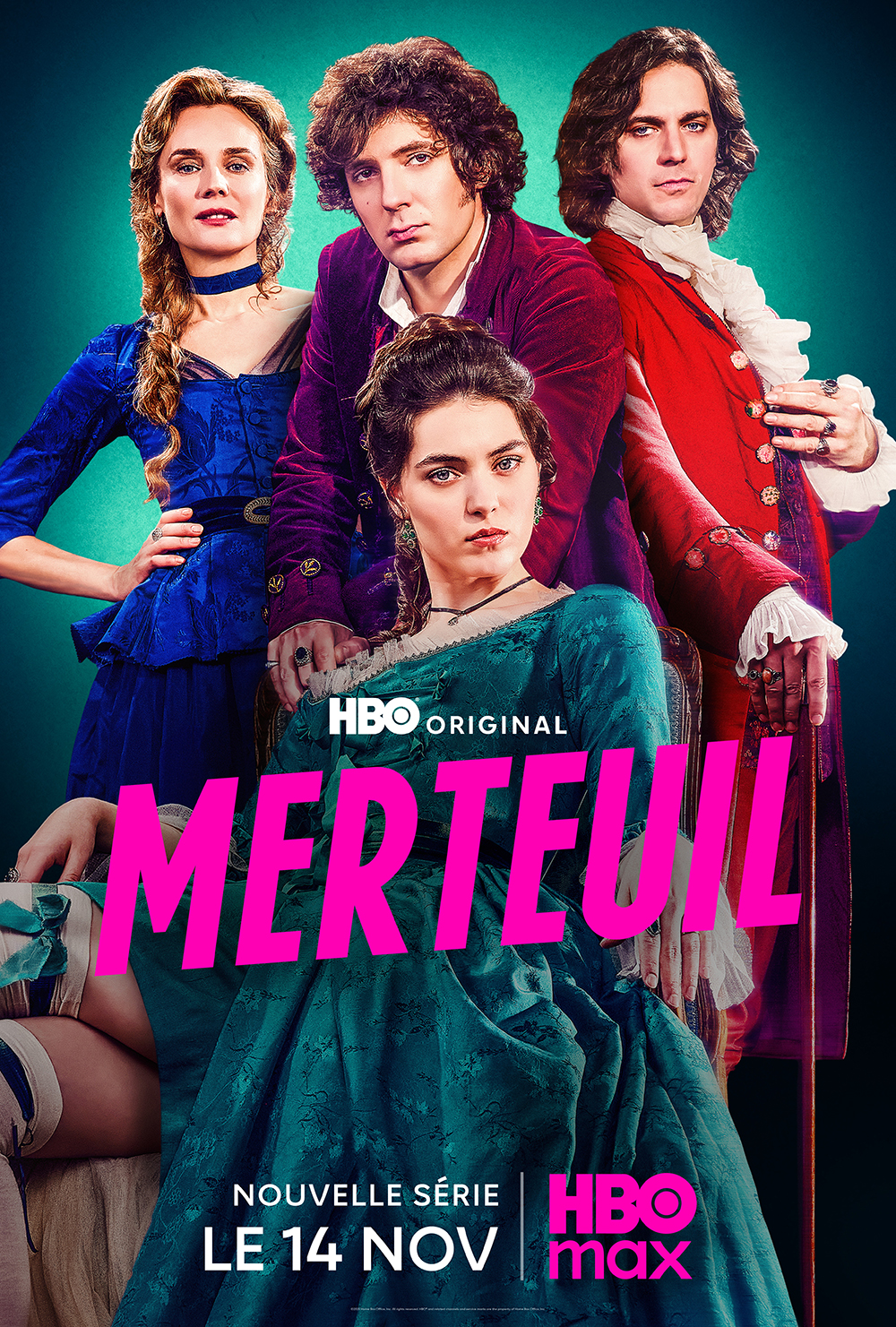
There is something deliciously subversive about The Seduction, this ambitious HBO and HBO Max production directed by Jessica Palud and written by Jean-Baptiste Delafon, which dares to delve even deeper into the shadows and light of a character who has continued to fascinate readers and film lovers since the publication of Pierre Choderlos de Laclos' novel in 1782. From the very first images—six 52-minute episodes of rare intensity—the series asserts itself as a work that not only revisits Les Liaisons dangereuses but also fills a void: telling the story of how Isabelle Dassonville, a naive young orphan, becomes the formidable Marquise de Merteuil. Through a sexy, pop and resolutely modern approach, the series takes on a strong female perspective that overturns the traditional visual and narrative codes of the 18th century. Producers Clément Birnbaum, Joachim Nahum, and Marie Guillaumond champion a bold vision in which aristocratic intrigues are imbued with an intense romanticism, enhanced by Sébastien Buchmann's cinematography, editing by Eric Armbruster, Thomas Marchand, and Camille Toubkis, and atmospheric music by Delphine Malausséna. It's a show of strength that reminds us how well HBO knows how to transform historical narratives into totalizing fictions.
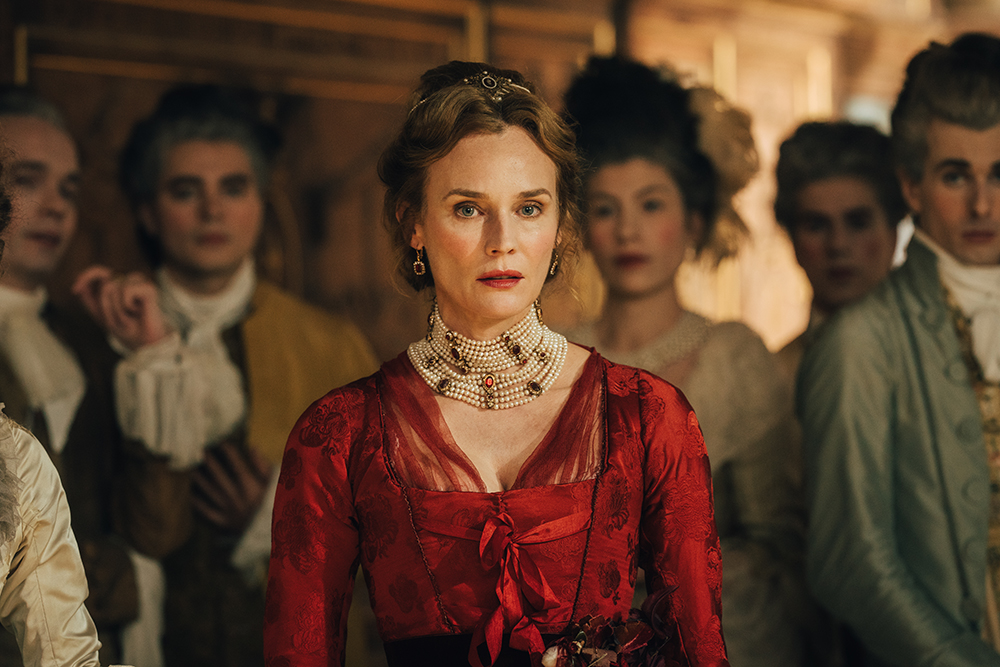
It quickly becomes clear that with Anamaria Vartolomei, the series has found not only its heroine, but also its emotional driving force. The actress plays Isabelle with an intensity that is all the more striking because she literally builds the myth. Her hesitant first steps in a libertine Paris with its deceptive splendor, her brutal discovery of male power through the betrayal of the Vicomte de Valmont, played with panache by Vincent Lacoste, outline a character forged in pain, cunning, and ambition. Jessica Palud, who knows her actress's strengths perfectly, accompanies her in a subtle shift: darker dresses, harder looks, more confident gestures. A true work of metamorphosis conceived from the very beginning of the project, which the director describes as an 18th-century “revenge movie,” tinged with a tragic and deeply feminist dimension. The series embraces this choice wholeheartedly and asserts it in the incredibly finely crafted dialogue by Jean-Baptiste Delafon, who succeeds in writing a “fake real French” of formidable sophistication, both accessible and raw, almost theatrical, without ever sinking into a static reconstruction.
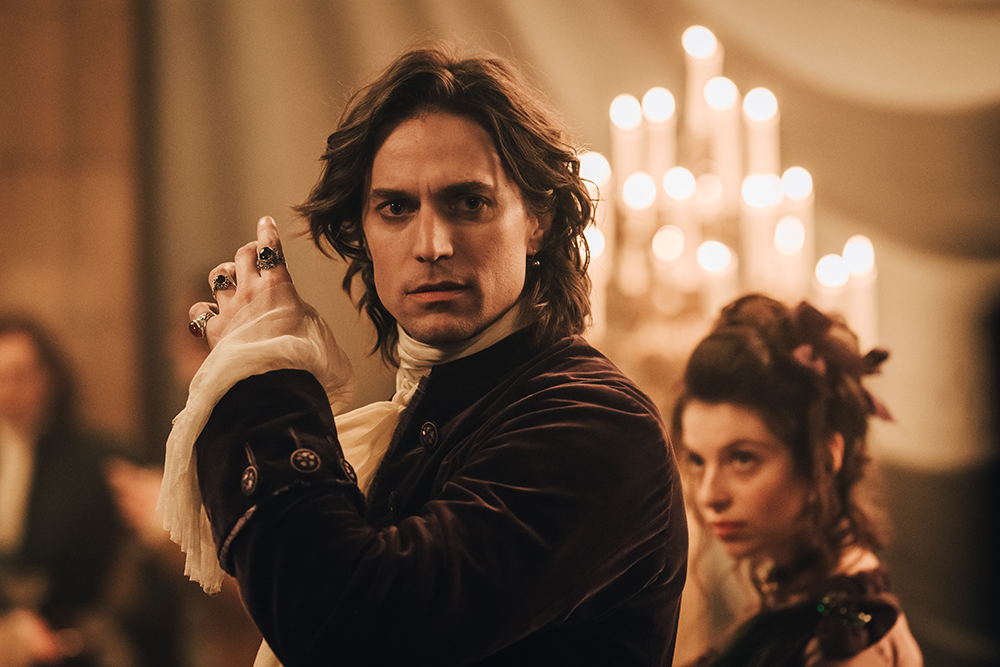
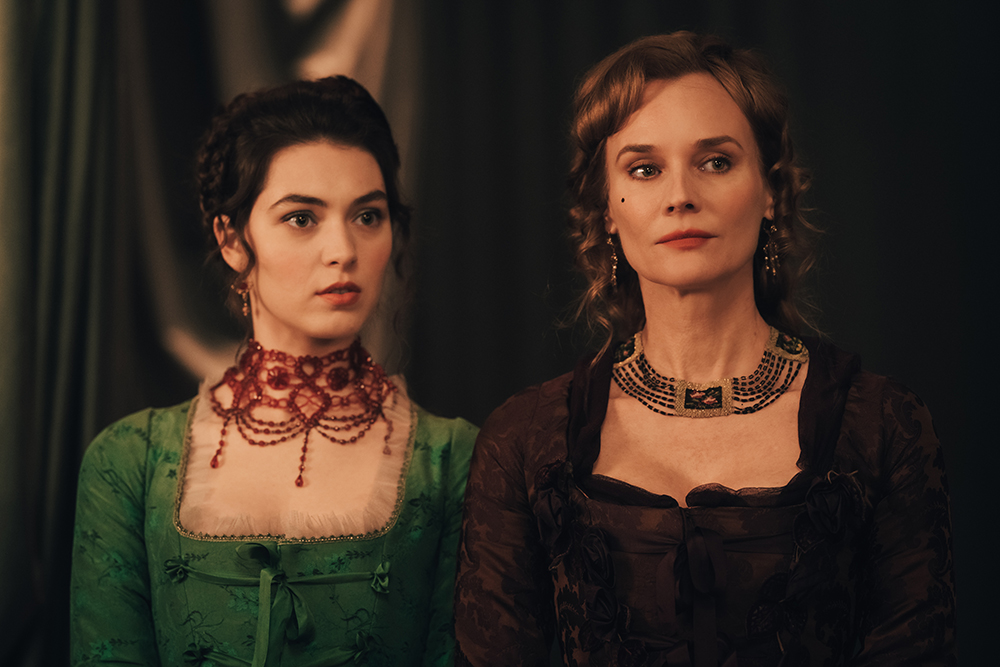
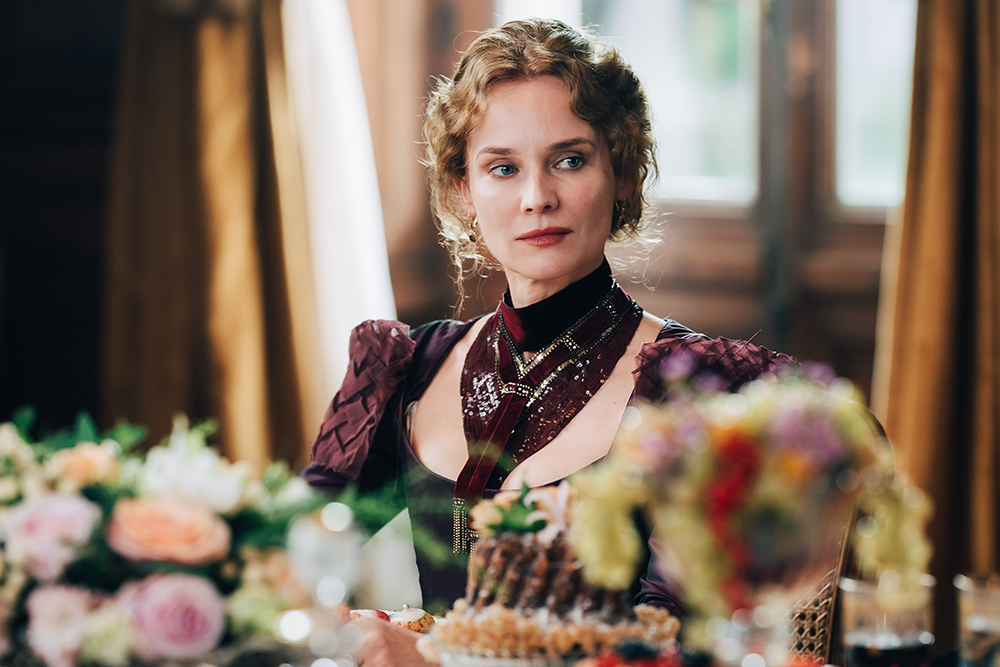
In this tableau of passions, lies, and power games, two presences shape the series in a profoundly human direction: Diane Kruger and Lucas Bravo. In the role of Madame de Rosemonde, Diane Kruger is deeply moving, finding a rare grace in this character we thought we knew but which the series explores with unexpected delicacy. Her performance embodies the feminine perspective that was often missing in previous adaptations: mentor, friend, rival, confidante, she proves to be the essential figure in Isabelle's transformation into Merteuil. The actress, who was deeply involved in the details of the costumes and staging, plays a character full of contradictions—modern in her vision, trapped in her condition—and offers a contemporary interpretation of an aging woman who refuses to fade into the background. Opposite her, Lucas Bravo plays the Count de Gercourt, elevated to the rank of true antagonist: a toxic libertine, organizer of orgies, and social abuser, he becomes the crudest face of patriarchy. The actor finds a role that is completely new in his career, delivering a strange, disturbing, almost animalistically carnal performance that helps make Gercourt one of the most brutal obstacles Merteuil has ever faced on screen.
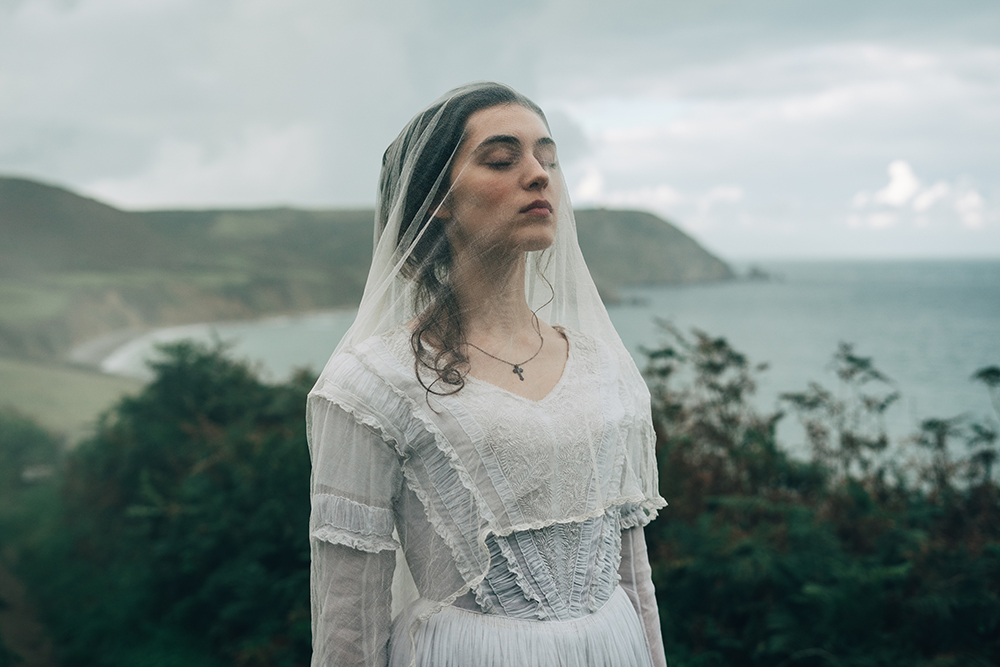
A word must also be said about the aesthetic beauty of the series: it is omnipresent, vibrant, almost hypnotic. The work of costume designer Pascaline Chavanne, who rejects stiff volumes and overly rigid period fabrics, introduces a fluid, sensual, and very embodied vision of the 18th century, allowing the actors to touch, approach, and breathe. The colors become a language in themselves: Diane Kruger's icy blues, Anamaria Vartolomei's pastels that turn dark, Gercourt's aggressive feline and red patterns—everything contributes to a dramaturgy of fabric that complements the writing of the characters. The collaboration with production designer Florian Sanson reinforces this impression of total cohesion: between the castles of Normandy, those of the Val-d'Oise—Magnitot, Balincourt, Villette, Boissy, Champlâtreux—and the beautifully lit interiors, the series navigates between historical realism, modern artistic vision, and dramatic intensity. The aesthetics are meticulously crafted, designed to avoid any overly obvious references to Barry Lyndon or Bridgerton, but to invent a new, more electric, more sensual, more intimate path.
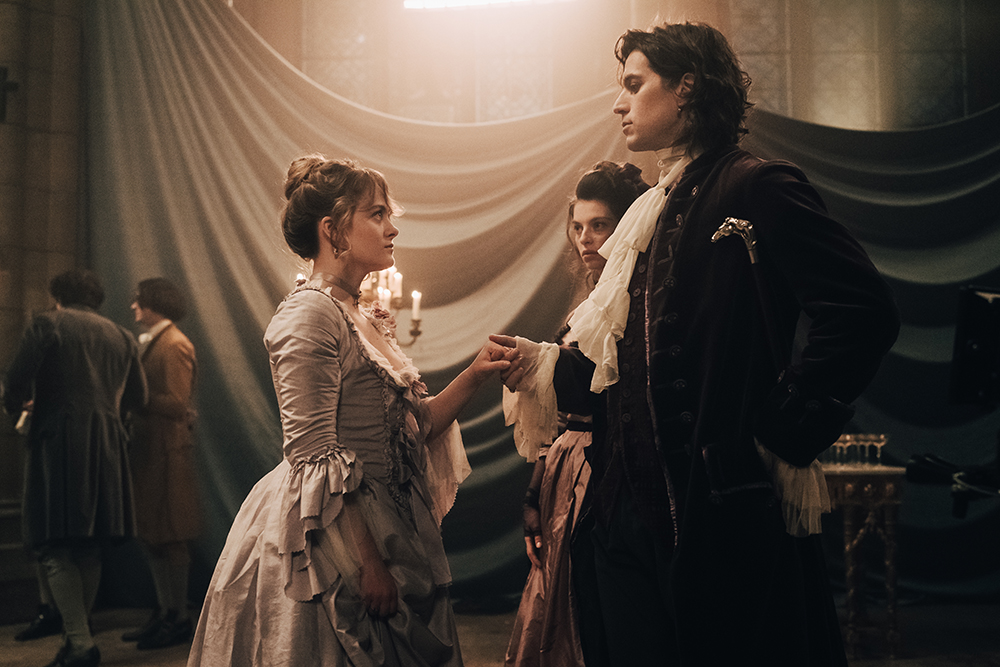
The narrative, meanwhile, follows the rise of the future marquise with surgical precision: from the libertine underworld to aristocratic salons, from the streets to the corridors of Versailles, The Seduction stands out as a fresco where strategy dominates every gesture. Jean-Baptiste Delafon has devised a brilliant structure in which the first three invented episodes cleverly extend Laclos's universe, while the last ones return to the original material. He weaves a profoundly renewed Merteuil-Valmont-Tourvel triangle, in which Noée Abita's devotion in the role of Madame de Tourvel becomes a key issue controlled by Isabelle, who manipulates as much as she confesses. The screenwriter also takes the liberty of further developing characters often overlooked in adaptations, such as Chevalier Danceny and Cécile de Volanges—played here by Samuel Kircher and Fantine Harduin—whom Merteuil molds with an almost maternal cruelty, further proof that her rise is a tale of power in its purest form. The episodes build in intensity like a trap closing in, culminating in a finale at Versailles where Merteuil defies the king and reaches her peak, at the cost of a devastating moral sacrifice.
Presented at the 2025 La Rochelle Fiction Festival in the Fiction Events section, the series clearly has the ambition of a major work. Véra Peltekian, vice president of French original productions at HBO Max, perfectly sums up this epic scope: "The Seduction explores power games, manipulation, and moral dilemmas through complex and fascinating characters, revisiting the spirit of Dangerous Liaisons through a modern lens while retaining its original intensity. " And it must be said that the result goes far beyond a simple adaptation: The Seduction stands out as a vibrant, finely crafted work in its own right, carried by intelligent writing, visceral staging, and actors at the top of their game. Much more than a simple prequel, it is a political reflection on domination, an emotional X-ray of female ambition, and a disturbing tribute to Laclos's legacy. It is a series that never seeks to flatter its era, but to engage with it with irresistible clarity and audacity. And when the final scenes reveal Isabelle, now Merteuil—lucid, free, dangerous—we understand that the gamble has paid off: giving Merteuil a voice again meant finally giving her the leading role. Here, she reigns supreme.
Synopsis:
To be the heroine of her own life, she will destroy the lives of others. An orphan without fortune, the young Isabelle de Merteuil is trapped by the false promises of the Vicomte de Valmont. Drunk with vengeance, she embarks on a dizzying rise, defying men and their power, from the libertine underworld to the court of Louis XV. At the end of her struggle, a heart-wrenching choice awaits her, between love and freedom.
The Seduction
Directed by Jessica Palud
Written by Jean-Baptiste Delafon
Produced by Clément Birnbaum, Joachim Nahum, Marie Guillaumond, Marc Brunet
Starring Anamaria Vartolomei, Vincent Lacoste, Diane Kruger, Lucas Bravo, Noée Abita, Julien de Saint Jean, Fantine Harduin, Samuel Kircher, Sandrine Blancke, Patrick d'Assumçao
Director of photography: Sébastien Buchmann
Editing: Eric Armbruster, Thomas Marchand, Camille Toubkis
Music: Delphine Malausséna
Production companies: Nabi Production, Felicita Films
Distribution: HBO Max (United States, France)
Release date: November 14, 2025 (France)
Running time: 52 minutes (per episode) (6 episodes)
Photos: Copyright Carolines Dubois - HBO Max