
 English
HBO max - The Seduction : When Innocence Burns and Ambition Takes the Throne (our review)
By Mulder, 14 november 2025
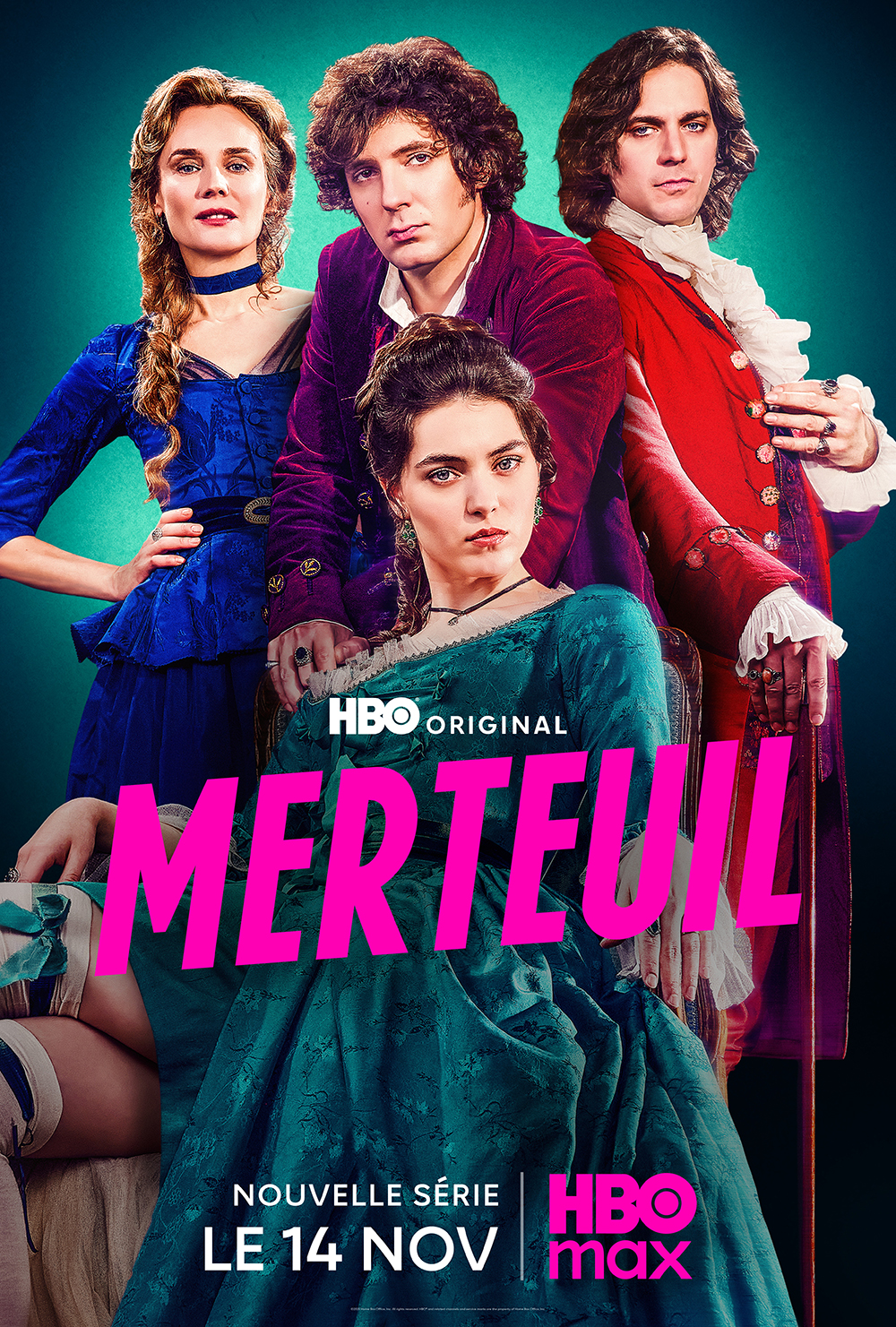
Revisiting a story as immortal and venomous as Les Liaisons dangereuses inevitably invites comparisons with its predecessors, from Pierre Choderlos de Laclos’ 1782 novel to the icily iconic performances of Glenn Close and John Malkovich in the 1988 film, and even the pop-vengeful neon of Cruel Intentions. Yet Jean-Baptiste Delafon and director Jessica Palud approach The Seduction with a sly confidence, reshaping the classic tale not as a costume museum piece but as a modern dissection of power, cruelty, and emotional hunger—only disguised in powdered wigs and marble corridors. What strikes first is the deliberate reversal of roles: instead of viewing the Marquise de Merteuil as the all-knowing puppeteer, we watch Anamaria Vartolomei’s Isabelle torn from innocence, tricked by Vincent Lacoste’s wolfish Sébastien de Valmont through a sham wedding that feels almost like an origin-story trauma. It’s a clever reconfiguration because the series refuses to anoint her a heroine; it shows the wound that precedes the predator, letting us track each new dagger she sharpens after fleeing the convent with humiliation fresh on her skin. The aftermath of betrayal is where the show’s pulse is strongest—especially once Isabelle barges into the home of Diane Kruger’s velvet-poisoned Madame de Rosemonde, who recognizes in this young woman both a problem and a potential weapon.
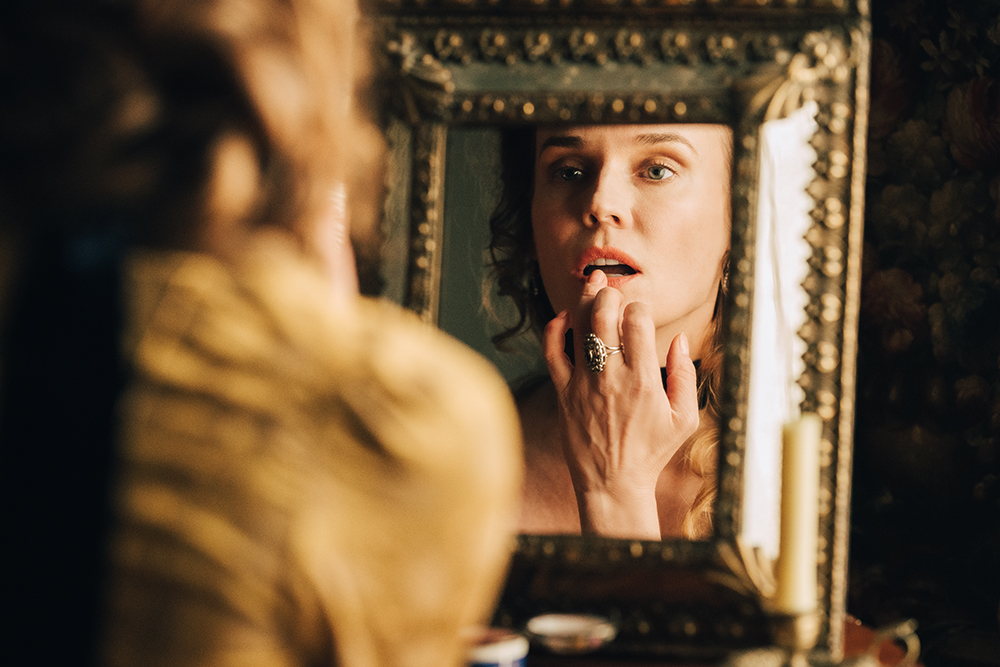
From the moment Diane Kruger enters frame, the series sparks with a distinctly adult electricity. Kruger plays Rosemonde like a faded empress clinging to power with talons dipped in perfume, a character who oscillates between mentor, conspirator, and puppeteer depending on the lighting. One anecdotal highlight involves her coldly observing Isabelle’s transformation while adjusting an elaborate wig, as if sculpting both hair and human at the same time, silently demonstrating how aristocratic influence is applied not through affection but calibration. Under her guidance, Isabelle ascends Parisian society with unnerving speed, securing a title through marriage to an older nobleman and beginning her slow, strategic torment of Valmont and the cruel Lucas Bravo as Comte de Gercourt. What makes these early episodes compelling is the show’s acknowledgment that social mobility for a woman in 18th-century France is less a staircase than a minefield, and Isabelle’s every step feels unstable, as though revenge itself risks consuming the very person she is trying to construct.
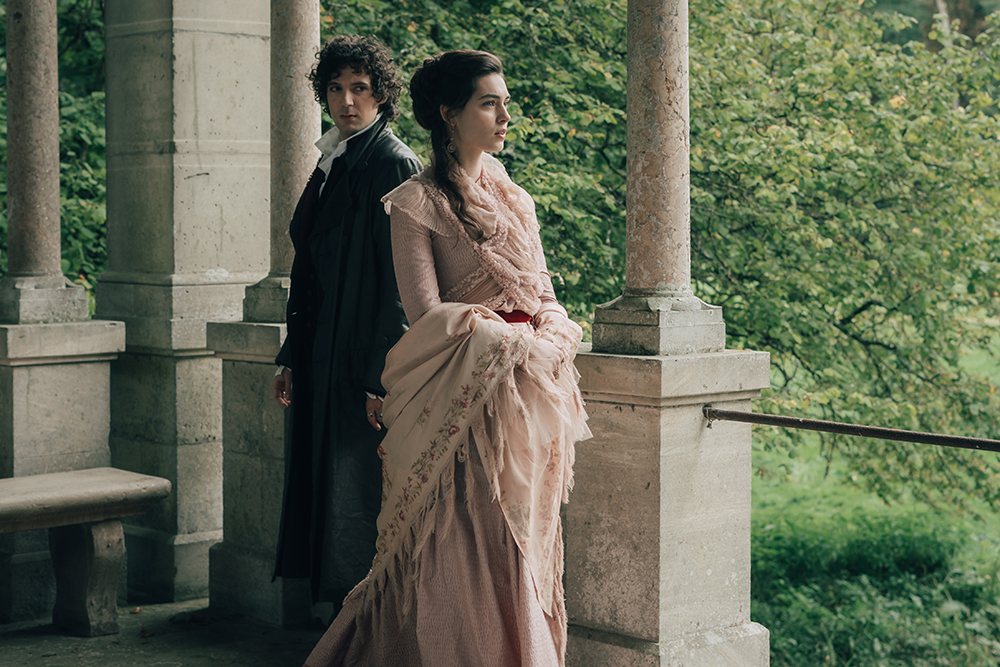
Stylistically, Jessica Palud infuses the show with the sensual assertiveness of an erotic thriller while grounding it in a distinctly French sensibility: sex as currency, sex as cage, sex as rebellion, sex as a language spoken fluently by those denied every other form of agency. At its best, The Seduction feels like a decadent ballet of gazes, half-smiles, and strategically unbuttoned bodices, where every whispered confession masks a dagger angled behind someone’s back. One of the series’ most intriguing layers is its reflection on gender—how libertinage grants freedom to men and freckles it with danger for women. There’s a moment when Isabelle reflects, almost clinically, on how quickly powerful men concede their reason when confronted with beauty; it’s a chilling echo of the original novel, but also a modern commentary on the fragile structures that shape desire. And yet, the show’s eroticism is not gratuitous: even its steamiest moments trade less on shock than on strategy, revealing the uneasy fusion between vulnerability and domination that powers Isabelle’s rise.
However, for all its narrative elegance and sumptuous craft, The Seduction occasionally buckles under its own ambition. Around the midpoint, the plot becomes more circular than ascending, repeating seductions and manipulations without escalating the consequences. Isabelle’s schemes, instead of tightening into inevitable tragedy or moral reckoning, sometimes feel like they loop in place, particularly in her interactions with characters like the innocent Cécile de Volanges, played with delicate bewilderment by Fantine Harduin. The series leans heavily on the symbolic notion that sex is the only available form of power for these women, but this repetition risks flattening the complexity of what initially felt like a richly layered exploration. Even powerful performances—such as Noée Abita’s troubled Madame de Tourvel or Samuel Kircher’s earnest Chevalier Danceny—struggle to puncture a narrative that seems content to orbit the same emotional space for too long.
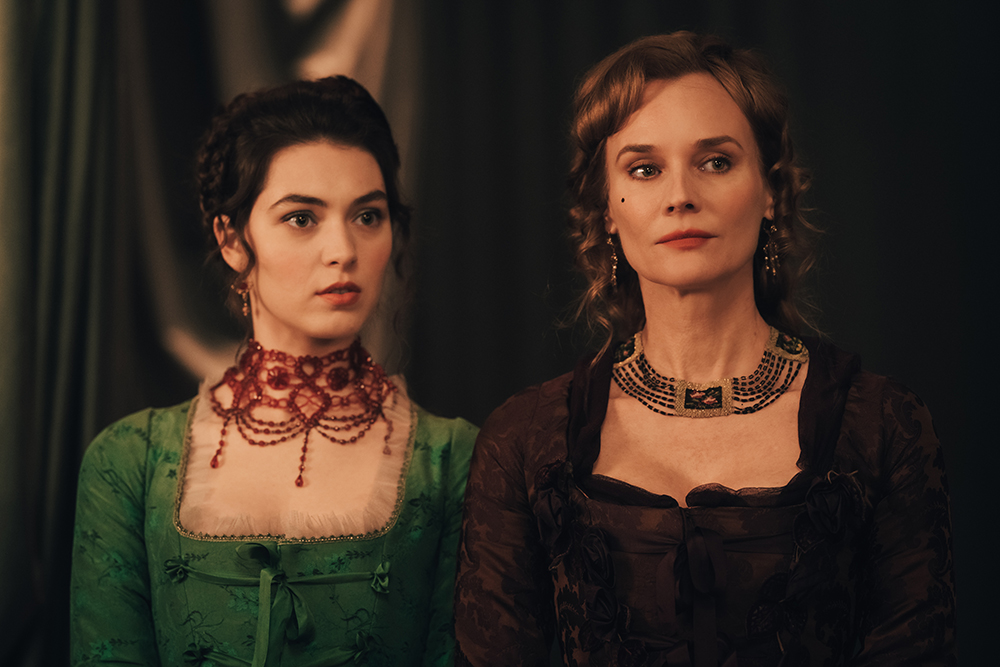
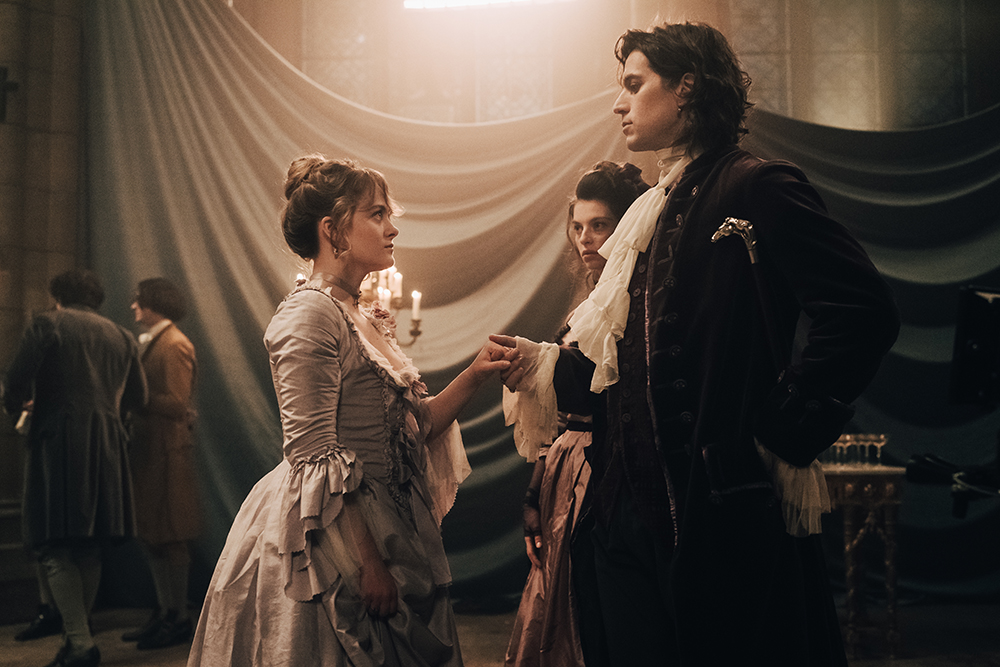
And yet, in spite of these structural misfires, the cast elevates the experience. Diane Kruger is a revelation, sliding between tenderness and malice with silken ease; there are moments where her quiet stare contains more danger than any physical confrontation. Anamaria Vartolomei’s transformation from convent girl to aristocratic predator is equally magnetic, even when the writing occasionally rushes her evolution into cruelty rather than letting it seep in organically. Her scenes opposite Vincent Lacoste—whose Valmont broods like a man both enthralled and terrified by the woman he once dismissed—carry the bruised, intoxicating charge of two characters destined for mutually assured emotional destruction. One of the most memorable shots frames Valmont through sheer curtains in golden light, transforming him into a living painting—an emblem of the show’s visual ambition, and of its insistence that seduction is as much about aesthetics as intent.
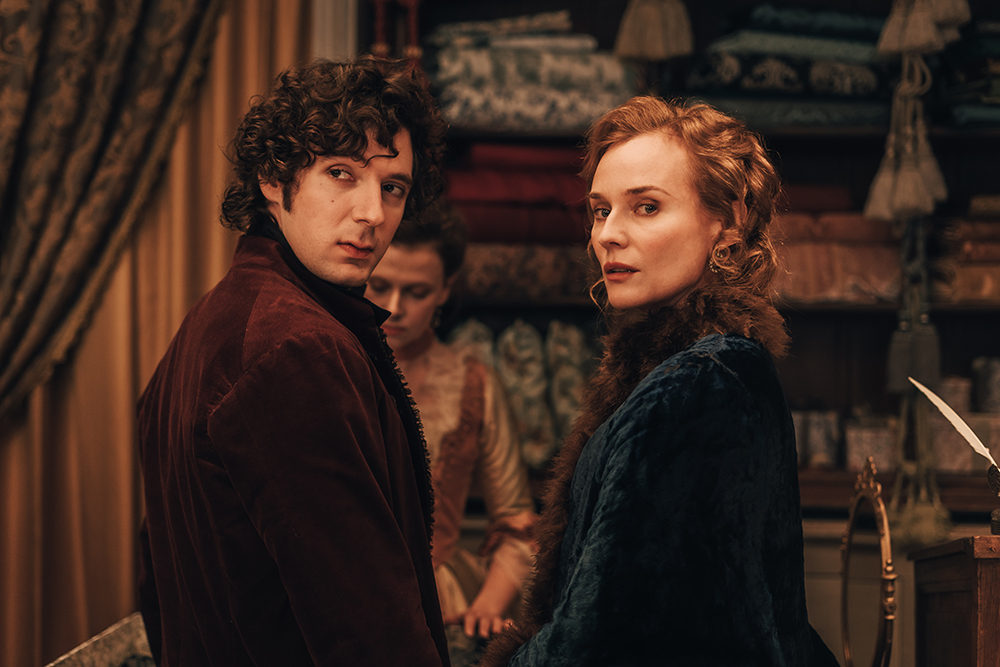
As the story approaches its finale, the emotional stakes finally sharpen, and the series regains its earlier momentum. There’s a late-season shift where motives blur, alliances fray, and the consequences of each character’s misdeeds begin to echo the original novel’s cruelty—albeit softened, as if The Seduction hesitates to fully embrace the pitiless fatalism of its literary ancestor. The anachronistic use of Jeff Buckley’s “Hallelujah” may divide viewers, but there is something strangely fitting about hearing modern melancholy whisper over a drama steeped in centuries-old sin. It suggests an emotional universality—the idea that betrayal, ambition, and desire ripple unchanged across eras. If the ending stops short of the brutal tragedy some purists might crave, it nevertheless feels coherent with this adaptation’s worldview: consequences arrive, but not always as executions; regret itself can be the severest punishment.
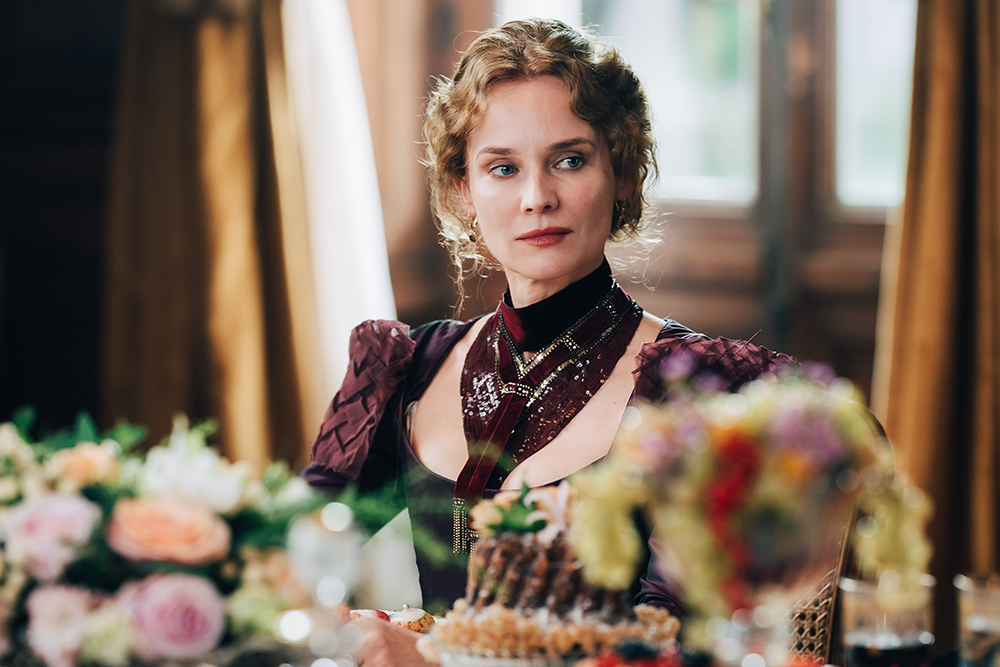
Ultimately, The Seduction is an intoxicating, uneven, beautifully mounted reimagining—one that mesmerizes with its lush visuals, razor-edged performances, and thematic boldness, even as it falters in pacing and narrative cohesion. It succeeds most when embracing ambiguity: when Isabelle’s empowerment feels both triumphant and corrosive, when seduction becomes indistinguishable from warfare, when the glint of pleasure hides the shiver of danger. Though not as ruthless or psychologically piercing as Pierre Choderlos de Laclos’ masterpiece, it offers a hypnotic mirror to its themes, refracting them through a modern lens that emphasizes emotional wounds over operatic cruelty. In the end, The Seduction may not cut as deeply as its predecessors, but it still carves out a memorable space of its own—opulent, alluring, and tinged with just enough poison to sting.
Synopsis:
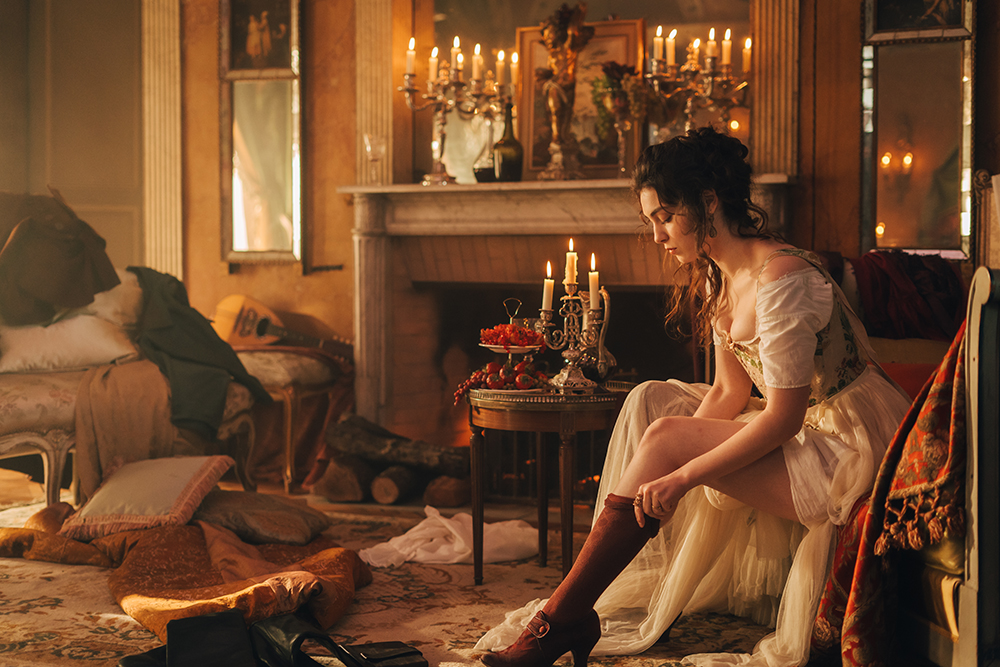
To be the heroine of her own life, she will destroy the lives of others. An orphan without fortune, the young Isabelle de Merteuil is trapped by the false promises of the Vicomte de Valmont. Drunk with vengeance, she embarks on a dizzying rise, defying men and their power, from the libertine underworld to the court of Louis XV. At the end of her struggle, a heart-wrenching choice awaits her, between love and freedom.
The Seduction
Directed by Jessica Palud
Written by Jean-Baptiste Delafon
Produced by Clément Birnbaum, Joachim Nahum, Marie Guillaumond, Marc Brunet
Starring Anamaria Vartolomei, Vincent Lacoste, Diane Kruger, Lucas Bravo, Noée Abita, Julien de Saint Jean, Fantine Harduin, Samuel Kircher, Sandrine Blancke, Patrick d'Assumçao
Director of photography: Sébastien Buchmann
Editing: Eric Armbruster, Thomas Marchand, Camille Toubkis
Music: Delphine Malausséna
Production companies: Nabi Production, Felicita Films
Distribution: HBO Max (United States, France)
Release date: November 14, 2025 (France)
Running time: 52 minutes (per episode) (6 episodes)
Score : 3/5
Photos: Copyright Carolines Dubois - HBO Max