 English
Festivals - The American French Film Festival 2025 : A Triumphant Edition Celebrating the Bridge Between Two Cinematic Worlds
By Mulder, 05 november 2025
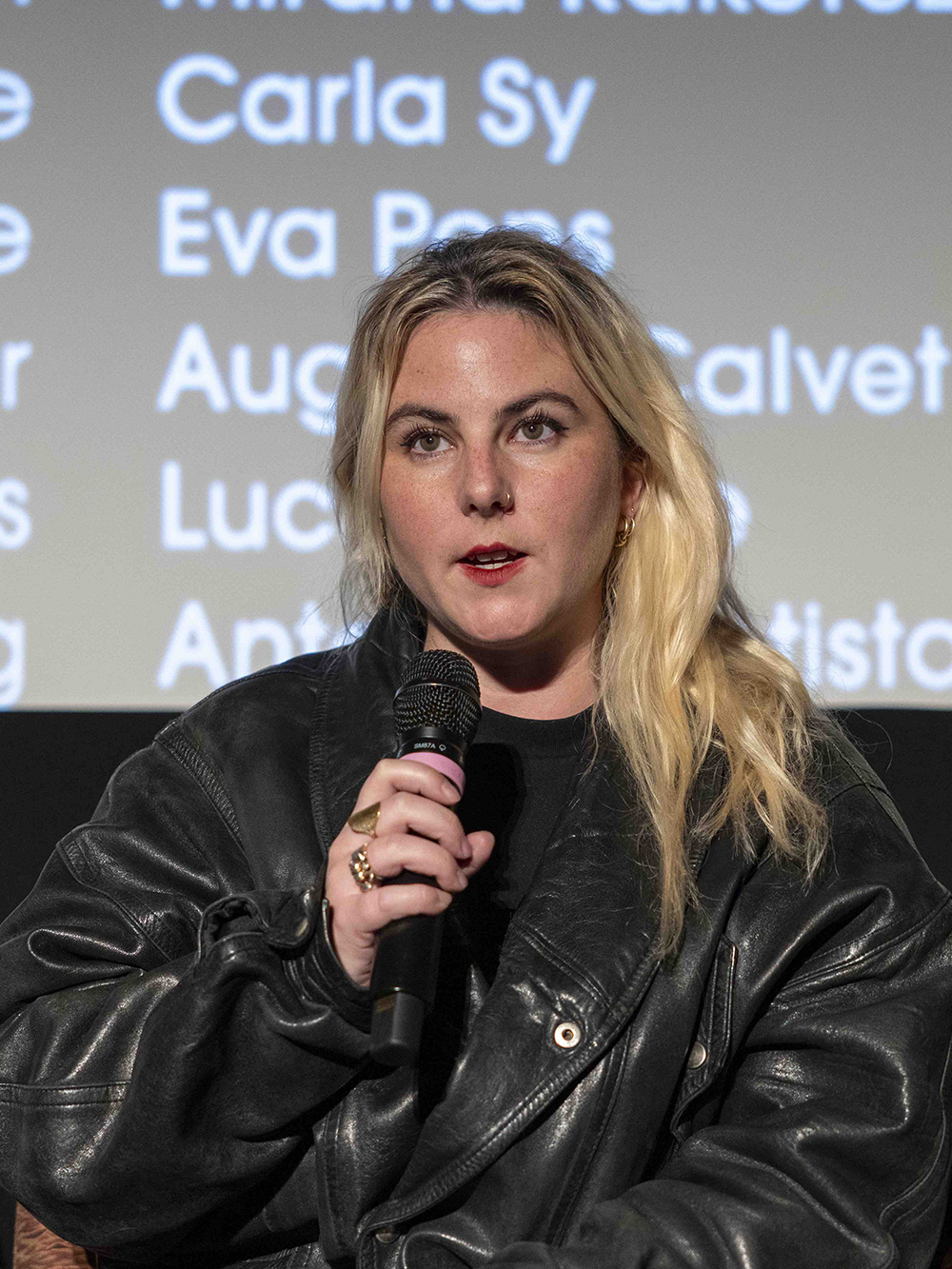
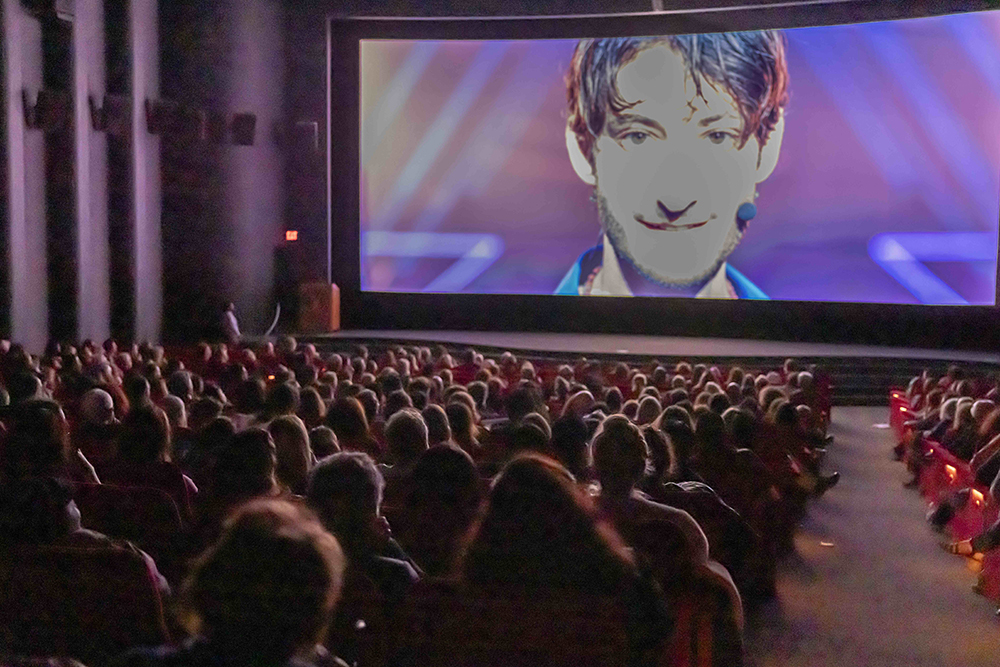
The 29th edition of The American French Film Festival (TAFFF) concluded in Los Angeles with an undeniable sense of achievement and artistic fulfillment. From October 28 to November 3, more than 14,000 attendees filled the Directors Guild of America (DGA) Theater Complex, marking a record-breaking turnout for this emblematic celebration of French and American creative collaboration. The festival’s closing night featured the exclusive U.S. screening of GURU (Gourou), the latest psychological drama by Yann Gozlan, starring Pierre Niney, setting an elegant and introspective tone for the week’s conclusion. Behind the red carpets and sold-out screenings, this year’s program represented something deeper: the ongoing dialogue between two cinematic cultures that continue to challenge, mirror, and inspire each other.
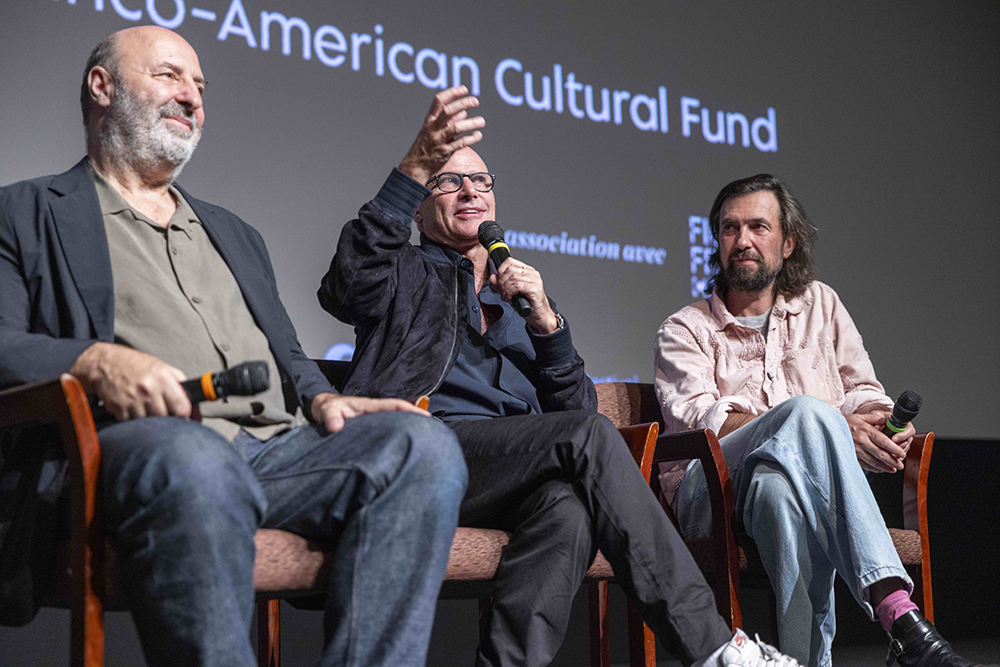
The festival’s awards ceremony—announced by the Franco-American Cultural Fund (FACF)—offered a snapshot of the rich diversity and creativity present in today’s French and Franco-American productions. Taking home the Audience Award for Best Film, Colors of Time (La Venue de l’avenir) reaffirmed Cédric Klapisch’s mastery of humanist storytelling. Co-written with Santiago Amigorena, this poetic reflection on time and human connection captured hearts both for its emotional resonance and for Klapisch’s signature cinematic warmth. Distributed internationally by StudioCanal, the film is a reminder of how French cinema continues to speak a universal language of empathy, nostalgia, and renewal.
Meanwhile, the Critics Award for Best Film went to Love Me Tender, written and directed by Anna Cazenave Combet. Subtle and piercing in its emotional intelligence, the film stood out for its intimate portrait of vulnerability, love, and female identity. Distributed by Be For Films, Love Me Tender reaffirmed the voice of a director whose vision is both tender and unflinching, illustrating the balance of sensitivity and boldness that defines much of contemporary French auteur cinema.
Among new voices, The Girl in the Snow (L’Engloutie) by Louise Hémon, co-written with Anaïs Tellenne, earned the First Feature Award. This haunting, visually poetic film—distributed by Kinology—unfolds like a dream steeped in mystery and melancholy. The recognition not only highlights Hémon’s rising influence but also signals a continued appetite for fresh, female-led narratives within French cinema, echoing a larger global movement toward inclusivity and introspection in storytelling.
The Documentary Film Award was presented to Drugged and Abused: No More Shame (Soumission chimique: Pour que la honte change de camp), directed by Linda Bendali and co-written with Andrea Rawlins-Gaston. The work’s social urgency and courage resonated strongly with audiences and juries alike. Its title alone suggests the determination to confront taboo subjects with clarity and compassion—something that has become increasingly central to French documentary filmmaking. Distributed by Studio TF1 and France Télévisions, it exemplifies how real-world advocacy and cinematic craft can merge to provoke dialogue and inspire change.
The American Students Award, a category that continues to symbolize the festival’s mission of cultural exchange, went to Nouvelle Vague, directed by Richard Linklater. Written by Vince Palmo, Holly Gent Palmo, Michèle Halberstadt, and Laetitia Masson, the film—distributed in the U.S. by Netflix—reflects Linklater’s enduring fascination with time, identity, and the dialogue between cultures. This recognition from American students captures the festival’s essence: young audiences engaging with ideas that transcend borders, discovering in French and American storytelling a shared cinematic rhythm.
On the television side, Blessed Be Sixtine (Bénie soit Sixtine) by Sophie Reine triumphed with the TV Movie Award. Written by Dominique Garnier, Zoé Galeron, and Maylis Adnémar, and distributed by Mediawan Rights, the film’s sharp balance of humor, faith, and emotional depth demonstrates how French television continues to rival cinema in quality and scope. Likewise, The Deal, directed by Jean-Stéphane Bron, won the Audience Series Award. Created and written by Alice Wincour and Jean-Stéphane Bron, alongside writers Eugène Riousse, Julien Lacombe, Stéphane Mitchell, and Valentine Monteil, and distributed by Gaumont and Arte, the series was praised for its gripping political intrigue and layered storytelling—a reminder that the serialized form can be as powerful as film when guided by strong authorship.
The Jury Series Award was bestowed upon The Sentinels (Les Sentinelles), directed by Thierry Poiraud and Edouard Salier, and created by Guillaume Lemans and Xabi Molia. Distributed by StudioCanal and Canal+, this award recognized a series that blends tension, innovation, and aesthetic precision, continuing the French tradition of pushing genre boundaries through visual sophistication and moral complexity. In the short film category, The Lifeline (La ligne de vie) by Hugo Becker—who both wrote and directed—took the Short Film Award, standing out for its minimalist storytelling and emotional impact, backed by Nouvelle Donne Productions.
Beyond the competition, the festival paid tribute to cinematic icons who have built bridges across the Atlantic. The Lifetime Award was presented to Jodie Foster, whose bilingual career has long embodied the very spirit of the festival—bridging French sophistication and Hollywood dynamism. Meanwhile, Richard Linklater received the Franco-American Cultural Fund Award, a distinction amplified by the CNC’s decision to honor him with the Chevalier des Arts et des Lettres during the festival, highlighting his unique role in shaping transatlantic storytelling.
The 2025 edition of The American French Film Festival confirmed its position as one of the most vital cultural events connecting France and the United States. Organized by the Franco-American Cultural Fund (FACF)—a collaboration between the Directors Guild of America (DGA), the Motion Picture Association (MPA), SACEM, and the Writers Guild of America West (WGAW)—and supported by partners such as Unifrance, CNC/Film France, Villa Albertine, Air Tahiti Nui, and Variety, the festival exemplifies a cinematic diplomacy built on creativity, respect, and exchange. From masterclasses and educational screenings to sold-out premieres, this edition radiated a shared belief: that cinema, whether French or American, remains one of the last great languages capable of uniting people through emotion and vision.
As the lights dimmed in the DGA Theater for the final screening, the applause carried more than admiration—it carried gratitude. Gratitude for storytelling that refuses to fade, for cultural bridges that grow stronger with time, and for filmmakers who, like Cédric Klapisch, Anna Cazenave Combet, and Richard Linklater, remind us that art’s truest colors are those of connection, empathy, and time itself.
Photos : Copyright Philip Guerette