

Japan Expo 2026: Day One Celebrates 25 Years of Passion with an Expanded Festival, New Experiences and an Ever-Growing Community
Thursday 9 July, 2:00 PM PT Villepinte, Parc des expositions 2026-07-09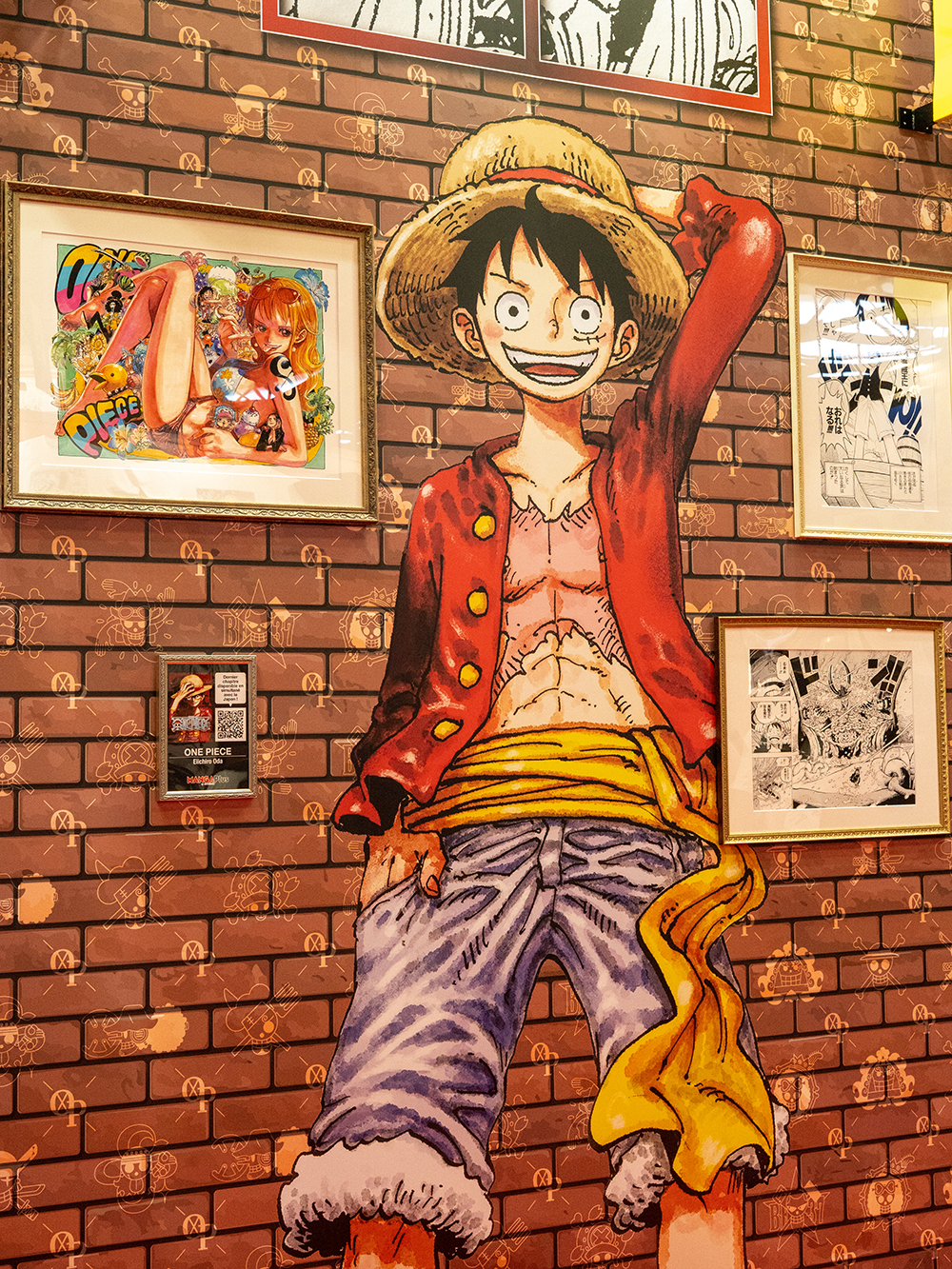
The opening day of Japan Expo 2026, held on Thursday, July 9, at the Parc des Expositions de Paris-Nord Villepinte, confirmed once again why the event has become the largest celebration of Japanese popular culture in Europe. Marking its 25th anniversary, the festival opened with an atmosphere that blended nostalgia, innovation and commercial dynamism, welcoming thousands of visitors into an expanded venue that reflects the extraordinary journey of an event that began in 2000 as a small gathering of just 2,500 enthusiasts. Twenty-five years later, Japan Expo now occupies more than 154,000 square meters across seven halls, features over 1,000 exhibitors, hosts more than 570 guests and offers an unprecedented 713 scheduled events, illustrating how a passion project has evolved into one of France's largest public exhibitions while remaining deeply rooted in its original mission of promoting every facet of Japanese culture rather than manga alone.
Walking through the doors on Thursday morning immediately revealed how the anniversary theme permeates every aspect of the festival. While the French summer continued to experience unusually high temperatures outside, the air-conditioned halls quickly filled with visitors wearing elaborate cosplay costumes, families discovering Japanese culture together and long-time attendees who have followed the convention through decades of growth. Rather than merely commemorating the past, the organizers have chosen to celebrate the festival's history by constantly looking forward. This philosophy is perhaps best illustrated by the words of co-founders Jean-François Dufour and Thomas Sirdey, who admitted that they would never have imagined the event surviving—and thriving—for twenty-five years. What began as a way for fans to meet like-minded enthusiasts in an era before social media has become a landmark cultural institution that welcomes generations of visitors while maintaining its independence and editorial freedom. Their recollections of the difficult early years, from organizing conventions in cramped venues to making the bold decision to relocate to Villepinte despite widespread skepticism, give today's immense festival an even greater sense of perspective.
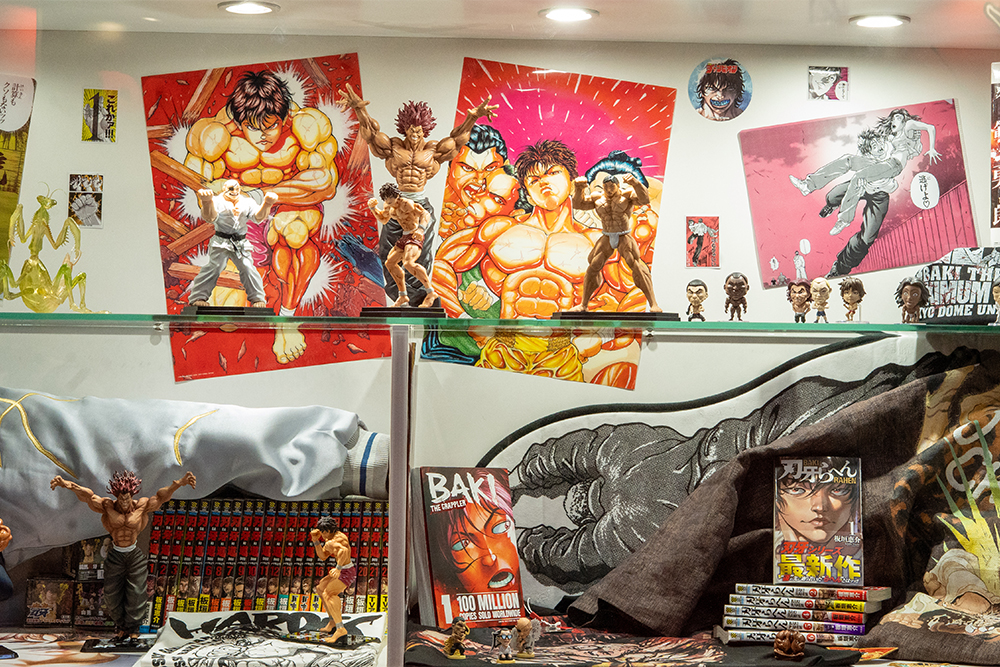
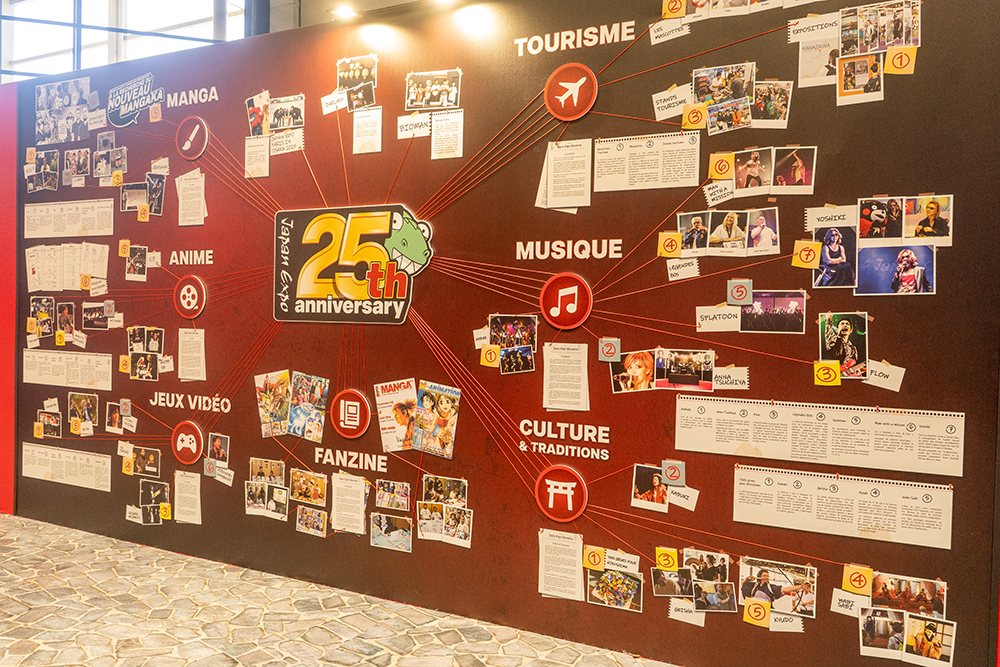
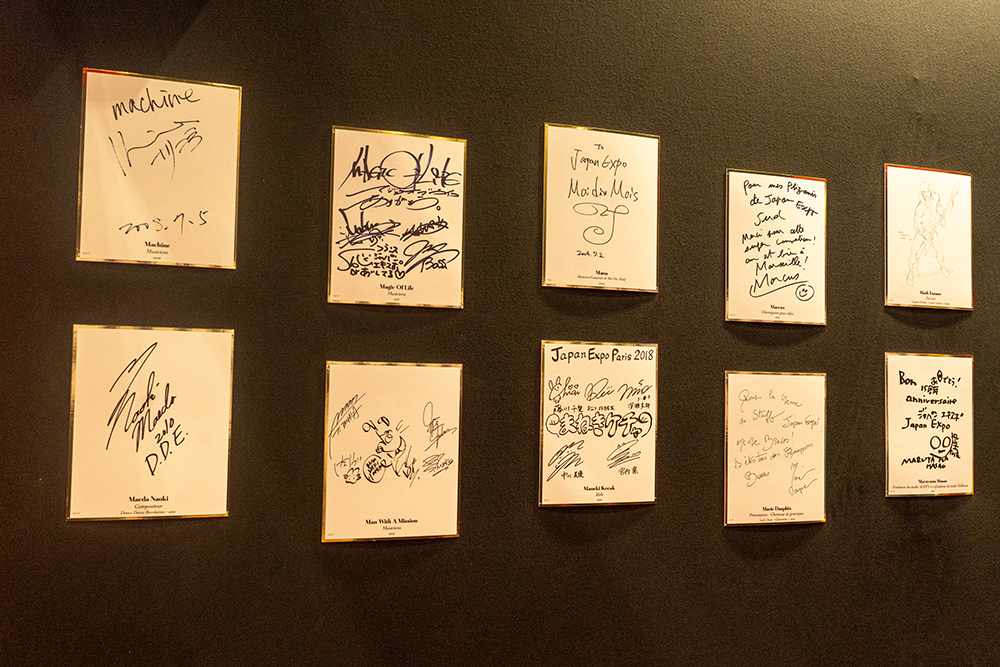
One of the emotional centerpieces unveiled during the opening day is undoubtedly the Japan Expo – 25 Years of Passion exhibition, an ambitious retrospective occupying more than 600 square meters. The exhibition serves both as a museum and a celebration of collective memory. Visitors first encounter an extensive chronological fresco documenting every edition since 2000 before exploring displays filled with vintage merchandise, archival photographs and testimonials from legendary guests who have helped shape the convention's identity. The exhibition culminates in a spectacular Hall of Fame showcasing 374 reproductions of shikishi created by artists who have participated throughout Japan Expo's history, including internationally renowned manga creators and illustrators. The original collection, which has grown over twenty-five years, has become one of the festival's most remarkable historical treasures and demonstrates the trust the Japanese creative community has placed in the French event. Even visitors unfamiliar with the festival's earliest years can immediately appreciate the remarkable transformation from an underground gathering into Europe's premier Japanese cultural festival.
Beyond its celebration of history, the opening day also highlighted Japan Expo's ability to constantly reinvent itself. Among the most striking additions is Oshi Para, a completely new area spanning more than 400 square meters dedicated to the Japanese concept of Oshi Katsu, the culture of actively supporting one's favorite artist or performer. Rather than simply importing a Japanese trend, the organizers have carefully adapted it for French audiences through extensive explanations and carefully designed visitor experiences. According to Brendan Nédélec, who oversees the project, the objective was to organize practices that previously existed informally while helping newcomers understand their cultural significance. The immersive "Japan Expo Airlines" scenography transforms the area into an airport-inspired environment complete with boarding-pass style queue tickets, themed photo studios and hangar-inspired décor evoking giant robot franchises such as Gundam and Evangelion. Throughout the day, curious visitors stopped to observe long queues of dedicated fans patiently waiting for photo sessions and personal encounters with Japanese performers, idols, mascots and professional wrestlers. For many attendees, Oshi Para quickly became one of the festival's most talked-about innovations because it demonstrates that fan culture itself can become a cultural experience worthy of explanation and celebration rather than simply a commercial activity.
Another notable feature of the anniversary edition is the renewed emphasis placed on Japan Expo's own legacy as a cultural institution. Throughout the halls, anniversary branding appears alongside exclusive artwork created by celebrated artists specifically for the occasion. Original illustrations by creators including Alex Alice, Alexis Tallone, Elsa Brants, Hiro Mashima, Ken Akamatsu, Tsutomu Nihei, Oh!Great and many others celebrate the long relationship between these artists and the French festival. Rather than producing a single commemorative image, Japan Expo commissioned numerous personal interpretations, creating a visual gallery that reflects the diversity of artistic styles represented during the convention's twenty-five-year history.
The commercial dimension of Japan Expo has also continued to expand dramatically, illustrating how the convention has become a strategic marketplace for companies seeking access to one of Europe's largest manga communities. France remains the second-largest manga market in the world after Japan, making the festival an increasingly valuable showcase for publishers, retailers and manufacturers. Established partners including Fnac, Crunchyroll, Glénat, Kana, Bandai, Asmodee, Panini, Plastoy and Pentel occupied major spaces throughout the exhibition halls, while retailers such as King Jouet once again promoted its King'Dultes concept for adult collectors with a significantly enlarged 168-square-meter booth dedicated to trading cards and collectible figures. New arrivals such as La Grande Récré demonstrated that traditional toy retailers increasingly recognize the commercial importance of Japanese popular culture, while returning exhibitors including Celio, Micromania, Quick and eBay continued strengthening the bridge between mainstream retail and fan communities.
Technology and interactive entertainment remained equally prominent during the opening day, with Nintendo once again attracting some of the convention's largest crowds. Visitors were given the opportunity to test upcoming games on both Nintendo Switch and Nintendo Switch 2 hardware, including Yoshi and the Mysterious Book and Pokémon Pokopia, reinforcing the company's long-standing relationship with the event. Nearby, eBay showcased its evolving live-commerce platform, while collectible manufacturers and trading card publishers demonstrated how collecting remains one of the central pillars of contemporary Japanese popular culture. The diversity of exhibitors—from premium figurine specialist Tamashii Nations to Sylvanian Families—illustrated the increasingly broad definition of "Japanese pop culture" embraced by the festival.
The anniversary celebrations extend well beyond exhibitions and retail experiences. Japan Expo also commissioned an original animated short produced in collaboration with Transdyne, bringing together respected professionals including Nobuyoshi Habara, Eddie Mehong, Chafik, Shumpei Sawa, Hiroshi Shimizu and composer Umikun. Their presence at the festival, particularly during dedicated panels scheduled after the opening day, reflects Japan Expo's continued commitment to showcasing the creative process behind Japanese animation rather than limiting itself to celebrity appearances.
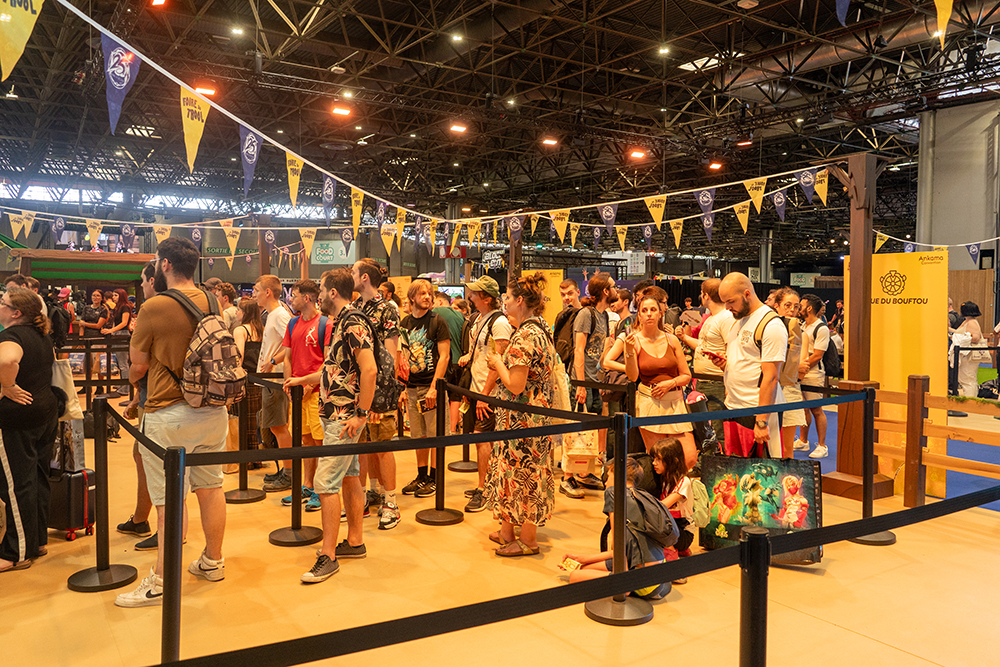
Perhaps the greatest achievement visible throughout the first day, however, was the atmosphere itself. Japan Expo has always described itself as a festival created by fans for fans, and that philosophy remains remarkably evident despite its immense scale. Whether visitors were quietly exploring the retrospective exhibition, enthusiastically posing for cosplay photographs, discovering Japanese traditions for the first time, or patiently waiting to meet their favorite artists, the convention retained an unmistakable sense of community. It is a rare example of an event that has grown into one of France's largest public gatherings without losing the enthusiasm that inspired its founders at the turn of the millennium. As Thomas Sirdey remarked in reflecting on twenty-five years of history, Japan Expo has managed to earn "a small place in people's hearts." Judging by the energy filling the halls on this opening Thursday, that place appears stronger than ever, setting the stage for what promises to be one of the most memorable editions in the festival's history.
You can discover our photos in our Flickr page
Photos : Copyright DreamStudioByPierreChampion