
 English
Cerermony - Jean Vigo Prize Ceremony: The 75th Prix Jean Vigo Honors Independent Voices Across Generations
By Mulder, Paris, Cinémathèque, 06 july 2026
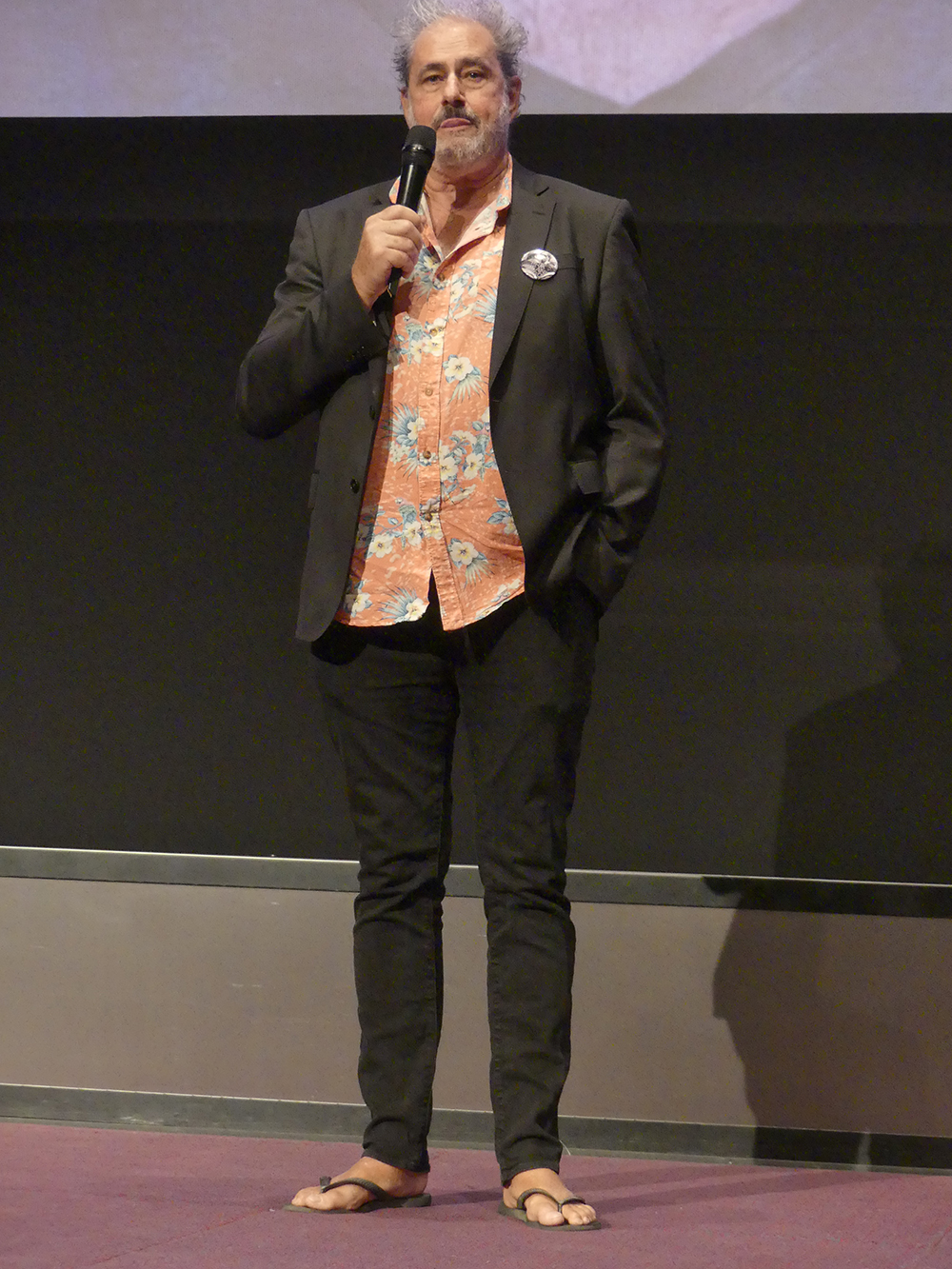
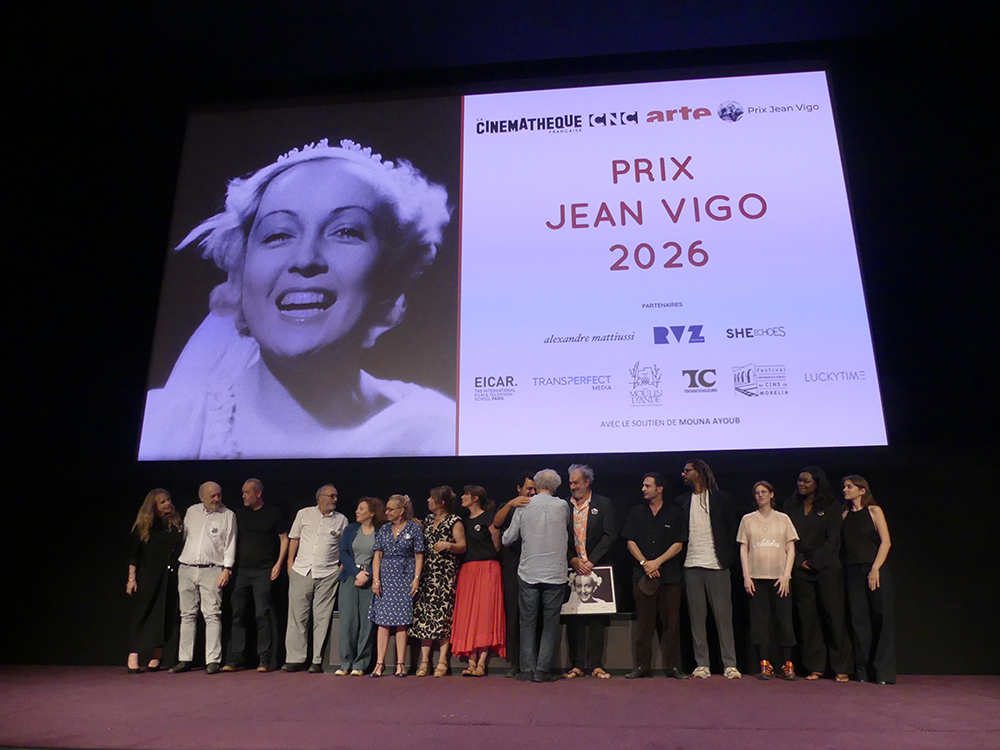
The 75th Prix Jean Vigo ceremony, held on July 6, 2026, at the Cinémathèque française in Paris, once again reaffirmed the unique place occupied by one of French cinema’s most prestigious yet unconventional distinctions. Unlike awards driven by commercial success or festival momentum, the Prix Jean Vigo has, since its creation in 1951, remained faithful to a singular mission: recognizing filmmakers whose work embodies originality, artistic freedom, and intellectual independence. Created in tribute to pioneering filmmaker Jean Vigo by Claude Aveline, together with Vigo’s daughter Luce Vigo and a group of filmmakers that notably included Jacques Becker, Jean Cocteau, Paul Gilson, and Georges Sadoul, the prize has consistently championed directors whose voices challenge conventions rather than follow them. Since 1960, separate awards have been presented for feature-length and short films, with the distinction deliberately honoring the filmmaker rather than the film itself—a philosophy that continues to set the Prix Jean Vigo apart from virtually every other cinematic award in France.
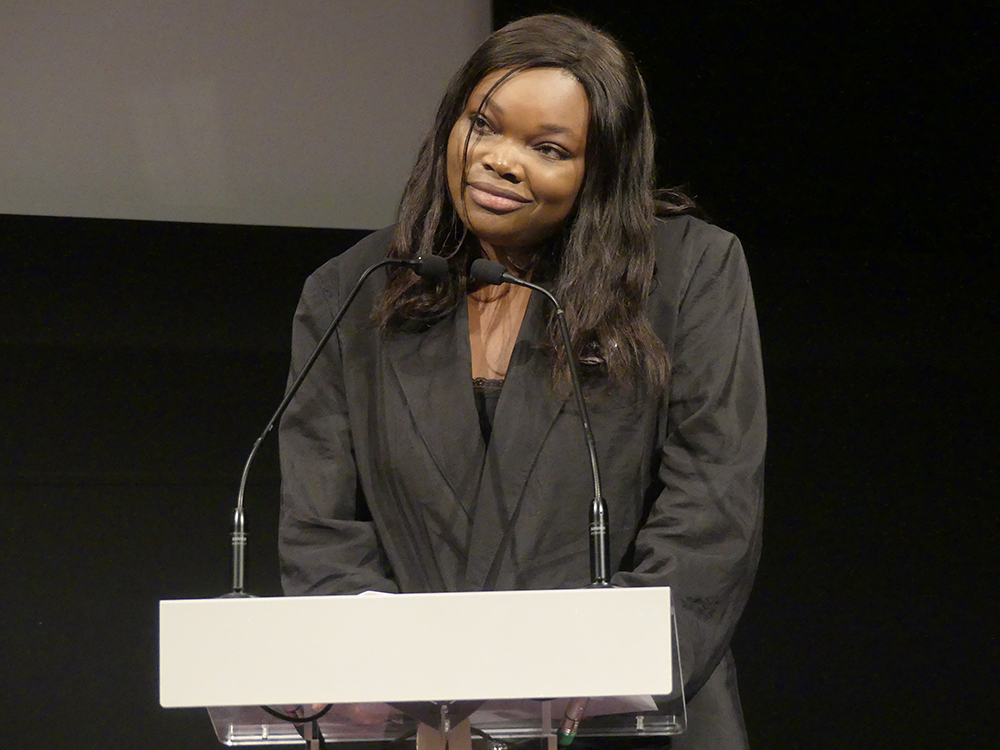
This landmark anniversary edition paid tribute to Alain Gomis, who received the Vigo d’Honneur for his entire body of work, joining a distinguished lineage of filmmakers that includes Wang Bing, Elia Suleiman, Claire Simon, Claire Denis, Aki Kaurismäki, and Agnès Varda. The recognition felt particularly appropriate given the Franco-Senegalese filmmaker’s career, which has consistently reflected the very ideals upon which the prize was founded. Beginning with L’Afrance in 2001, awarded at the Locarno Film Festival, Alain Gomis has deliberately pursued an uncompromising artistic path, allowing years to pass between productions in favor of patient creative maturation. His films—including Aujourd’hui, Félicité, and Dao—explore displacement, exile, memory, and identity through stories situated between France and Africa, offering deeply human reflections on belonging and cultural transformation. The organizers praised his cinema for constructing "paths crossing between France and Africa while seeking a form of truth through uprooting and the search for self," a description that perfectly encapsulates both his thematic concerns and his filmmaking philosophy. Beyond directing, Alain Gomis has also contributed significantly to the future of African cinema through the creation of the Centre Yennenga in Dakar in 2018, conceived as a creative hub dedicated to training, artistic exchange, and the transmission of cinematic knowledge throughout West Africa. As Gérard Vaugeois had explained when discussing the Honorary Vigo, the distinction exists to recognize works whose importance may not have been immediately evident when they first emerged, making Alain Gomis an almost textbook recipient.
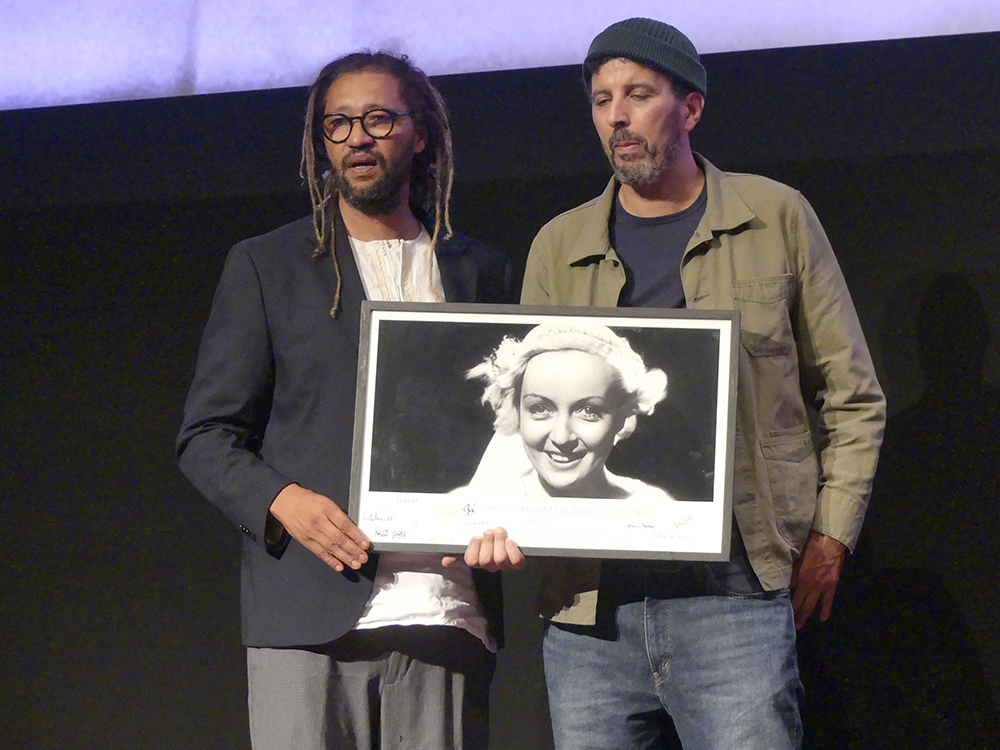
The feature-film category produced an unusual and memorable outcome, with the jury choosing to award the Prix Jean Vigo jointly to Gustave Kervern and Arthur Harari, an ex aequo decision that reflected the exceptional regard for two very different but equally distinctive artistic visions. For Gustave Kervern, the prize marks an especially significant milestone as it recognizes Voilà, c’est fini, his first solo theatrical feature after years of acclaimed collaborations with Benoît Delépine. Scheduled for release on March 24, 2027, through Pyramide, the project represents a new chapter in the filmmaker’s career, allowing audiences and critics alike to evaluate his singular voice outside the celebrated creative partnership that produced films such as Mammuth, Le Grand Soir, and Effacer l’historique. Awarding the Jean Vigo Prize before the film’s public release perfectly illustrates the award’s philosophy of identifying and encouraging authors whose creative trajectories promise lasting significance rather than immediate commercial impact.
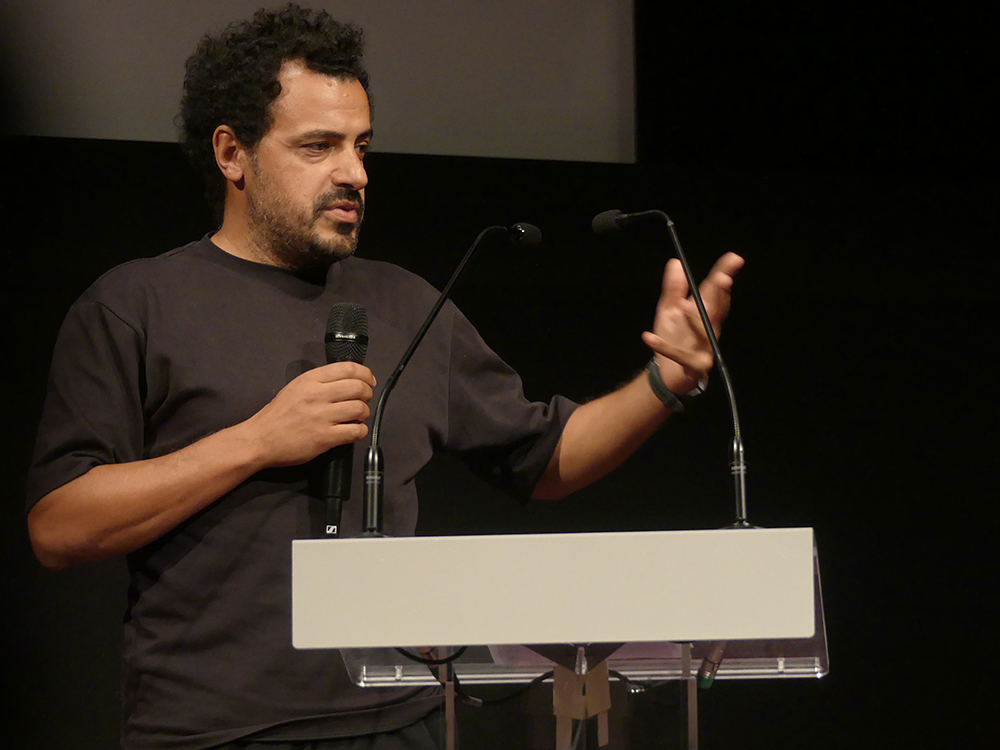
Sharing the honor was Arthur Harari for L’Inconnue, which is scheduled to reach French theaters on August 26, 2026, through Pathé Films. Already recognized as one of the most intellectually rigorous filmmakers of his generation, Arthur Harari had previously earned widespread acclaim with Onoda: 10,000 Nights in the Jungle, recipient of the prestigious Prix Louis-Delluc. His body of work has consistently explored questions of history, identity, and psychological complexity while refusing simplistic narrative structures, making him a natural fit within the Jean Vigo tradition. The jury’s decision to distinguish both Gustave Kervern and Arthur Harari illustrates the remarkable diversity that independent French cinema continues to offer, celebrating two filmmakers whose approaches differ stylistically but share a commitment to personal expression and creative autonomy.
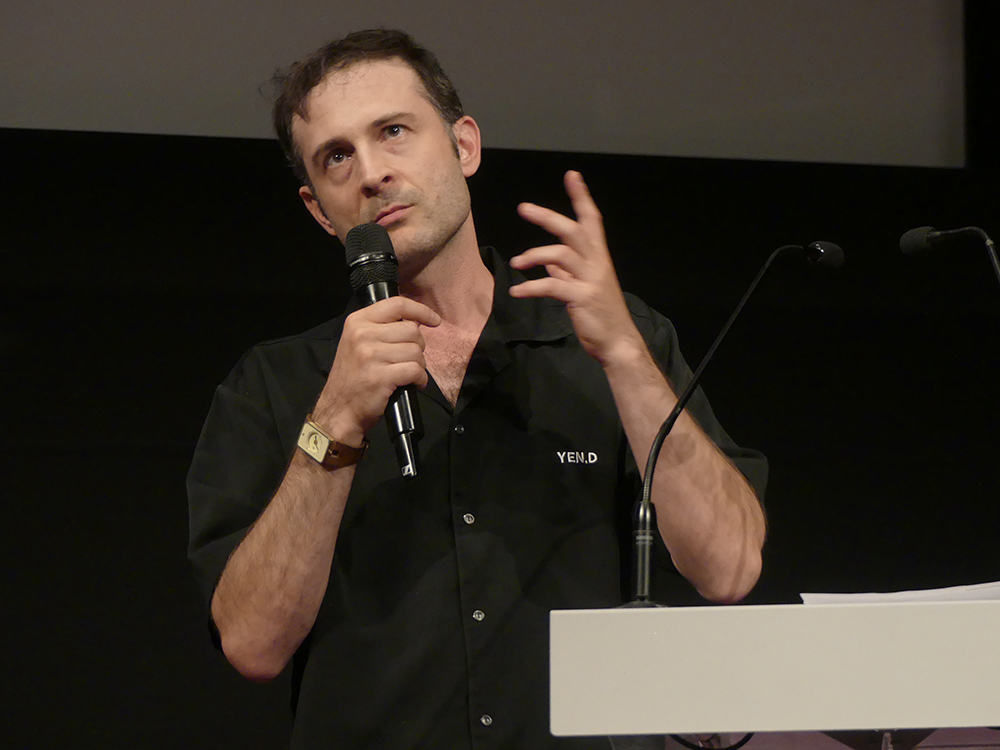
The Prix Jean Vigo for short film was awarded to Saïd Hamich Benlarbi, further highlighting the ceremony’s enduring commitment to discovering emerging voices. As with the feature prize, the distinction honors the filmmaker rather than a specific production, emphasizing the long-term promise of an author's cinematic vision. This principle has remained central to the Jean Vigo ethos for decades: the award is not intended as the culmination of an established career but rather as an expression of confidence in artists whose originality and independence deserve encouragement. Eligible works must be French productions or majority French co-productions completed after the previous edition of the prize, with the jury—composed of members of the Association Prix Jean Vigo and annually invited guests—selecting recipients unanimously during its deliberations. Following the announcement of the winners, the honored films were traditionally screened at the Cinémathèque, allowing audiences to immediately experience the works that had inspired the jury’s choices.
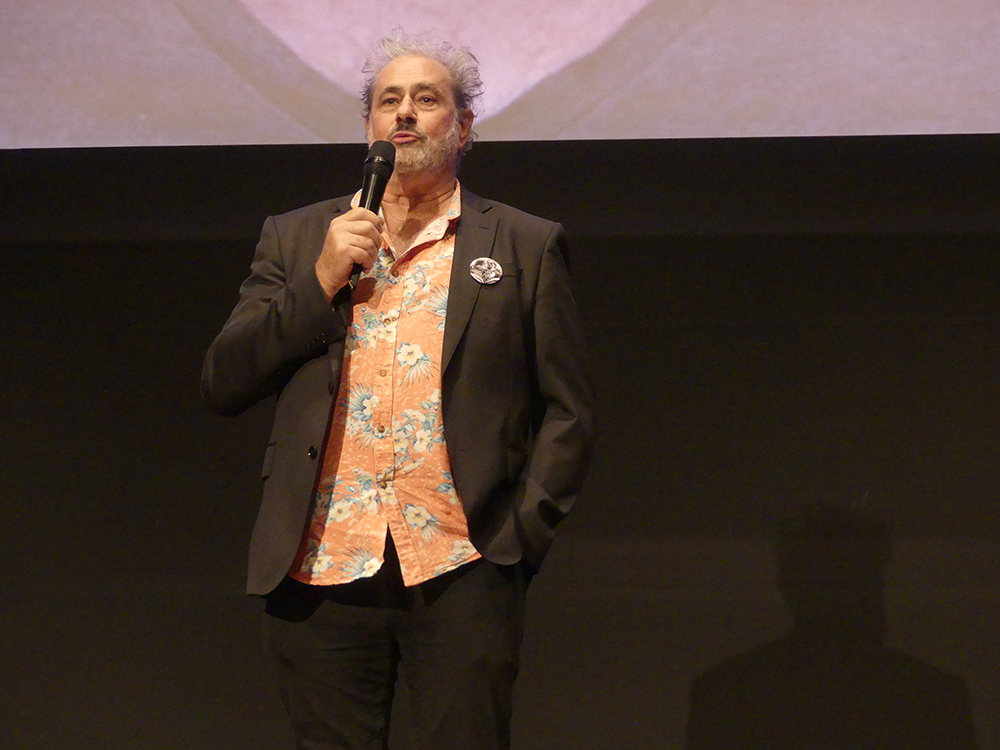
For those fortunate enough to attend the ceremony, the atmosphere reflected precisely what has made the Prix Jean Vigo such a cherished institution over three quarters of a century. Unlike larger award shows dominated by spectacle and celebrity, the evening maintained an intimate and emotional character centered on filmmakers, artistic conviction, and cinema itself. The event celebrated not simply achievements already recognized but futures still being written, continuing a tradition that has identified some of the most important voices in French and international cinema long before widespread recognition followed. Seventy-five years after its creation in memory of Jean Vigo, who died in 1934 at only twenty-nine years old, the award remains remarkably faithful to its founding ambition: to recognize not merely excellence, but the courage to invent, to experiment, and to pursue cinema as an uncompromising act of artistic freedom.
You can discover our photos in our Flickr page
Photos and video 4K : Boris Colletier / Mulderville