

Musée Grévin: Gautier Capuçon Joins the Ranks of Parisian Celebrities
Thursday 28 May, 2:30 PM PT Paris, Musée Grévin 2026-05-28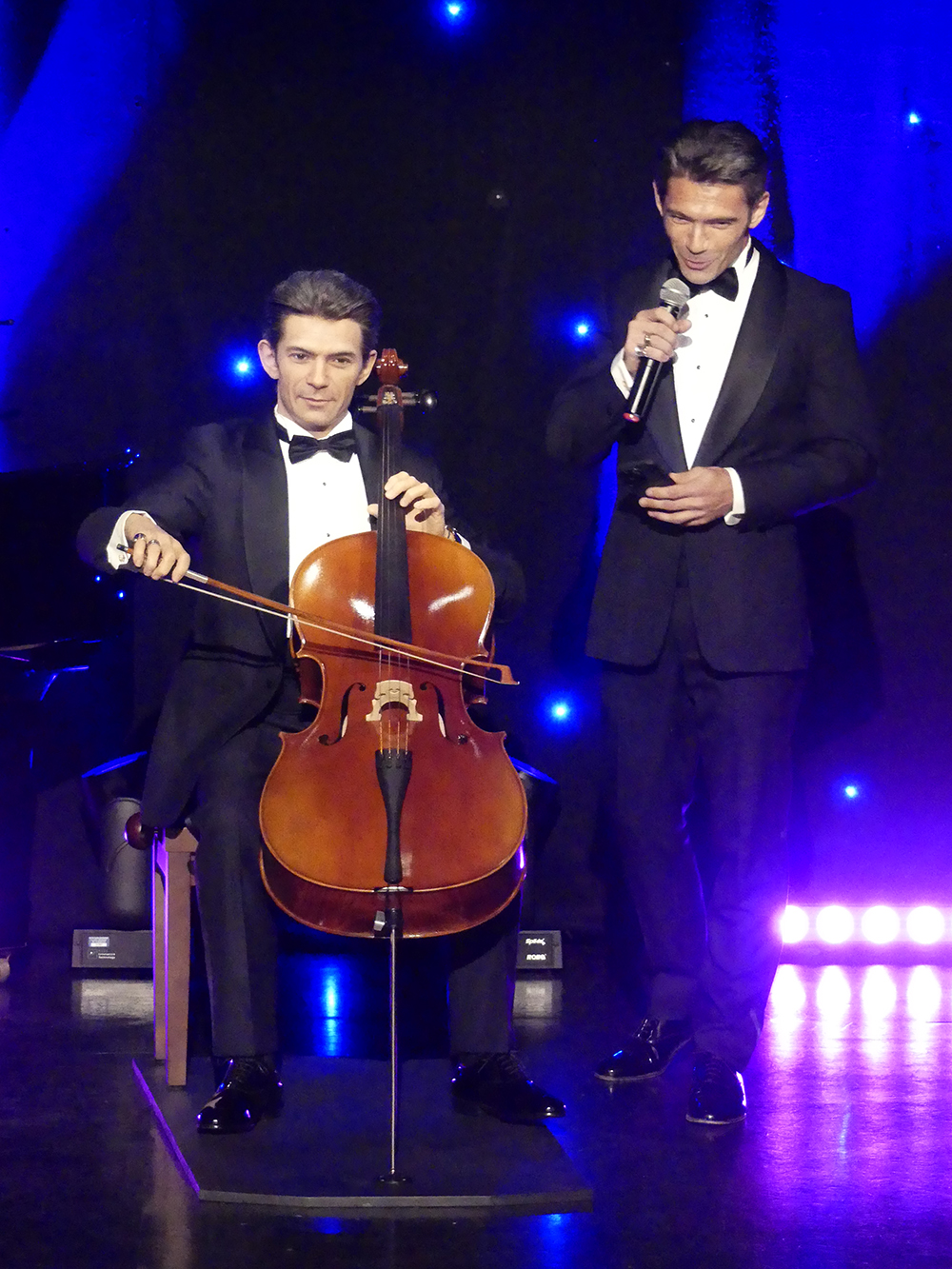
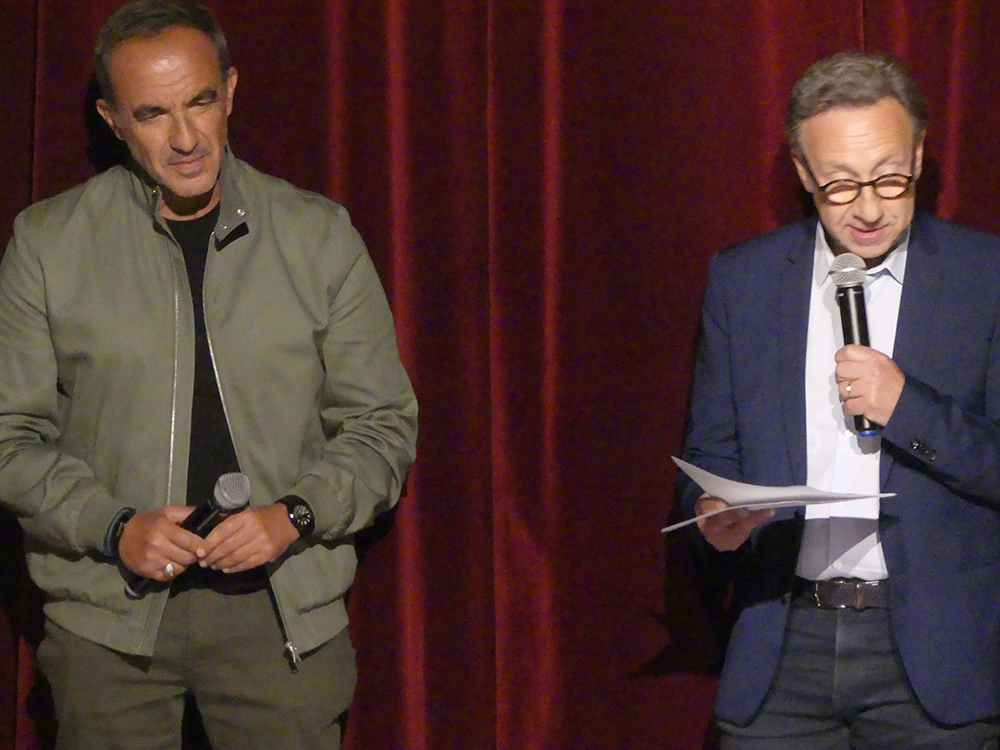
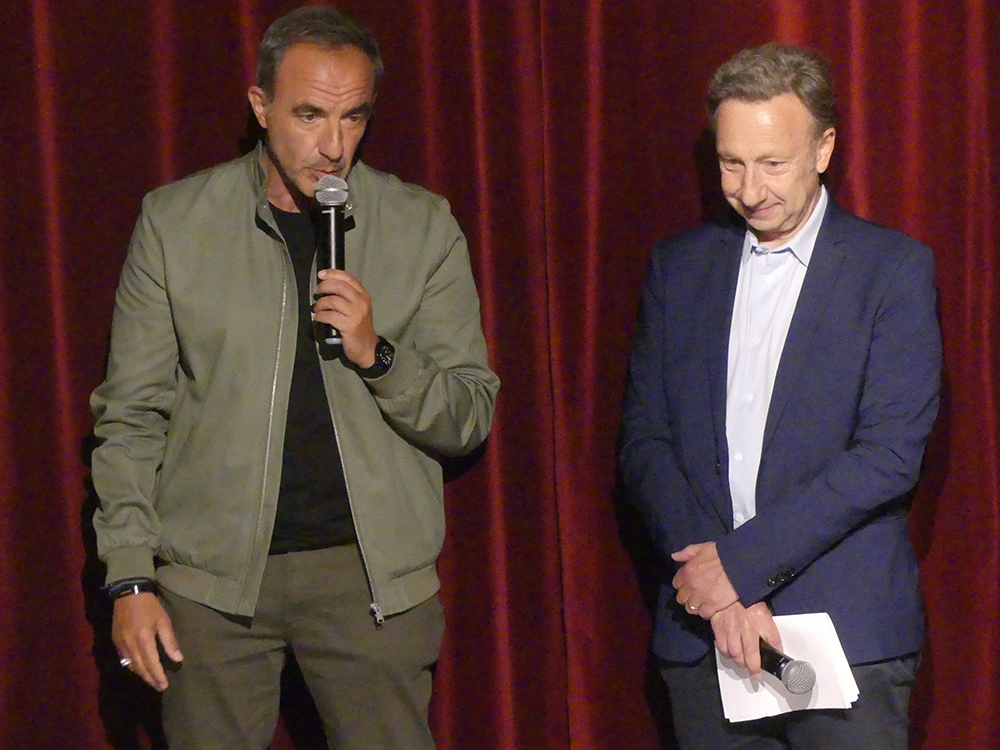
May 28, 2026, marked a significant milestone in the career of renowned French cellist Gautier Capuçon, who officially entered the prestigious Musée Grévin, joining the approximately 250 personalities immortalized within the famous Parisian institution. Welcomed by Yves Delhommeau, General Director of Musée Grévin, Nikos Aliagas, member of the Grévin Academy, and Stéphane Bern, President of the Grévin Academy, the celebrated musician experienced a moment that symbolized far more than another career achievement. This distinction honors not only an exceptional artistic journey but also recognizes a musician who has become one of the most influential ambassadors of French classical music around the world. From the Philharmonie de Paris to Carnegie Hall, and alongside the Berlin and Vienna Philharmonic Orchestras, Gautier Capuçon has built a reputation for making classical music accessible to broad audiences while maintaining the highest standards of artistic excellence.
His arrival at Musée Grévin also carries strong symbolic significance because it reunites him with his brother, violinist and conductor Renaud Capuçon, who has been part of the museum's collection since March 9, 2020. Following the example of the Lumière brothers, the Capuçon brothers now become one of the rare French sibling pairs represented together within the museum. In the highly specialized and demanding world of classical music, seeing two brothers achieve such a level of public recognition remains an exceptional accomplishment. Their presence also reflects Musée Grévin’s ongoing evolution as it continues to modernize its image by welcoming more contemporary figures from music, television, and popular culture, broadening its appeal to younger and more diverse audiences. Gautier Capuçon, whose visibility has expanded considerably through his long-standing role as a judge on the France Télévisions program Prodiges, perfectly embodies this bridge between artistic excellence and mainstream cultural visibility.
What makes Gautier Capuçon’s career particularly remarkable is his ability to combine international prestige with genuine public engagement. Born in Chambéry in 1981, he began studying the cello at the age of five before entering the Paris Conservatory, where he studied under distinguished teachers including Philippe Muller and Annie Cochet-Zakine. His talent quickly attracted international attention. After winning the André Navarra Competition in Toulouse and receiving the Victoire de la Musique Classique award for Best New Talent in 2001, he continued to build an extraordinary career that would take him to the world’s most prestigious concert halls. Over the years, he has collaborated with celebrated conductors such as Gustavo Dudamel, Andris Nelsons, Yannick Nézet-Séguin, Riccardo Chailly, Kirill Petrenko, and Christian Thielemann, while sharing the stage with artists including Martha Argerich, Daniel Barenboim, Yuja Wang, Lisa Batiashvili, and Evgeny Kissin.
Yet defining Gautier Capuçon solely as an internationally acclaimed virtuoso would overlook a crucial dimension of his influence. In recent years, he has become one of France’s most active advocates for musical education and cultural outreach. Through his Foundation, established in 2022, he supports emerging artists at the beginning of their professional careers. His Classe d’Excellence at the Louis Vuitton Foundation helps nurture a new generation of musicians, while his involvement with the Orchestre à l’École association introduces thousands of children across France to musical practice. At a time when classical music often faces challenges in maintaining mainstream visibility, Gautier Capuçon has become one of the few artists capable of bringing together cultural institutions, media organizations, and younger audiences around a shared passion for music.
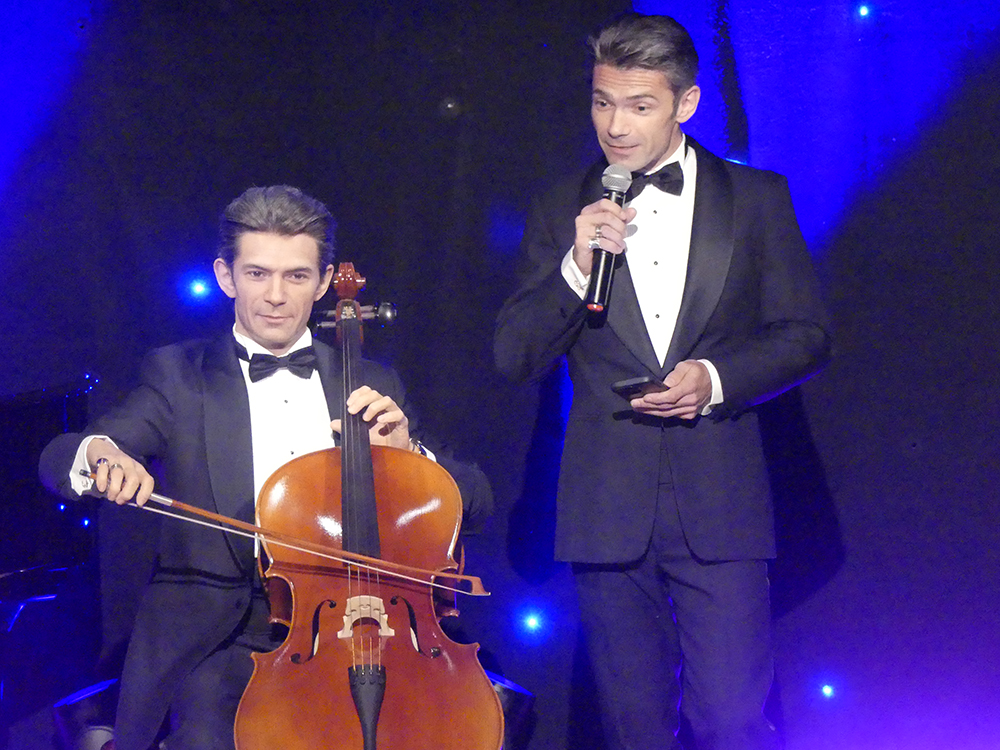
His commitment to accessibility was perhaps most visible through the remarkable success of his Un été en France tour, launched during the COVID-19 pandemic in 2020. At a time when much of the cultural sector had come to a standstill, the cellist chose to travel throughout France, bringing live music directly to communities that often had limited access to major cultural events. Initially generating some public debate before ultimately becoming a free initiative, the tour quickly evolved into a national cultural phenomenon. More than 145,000 spectators attended performances across the country, introducing classical music to audiences in entirely new settings. The experience transformed Gautier Capuçon’s public image, reinforcing his status as a popular cultural figure capable of taking classical music far beyond its traditional boundaries.
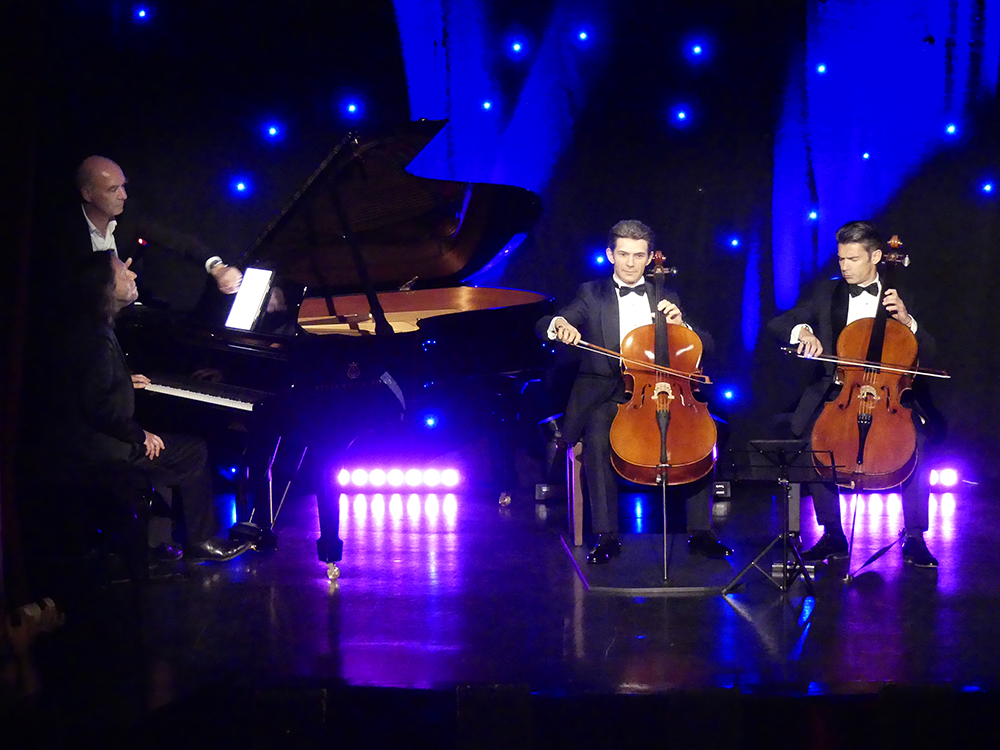
The creation of his wax figure reflects the same attention to detail and excellence that characterize his musical career. Sculptor Laurent Mallamaci and the Grévin workshops spent several months studying every aspect of the artist’s appearance, from precise measurements and extensive photography sessions to detailed examinations of facial expressions, skin tones, eye colors, and hand casts. Special attention was devoted to reproducing his jewelry in collaboration with Chopard and Tiffany & Co., while the figure itself is dressed in a tuxedo by De Fursac and accompanied by a cello, faithfully capturing the elegance and sophistication associated with the musician. The final result is remarkably lifelike, particularly in the facial expression and hands, essential features for representing an artist whose relationship with his instrument is so deeply personal.
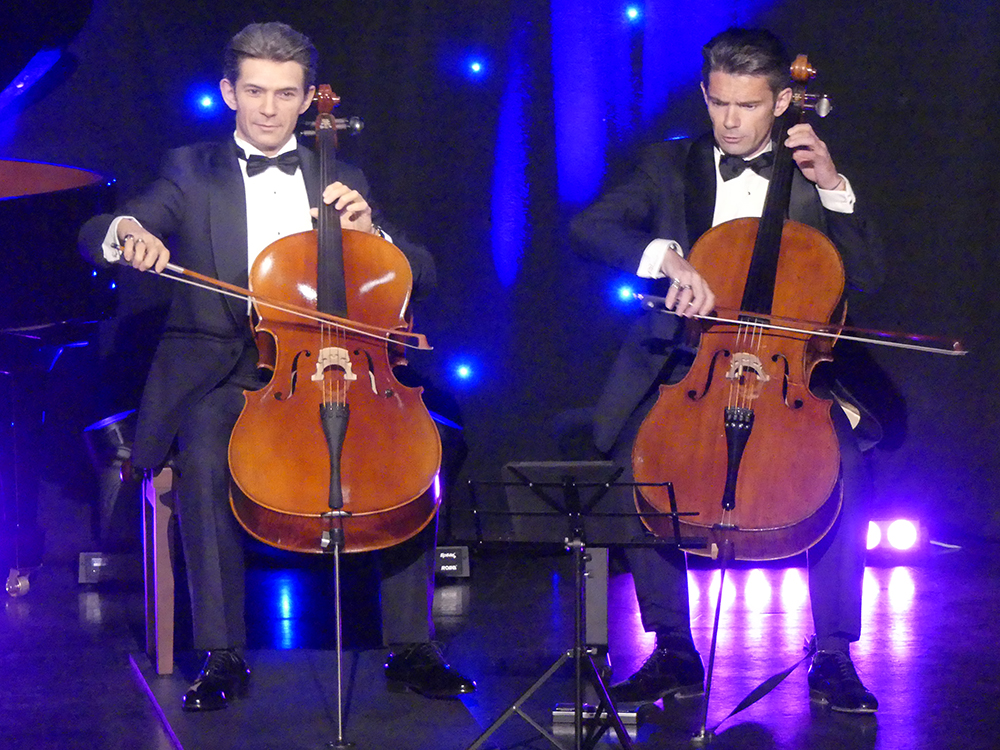
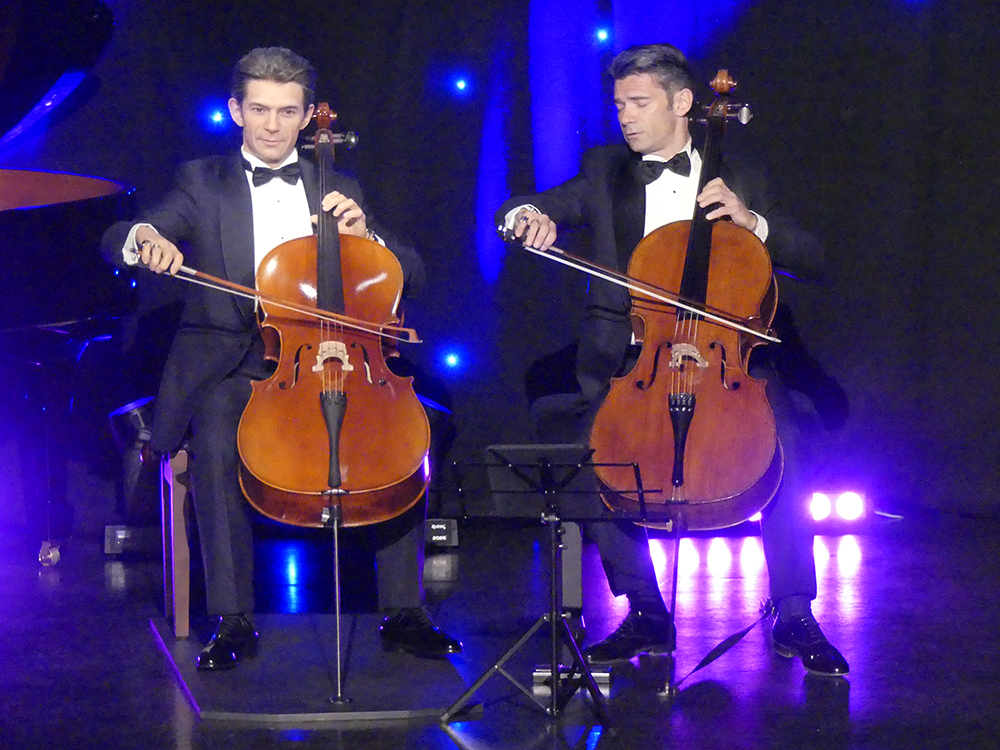
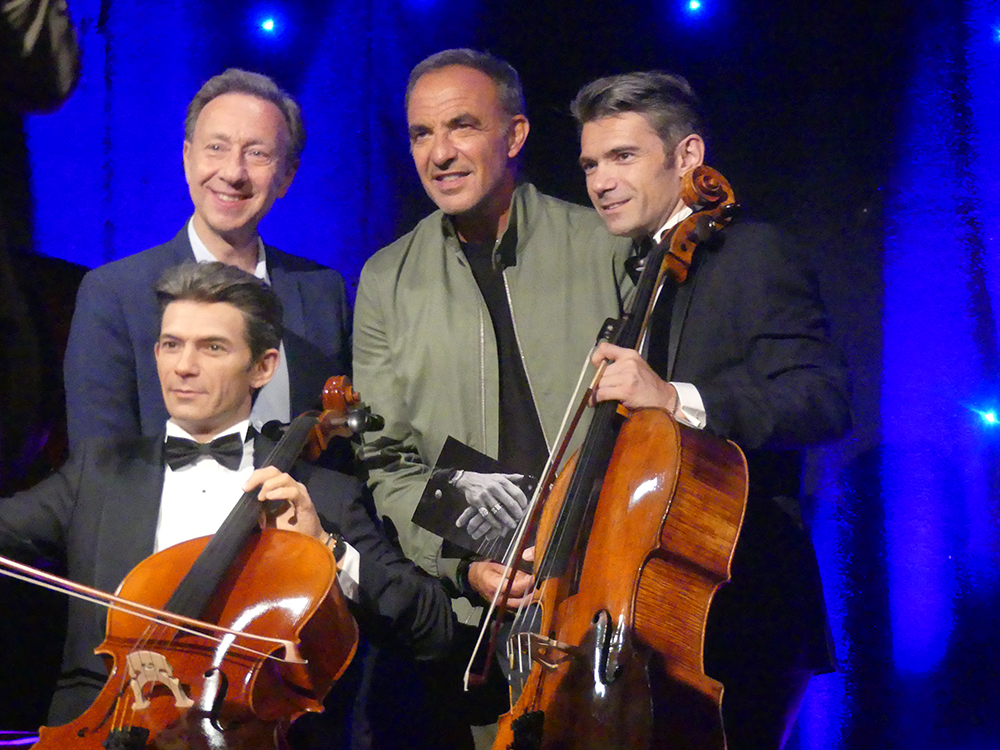
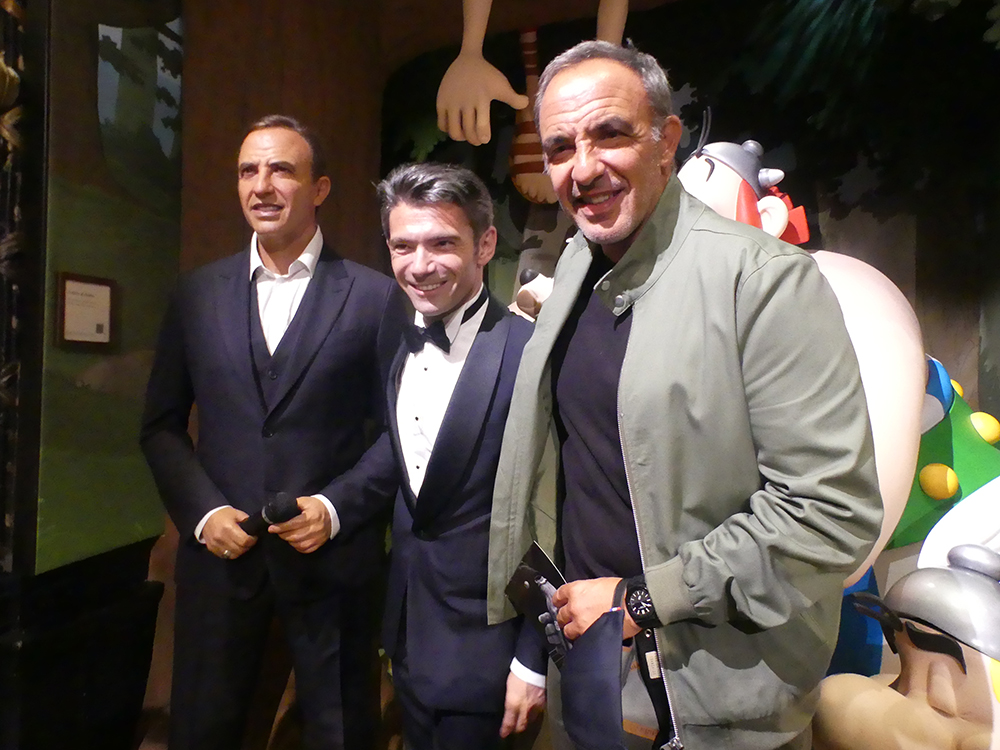
The unveiling ceremony itself became one of the highlights of the event. Surrounded by cultural figures including Stéphane Bern, Nikos Aliagas, and Eve Ruggieri, Gautier Capuçon chose to thank the audience in the most fitting way possible: through music. Accompanied by his longtime friends and acclaimed pianists Franck Braley and Jérôme Ducros, he performed several pieces for the packed audience gathered at the museum. The intimate musical interlude transformed what could have been a formal institutional ceremony into a genuine celebration of artistry, reminding guests that behind the wax figure stands an artist whose greatest passion remains sharing music with others.
This recognition arrives during an exceptionally active period in the musician’s career. His 2025–2026 season includes major engagements with the Berliner Philharmoniker under Kirill Petrenko, performances with the San Francisco Symphony, and a residency with the Sächsische Staatskapelle Dresden. His ambitious recording project Gaïa further illustrates his desire to build bridges between classical tradition and contemporary creation, featuring works by Max Richter, Bryce Dessner, Joe Hisaishi, Ludovico Einaudi, and Gabriela Montero.
Ultimately, Gautier Capuçon’s induction into Musée Grévin represents far more than the unveiling of a wax figure. It reflects the unique place he occupies within contemporary French culture. Few classical musicians today successfully combine international acclaim, public popularity, media visibility, and educational commitment with such natural ease. By welcoming Gautier Capuçon into its galleries on Boulevard Montmartre, Musée Grévin is not only celebrating a remarkable musician—it is also immortalizing one of the figures who has done the most to modernize and democratize the image of French classical music over the past fifteen years.
You can discover our photos in our Flickr page
(Source: press release)