

Musée Grévin: The Ballon d’Or Officially Joins the Legends of the Famous Parisian Museum
Tuesday 19 May, 2:00 PM PT Paris, Musée Grévin 2026-05-19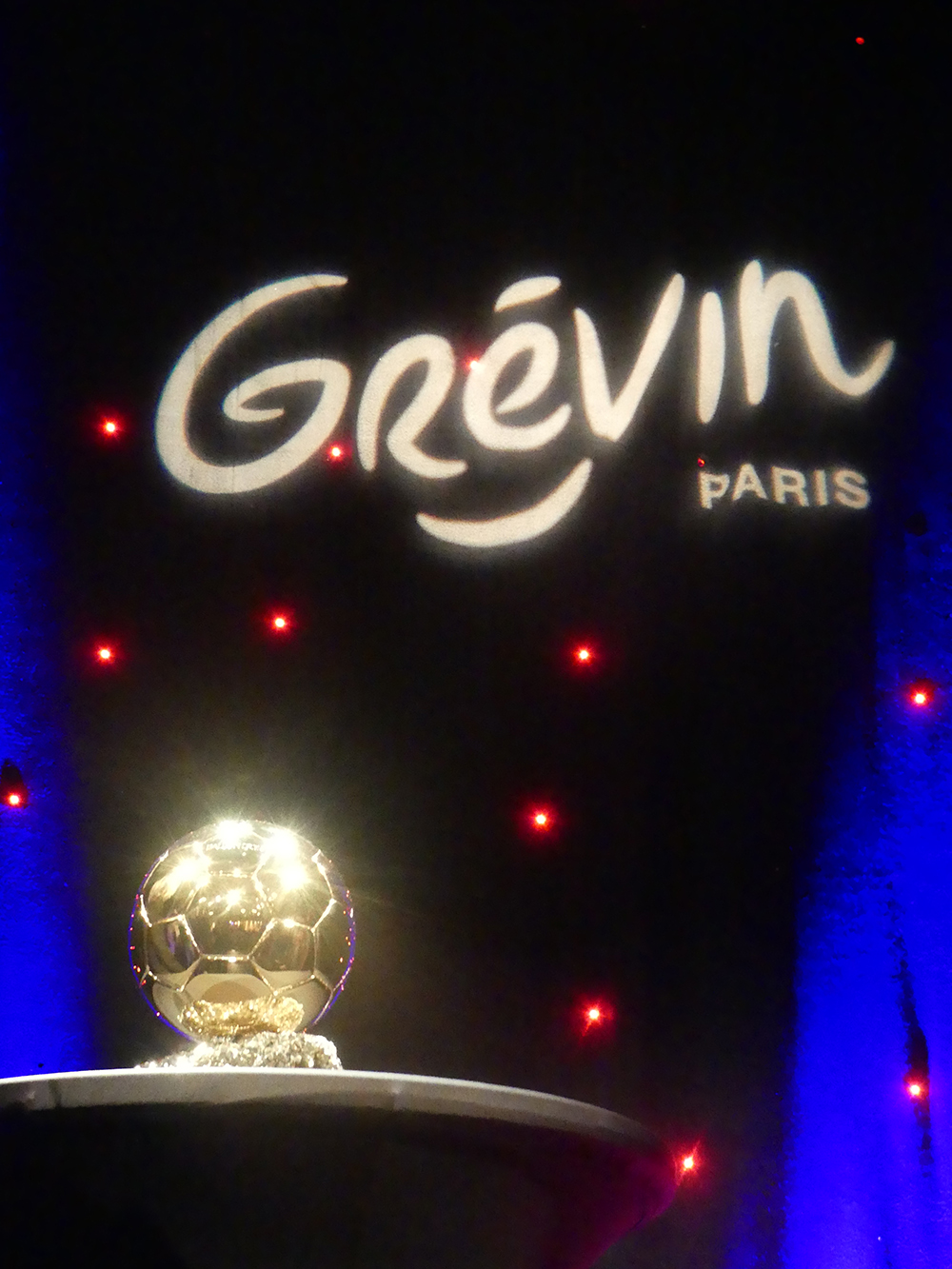
On Tuesday, May 19, 2026, the famous Musée Grévin welcomed a rather special guest in the evening—one infinitely more symbolic than a mere new wax figure. Our media outlet was invited to the official inauguration of the Ballon d’Or’s inclusion in the Parisian museum’s permanent exhibition, an event attended by Yves Delhommeau, CEO of Grévin; Rolf Heinz, CEO of the L’Équipe Group; François Fassier, President of Grévin; and Aurore Amaury, President of the L’Équipe Group. Upon arrival in the museum’s halls, the atmosphere immediately set the tone for an evening conceived as a tribute to the history of world soccer as well as to the cultural significance this trophy has acquired over the decades. In the museum’s corridors, where figures from the worlds of cinema and music, heads of state, and popular icons usually cross paths, the Ballon d’Or seemed to find a natural place, as its aura today extends far beyond the realm of sports. The most fascinating aspect of this inauguration was precisely that strange sensation of seeing an object become a “personality” in its own right, as if the trophy had ultimately surpassed the players who won it to become an autonomous legend of global popular culture.
Created in 1956 by France Football magazine, the Ballon d’Or remains today the most prestigious individual award in international soccer. For decades, it has accompanied the evolution of the beautiful game, spanning generations, playing styles, and media revolutions. Initially reserved for European players before gradually expanding its scope to global soccer, the trophy has seen its importance skyrocket with the globalization of modern soccer and the rise of stars who have become global brands. Since 2018, the Ballon d’Or™ has also honored the world’s best female player, a significant development that finally reflects the international recognition of women’s soccer at the highest level. This historical retrospective took on a special dimension in the new space designed by Grévin, as the entire exhibition was conceived to tell the trophy’s story as a true modern epic. With lighting effects, archival footage, immersive staging, and references to football’s greatest moments, the installation seeks not merely to display a simple object but to convey the emotional significance it holds for millions of fans around the world.

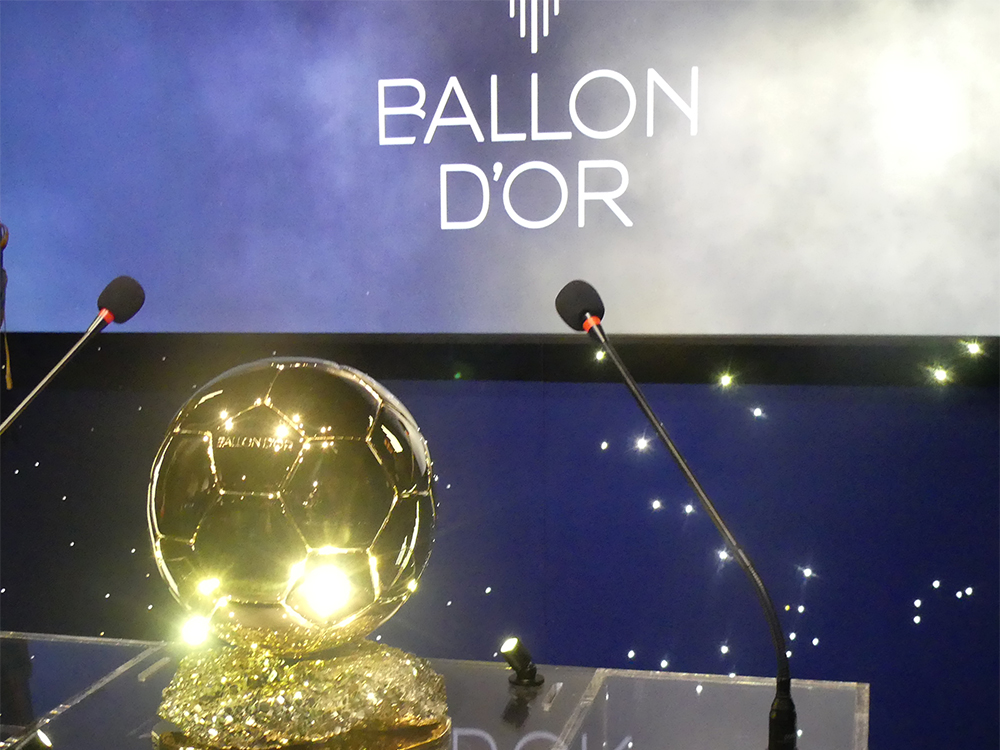
The new setting created to house the trophy is likely one of the most ambitious sports-themed spaces the museum has designed in recent years. The Ballon d’Or™ is presented in a display case specially designed for it, conceived as an almost sacred centerpiece of the exhibition. A particularly interesting detail highlighted during the evening concerns the very creation of the trophy on display at Grévin, crafted specifically for the museum by the jeweler Mellerio, a historic house founded in 1613 and considered one of the oldest jewelry houses in the world still in operation. This choice is obviously no coincidence, as it further reinforces the Ballon d’Or™’s almost regal status in the collective imagination. Observing the visitors present during the evening, it was striking to note just how instinctively the trophy draws the eye, almost more so than certain statues of celebrities who are nonetheless world-famous. This fascination likely stems from the fact that the Ballon d’Or represents not only a sporting victory, but also an absolute crowning achievement, the ultimate symbol of a fulfilled career.
The exhibition naturally highlights several legends already featured in the museum, notably Zinédine Zidane, the 1998 Ballon d’Or winner, as well as Cristiano Ronaldo, a five-time winner, and Lionel Messi, the all-time record holder with eight Ballon d’Or awards. Seeing the trophy displayed alongside these iconic figures provides a rather striking perspective on the history of contemporary soccer. It’s hard not to feel a certain nostalgia when thinking back on the now-iconic ceremonies, the endless debates between fans and sports journalists, or the historic seasons that forged these players’ legends. In a world where sports awards are constantly multiplying, the Ballon d’Or retains a unique emotional dimension, particularly because it remains deeply tied to specific collective memories: a World Cup, a Champions League final, a legendary goal, or a season that has become legendary.
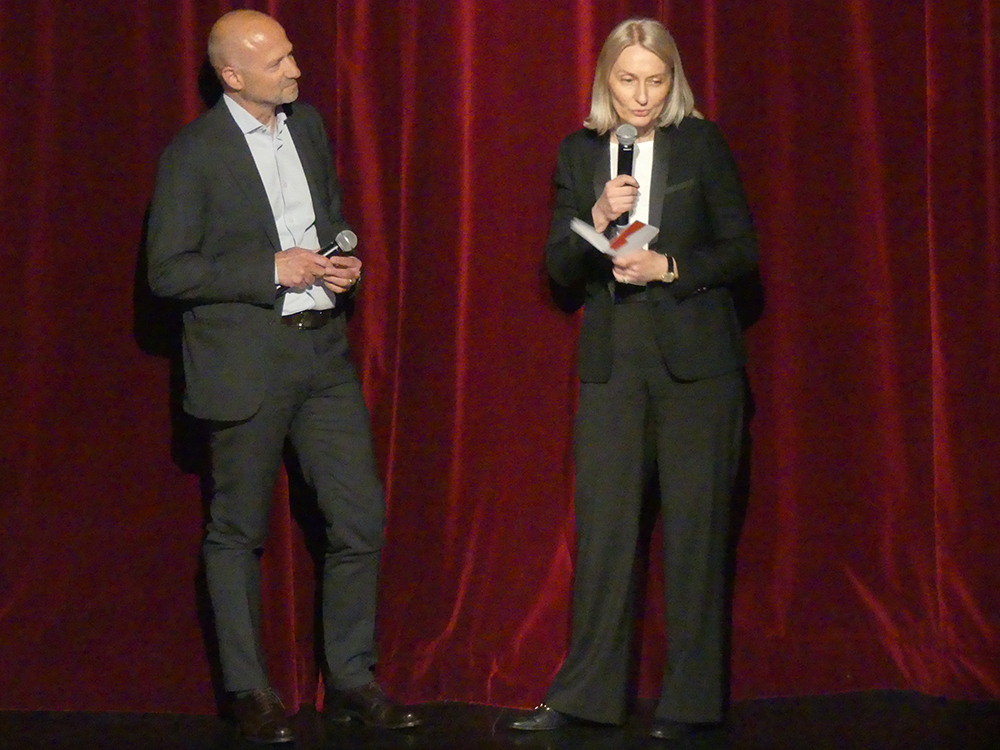
This project could not have come to fruition without the collaboration between the Amaury Group, the L'Équipe Group, and France Football, the owners and historic creators of the Ballon d’Or. This collaboration also illustrates the evolution of the Musée Grévin itself, which has been seeking for several years to modernize its image by blending popular culture, sports, music, and new media figures. With nearly 900,000 annual visitors, the museum continues to attract an extremely broad and intergenerational audience, regularly enriching its exhibits with new personalities such as Vianney, DJ Snake, Aya Nakamura, Guillaume Diop, and Clara Luciani. Yet the arrival of the Ballon d’Or marks something different, almost a new phase in how Grévin now approaches its exhibitions: no longer just celebrating famous people, but also universal symbols capable of capturing an entire era.
Beyond the event itself, this inauguration also reveals something deeper about the place of soccer in contemporary society. Seeing a sports trophy officially enter the Musée Grévin serves as a reminder of just how much soccer has become a global cultural language capable of transcending borders, generations, and social backgrounds. The Ballon d’Or is no longer merely a sports award presented at an annual ceremony in Paris; it has become an instantly recognizable global icon, on par with certain works of art or historical artifacts. And finally, as I wandered through the museum’s corridors after the ceremony, amid the flashes of photographers and passionate conversations about past winners, one thing became almost self-evident: few objects in modern sports possess such symbolic power today.
You can discover our photos in our Flickr page
Photos and video : Boris Colletier / Mulderville