

Cannes 2026 : Paper Tiger Marks James Gray’s Haunting Return to the Croisette
Saturday 16 May, 2:55 PM PT Cannes, Palais des Festivals et des Congrès de Cannes 2026-05-16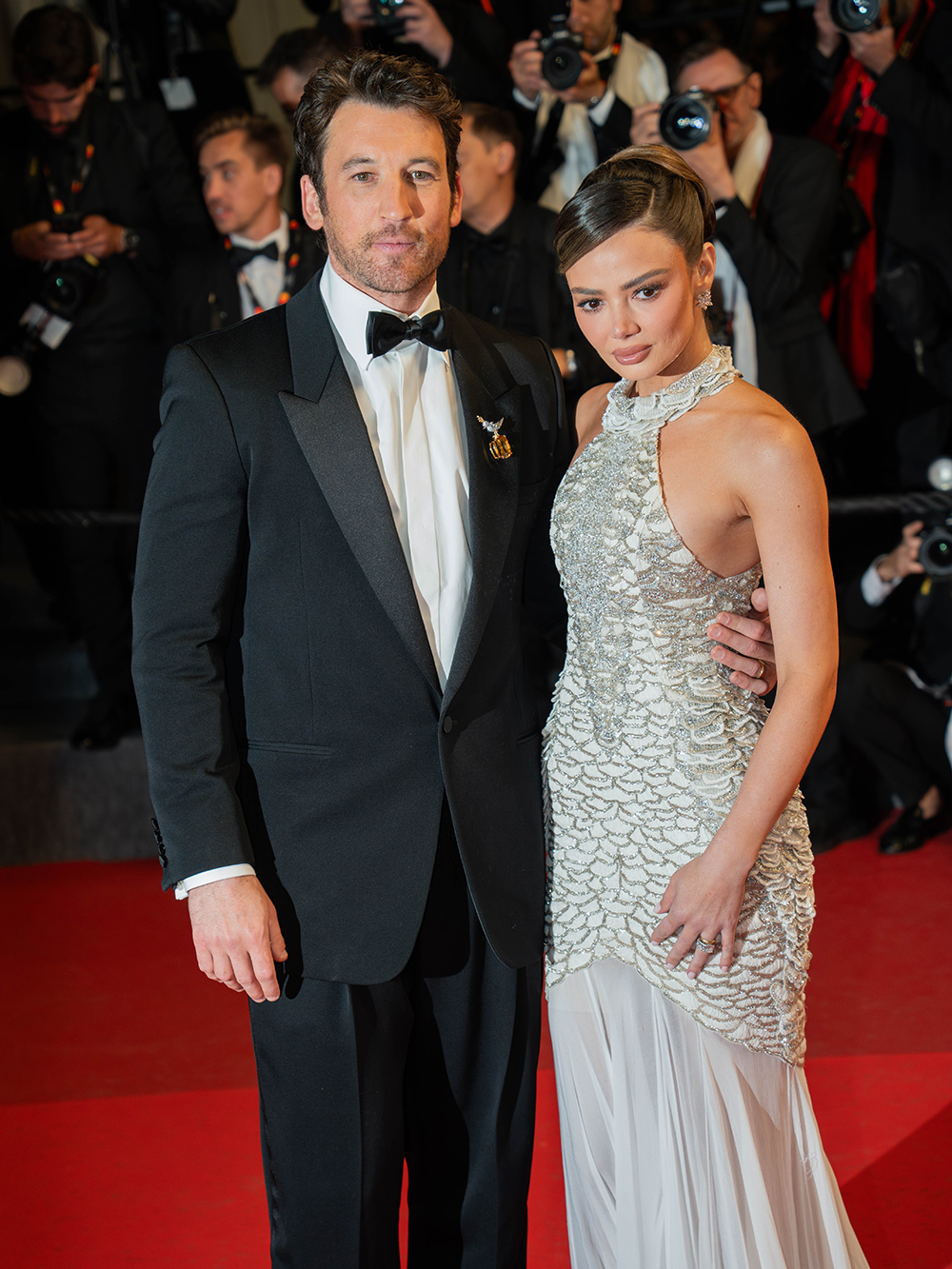
On May 16, 2026, the red carpet at the 2026 Cannes Film Festival became the stage for one of the most anticipated screenings of the festival: the world premiere of Paper Tiger, James Gray’s ninth feature film, presented in the Official Competition for the Palme d’Or. From the very first minutes leading up to the red carpet arrival, a special atmosphere hung over the Palais des Festivals, as if the entire Croisette knew it was about to witness something rare: the return of a master of American cinema to his favorite emotional terrain—that of family tragedies steeped in urban fatalism and intimate violence. Amid the photographers’ flashes, James Gray appeared flanked by Adam Driver, Miles Teller, producer Rodrigo Teixeira, Anthony Katagas, and editor Scott Morris, delivering one of the festival’s most elegant and cinephile-friendly red-carpet appearances. The enthusiastic applause from the crowd gathered in front of the Grand Théâtre Lumière already reflected the New York filmmaker’s special status among festival-goers—a director who, film after film, has built a deeply personal body of work without ever succumbing to Hollywood trends.
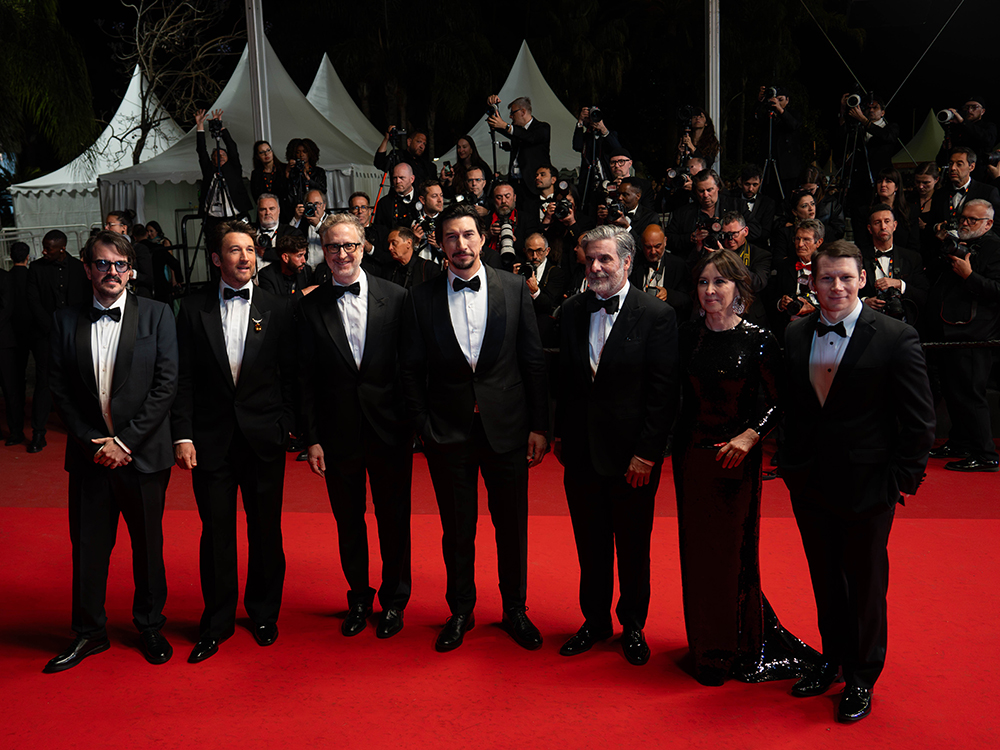
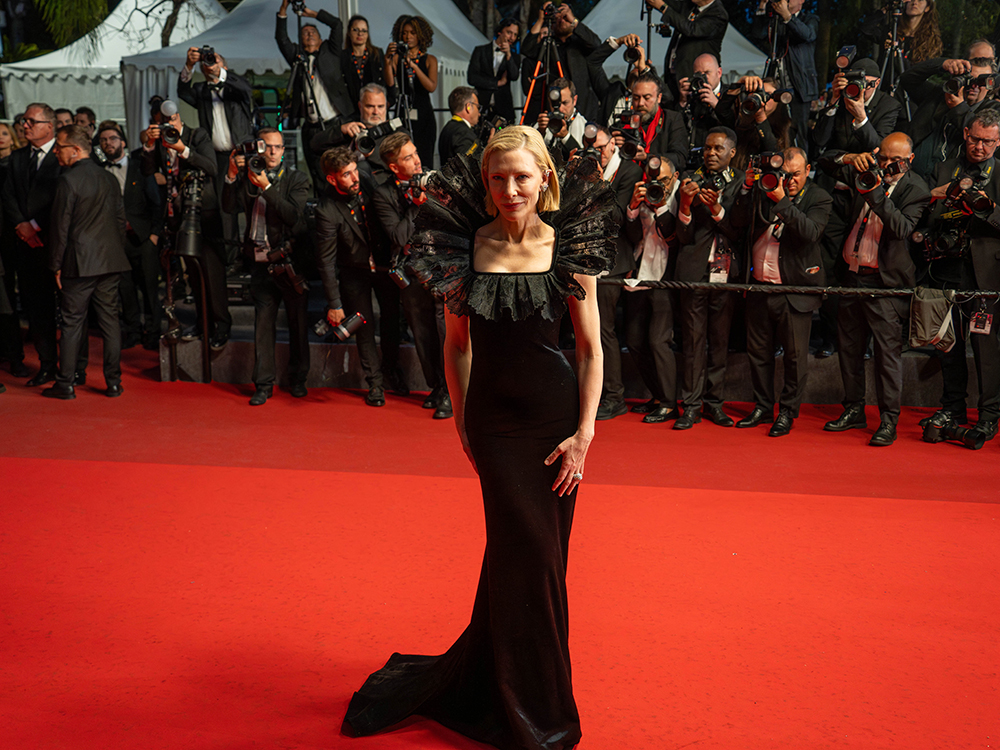
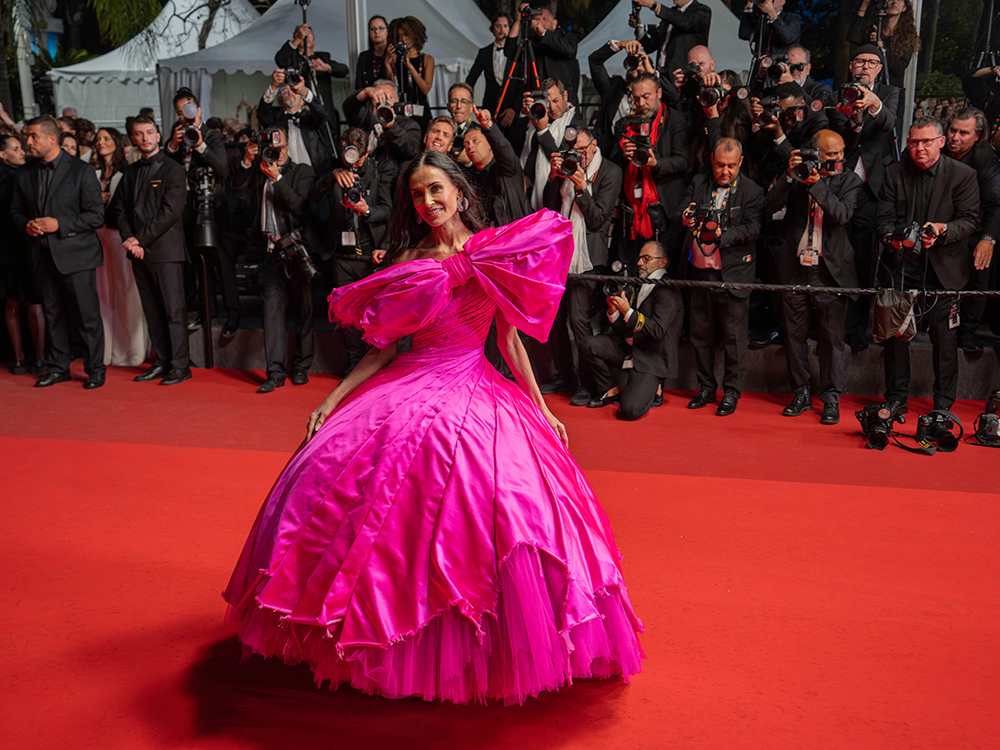
Alongside the film’s crew, the evening also drew several major international figures from the film world who came to support this prestigious Cannes premiere. Demi Moore, Chloé Zhao, Ruth Negga, Paz Vega, and Cate Blanchett were spotted on the red carpet in a particularly electric atmosphere, giving this screening the feel of a major gathering of contemporary American auteur cinema. The presence of Cate Blanchett, who lingered at length before the photographers before entering the Grand Théâtre Lumière, caused quite a stir among the journalists and fans gathered on the Croisette. Inside the theater, the reception for Paper Tiger proved extremely warm, quickly confirming that the film was among the standout works of the 2026 competition.
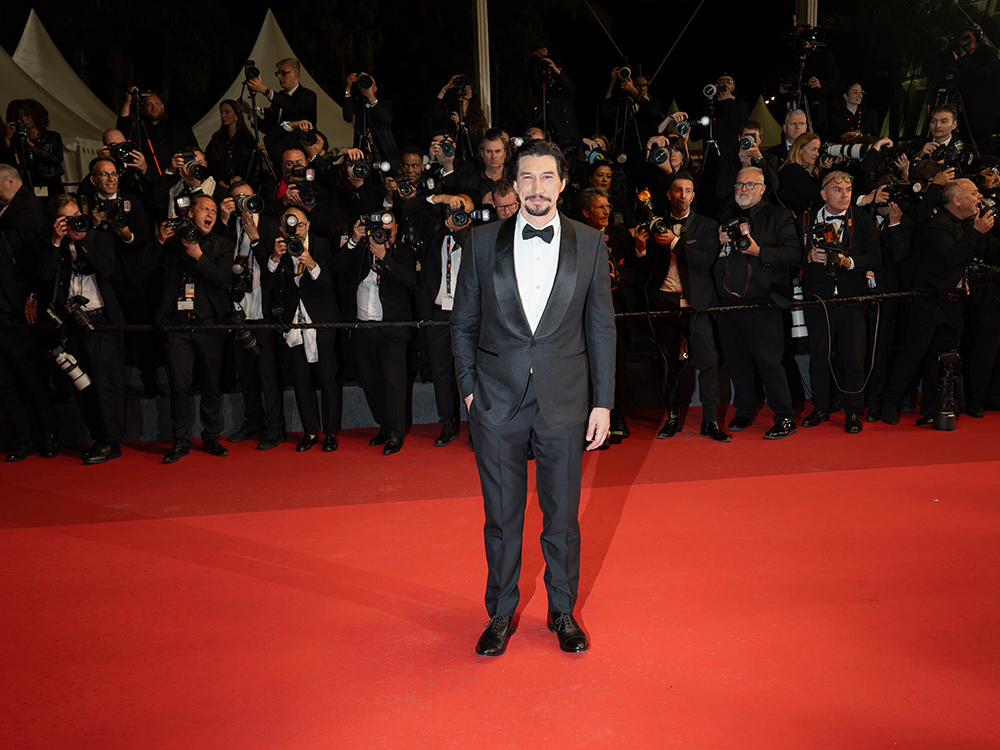
With Paper Tiger, James Gray clearly returns to the urban darkness that permeates much of his filmography, in the spiritual tradition of Little Odessa, The Yards, and We Own the Night. Here, the filmmaker continues his obsessive exploration of broken families, toxic relationships, and American dreams devoured by organized crime. Once again, New York and its immigrant communities become haunted territories where the characters desperately try to preserve their humanity as violence inevitably catches up with them. The story follows two brothers pursuing their version of the American dream before becoming entangled in a Russian mafia affair, gradually endangering their family and fracturing their relationship to the point of betrayal. Behind this criminal plot lies, above all, a deeply autobiographical drama, as James Gray has often explained that his entire body of work draws from the intimate history of his own Jewish New York family of Russian immigrant origin. The director had already confided during the promotion of Armageddon Time that he wanted to revisit this painful period in his family life, marked by both his father’s legal troubles and his mother’s illness, gradually transforming this intimate material into a tragic crime thriller.
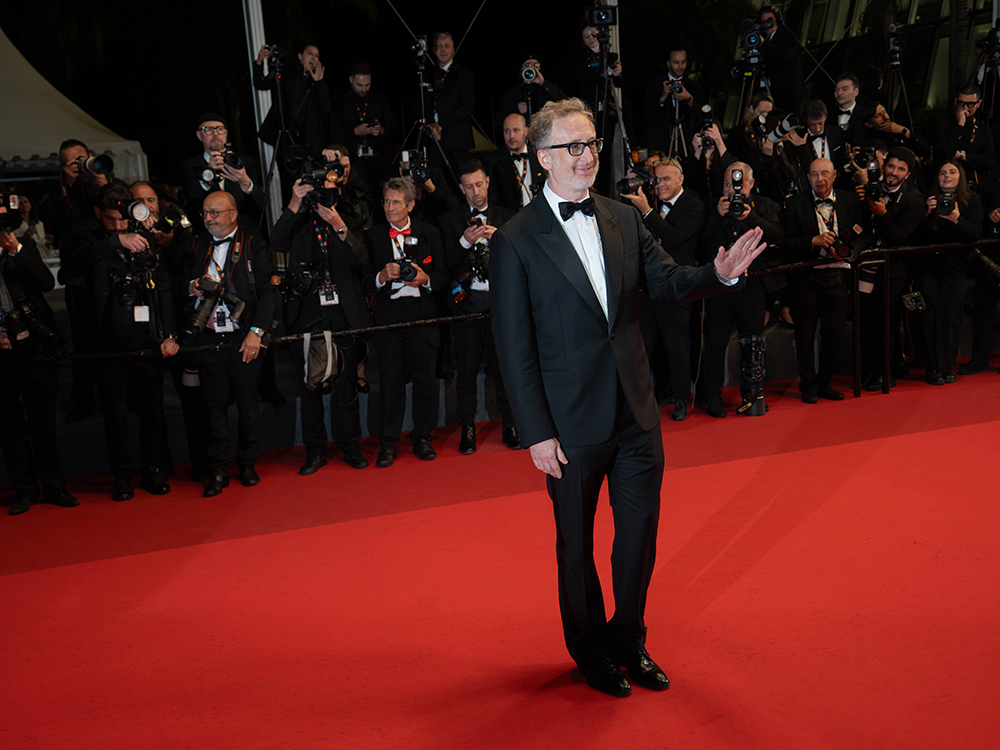
The Paper Tiger project underwent several changes before reaching Cannes. Initially announced for late 2024 with Anne Hathaway and Jeremy Strong alongside Adam Driver, the film ultimately saw Scarlett Johansson and Miles Teller take over the roles following scheduling conflicts. This casting change clearly did nothing to diminish the project’s power—quite the contrary. On the Cannes red carpet, the chemistry between Adam Driver and Miles Teller was evident, with the two actors exchanging knowing glances with James Gray in front of the photographers. Scarlett Johansson’s notable absence, however, did not prevent her performance from being widely discussed after the screening, with many festival-goers already praising the emotional restraint of her portrayal.
Visually, Paper Tiger also bears the signature of classic American cinema brought up to date. Joaquín Baca-Asay’s cinematography envelops the film in a cold, twilight-like texture that at times recalls the great urban thrillers of the 1970s while retaining the operatic dimension typical of James Gray’s cinema. The music composed by Christopher Spelman accompanies this descent into hell with an elegiac restraint that further heightens the emotional weight of the family scenes. Behind the camera, the direction impresses above all with its mastery of silence and space, as James Gray continues to film faces in a way few American directors still know how to do today.
During the press conference held in Cannes, James Gray reflected on the deeply intimate nature of the project, explaining that the film indirectly extended the reflections begun with Armageddon Time, but in a much darker and more criminal form. The filmmaker notably spoke of his ongoing interest in characters trapped within family and social systems that overwhelm them, while fully embracing his love for classic American neo-noir. Several journalists in attendance also noted how much Paper Tiger seemed to encapsulate the director’s entire career, bringing together both the sentimental lyricism of Two Lovers and the restrained violence of We Own the Night.
You can discover our photos in our Flickr page
Synopsis :
Two brothers are chasing the American dream—but they find themselves caught up in a shady deal involving the Russian mafia.
Paper Tiger
Written and directed by James Gray
Produced by Rodrigo Teixeira, Anthony Katagas, Raffaella Leone, Gary Farkas, Marco Perego, Carlo Salem, Andrea Bucko
Starring Adam Driver, Scarlett Johansson, Miles Teller
Cinematography : Joaquín Baca-Asay
Edited by Scott Morris
Music by Christopher Spelman
Production companies : RT Features, Keep Your Head Productions, Leone Film Group
Distributed by Neon (United States), SND (France)
Release date : May 16, 2026 (Cannes)
Running time : 115 minutes
Photos : @fannyrlphotography