

Cannes 2026 : Fatherland Brings Black-and-White Elegance and Cold War Shadows to the Cannes Competition
Thursday 14 May, 2:30 PM PT Cannes, Palais des Festivals et des Congrès 2026-05-14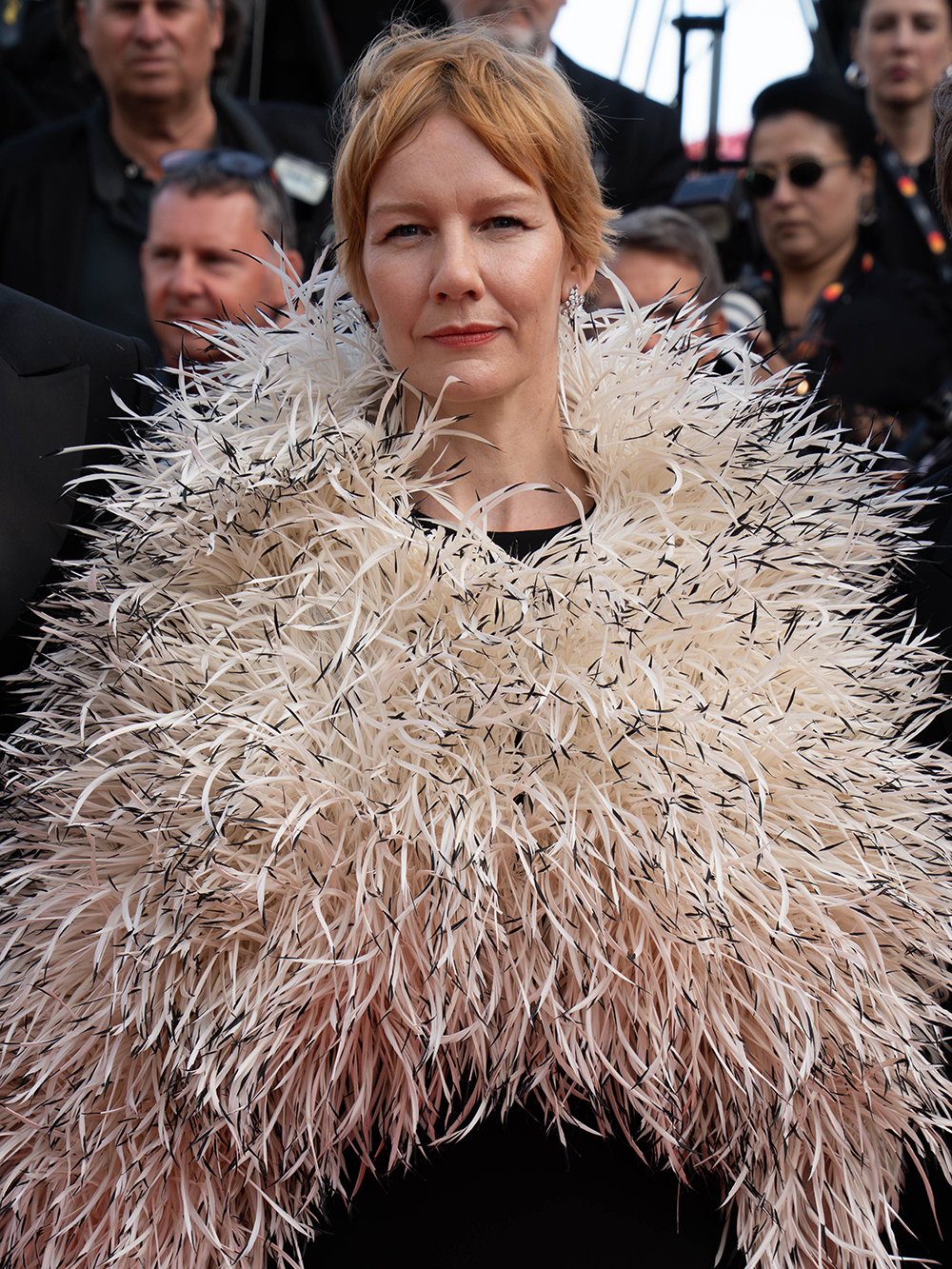
There are certain evenings at the Cannes Film Festival when the Croisette suddenly seems to slow down, as if the machinery of glamour and celebrity spectacle briefly pauses to acknowledge the arrival of something more solemn, more historically resonant, and perhaps more important. The world premiere of Fatherland (Vaterland) on May 14, 2026, undeniably belonged to that rare category. Competing for the Palme d’Or at the 79th edition of the festival, the latest feature from Paweł Pawlikowski transformed the Palais des Festivals into a place suspended between memory and cinema, where the shadows of twentieth-century Europe appeared to drift once again across the famous red carpet. Long before the first flashes exploded in front of the photographers’ pit, there was already a distinctly different atmosphere surrounding the premiere. Festival attendees lining the barricades spoke less about fashion predictions and celebrity gossip than about cinema itself, about the legacy of Ida and Cold War, and about the almost mythical status Paweł Pawlikowski has acquired over the last decade as one of contemporary European cinema’s most singular auteurs. The Polish filmmaker’s return to Cannes competition generated a level of anticipation rarely associated with austere black-and-white historical dramas, yet that anticipation only intensified throughout the evening as audiences began to understand that Fatherland was not merely another prestige festival title, but the completion of what many critics are already describing as an unofficial trilogy exploring exile, identity, and the lingering wounds of European history.
The arrival of Paweł Pawlikowski on the red carpet itself perfectly reflected the restrained elegance that defines his filmmaking style. Avoiding the theatricality often embraced during Cannes premieres, the director appeared calm, composed, and almost slightly detached from the surrounding frenzy, greeting journalists and photographers with the understated demeanor that has become part of his public persona over the years. Walking alongside him was German actress Sandra Hüller, whose presence immediately electrified the Croisette. Already one of the defining faces of modern European cinema following unforgettable performances in Anatomy of a Fall and The Zone of Interest, Sandra Hüller arrived dressed in a minimalist yet striking ensemble that many festival observers immediately noted echoed the monochromatic visual language of the film itself. Nearby, veteran actor Hanns Zischler, portraying Nobel Prize-winning novelist Thomas Mann, carried the dignified gravity of a performer fully aware of the historical and literary weight attached to the role. The red carpet also welcomed August Diehl, whose intense screen presence has long fascinated European filmmakers, while cinematographer Łukasz Żal quietly received his own share of recognition from cinephiles gathered outside the Palais. Among seasoned festival journalists, there was repeated discussion about how essential Łukasz Żal has become to the visual identity of Paweł Pawlikowski’s cinema since Ida, with many already predicting that the cinematography of Fatherland could emerge as one of the visual achievements of the year.
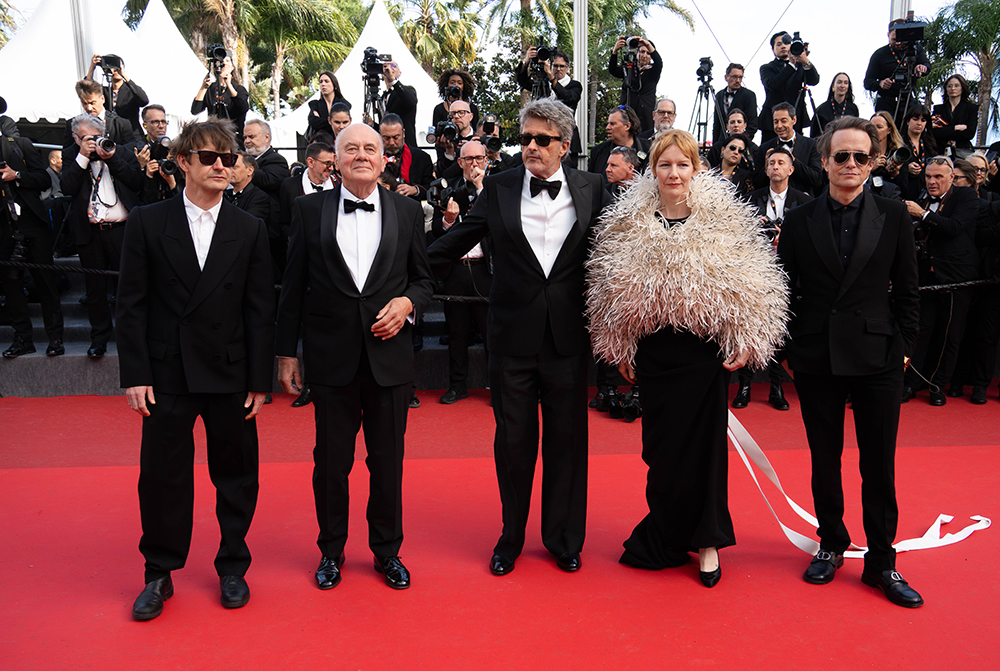
What made the premiere particularly fascinating was the contrast between the luxurious setting of Cannes and the devastated postwar landscapes recreated within the film itself. Fatherland follows Thomas Mann and his daughter Erika Mann as they travel across a divided Germany in 1949, moving from American-occupied Frankfurt to Soviet-controlled Weimar during the early days of the Cold War. The production’s obsessive attention to historical authenticity became one of the most discussed topics during conversations surrounding the premiere. Festival insiders circulated stories from the production notes describing how set designers Marcel Sławiński and Katarzyna Sobańska meticulously reconstructed the Mann family’s Los Angeles villa using archival photographs, blueprints, and historical footage. That dedication extended even further, with furniture and props sourced directly from Germany in order to recreate the intellectual atmosphere surrounding Thomas Mann, whom Paweł Pawlikowski reportedly wanted to portray as living inside “the quintessence of culture, literature, and music.” Those details may seem minor on paper, yet they contribute enormously to the film’s authenticity and explain why so many critics emerging from the screening spoke about the sensation of watching history physically materialize onscreen rather than simply being represented.
Inside the Palais Lumière, the atmosphere before the screening carried an almost ceremonial quality. Cannes audiences are notoriously unpredictable, capable of delivering both euphoric standing ovations and merciless walkouts, yet there was a palpable sense of reverence before the projection even began. Much of that respect stems from the remarkable trajectory of Paweł Pawlikowski himself. Since winning the Academy Award for Ida and later captivating Cannes with Cold War, the filmmaker has become one of the rare contemporary directors capable of merging formal rigor with emotional intimacy. In Fatherland, he once again embraces black-and-white cinematography, though those close to the production repeatedly emphasized that the aesthetic choice was never intended as nostalgic stylization. Instead, the monochrome imagery serves as a means of excavating the emotional texture of postwar Europe, revealing a continent haunted by ideological fractures and personal trauma. Early reactions from critics attending the premiere repeatedly highlighted how the film’s visual compositions evoke both classical photography and documentary realism, creating the sensation that the audience is peering directly into the psychological ruins of a divided Germany rather than observing a reconstructed historical period.
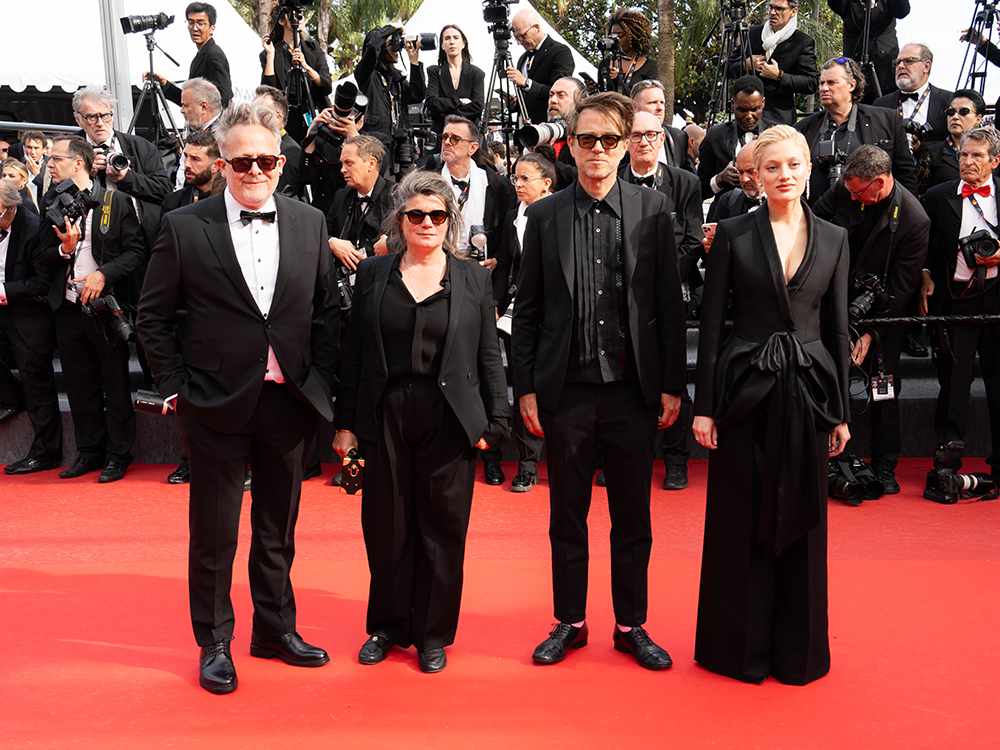
Another recurring topic throughout the evening involved the extraordinary production journey behind the film. Shot across Poland and Germany between August and December 2025, Fatherland relied on locations including Legnica, Warsaw, Bielsko-Biała, Weimar, Wałbrzych, and the Deutsches Nationaltheater und Staatskapelle Weimar itself. The production ultimately required only thirty-eight shooting days, an astonishingly concise schedule considering the complexity of the historical recreation involved. Costume designer Aleksandra Staszko, who also collaborated on Ida and Cold War, reportedly placed enormous emphasis on visually distinguishing East Germany, West Germany, and the lingering American influence still visible within postwar Europe. During conversations after the screening, several critics noted how these costume differences subtly reinforce the ideological tensions running throughout the narrative without ever becoming visually demonstrative. That level of precision appears throughout the production, from the carefully recreated black Buick driven by Thomas Mann and Erika Mann to the devastated urban environments photographed with remarkable austerity by Łukasz Żal.
The premiere also underscored how Fatherland represents a major international collaboration within contemporary European cinema. Produced by Mario Gianani, Lorenzo Mieli, Ewa Puszczyńska, Jeanne Tremsal, Edward Berger, Dimitri Rassam, and Lorenzo Gangarossa, the project stands as one of the most ambitious arthouse productions presented at Cannes this year. The involvement of companies such as Mubi, Our Films, Extreme Emotions Bis, Nine Hours, Chapter2, and Circle One reflects the increasingly transnational nature of prestige European filmmaking, while Mubi’s extensive distribution strategy already positions the film for significant international visibility following Cannes. Industry observers attending the premiere repeatedly mentioned how unusual it is today for a rigorously artistic black-and-white historical drama to generate this level of commercial interest before its public release, yet the reputation of Paweł Pawlikowski, combined with the star power of Sandra Hüller, clearly transformed Fatherland into one of the hottest titles at the Marché du Film and the European Film Market earlier this year.
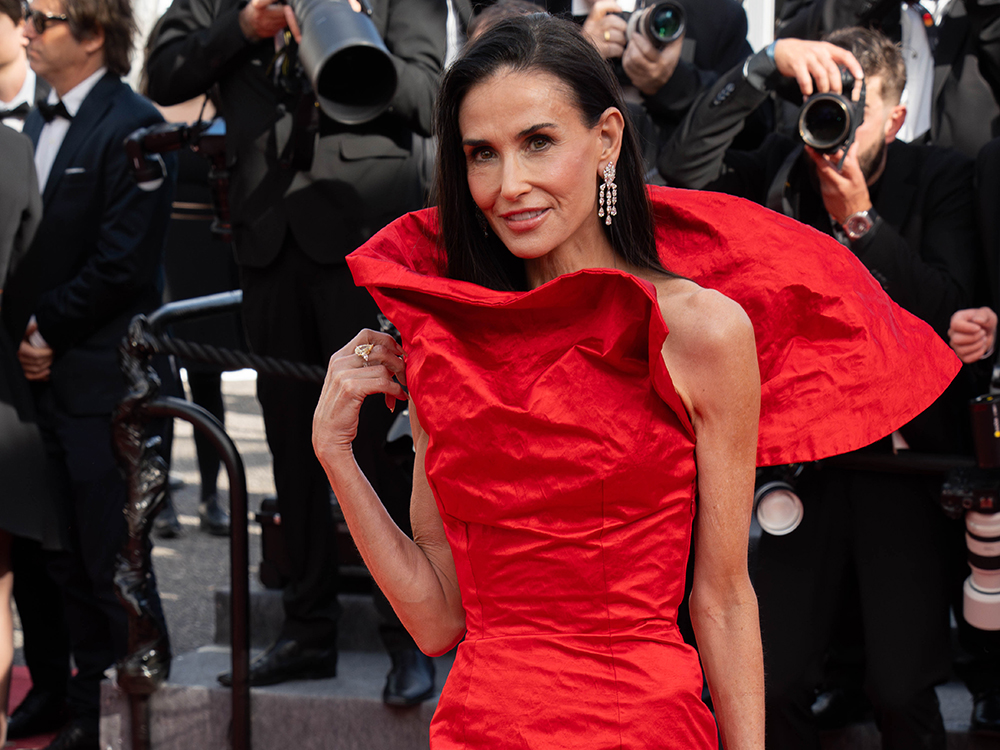
As the screening concluded, the reaction inside the Palais suggested that Cannes 2026 may already have found one of its defining competition entries. The applause began almost immediately as the final image faded to black, gradually building into a sustained ovation that appeared deeply emotional rather than merely performative. Observers inside the theater noted visible emotion from several members of the cast, particularly Sandra Hüller, while Paweł Pawlikowski remained characteristically reserved, acknowledging the audience with quiet humility. Outside the Palais afterward, conversations continued late into the night across the Croisette, with critics debating the film’s Palme d’Or chances and discussing whether Fatherland may ultimately stand beside Ida and Cold War as another modern European classic. Yet beyond awards speculation, what lingered most strongly after the premiere was the feeling that Cannes had witnessed something increasingly rare in contemporary cinema: a film deeply engaged with history without becoming trapped by nostalgia, intellectually rigorous without sacrificing emotion, and formally beautiful without ever losing sight of the human scars hidden beneath Europe’s political past. In a festival often dominated by excess and noise, Fatherland arrived like a ghost from another era, reminding Cannes that cinema can still confront history with both elegance and devastating emotional precision.
You can discover our photos in our Flickr page
Synopsis :
In 1949, Thomas Mann, winner of the Nobel Prize in Literature, returned to Germany for the first time since the end of the war, accompanied by his daughter Erika, an actress, writer, and rally driver. At the wheel of a black Buick, they embark on a grueling journey through a country they had fled sixteen years earlier when the Nazi Party seized power. From Frankfurt, under American occupation, to Weimar, controlled by the Soviets, father and daughter travel through a Germany in ruins, split in two by the Cold War.
Fatherland (Vaterland)
Directed by Paweł Pawlikowski
Written by Paweł Pawlikowski, Hendrik Handloegten
Produced by Mario Gianani, Lorenzo Mieli, Ewa Puszczyńska, Jeanne Tremsal, Edward Berger, Dimitri Rassam, Lorenzo Gangarossa
Starring Hanns Zischler, Sandra Hüller, August Diehl, Anna Madeley, Devid Striesow
Cinematography : Łukasz Żal
Edited by Piotr Wójcik, Paweł Pawlikowski
Music by Marcin Masecki
Production companies : Mubi, Our Films, Extreme Emotions Bis, Nine Hours, Chapter2, Circle One
Distributed by Pathé films (France)
Release date : 14 May 2026 (Cannes)
Running time : 82 minutes
Photos : @fannyrlphotography