

Cannes 2026 : The Fast and the Furious : Vin Diesel, Michelle Rodriguez and the Fast Family Turn the festival Into a Midnight Celebration of Pure Popcorn Cinema
Wednesday 13 May, 2:55 PM PT Cannes, Palais des Festivals et des Congrès de Cannes 2026-05-13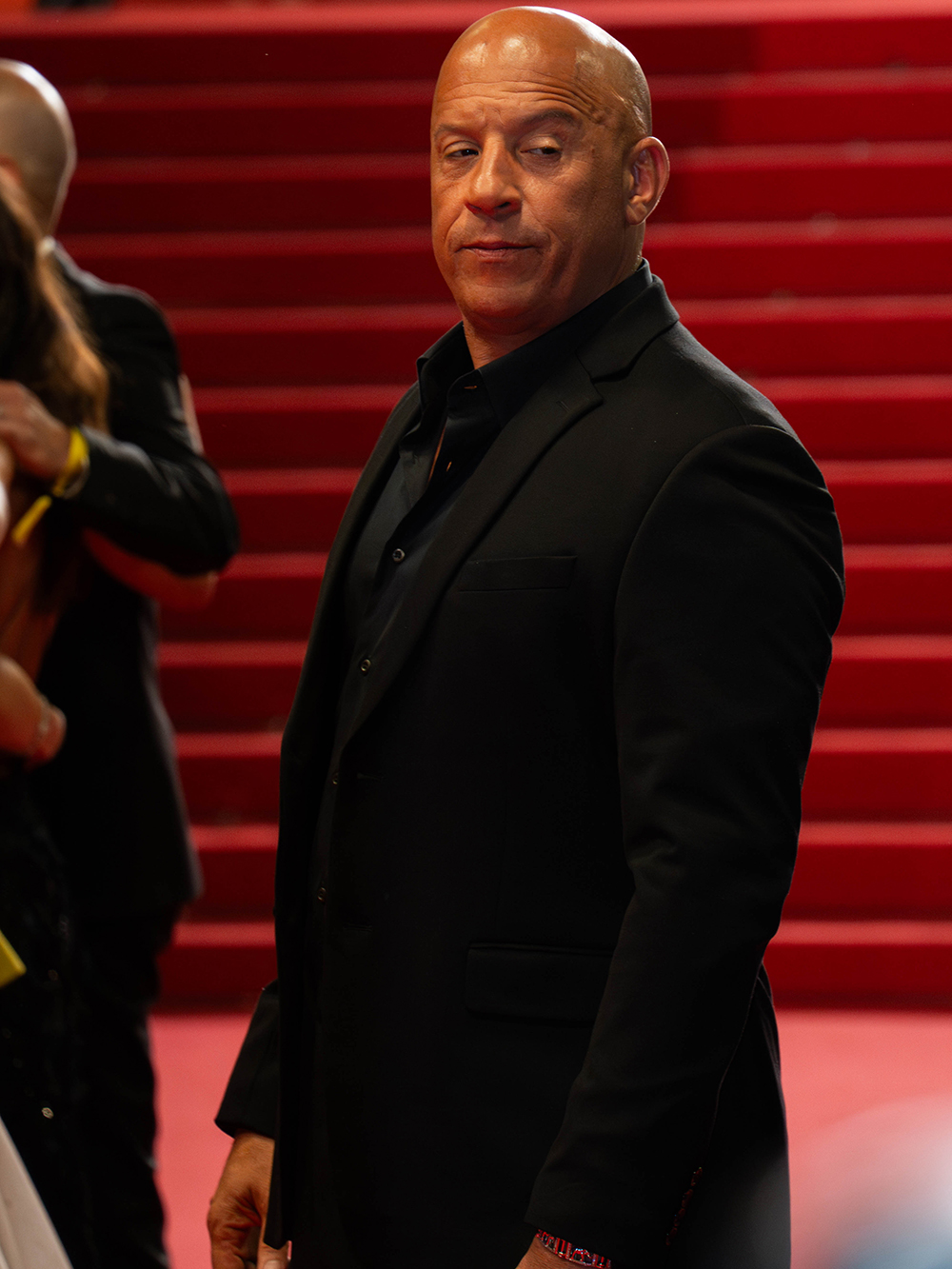
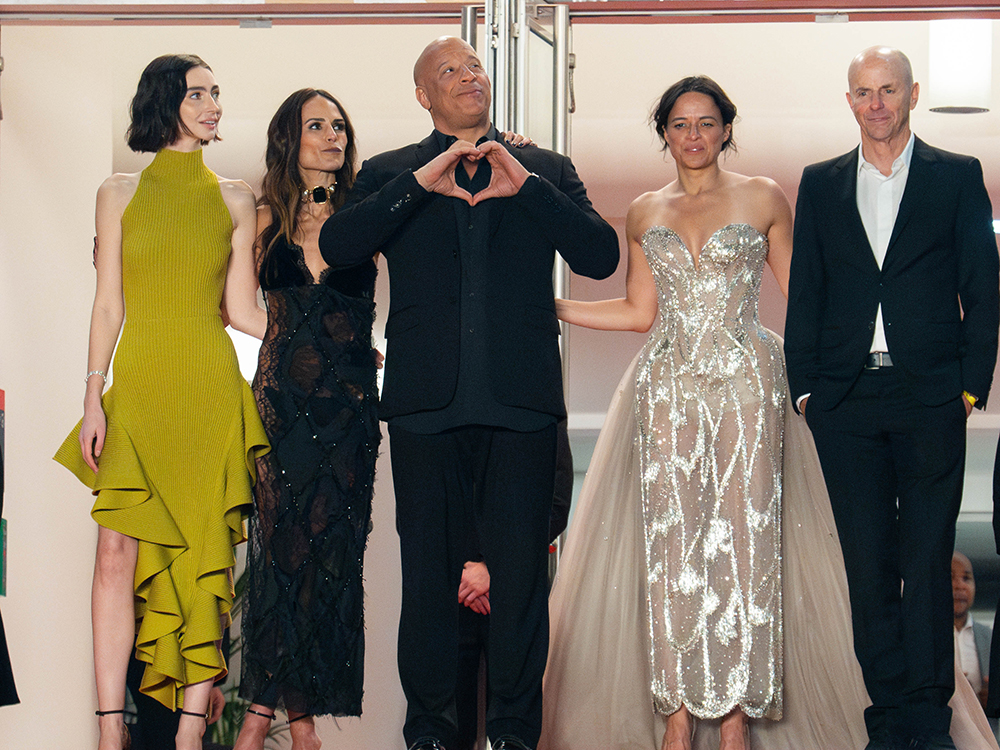
There are some moments at the Cannes Film Festival when the carefully calibrated prestige of auteur cinema suddenly gives way to something far louder, more chaotic and infinitely more visceral, and on May 13, 2026, the Croisette was transformed into exactly that kind of spectacle as The Fast and the Furious roared into the Palais des Festivals for an explosive 25th anniversary midnight screening that felt less like a retrospective and more like a victory lap for one of Hollywood’s most improbable cinematic empires. While the 79th edition of the festival has largely been defined by intimate dramas, demanding arthouse cinema and a relative absence of giant American blockbusters, the arrival of Vin Diesel, Michelle Rodriguez, Jordana Brewster, Tyrese Gibson, producer Neal H. Moritz, Meadow Walker, and NBCUniversal Entertainment chairman Dame Donna Langley instantly injected a different kind of electricity into Cannes, one built not on awards-season prestige but on collective nostalgia, franchise mythology and the enduring power of blockbuster entertainment that unapologetically embraces excess. Along the Croisette, fans gathered hours before the screening hoping to catch a glimpse of the stars whose quarter-century saga transformed a modest 2001 street-racing thriller into a global phenomenon that has generated more than seven billion dollars worldwide and permanently reshaped the language of modern action cinema.
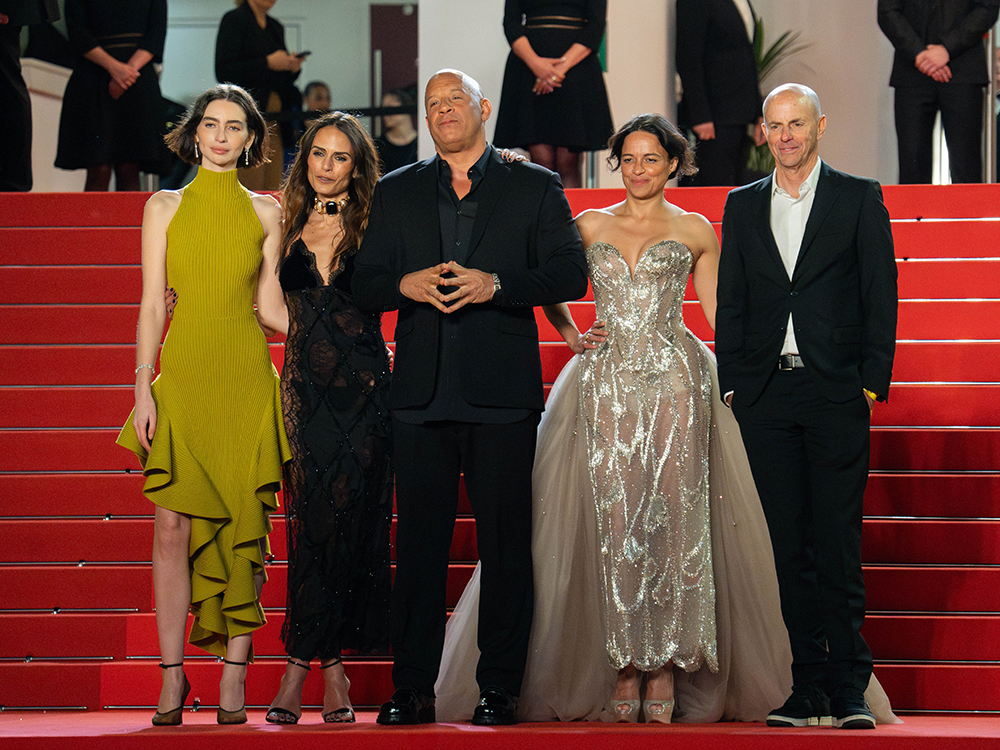
Earlier in the day, the cast reunited for a photocall that immediately became one of the most photographed events of the festival, with Vin Diesel, dressed in his now instantly recognizable sleeveless silhouette and chains, standing alongside Michelle Rodriguez and Jordana Brewster in a tableau that felt almost frozen in time despite the twenty-five years separating Cannes 2026 from the release of the original film in 2001. Yet the emotional center of the event undeniably came from the presence of Meadow Walker, daughter of the late Paul Walker, whose shadow still hovers over the franchise more than a decade after his tragic death in 2013. Her appearance on the Croisette brought a more intimate dimension to an evening otherwise dominated by roaring engines, camera flashes and blockbuster celebration. Observers along the red carpet could sense that the cast was not merely promoting a legacy screening but revisiting a shared history that had fundamentally shaped their lives and careers. During the arrivals outside the Grand Théâtre Lumière, members of the crowd repeatedly shouted Brian O’Conner’s name while fans waved miniature model cars and old DVD editions of the franchise, creating an atmosphere that often resembled a rock concert more than a traditional Cannes premiere.
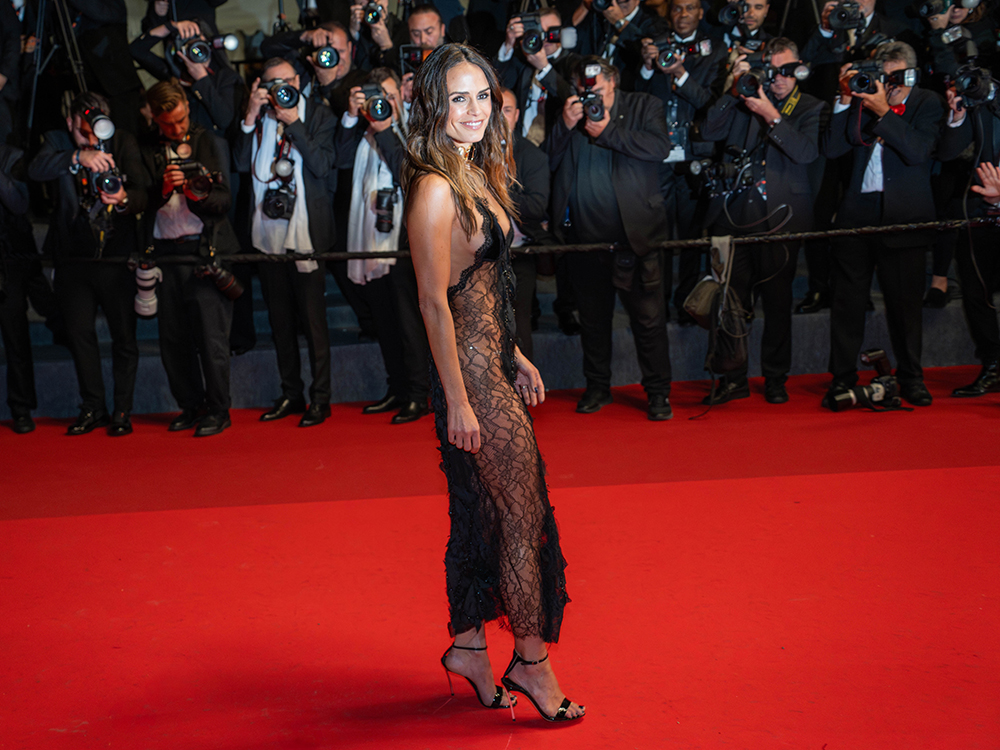
The symbolism of Cannes embracing The Fast and the Furious was impossible to ignore. The festival has historically maintained a complicated relationship with large-scale Hollywood franchise filmmaking, often privileging auteur-driven cinema over pure studio spectacle, yet the midnight screening demonstrated that even the world’s most prestigious film festival understands the cultural importance of a saga that has become deeply embedded in global popular culture. Thierry Frémaux and the festival leadership clearly recognized that the franchise represents something larger than critical discourse alone: a communal theatrical experience designed around collective excitement, impossible stunts and emotional loyalty to recurring characters. In many ways, the Cannes screening acknowledged that modern cinema history cannot be written solely through Palme d’Or winners and arthouse masterpieces; it must also include films that shaped audience behavior on a global scale. Few franchises have done that more successfully than Fast & Furious, whose DNA evolved from underground Los Angeles street racing into increasingly absurd international action spectacles involving submarines, collapsing cities, magnetic planes and even space travel, all while somehow retaining its central obsession with loyalty and family.
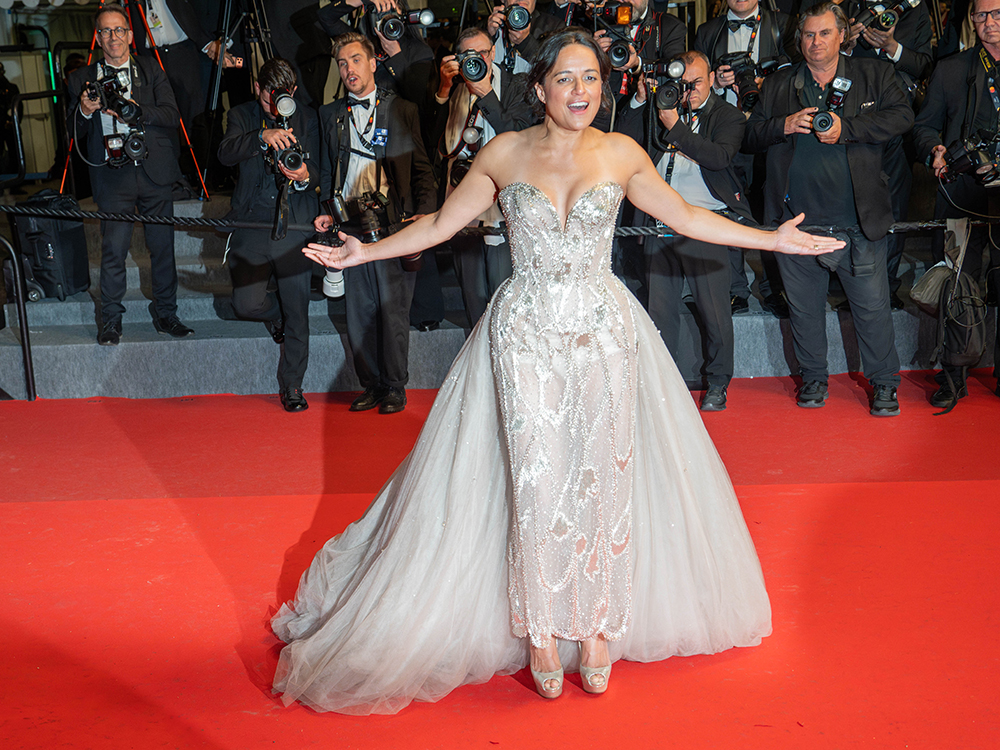
The screening itself carried an additional layer of historical resonance because the original The Fast and the Furious, directed by Rob Cohen, was never initially conceived as the launchpad for a billion-dollar multimedia empire. Inspired by Ken Li’s 1998 Vibe magazine article “Racer X,” the film began as a comparatively modest undercover thriller about police officer Brian O’Conner infiltrating Dominic Toretto’s street-racing crew in Los Angeles. Written by Gary Scott Thompson, Erik Bergquist, and later reshaped by David Ayer, the film merged import-car culture, urban crime cinema and adrenaline-fueled racing into a formula that unexpectedly resonated worldwide. The production itself has become legendary over time, from the cast attending real underground street races to prepare for their roles to the destruction of seventy-eight vehicles during filming. Even the casting history now feels like an alternate Hollywood timeline: Timothy Olyphant famously turned down Dominic Toretto, while actresses including Sarah Michelle Gellar, Jessica Biel, Kirsten Dunst, and Natalie Portman reportedly auditioned before Jordana Brewster secured the role of Mia Toretto. Meanwhile, Michelle Rodriguez and Jordana Brewster famously learned driving during production because neither possessed a driver’s license before filming began.
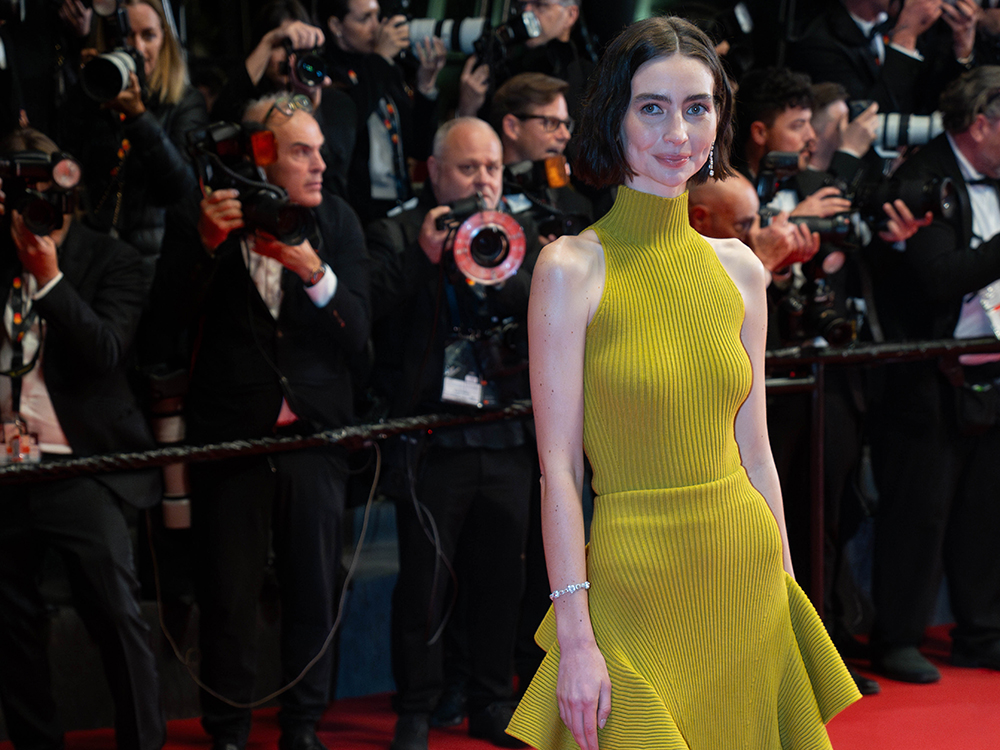
As the stars ascended the famous Cannes staircase ahead of the midnight screening, the contrast between the ultra-formal prestige of the Palais and the franchise’s unapologetically populist identity became strangely exhilarating. This was not cinema seeking validation from intellectual elites; this was a celebration of entertainment that proudly prioritizes sensation, momentum and audience pleasure above all else. And yet, despite decades of critical debates surrounding the franchise’s increasing absurdity, there remains something undeniably sincere at the core of Fast & Furious. Beneath the physics-defying action and globe-spanning mayhem lies a surprisingly emotional saga about friendship, grief and chosen family. That emotional foundation became particularly visible during Cannes 2026 whenever Paul Walker’s legacy was invoked. Several attendees noted the visible emotion on the faces of cast members when archival footage from the original film appeared before the screening began, especially scenes highlighting the chemistry between Vin Diesel and Paul Walker, a relationship that became the emotional engine of the franchise long before cars were flying between skyscrapers.
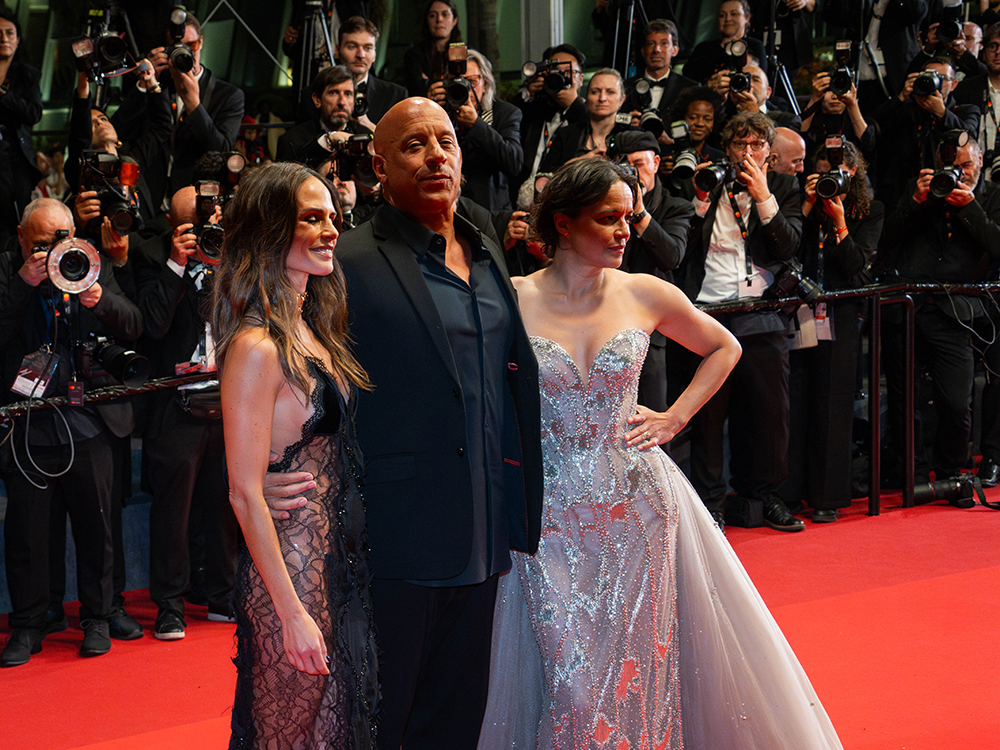
The Cannes event also served as a reminder of how dramatically the franchise expanded over the years. What started as a relatively grounded street-racing thriller evolved into one of Universal Pictures’ most profitable and longest-running properties, spawning sequels, spin-offs, animated series, video games, die-cast collectibles and an enormous merchandising ecosystem. Over time, the cast itself became a kind of cinematic superteam, adding names such as Dwayne Johnson, Jason Statham, Gal Gadot, Charlize Theron, Helen Mirren, Brie Larson, Jason Momoa, Kurt Russell, John Cena, Idris Elba, Eva Mendes, and Vanessa Kirby. Directors including John Singleton, Justin Lin, and French filmmaker Louis Leterrier each helped reinvent the formula while escalating the franchise’s taste for spectacular improbability. Universal has already confirmed that the next major installment, Fast Forever, is scheduled for release in March 2028, while Vin Diesel recently revealed that a television adaptation is also in development, further proving that the franchise shows little intention of slowing down.
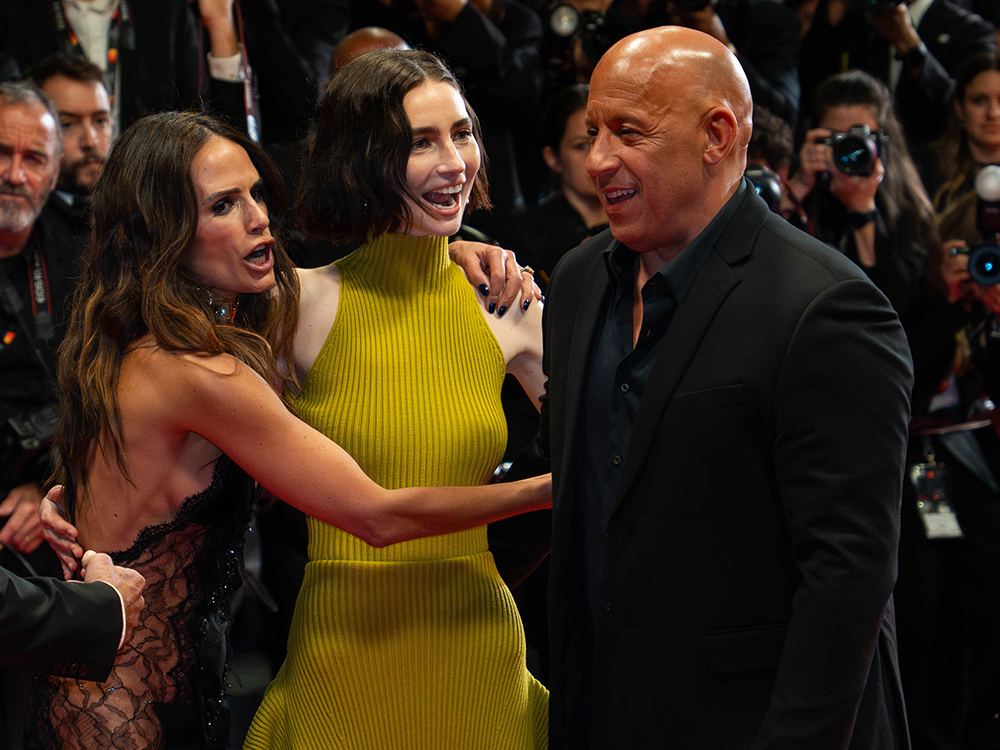
On the Croisette itself, the atmosphere surrounding the screening perfectly captured Cannes’ unique ability to merge high culture with mainstream spectacle. Luxury tuxedos and evening gowns mixed with revving engines from promotional vehicles parked near the Palais, while journalists who had spent the morning discussing austere competition entries suddenly found themselves debating the merits of Dominic Toretto jumping between skyscrapers in Abu Dhabi or fighting submarines on Arctic ice. Some critics questioned the irony of celebrating a saga built around combustion engines and extreme automotive excess at a festival increasingly vocal about environmental responsibility, especially as Cannes continues asking accredited guests to contribute to ecological initiatives. Yet even among skeptics, there was a tacit acknowledgment that the Fast & Furious franchise occupies a singular place in contemporary cinema history. It may never have been designed for critical reverence, but it undeniably understands spectacle in its purest form.
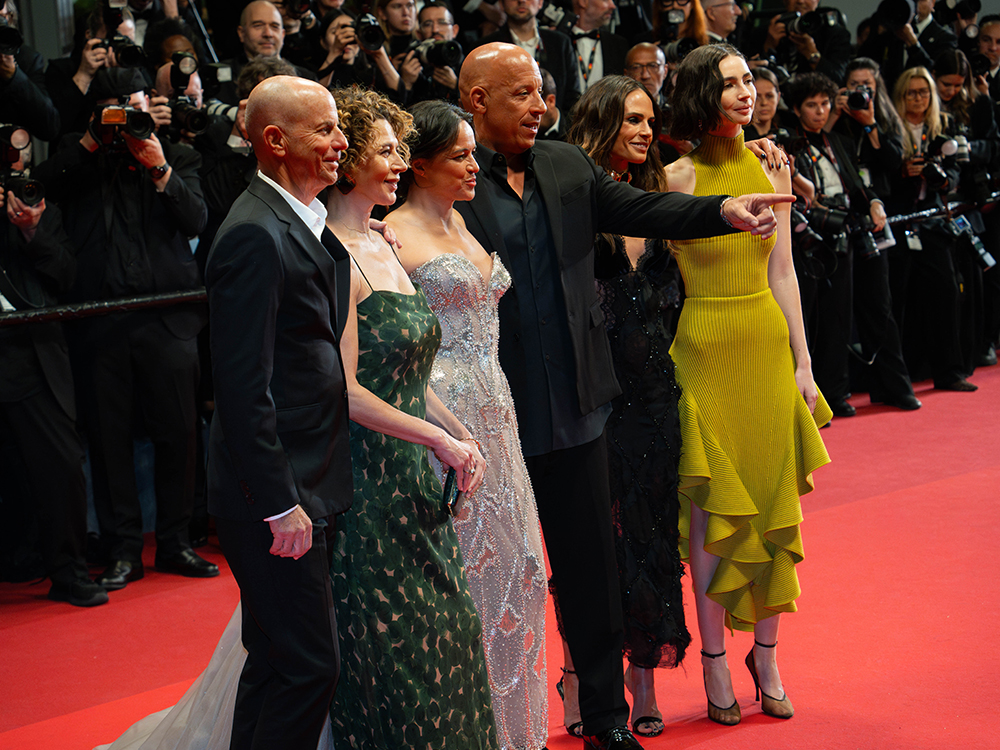
Inside the Grand Théâtre Lumière, the audience response reportedly resembled a rock-show atmosphere more than a traditional Cannes screening. Cheers erupted during iconic race sequences, and several lines of dialogue drew applause from longtime fans rediscovering the film on the enormous Lumière screen. Watching the comparatively grounded original film after the increasingly extravagant sequels also reminded audiences how much authenticity initially fueled the saga. The first installment remains rooted in Los Angeles street culture, practical stunt work and the chemistry between its central cast rather than digital excess. The now-famous final race between Dominic Toretto and Brian O’Conner still carries emotional weight precisely because it feels intimate compared to the franchise’s later apocalyptic scale. In retrospect, Cannes 2026 was not merely celebrating a blockbuster franchise but acknowledging the endurance of a modern myth that somehow survived changing cinematic trends, shifting audience habits and the death of one of its defining stars without losing its emotional core.
Twenty-five years after its release, The Fast and the Furious continues to occupy a unique space within popular culture because it fully embraces the simple joy of cinematic escapism without irony or apology. The midnight screening at Cannes proved that, whether one considers the saga ridiculous genius or gloriously over-the-top nonsense, audiences still respond to its sincerity, its sense of community and its relentless pursuit of entertainment at maximum velocity. And on a Croisette occasionally accused of taking itself too seriously, seeing thousands of festivalgoers erupt with delight over roaring engines, NOS-fueled races and Dominic Toretto speeches about family may have been exactly the kind of reminder Cannes needed: cinema can still be loud, ridiculous, emotional and wildly fun all at once.
You can discover our photos in our Flickr page
Synopsis :
When night falls, Dominic Toretto reigns over the streets of Los Angeles at the head of a team of loyal followers who share his taste for risk, his passion for speed, and his obsession with sports cars racing at over 250 km/h in urban street races of rare violence. His days are spent tinkering with and customizing high-end models, making them ever more powerful and flashy, and organizing illegal races where numerous competitors battle mercilessly under the adoring gaze of their groupies. Following several truck attacks, the L.A. police decide to investigate the street racing scene. Brian, a young police officer, is tasked with infiltrating Toretto’s crew, which, along with that of his rival Johnny Tran, is at the top of the list of suspects.
Fast & Furious
Directed by Rob Cohen
Written by Gary Scott Thompson, Erik Bergquist, David Ayer
Story by Gary Scott Thompson
Based on Racer X by Ken Li
Produced by Neal H. Moritz
Starring Paul Walker, Vin Diesel, Michelle Rodriguez, Jordana Brewster, Rick Yune, Chad Lindberg Johnny Strong, Ted Levine
Cinematography : Ericson Core
Edited by Peter Honess
Music by BT
Production companies Universal Pictures, Neal H. Moritz Productions, Mediastream Film
Distributed by Universal Pictures
Release dates : June 18, 2001 (Mann Village Theatre), June 22, 2001 (United States), September 26, 2001 (France)
Running time : 107 minutes
Photos : @fannyrlphotography