

Cannes 2026: Peter Jackson Honored, Glamorous Red Carpet Moments and an Emotional Opening Ceremony Launch the 79th Cannes Film Festival
Tuesday 12 May, 2:30 PM PT Cannes, Palais des Festivals et des Congrès 2026-05-12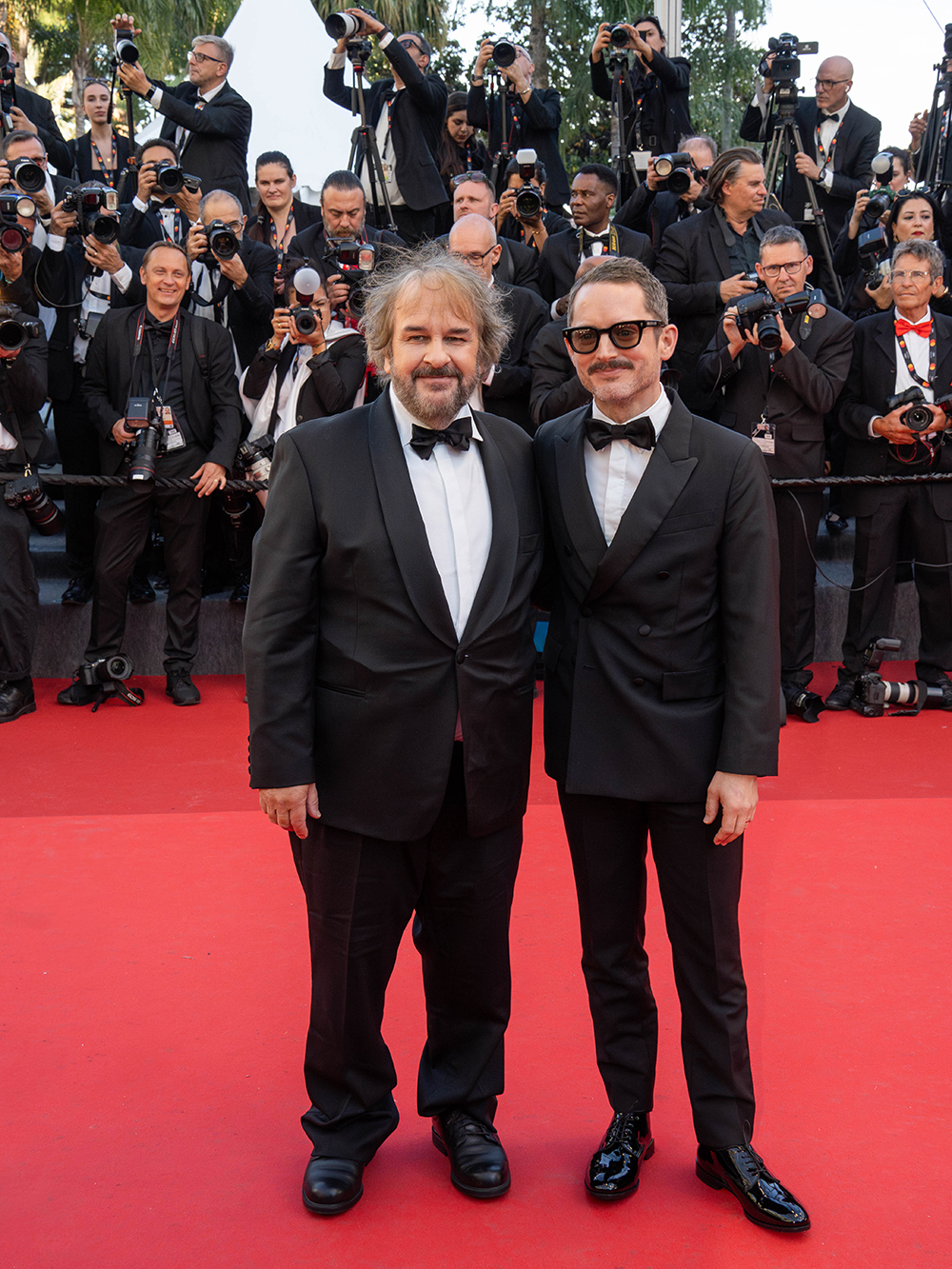
The 79th edition of the Cannes Film Festival officially began on May 12, 2026 at the legendary Palais des Festivals et des Congrès de Cannes, once again transforming the Croisette into the undisputed center of the cinematic world for ten days where glamour, politics, auteur filmmaking and global celebrity culture collide in a way that no other festival truly manages to replicate. Long before the opening ceremony even started, the atmosphere in Cannes already carried that familiar electricity unique to the festival, beginning with the installation of the official festival poster on the façade of the Palais the day before, a symbolic tradition that always signals the arrival of cinema’s biggest gathering. By Tuesday afternoon, photographers, journalists and festivalgoers had completely filled the Croisette as anticipation grew for an opening night designed to celebrate both the future and the legacy of international cinema. Broadcast live on France 2 and france.tv and hosted by the charismatic Eye Haïdara, the ceremony balanced spectacle, emotion and cinephile reverence while reminding audiences around the world that Cannes still occupies a singular place in global film culture, even in an entertainment landscape increasingly dominated by streaming platforms and social media virality.
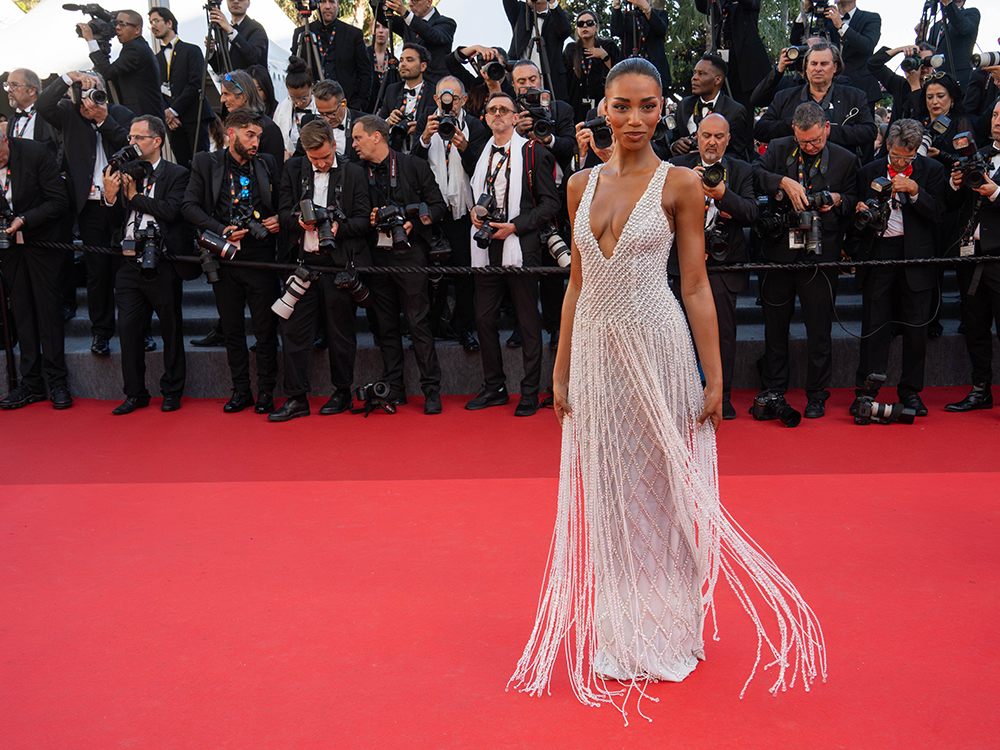
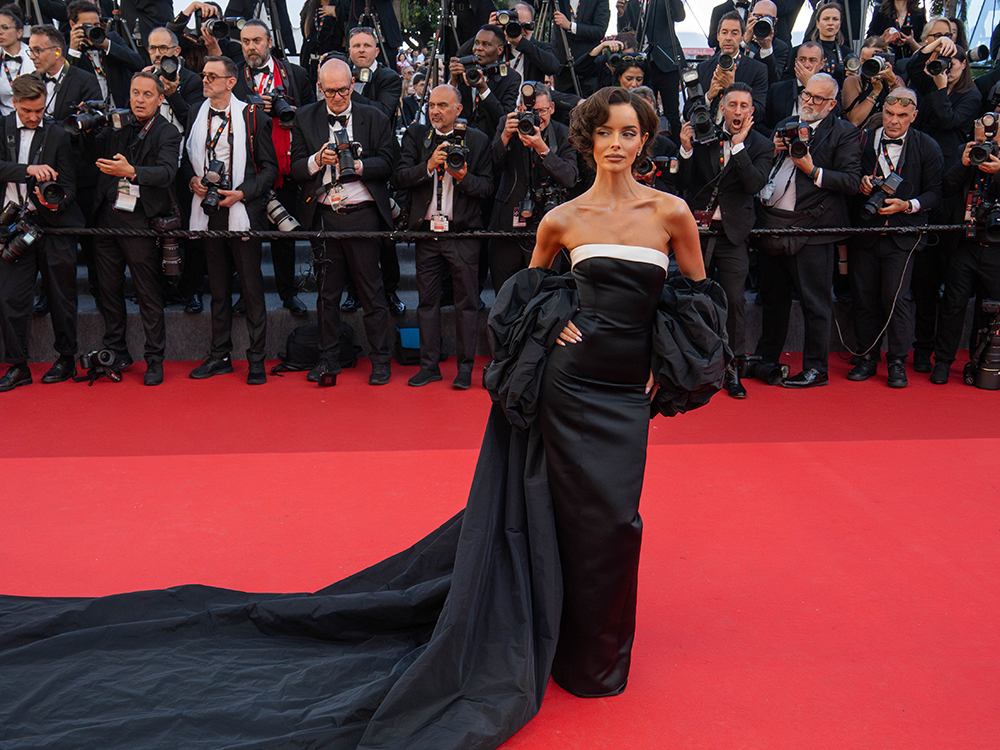
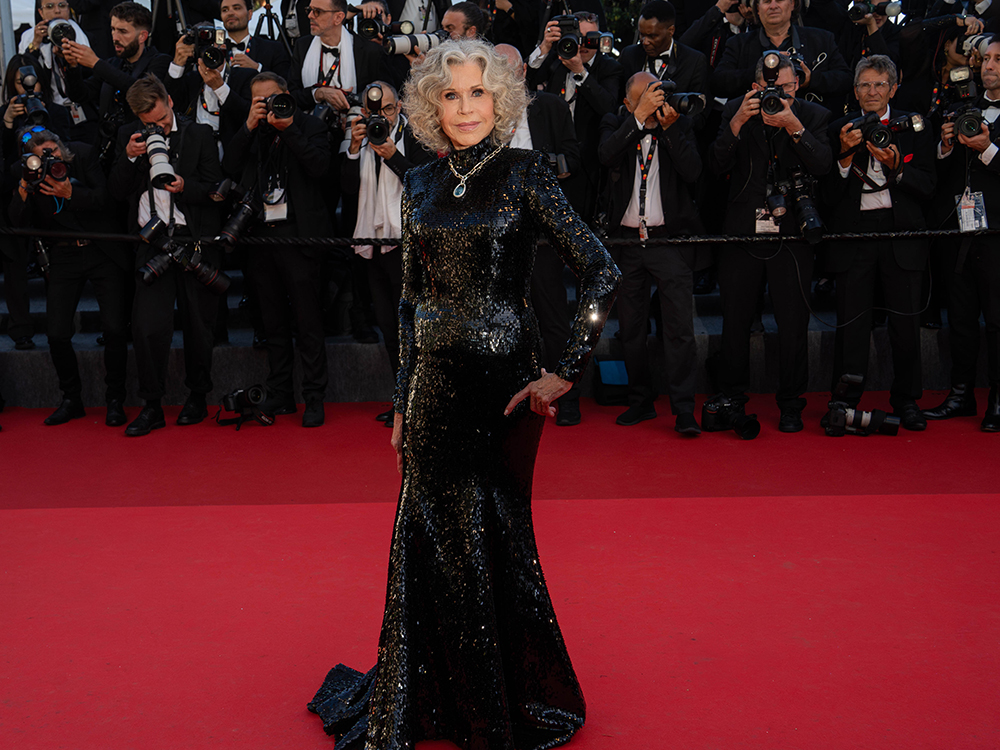
The red carpet itself immediately became one of the defining visual moments of the evening, with an elegant procession of filmmakers, actors and jury members ascending the iconic steps beneath an endless storm of camera flashes. The cast and creative team behind the opening film La Vénus Électrique (The Electric Kiss) were greeted with enormous enthusiasm as director Pierre Salvadori arrived alongside stars Pio Marmaï, Anaïs Demoustier, Gilles Lellouche, Gustave de Kervern, Vimala Pons and Madeleine Baudot. Set in the bohemian world of 1928 Paris, the film explores themes of grief, artistic despair and deception through the story of Antoine Balestro, a painter devastated by the death of his wife whose encounter with a struggling carnival worker changes the course of his life. Festival insiders had already been discussing the project for weeks before Cannes began, with many praising its mixture of melancholy, theatricality and romantic illusion, elements that feel deeply connected to the spirit of classic French cinema while still appealing to contemporary audiences. The arrival of Jane Fonda on the carpet created one of the loudest reactions of the night, proving once again that her relationship with Cannes remains one of the festival’s most enduring and beloved stories. Other major guests included Dame Joan Collins, Maika Monroe, Diego Luna, Japanese filmmaker Hirokazu Kore-eda and numerous international industry figures who helped reinforce the global dimension of the festival from its very first evening.
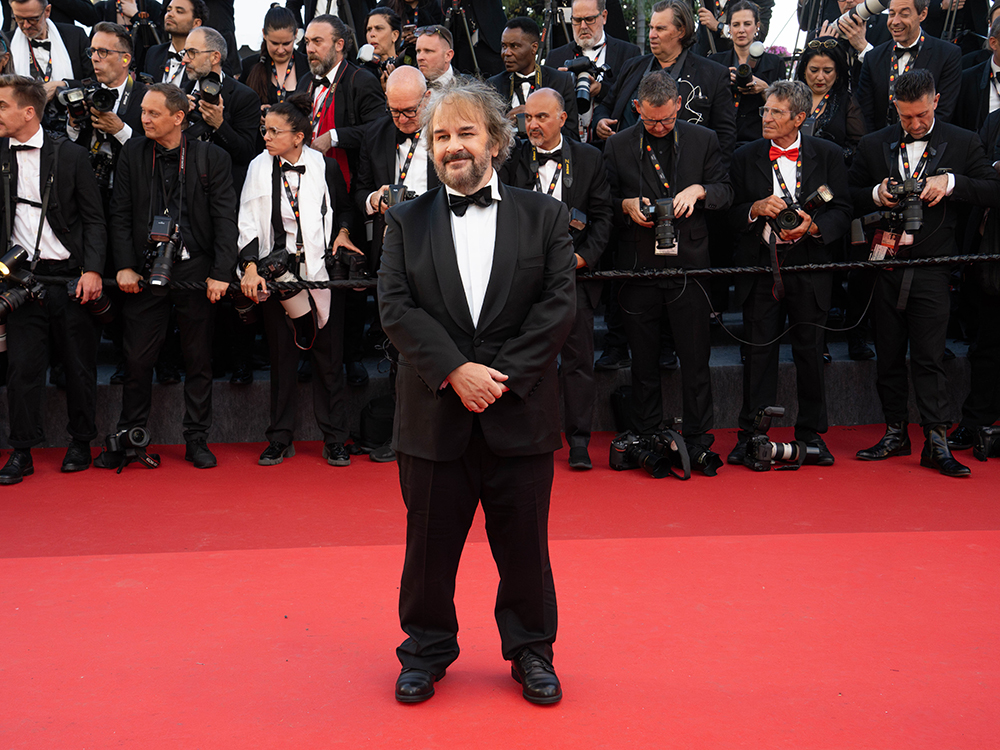
The emotional centerpiece of the ceremony came with the presentation of the Honorary Palme d’Or to Peter Jackson, a filmmaker whose influence on modern cinema has become impossible to overstate. Although the New Zealand director had surprisingly never competed officially at Cannes during his career, the festival chose this year to recognize the extraordinary cultural and technological impact of the creator behind The Lord of the Rings and The Hobbit trilogies. Festival General Delegate Thierry Frémaux described Peter Jackson as a filmmaker who “transformed Hollywood cinema and the very idea of spectacle forever,” a statement that resonated deeply inside the Grand Théâtre Lumière. The tribute gained even more emotional power when the award was presented to him by Elijah Wood, forever associated with the role of Frodo Baggins and one of the key faces of the fantasy saga that redefined blockbuster filmmaking in the early 2000s. Their reunion on stage instantly triggered memories of an era when epic fantasy cinema permanently changed audience expectations regarding visual ambition, emotional storytelling and large-scale world-building. Many attendees noted how meaningful it felt to see Cannes, historically associated with auteur cinema, embracing a filmmaker whose work exists at the intersection of mainstream entertainment, technical innovation and deeply personal artistic vision.
The ceremony also paid tribute to Peter Jackson’s passion for music and pop culture history through a live performance by French singers Theodora and Oklou, who performed Get Back by The Beatles in honor of the filmmaker’s acclaimed documentary The Beatles: Get Back. The musical interlude added a more modern and youthful energy to the evening while subtly acknowledging how Peter Jackson’s career extends far beyond fantasy filmmaking alone. Throughout the ceremony, the festival carefully balanced celebratory glamour with more reflective moments about the role of cinema in today’s world. Earlier in the day, jury president Park Chan-wook addressed the international press alongside fellow jury members Demi Moore, Ruth Negga, Chloé Zhao, Laura Wandel, Diego Céspedes, Isaach de Bankolé, Paul Laverty and Stellan Skarsgård, insisting that art and politics should never be separated as long as political ideas are expressed artistically. His comments echoed ongoing debates surrounding the film industry in France, especially after hundreds of cinema professionals signed a public editorial expressing concern over the growing influence of powerful media groups and political tensions affecting the cultural landscape. Cannes has often functioned as more than a film festival, becoming a mirror reflecting broader societal anxieties, and this opening day once again demonstrated how impossible it is to fully isolate cinema from contemporary political realities.
Beyond the ceremony itself, opening night also served as a preview of the extraordinary lineup awaiting audiences over the next ten days. Conversations across the Croisette, from luxury hotel terraces to late-night industry gatherings, quickly turned toward the most anticipated premieres of the festival. Among the most talked-about titles are Fatherland starring Sandra Hüller, Gentle Monster with Léa Seydoux and Catherine Deneuve, Paper Tiger featuring Adam Driver, Miles Teller and Scarlett Johansson, and Hope starring Michael Fassbender, Taylor Russell, Alicia Vikander, Hoyeon and Hwang Jung-Min. Excitement is equally high for Fjord with Sebastian Stan and Renate Reinsve, as well as Pedro Almodóvar’s latest project Amarga Navidad. Many festival veterans were already describing the 2026 selection as one of the strongest and most internationally diverse Cannes lineups in recent memory, blending established auteurs with daring new voices while maintaining the festival’s reputation for launching some of the year’s most important cinematic conversations.
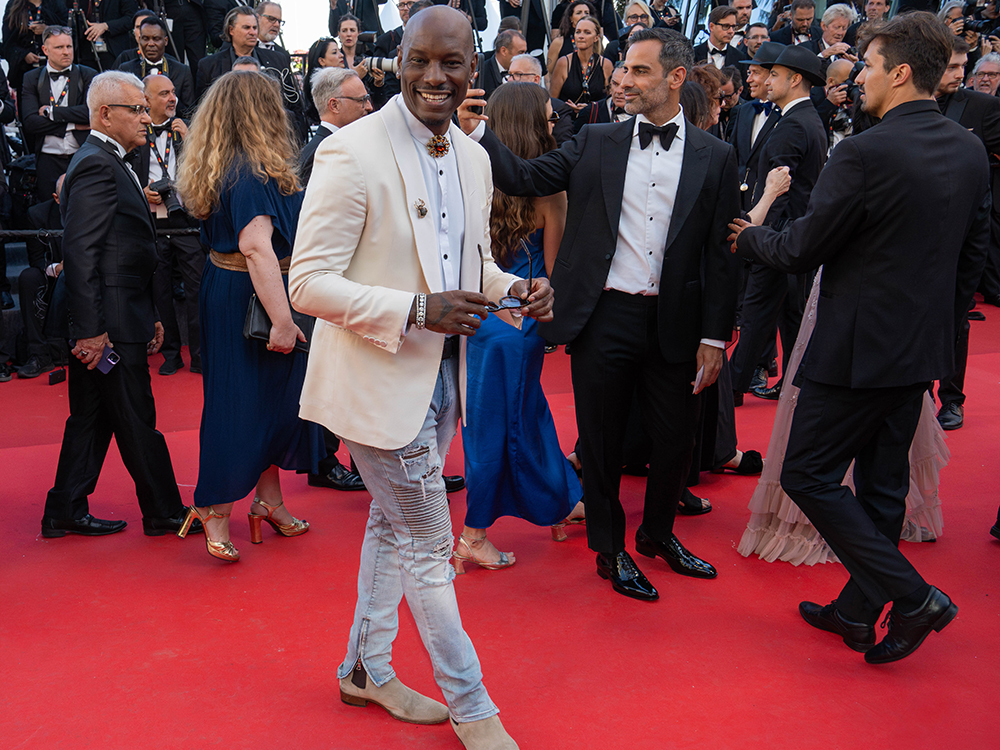
One particularly striking aspect of this year’s opening night was the subtle shift in atmosphere surrounding the red carpet itself. While major celebrities and international stars remained omnipresent, there was also a noticeable emphasis on filmmakers, writers and artistic collaborators rather than purely viral celebrity culture. That evolution reflects a broader desire from Cannes to reaffirm its identity as a celebration of cinema first and foremost, especially at a time when global entertainment increasingly prioritizes instant digital visibility over long-term artistic legacy. Yet despite these cultural shifts, the timeless spectacle of Cannes remained fully intact the moment the first official cars arrived in front of the Palais and guests began climbing the famous red steps beneath the Mediterranean night sky. Between the emotional standing ovation for Peter Jackson, the elegance of the international jury, the warm reception for Pierre Salvadori’s La Vénus Électrique, and the overwhelming presence of cinema lovers from around the world, this opening ceremony perfectly captured why Cannes continues to stand as the most symbolic and influential stage in world cinema.
Photos : @fannyrlphotography