
 English
Convention - CinemaCon 2026 : Resident Evil marks a bold reinvention for Sony’s horror flagship
By Mulder, Las Vegas, Caesars Palace, Dolby Colosseum, 13 april 2026
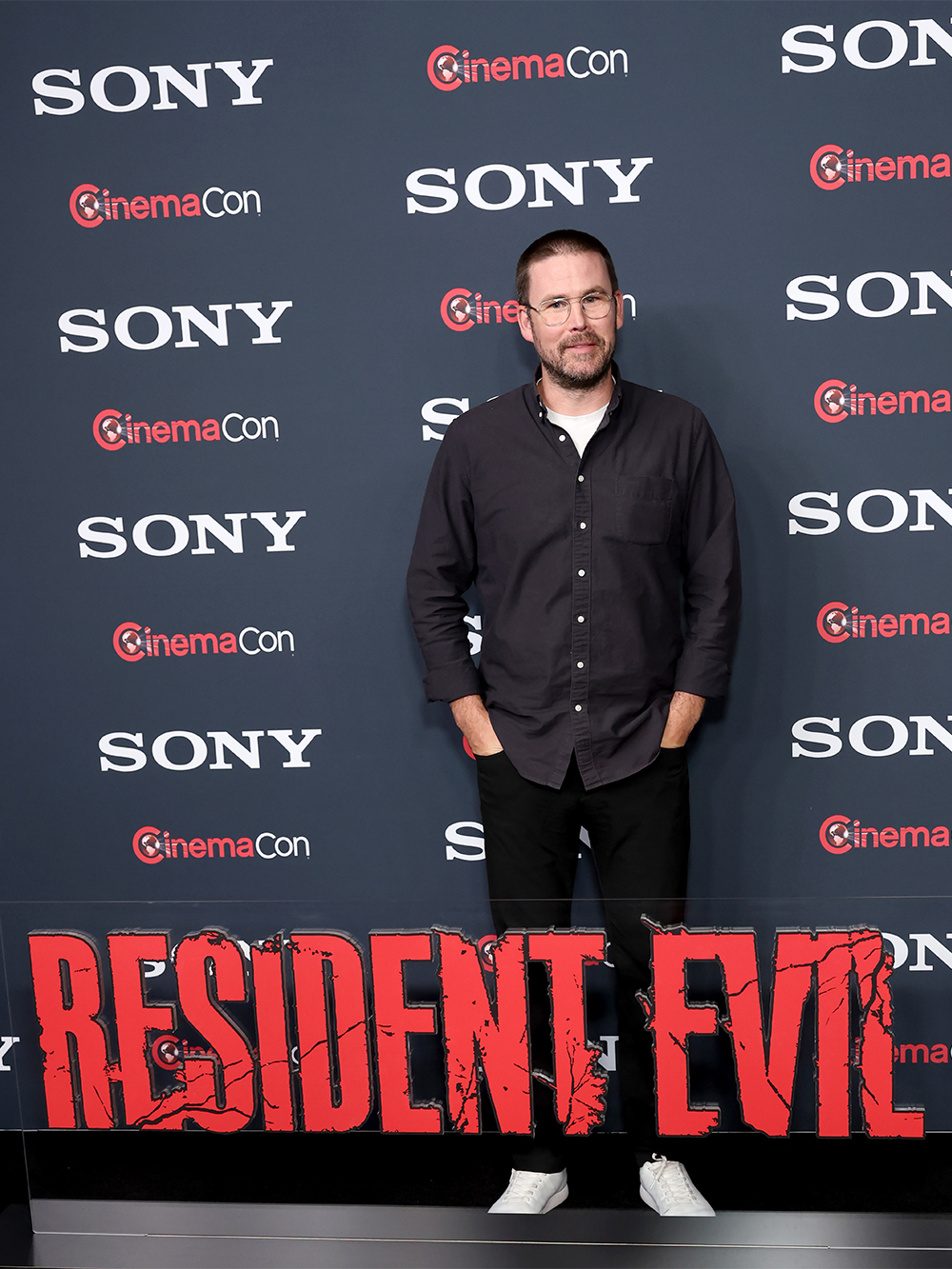
Photo courtesy of Monica Schipper Getty Images for CinemaCon. All Rights Reserved.
The opening night of CinemaCon 2026 at the The Colosseum at Caesars Palace set the tone for a week dedicated to theatrical ambition, and Sony Pictures Entertainment made sure its presence was felt immediately with a sprawling, high-energy presentation that embraced scale, diversity, and strategic clarity, but it was the first real glimpse of its new Resident Evil reboot that quietly became one of the most discussed moments among attendees, as the studio signaled not just another franchise revival, but a recalibration of tone and identity for one of gaming’s most enduring horror properties, aligning it with a more focused and experiential approach that feels particularly attuned to modern audience expectations.
At the center of this reinvention stands Zach Cregger, stepping into the director’s chair while also co-writing the screenplay alongside Shay Hatten, a pairing that immediately raised curiosity within industry circles given Cregger’s previous success with tension-driven storytelling and Hatten’s experience with high-concept genre narratives, and according to early descriptions shared during the presentation, the film adopts a stripped-down structure following a single protagonist navigating a nightmarish outbreak in real time, a deliberate move away from the sprawling, lore-heavy approach that has defined parts of the franchise in the past, instead leaning into a more immersive survival-horror framework that echoes the DNA of the original games developed by Capcom while embracing a cinematic language closer to contained thrillers.
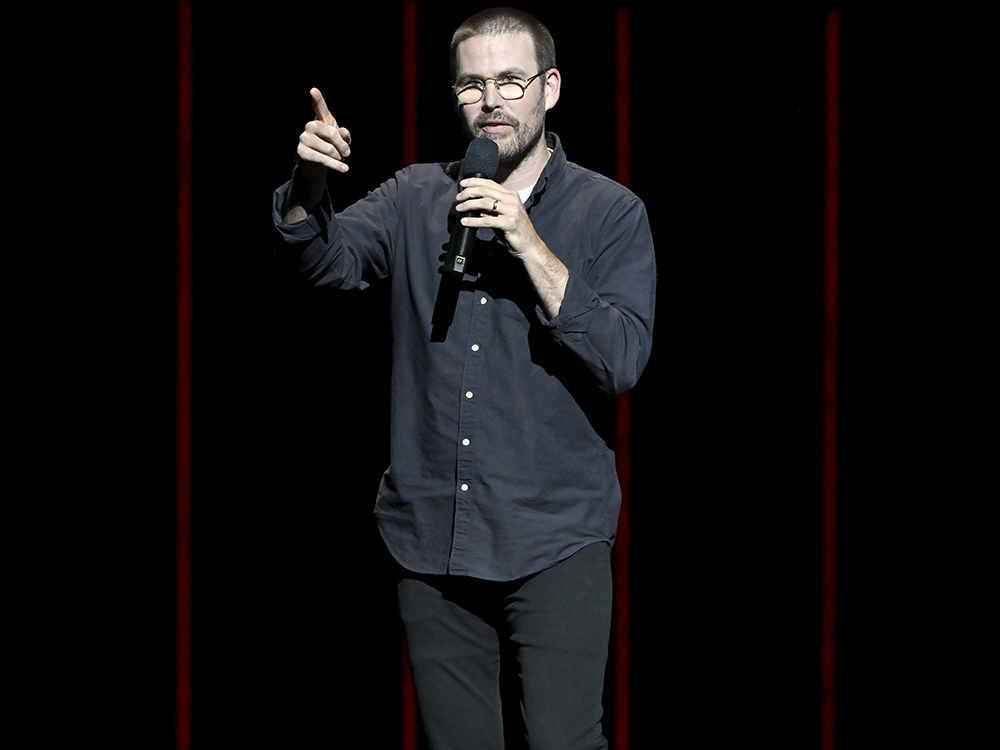
Photo courtesy of David Becker Getty Images for CinemaCon. All Rights Reserved.
This new chapter, positioned as both the second reboot and the eighth installment in the broader Resident Evil film lineage, introduces audiences to Bryan, a medical courier portrayed by Austin Abrams, whose seemingly routine delivery spirals into chaos when he becomes trapped amid a viral outbreak, forcing him into a desperate fight for survival against infected creatures over the course of a single night, a premise that reflects a conscious effort to return to the franchise’s roots in vulnerability and immediacy rather than spectacle, and one that is reinforced by the supporting cast including Zach Cherry, Kali Reis, and Paul Walter Hauser, each bringing distinct character archetypes that hint at a grounded ensemble dynamic rather than the superhero-like figures seen in earlier adaptations.
Behind the scenes, the project represents a significant collaboration between Constantin Film and PlayStation Productions, marking the latter’s first adaptation of a non-PlayStation intellectual property, a detail that underscores Sony’s broader strategy of leveraging its cross-media ecosystem, while the film’s journey to production reflects the industry’s renewed interest in the franchise following the mixed reception of Resident Evil: Welcome to Raccoon City and the short-lived Netflix series, with development gaining momentum as early as 2022 before culminating in a competitive bidding war ultimately won by Columbia Pictures in March 2025, reaffirming Sony’s long-standing association with the brand.
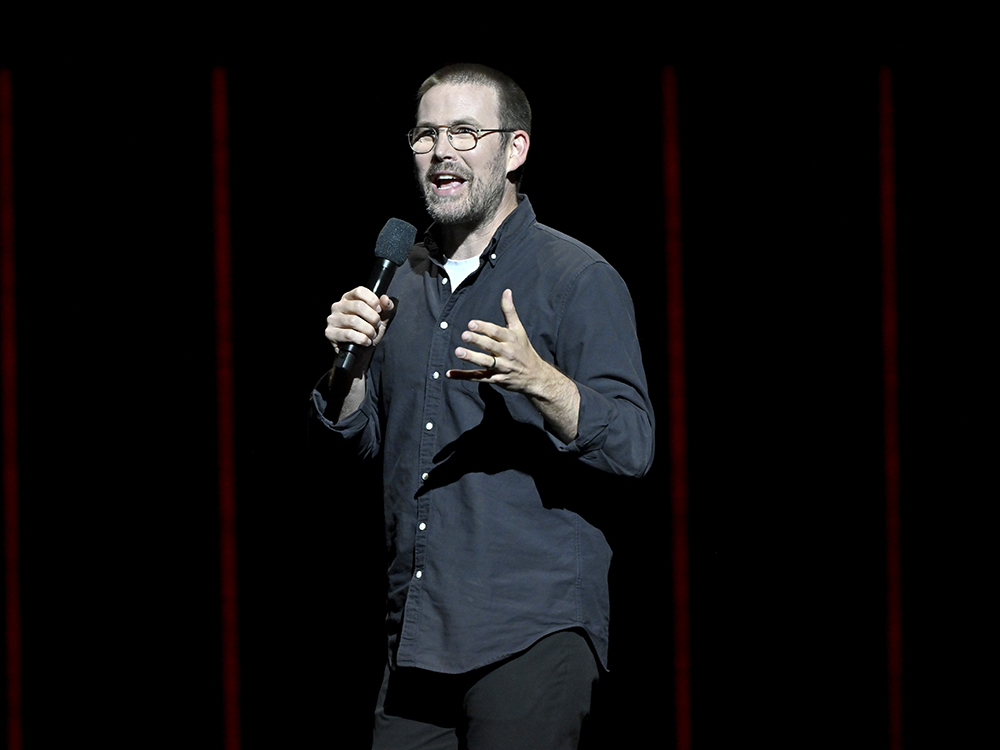
Photo courtesy of David Becker Getty Images for CinemaCon. All Rights Reserved.
What makes this iteration particularly intriguing is Zach Cregger’s openly stated intention to craft an original story that exists within the timeline of the Raccoon City outbreak depicted in Resident Evil 2, but from a completely different perspective, a creative choice that allows the film to coexist with established canon without being constrained by it, and one that reflects a broader trend in franchise storytelling where parallel narratives offer fresh entry points for new audiences while rewarding longtime fans with subtle connections, all while avoiding the narrative redundancy that often plagues reboots.
The production itself, which began principal photography in Prague in October 2025 under the lens of cinematographer Dariusz Wolski, signals a commitment to visual craftsmanship, and early reports from the editing phase in early 2026 suggest a film that prioritizes atmosphere and pacing over exposition, aligning with Zach Cregger’s own comparisons to cult horror influences such as Evil Dead II, while distancing the project from both his previous work and the action-heavy tone of earlier Resident Evil films, a tonal pivot that could prove crucial in redefining audience expectations.
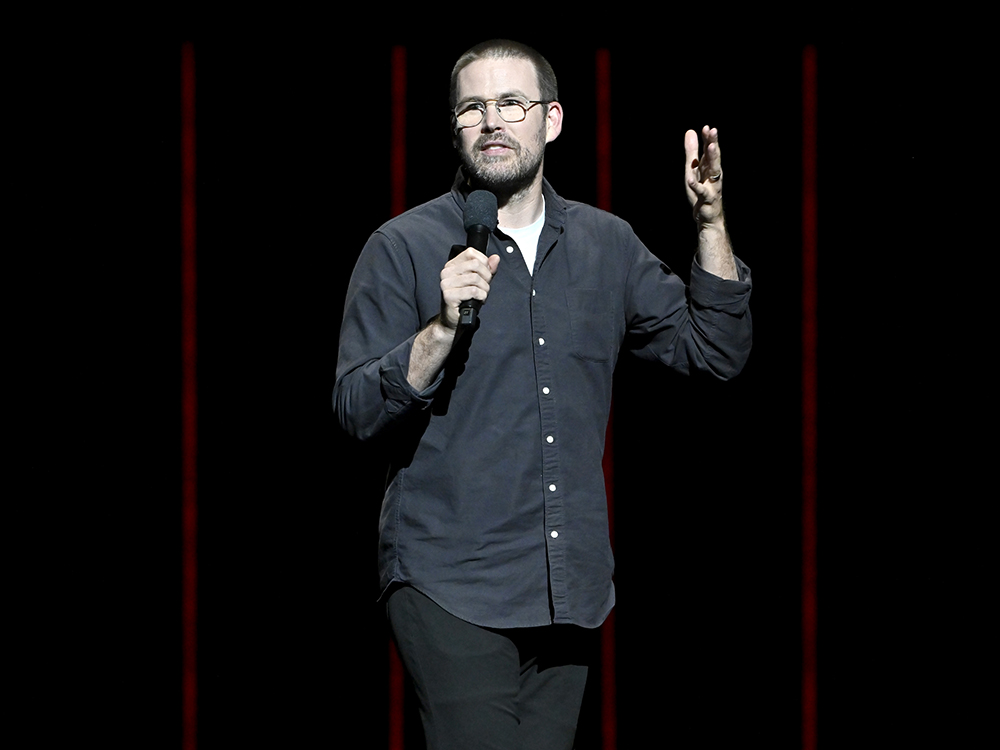
Photo courtesy of David Becker Getty Images for CinemaCon. All Rights Reserved.
Within the broader context of Sony’s CinemaCon presentation, the emphasis on Resident Evil also highlighted the studio’s calculated embrace of gaming adaptations as a cornerstone of its theatrical strategy, positioning the film alongside anime projects and other cross-media ventures as part of a diversified slate designed to appeal to distinct audience segments, a move that reflects the evolving economics of exhibition where consistent, varied content is increasingly valued over reliance on a handful of tentpole releases, and where recognizable IP must be reinterpreted rather than simply recycled.
Scheduled for release on September 16, 2026 in France (per Metropolitan FilmExport) and September 18, 2026 in the United States, with an IMAX rollout confirming Sony’s confidence in the project’s theatrical draw, this new Resident Evil arrives at a pivotal moment for both the franchise and the genre, carrying the weight of past adaptations while attempting to reconnect with the essence that made the original games so influential, and if the early creative direction presented at CinemaCon is any indication, Zach Cregger’s vision might finally bridge the long-standing gap between interactive horror and cinematic storytelling in a way that feels both authentic and refreshingly immediate.
Synopsis :
A courier delivering a package to a remote hospital finds himself trapped in the midst of an epidemic and must fight mutant creatures to survive.
Resident Evil
Directed by Zach Cregger
Written by Zach Cregger, Shay Hatten
Based on Resident Evil by Capcom
Produced by Robert Kulzer, Zach Cregger, Roy Lee, Miri Yoon, Carter Swan, Asad Qizilbash
Starring Austin Abrams, Zach Cherry, Kali Reis, Paul Walter Hauser
Cinematography : Dariusz Wolski
Edited by Joe Murphy
Production companies : Constantin Film, Davis Films, Vertigo Entertainment, PlayStation Productions
Distributed by Columbia Pictures (through Sony Pictures Releasing) (United States), Metropolitan FilmExport (France)
Release date : September 16, 2026 (France), September 18, 2026 (United States)
Updated April 30 2026 15h00