
 English
Convention - Comic Con France 2026 : Munehisa Sakai Brought the Spirit of One Piece Animation to Villepinte
By Mulder, Villepinte, Parc des Expositions, 19 april 2026
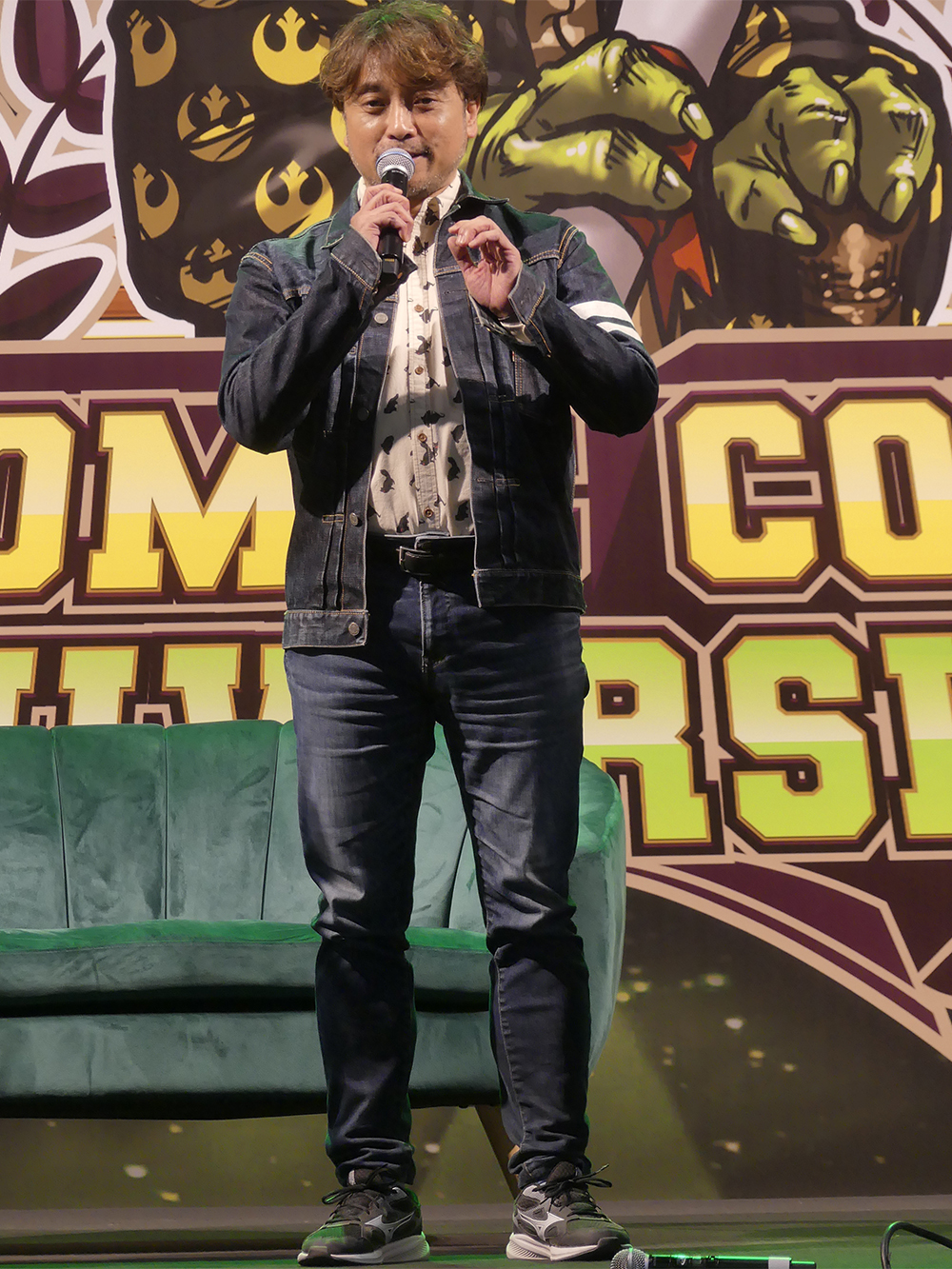
At Comic Con France 2026, held at the Parc des Expositions Paris-Nord Villepinte, the Sunday, April 19 masterclass with Japanese animation director Munehisa Sakai offered one of the convention’s most precious moments for anime fans: not a noisy promotional showcase, but a rare opportunity to hear from one of the key creative figures who helped shape the animated identity of One Piece. Presented by the official Comic Con France program as a “One Piece Director” and a major guest from Japan, Munehisa Sakai was announced for both days of the event, with photo sessions and autograph signings, including on One Piece merchandise, confirming the importance of his visit for French fans of Japanese animation. For Mulderville, present on site on April 19, this appearance had a very particular resonance: while One Piece is now a global cultural empire, seeing Munehisa Sakai in Villepinte reminded everyone that such a phenomenon is also built by artists, directors, storyboarders, animators, and craftsmen whose work often remains less visible than the characters they bring to life.
The masterclass naturally placed One Piece at the center of the discussion, and rightly so, because Munehisa Sakai directed the television anime from 2006 to 2008 and later directed One Piece Film: Strong World, the tenth animated feature film in the franchise. Comic Con France also highlighted the wider scope of his career, citing works such as GeGeGe no Kitarō, Dr. Slump, Himitsu no Akko-chan, Suite PreCure, Kakegurui, Zombie Land Saga, Mr Love: Queen’s Choice, Dance Dance Danseur, 7th Time Loop, Snowball Earth, and Sailor Moon Crystal. That filmography made his presence especially interesting, because Munehisa Sakai is not only connected to one of the most famous manga franchises in history, but also to several different traditions of Japanese animation: long-running shōnen adventure, magical girl storytelling, idol comedy, romantic drama, dance, fantasy, and contemporary studio production. His career gives him the profile of a director who understands both the industrial discipline of weekly anime and the emotional clarity required to make characters instantly readable for an audience.
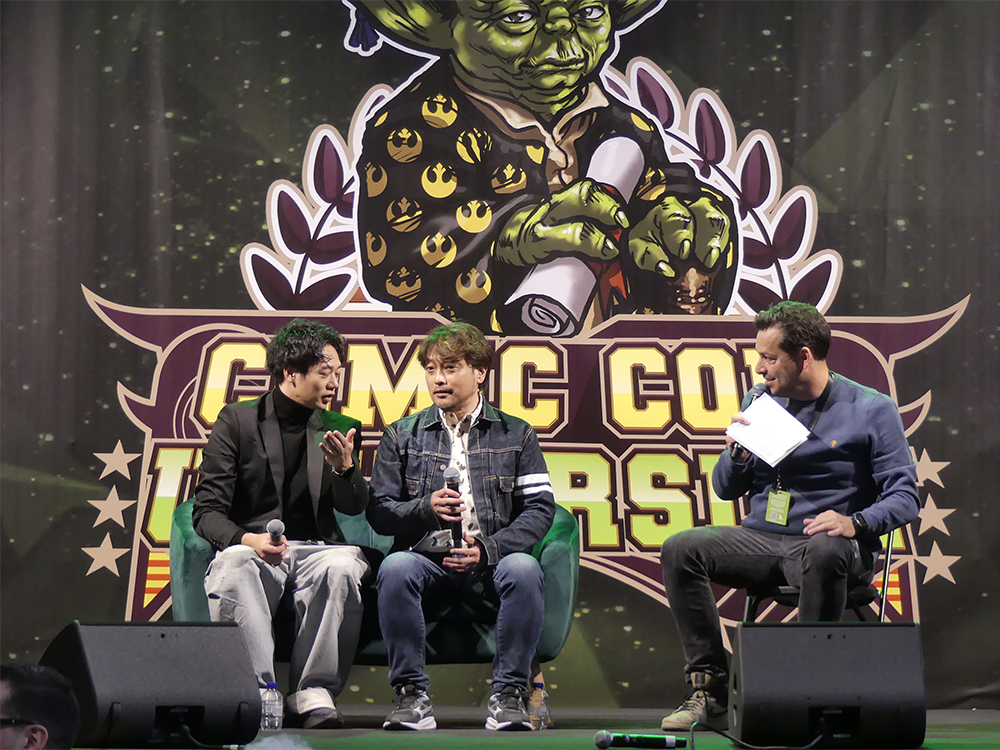
The importance of One Piece Film: Strong World was impossible to ignore during this encounter. Released in Japan in 2009, the film was directed by Munehisa Sakai, produced by Toei Animation, and based on a story by Eiichiro Oda, who personally supervised the project and contributed original material, making it one of the most significant theatrical entries in the franchise. In retrospect, Strong World feels like a decisive bridge between the weekly anime and the more event-driven theatrical identity that One Piece would later fully embrace. The film gave the Straw Hat Pirates a more cinematic scale while preserving the energy, humor, and emotional rhythm that define the series. For a French audience, the film also carries a special place, since it became one of the major One Piece theatrical references available to fans who discovered the franchise through manga, television, DVD, cinema events, and later streaming culture.
This masterclass arrived at a particularly strong moment for the One Piece universe. Created by Eiichiro Oda, the manga has been serialized in Weekly Shōnen Jump since 1997 and follows Monkey D. Luffy and the Straw Hat Pirates as they search for the legendary treasure known as the One Piece. In March 2026, Crunchyroll reported that the manga had surpassed 600 million copies in print worldwide, a staggering figure that confirms its position as one of the most successful comic series ever published. That number is not just a commercial achievement; it explains the atmosphere around the masterclass. In the room, One Piece was not simply treated as a famous anime, but as a shared language between generations of fans, from those who discovered the series on television years ago to younger viewers who entered the Grand Line through Netflix, Crunchyroll, manga reprints, video games, or conventions.
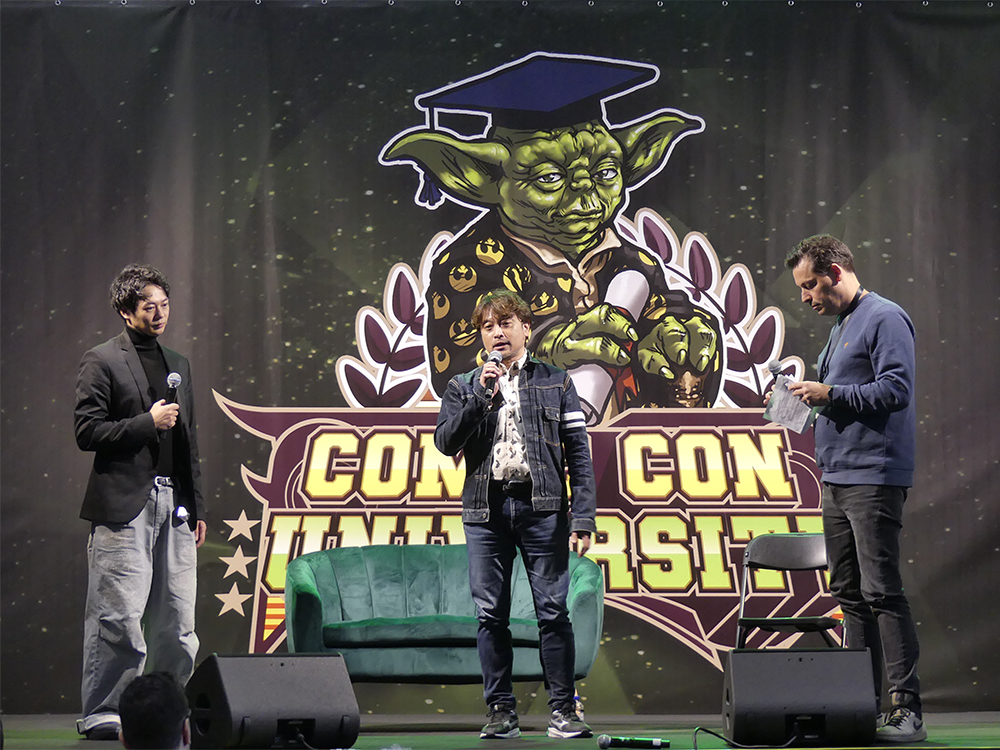
The timing was also ideal because 2026 has become a major year for One Piece visibility outside Japan. Netflix confirmed that all eight episodes of the live-action second season, titled ONE PIECE: Into the Grand Line, were available from March 2026, with the story taking Monkey D. Luffy, Roronoa Zoro, Nami, Sanji, and Usopp toward the Grand Line and introducing major locations and characters from the manga’s next arcs. This global live-action success gives even more value to a masterclass centered on the original anime tradition, because it reminds fans that before One Piece became a transmedia phenomenon, its animated language was built step by step by artists like Munehisa Sakai, who had to transform Eiichiro Oda’s dense panels, elastic comedy, dramatic timing, and explosive action into movement, rhythm, sound, and screen direction.
What made the encounter in Villepinte especially meaningful was the contrast between the scale of One Piece and the intimacy of the format. Comic Con France is often associated with large crowds, celebrity panels, cosplay, photoshoots, and collector culture, but a masterclass with Munehisa Sakai offered something quieter and deeper: a chance to look at anime as craft. His presence allowed fans to think about how an episode is paced, how a fight sequence is constructed, how comedy and emotion are balanced, and how a director preserves the personality of beloved characters while still bringing his own staging decisions to the screen. In One Piece, that balance is essential, because the series can shift within minutes from absurd visual comedy to sincere emotional drama, from pirate adventure to political allegory, from friendship to grief, and from slapstick to epic confrontation.
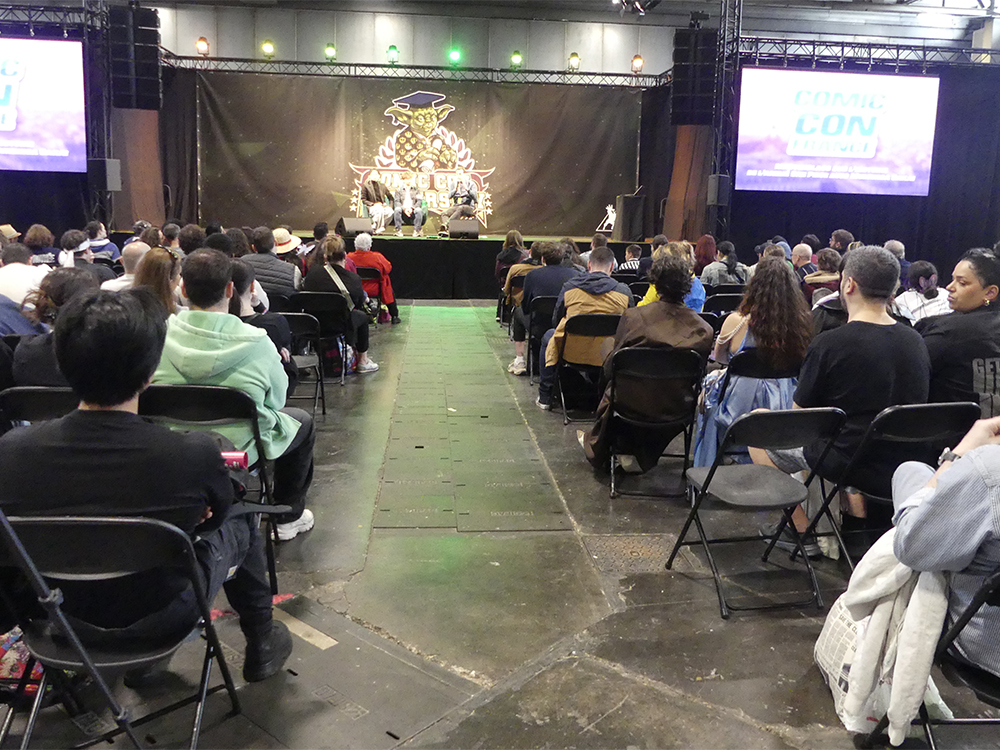
In a convention landscape often dominated by actors from live-action franchises, the presence of Munehisa Sakai was a reminder that anime directors deserve the same public spotlight. Without artists like him, characters such as Monkey D. Luffy, Nami, Roronoa Zoro, Sanji, and Usopp would not have acquired the same kinetic energy on screen, and One Piece would not have reached the same emotional impact for viewers who discovered it through animation rather than manga. This One Piece anime masterclass at Comic Con France 2026 stood out as one of those convention moments that connects fandom to creation. Munehisa Sakai’s appearance in Villepinte was not merely a nostalgic celebration of a beloved franchise; it was a tribute to the invisible architecture of animation itself. Through his work on the television series and One Piece Film: Strong World, Munehisa Sakai helped define how Eiichiro Oda’s world could breathe beyond the manga page, and his visit to France showed how deeply that work continues to resonate. In a year when One Piece keeps expanding across manga, anime, cinema, streaming, and live-action, this masterclass reminded fans of something beautifully simple: behind every legendary voyage, there are artists who know how to make dreams move.
You can discover our photos in our Flickr page
Photos and video 4K : Boris Colletier / Mulderville