

Mask Singer Brings Its Iconic Costumes to Musée Grévin for Season 9 Premiere
Friday 24 April, 2:00 PM PT Paris, Musée Grévin 2026-04-24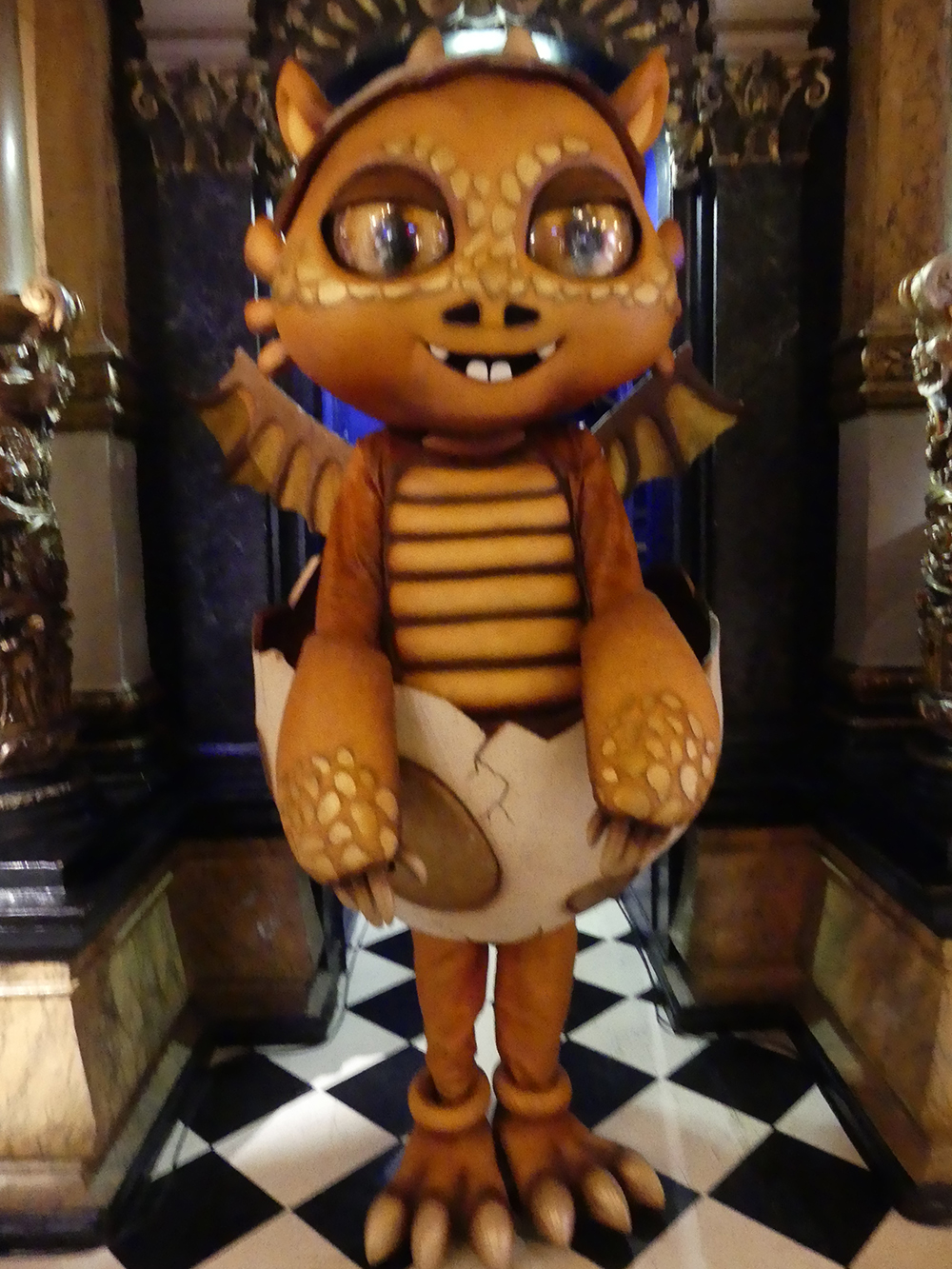
Some launch events are nothing more than a simple photo op, while others immediately convey a sense of ambition. By taking over the Musée Grévin on the evening of April 24, 2026, to present the ninth season of Mask Singer, TF1 chose the latter path. The symbolism was clear: creating a dialogue between the immortalized statues of the famous Parisian museum and the costumes that have, in turn, become popular icons of French television. In the halls of the Grévin, amidst the frozen silhouettes of celebrities past and present, guests discovered a setting where the program’s colorful world seemed almost natural. Our media outlet was present at this event, which brought together former contestants, entertainment personalities, and production teams. After an initial cocktail reception, conversations quickly turned to a simple observation: few French entertainment shows are capable, nine seasons later, of maintaining such anticipation.

The evening’s atmosphere spoke volumes about the show’s trajectory. Since its launch in November 2019, Mask Singer—the French adaptation of the South Korean format King of Mask Singer—has established itself as one of the major highlights of French entertainment. Its premise remains incredibly effective: celebrities completely concealed beneath spectacular costumes sing before a panel tasked with unmasking them, while the audience tries to guess their identities before the final reveal. But beyond the game itself, the show has created a visual world rarely seen on French television. Its success stems not only from the names hidden beneath the masks; it also rests on the creation of mystery, on deliberate exaggeration, and on the promise that a costume can become a character in its own right. In this regard, Grévin was undoubtedly the ideal venue: a museum where representation matters as much as reality.
During the presentation, a brief speech highlighted the franchise’s growing reach. From April 25 to July 15, 2026, the museum is hosting seventeen iconic costumes from previous seasons, integrated directly into the visitor experience. It’s a clever idea: rather than creating a separate exhibition, these creatures made of fabric, foam, feathers, and rhinestones are seamlessly woven among the venue’s 250 permanent figures. Visitors thus move from a movie star to a pop TV monster, from a musical legend to a colorful chimera. It’s also a way to highlight a craft that’s often underestimated: the creation of Mask Singer costumes is a precision craft that blends sewing, sculpture, painting, mechanics, and stage ergonomics. According to the information provided, nearly 1,000 costumes have been designed for the show since its debut.

In terms of casting and game mechanics, Season 9 aims to ramp things up even further. The quartet of investigators remains unchanged for the first time since Season 4: Kev Adams, Chantal Ladesou, Michaël Youn, and Laurent Ruquier continue to surround Camille Combal, who has become one of the central faces of the channel’s entertainment programming in just a few years. This stability is strategic: after several panel adjustments over the seasons, TF1 is now capitalizing on a well-established group dynamic, where quick wit and camaraderie matter just as much as the investigation itself. The major new feature announced this year involves a brand-new character, the Clown, who will not wear a mask but will be transformed each week by professional film makeup artists. A world first for the French format, which deliberately blurs the investigators’ usual points of reference.

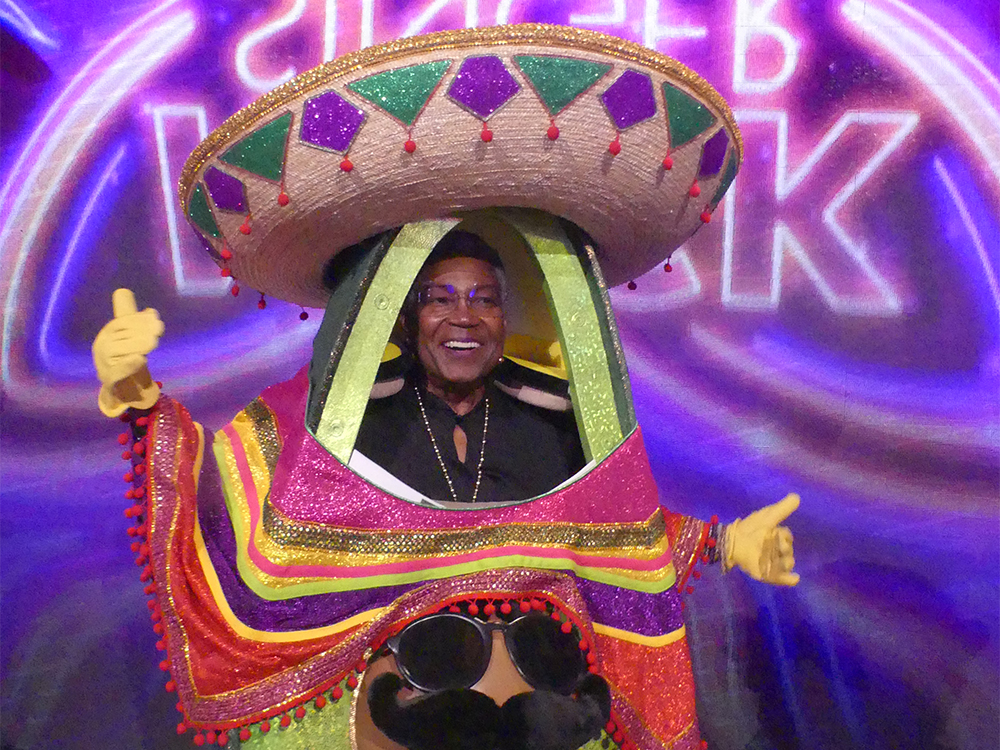
The watch party held at the museum was followed by a screening of the first episode. And the evening offered its first unmasking: Firmine Richard was hiding under the Lawyer’s costume. Present at the event, the actress was warmly greeted by the guests, proof that the show retains this unique ability to bring together generations of artists—something few programs still manage to do with such natural ease. Her quick elimination did not prevent her appearance from being one of the most talked-about moments of the evening, with several guests noting her obvious enjoyment of participating in the game. This type of participation reminds us that Mask Singer also functions as a space for reinvention: celebrities come less to win than to surprise, have fun, or show a different side of themselves.

Initial viewership figures from the premiere confirm that the brand remains strong. According to figures released the day after the broadcast, the first episode drew over 2.5 million viewers across the evening’s segments, with particularly strong performance among commercial targets and young audiences—the show’s traditional stronghold. In a fragmented media landscape, where entertainment offerings are scattered across platforms, on-demand services, and social media, managing to bring people together again in real time around a Friday-night family show is no small feat. *Mask Singer* remains one of the few formats capable of simultaneously generating both TV buzz and digital buzz.

This launch at Grévin finally reveals something broader about contemporary French television: the shows that endure are no longer just those we watch, but those we visit, photograph, share, and extend beyond the airwaves. By transforming its costumes into exhibition pieces, Mask Singer steps beyond the simple framework of prime time to enter tangible popular culture. Children see giant creatures, adults recognize memories of past seasons, and industry professionals see a branding success. Behind the glitter, this is undoubtedly the true victory of this nascent ninth season: having turned a game show into a universe.
photos and video 4K : Boris Colletier / Mulderville