

Comic Con France 2026 : The Ambitious Show Proving France Is Ready for a True Comic Con Scale Event
Sunday 19 April, 6:00 AM PT Villepinte, Parc des Expositions 2026-04-19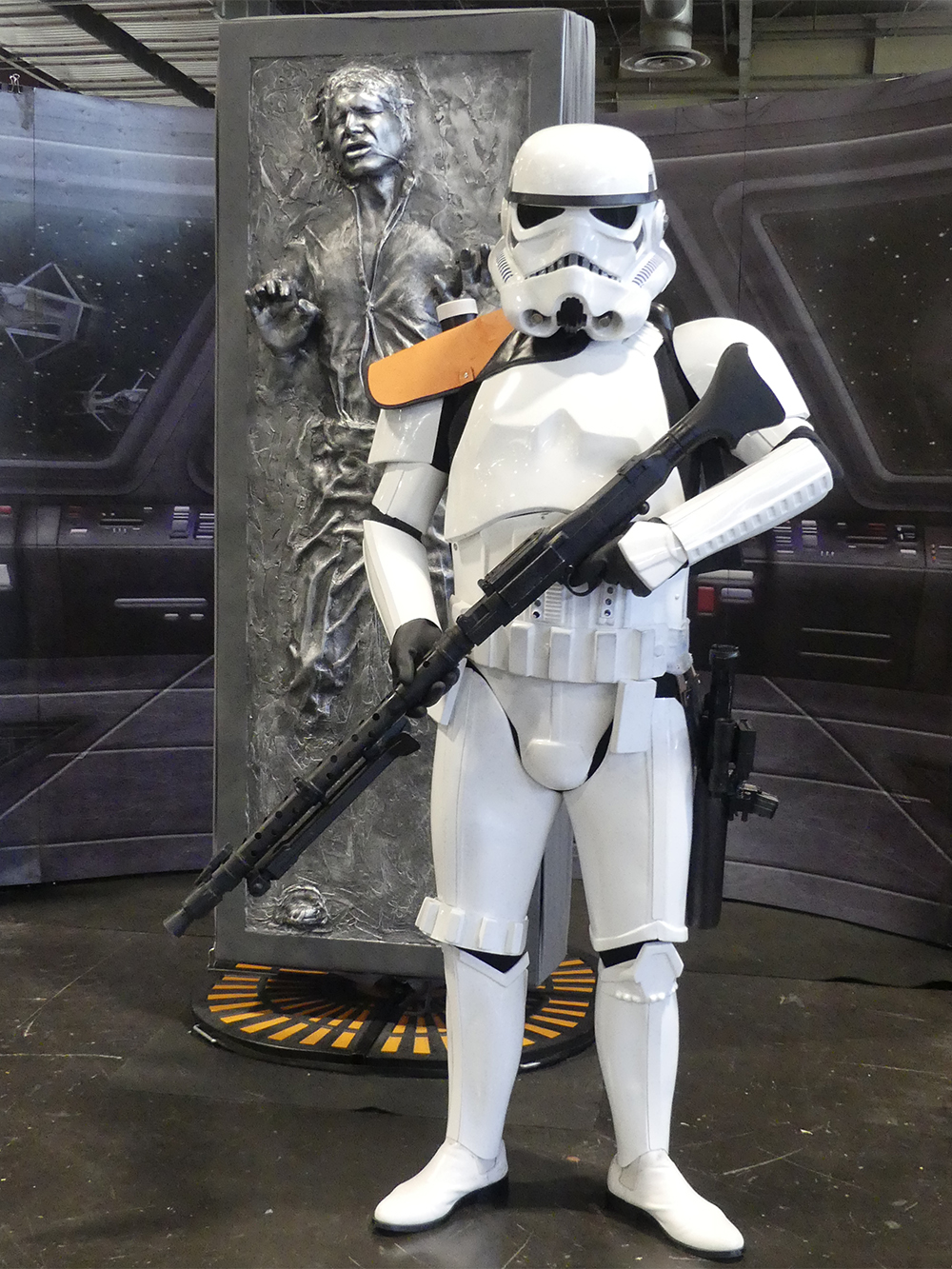
Comic Con France 2026 is currently in full swing at Paris-Nord Villepinte. After spending several hours on site, walking the aisles, observing the crowds, and exploring the event’s main areas, one conclusion stands out immediately: this is no longer a niche gathering in search of an identity, but a convention that exudes the scale, confidence, and atmosphere of a major European pop culture event. As soon as visitors enter the hall, the venue’s ambition is clear. The site feels vast, visually vibrant, and bustling with activity, without ever feeling chaotic. Wide central aisles allow a steady flow of attendees to move from one area to another, while the side aisles invite a more leisurely exploration. Cosplayers, families with children, comic book collectors, gamers, anime fans, and casual visitors mingle naturally in the same space, creating the kind of multigenerational energy that many conventions strive to create but rarely manage to pull off convincingly. Several attendees told us they had expected a fun but modest convention and were surprised by the scale and quality of the event once they arrived.
One of the most striking impressions during our visit was the apparent attention paid to visitor flow and the layout of the space. Anyone who regularly attends conventions knows that poor logistics can ruin even the best lineup of guests or exhibitors, but here, the layout generally works in the event’s favor. The main thoroughfares guide visitors to the most important attractions without creating immediate bottlenecks, while the secondary sections allow for strolling without constant interruption. This matters more than many organizers realize. When people can move around comfortably, they stay longer, spend more, and keep smiling all day long. We noticed that groups regularly returned to areas they had previously ignored, which rarely happens when a venue becomes frustrating. On several occasions, we heard variations of the same comment from loyal visitors: “It really feels comfortable to walk around here.” It’s not a very glamorous compliment, but it’s often the foundation of a successful event.
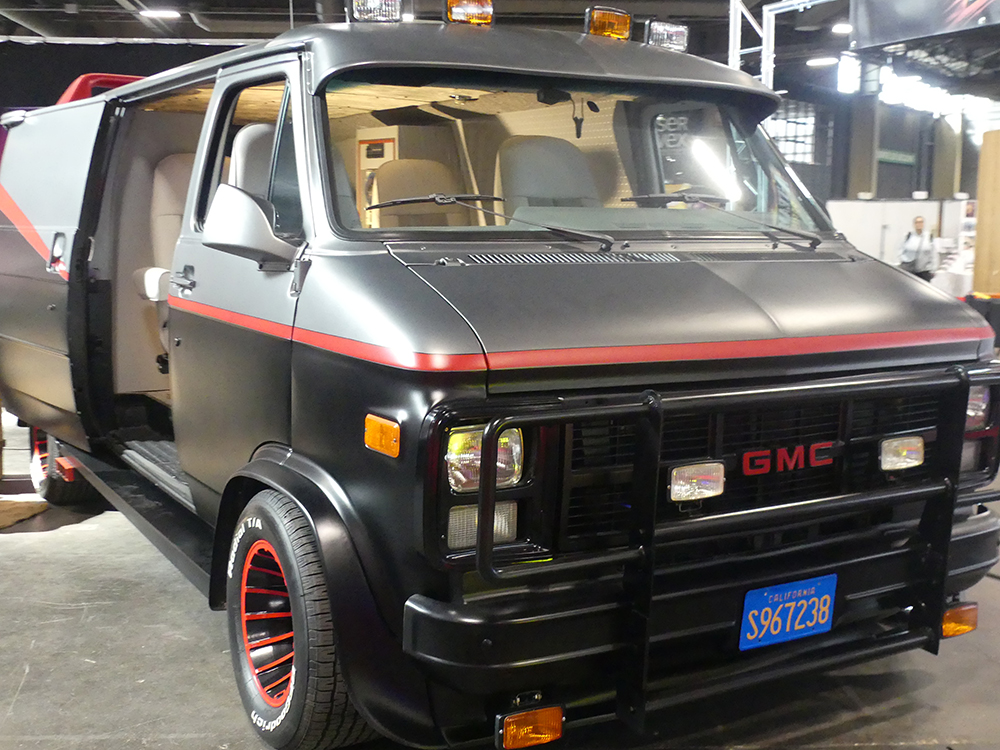
The Geek Market is, unsurprisingly, one of the fair’s most active hubs and a constant source of noise, bustle, and impulse buys. During our visit, many booths drew steady lines and groups of visitors browsing the shelves, display cases, and wall decorations. Retailers such as MagicPokeYugi, Mondes Imaginaires, Moulin Comics, Nanoland, Otaku-Ten, Popto, RB Replicas, Waku Waku Shop, and WernerMoviePosters help create a market that feels diverse rather than repetitive. Visitors can move in a matter of minutes from imported collectibles to framed posters, from nostalgic memorabilia to anime merchandise, from replica props to snack stands. What makes this space interesting is not simply the quantity of merchandise, but the diversity of buyers’ motivations. Several vendors selling themed candy and snacks also drew a steady stream of visitors, reinforcing a truth that many convention organizers now understand well: people don’t just buy products at events like this; they buy an atmosphere, a memory, and an experience.
It is, however, within Artist Alley that the event draws much of its character; during our visit, this section proved to be one of the most rewarding to explore. Unlike purely commercial areas, this space invites conversation and discovery. Visitors stopped to discuss techniques, commission sketches, buy handmade items, or simply compliment the creators directly on their work. This personal connection changes the emotional tone of a convention. Artists and creative brands such as A Wandering Goat’s Maps, Alien Press, Amay Sancha, Aurélie Passion Dessin, Blue Fern Arts, Centaur Comics, Draw Gabe Draw, Fantasy Tattoo, Flora Crochet, Johanna Forster, Komics Initiative, La Boutique du Chat, Les Oiseaux Ne Mentent Pas, Lucior Jewelry, Meg Adrian Art, Miko Handmade, Quid Novi Editions, Reflexions Editions, The Art of Megane, Valorian Art, YBPK, and Yokami. Art helps transform a trade show into a more culturally vibrant event. We spoke with visitors who told us they came specifically to support independent creators rather than major brands, and others who said that, contrary to expectations, this was the section where they spent the most money. This is often a sign of a healthy convention ecosystem: attendees come for the famous franchises but end up discovering something original.
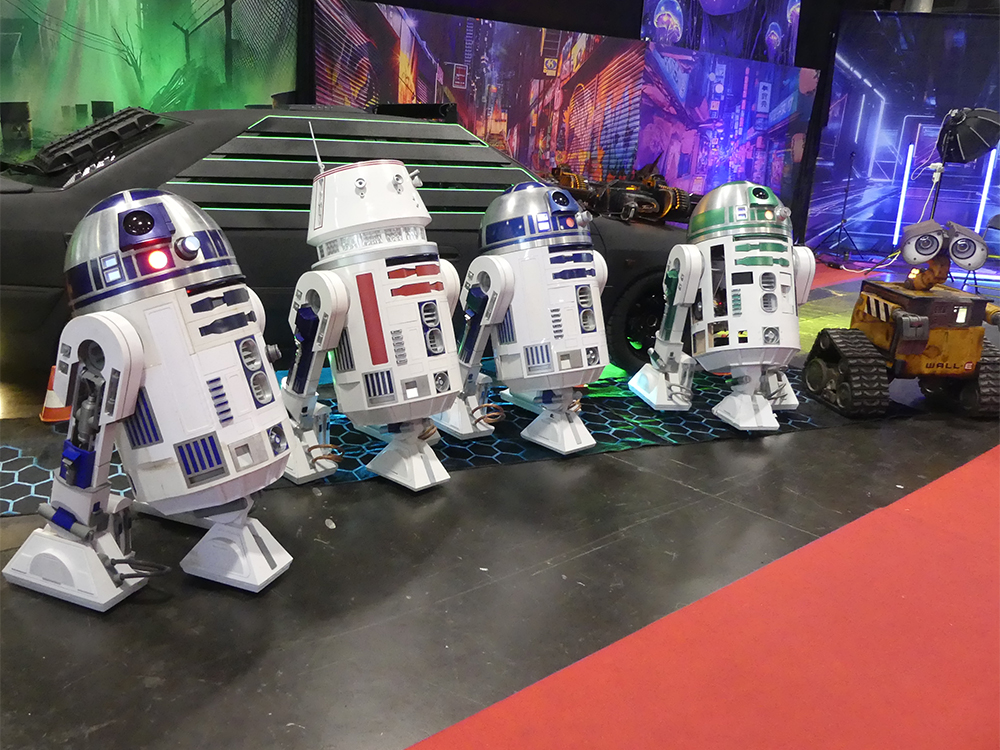
Another feature of the floor plan is the separation of the comic book artists’ area from the broader community of artists and craftspeople. This distinction offers greater visibility to professional comic book creators and associated guests, while helping fans more easily locate signing sessions, giveaways, and creator-focused interactions. Too many conventions mix all categories of creators into a single area, which can make it difficult for visitors to navigate based on their interests. Here, the specific identity of this section suggests a clearer understanding of audience behavior. During our visit, people were photographing posters, checking schedules, and discussing appearances—all signs that access to creators remains one of the main draws of convention culture. Fans no longer want just merchandise; they want to be close to the people behind the works they admire.
The main stage also plays an important role in energizing the entire convention. Throughout the day, waves of noise and attention spread whenever a program began, announcements were made, or guests appeared. The crowd would quickly gather, then disperse again toward the commercial and creative areas, creating a rhythm that prevents the event from feeling static. This rhythm is crucial. Large halls filled with booths can be visually impressive but emotionally flat if nothing dynamic is happening beyond shopping. Here, the stage gives attendees the sense that something could happen at any moment, encouraging them to stay longer. Even visitors who aren’t actively attending a panel benefit from the atmosphere generated by a live central hub.
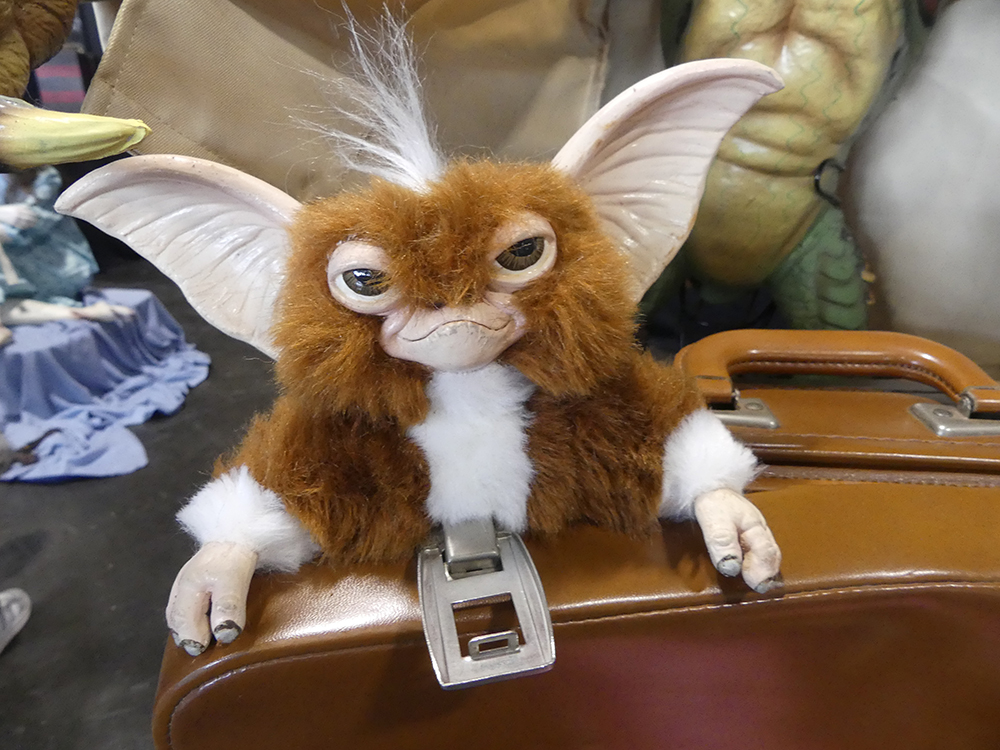
We also spent time in the Comic Con University section, which could turn out to be one of the most strategically important spaces in the entire event. Workshops, training sessions, and community-focused programming are often what distinguish fleeting conventions from enduring brands. Retail may draw crowds once, but it’s engagement that builds loyalty. Families in particular seemed drawn to these experiences, and many young attendees appeared just as captivated by the hands-on activities as they were by the marketplace. This is important because the future of events like this one depends not only on seasoned collectors, but also on new visitors who leave wanting to come back the following year.
After our visit to the venue, the general verdict is clear for us: Comic Con France 2026 feels like an event that understands what the public expects from modern conventions. It offers commerce without being purely commercial, entertainment without devolving into meaningless noise, and fan service without sacrificing space for creators and the community. No major convention is perfect. There were naturally moments of crowding, occasional lines, and the usual sensory overload that comes with a packed venue, but the overall picture is solid. This edition feels confident, evolving, and truly vibrant. If this momentum continues, Comic Con France 2026 could well be remembered as the year this event stopped trying to grow and simply established itself.
You can discover our photos in our Flickr page
Photos and video 4K : Boris Colletier / Mulderville